Viñales
A must-visit gem in Viñales, the Mural de la Prehistoria is a striking cliffside mural depicting evolution, while nearby Cueva de los Portales offers a fascinating cave adventure in Pinar del Río.
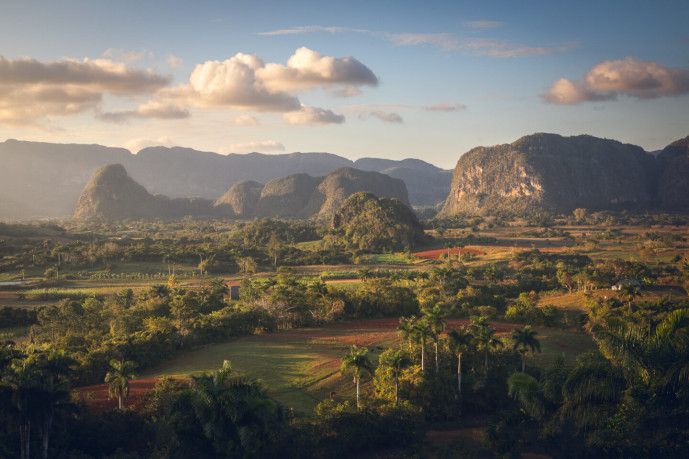
Nestled in the verdant valleys of Pinar del Río, Viñales is a charming Cuban town where time seems to pause. Its iconic mogotes—towering limestone hills—frame tobacco fields worked by generations of farmers, while the vibrant colonial architecture whispers tales of a simpler era. A haven for nature lovers and culture seekers alike, Viñales offers an authentic glimpse into Cuba’s rural soul.
Destination Facts
- Official Name: Viñales
- Type of Destination: City
- Brief Description: A picturesque town nestled in a verdant valley, renowned for its tobacco fields, limestone mogotes, and traditional Cuban charm.
- Location: Western Cuba, within the Pinar del Río Province, approximately 180 km west of Havana.
- Year Established/Founded: Early 19th century (exact year uncertain)
- Governing Body/Management: Municipal government of Viñales
- Significance/Known For: UNESCO World Heritage site (Viñales Valley), tobacco production, and unique karst landscapes.
- Size/Area: The municipality covers roughly 704 km², though the town itself is compact.
- Population: Approximately 27,000 (municipality)
- Main Attractions/Key Features:
- Viñales Valley (UNESCO-listed)
- Cueva del Indio (Indigenous cave with a subterranean river)
- Local tobacco farms and traditional drying barns
- Best Time to Visit: November to April (dry season, pleasant temperatures)
- Entrance Fee/Ticket Info: N/A (town itself is free; some attractions like caves may charge)
- Operating Hours: N/A (town accessible year-round)
- Website: N/A (no prominent official site for the town)
Essentials
- Top Attractions: Mural de la Prehistoria, Valle de Viñales, Parque Nacional Viñales, Cueva del Indio, Cueva de los Portales
- Best Months to Visit: December, February, January, March, November
- Best Hotels: Casa Papo y Niulvys, Hostal Buena Vista Viñales
History
History of Viñales
Nestled in the verdant valleys of Pinar del Río Province, Viñales is a charming town that embodies Cuba’s rural soul and colonial heritage. Founded in 1607, its history is intertwined with tobacco farming, indigenous resistance, and the slow march of time that has preserved its 19th-century architecture. The town’s name derives from the Spanish settlers who established it, though the region was long inhabited by the Taíno people before colonization. Viñales’ isolation allowed it to retain its authenticity, and today, its UNESCO-listed valley and traditional vegas (tobacco farms) offer a window into Cuba’s agricultural past.
Key Historical Dates
- 1607: Official founding of Viñales by Spanish colonists, though Taíno communities had lived in the region for centuries prior.
- 1871: The town’s iconic Iglesia del Sagrado Corazón de Jesús was constructed, reflecting the neoclassical influences of the era.
- 1999: Viñales Valley was designated a UNESCO World Heritage Site, recognizing its cultural landscape of tobacco farms and dramatic mogotes (limestone karsts).
- Early 20th century: The rise of tobacco as Cuba’s premier export solidified Viñales’ role as a key agricultural hub, with many of its traditional farming techniques remaining unchanged to this day.
Tours and Day Trips
Popular Tours & Day Trips from Viñales
1. Viñales Valley Horseback Riding Tour
Immerse yourself in the bucolic charm of Viñales Valley, a UNESCO World Heritage Site, on a leisurely horseback ride. Traverse tobacco fields, limestone mogotes, and traditional farms where you may witness the art of cigar rolling. The tour typically lasts half a day, making it ideal for those seeking a gentle adventure amidst stunning landscapes. Suitable for families and nature lovers.
2. Cueva del Indio & Palmarito Cave Exploration
Discover the subterranean wonders of Cueva del Indio, a cave system adorned with ancient indigenous petroglyphs. A short boat ride along its underground river adds a touch of mystery. Nearby, the lesser-known Palmarito Cave offers a quieter, more rugged experience. Both sites are within a 15-minute drive from Viñales, perfect for history enthusiasts and adventurous travelers.
3. Tobacco Farm & Cigar Demonstration
Visit a family-run tobacco farm to learn about Cuba’s famed cigar production, from seed to hand-rolled masterpiece. Farmers often share insights into traditional techniques passed down through generations. The experience, usually lasting 2-3 hours, includes a tasting session. A must for cultural travelers and those curious about Cuba’s agricultural heritage.
4. Los Acuáticos Community & Eco-Trail
Explore the unique Los Acuáticos community, known for its natural healing practices and sustainable way of life. A guided walk along their eco-trail reveals medicinal plants, waterfalls, and panoramic views of the valley. The excursion, about 20 minutes from Viñales, appeals to eco-conscious visitors and those interested in alternative lifestyles.
5. Cayo Jutías Beach Day Trip
Escape to the pristine shores of Cayo Jutías, a secluded island paradise roughly 1.5 hours from Viñales. With its powdery white sand and turquoise waters, it’s ideal for swimming, snorkeling, or simply unwinding under a thatched umbrella. A refreshing contrast to the valley’s greenery, best suited for beach lovers and relaxation seekers.
When to visit
Best Time to Visit Viñales
Viñales, nestled in the verdant Pinar del Río Province of western Cuba, offers a captivating blend of natural beauty and cultural charm. The best time to visit depends on your preferences for weather, crowds, and local events. Below is a seasonal breakdown to guide your planning.
Seasonal Breakdown
Dry Season (November to April)
The dry season is the most popular time to visit Viñales, with pleasant temperatures and minimal rainfall. Daytime highs range from 24°C to 28°C, while nights can dip to a comfortable 16°C to 20°C. Humidity is lower, making outdoor activities like hiking in the Viñales Valley or exploring tobacco farms particularly enjoyable.
- Pros: Ideal weather for sightseeing and outdoor adventures; fewer mosquitoes; vibrant landscapes.
- Cons: Peak tourist season, leading to higher accommodation prices and busier attractions.
- Events: The Festival del Habano (February) in nearby Havana attracts cigar enthusiasts, while Viñales itself hosts smaller cultural events.
Wet Season (May to October)
The wet season brings warmer temperatures (28°C to 32°C) and higher humidity, with frequent afternoon showers, particularly from June to October. While rainfall can be heavy, it often passes quickly, leaving the landscape lush and green.
- Pros: Fewer tourists, lower prices, and a more authentic local experience; the countryside is at its most vibrant.
- Cons: Humidity can be oppressive; some trails may be muddy or inaccessible after heavy rain.
- Events: The Fiesta de San Juan (June) in nearby Pinar del Río features music, dance, and traditional celebrations.
Overall Recommendation
For those seeking the best balance of weather and accessibility, November to April is the ideal time to visit Viñales. However, travelers looking to avoid crowds and don’t mind occasional rain showers may prefer the shoulder months of May or October.
Considerations
Viñales experiences a noticeable peak season from December to March, coinciding with international holidays. During this time, booking accommodations in advance is advisable. The wet season, while quieter, may require flexibility due to unpredictable weather. Regardless of the season, Viñales’ charm remains undeniable, offering a glimpse into Cuba’s rural soul.
What to pack
What to Pack for Viñales
Viñales, a charming town in Cuba’s Pinar del Río Province, is known for its lush tobacco fields, limestone mogotes, and vibrant cultural scene. Packing thoughtfully will enhance your experience in this unique destination.
For Exploring the Countryside
- Sturdy Walking Shoes: The terrain around Viñales is uneven, especially for hikes through tobacco farms or the mogotes. Opt for supportive, closed-toe shoes.
- Lightweight Rain Jacket: Sudden tropical showers are common, particularly in the rainy season (May to October). A packable jacket will keep you dry without weighing you down.
- Reusable Water Bottle: Staying hydrated is essential during outdoor excursions. Tap water isn’t always safe to drink, so consider a bottle with a built-in filter.
For Cultural Immersion
- Modest, Breathable Clothing: Lightweight, loose-fitting attire in natural fabrics (like linen or cotton) will keep you cool and respectful when visiting local homes or tobacco farms.
- Small Daypack: Ideal for carrying essentials like sunscreen, a hat, and souvenirs while exploring the town or nearby caves.
For Comfort & Practicality
- Cash in Small Denominations: Cuba operates largely on cash (CUP or convertible pesos). Small bills are useful for tipping guides or purchasing local crafts.
- Insect Repellent: Mosquitoes can be persistent, especially in rural areas and at dusk.
- Sun Protection: A wide-brimmed hat and high-SPF sunscreen are indispensable under the strong Caribbean sun.
Culture
Viñales: A Rural Tapestry of Cuban Culture
Nestled in the verdant valleys of Pinar del Río, Viñales is a cultural microcosm where time seems to slow. Unlike Cuba’s bustling cities, Viñales thrives on its agricultural roots, colonial charm, and the quiet rhythms of campesino (farmer) life. The town’s cultural identity is deeply tied to its landscape—tobacco fields, limestone mogotes, and the intimate connection between land and livelihood.
Agricultural Traditions & Tobacco
Viñales is the heart of Cuba’s tobacco country, where generations of farmers cultivate leaves for the world’s finest cigars. The vegas (tobacco farms) are family-run, and visitors can witness the meticulous process of drying, rolling, and aging tobacco—often accompanied by a farmer’s proud explanation of their craft. Unlike elsewhere in Cuba, the guajiro (country farmer) dialect here is laced with agricultural terms, and a handshake deal still holds more weight than a contract.
Local Etiquette
- Always ask permission before photographing farmers or their homes.
- A small gift (like soap or school supplies) for farm families is appreciated but not expected.
- When offered a cigar, accept it graciously—it’s a gesture of trust.
Music & Rural Son
Viñales’ music scene is intimate and acoustic. The son montuno tradition here is stripped of Havana’s brass, replaced by the twang of a tres guitar and the rasp of a guayo (metal scraper). Evenings often bring impromptu gatherings on porches, where locals sip guayabita del pinar (a local fruit liqueur) and sing puntos guajiros, poetic improvisations about rural life.
Distinctive Cuisine
Viñales’ cuisine is hearty and farm-to-table by necessity. Dishes like cerdo asado (roast pork) and congrí viñalero (rice and beans cooked with local herbs) are staples. The town’s agromercados (farmers’ markets) sell fresh produce, while paladares (family-run restaurants) serve meals on shaded patios. A unique local touch: coffee is often sweetened with guarapo (fresh sugarcane juice).
Festivals & Community
Viñales celebrates its agrarian pride during the Fiesta de la Cosecha (Harvest Festival), where oxen parades and tobacco-rolling competitions take center stage. Unlike Cuba’s larger carnivals, this event feels like a village gathering, with shared meals and storytelling under the stars. The Día del Campesino (Farmer’s Day) on May 17 is another quiet but deeply felt occasion.
Arts & Craftsmanship
The town’s artistic spirit is visible in its mural de la prehistoria, a sprawling hillside painting depicting evolution, and the workshops of alfareros (potters) who mold local clay into rustic wares. Viñales’ artisans favor natural dyes and materials, creating textiles and woodcarvings that reflect the valley’s earthy palette.
Historical Echoes
Viñales’ culture bears traces of its indigenous Taíno past, Spanish colonialism, and African influences—evident in place names like Cueva del Indio (Indian Cave) and the syncopated rhythms of its music. The town’s 19th-century wooden architecture, with wide porches and pastel hues, stands as a quiet counterpoint to Havana’s grandeur.