Barichara
A hidden gem in Santander, La Humeadora Gambita's Cascadas de Chaguatá offers serene waterfalls, lush trails, and untouched natural beauty—perfect for adventurers seeking tranquility off Colombia's beaten path.
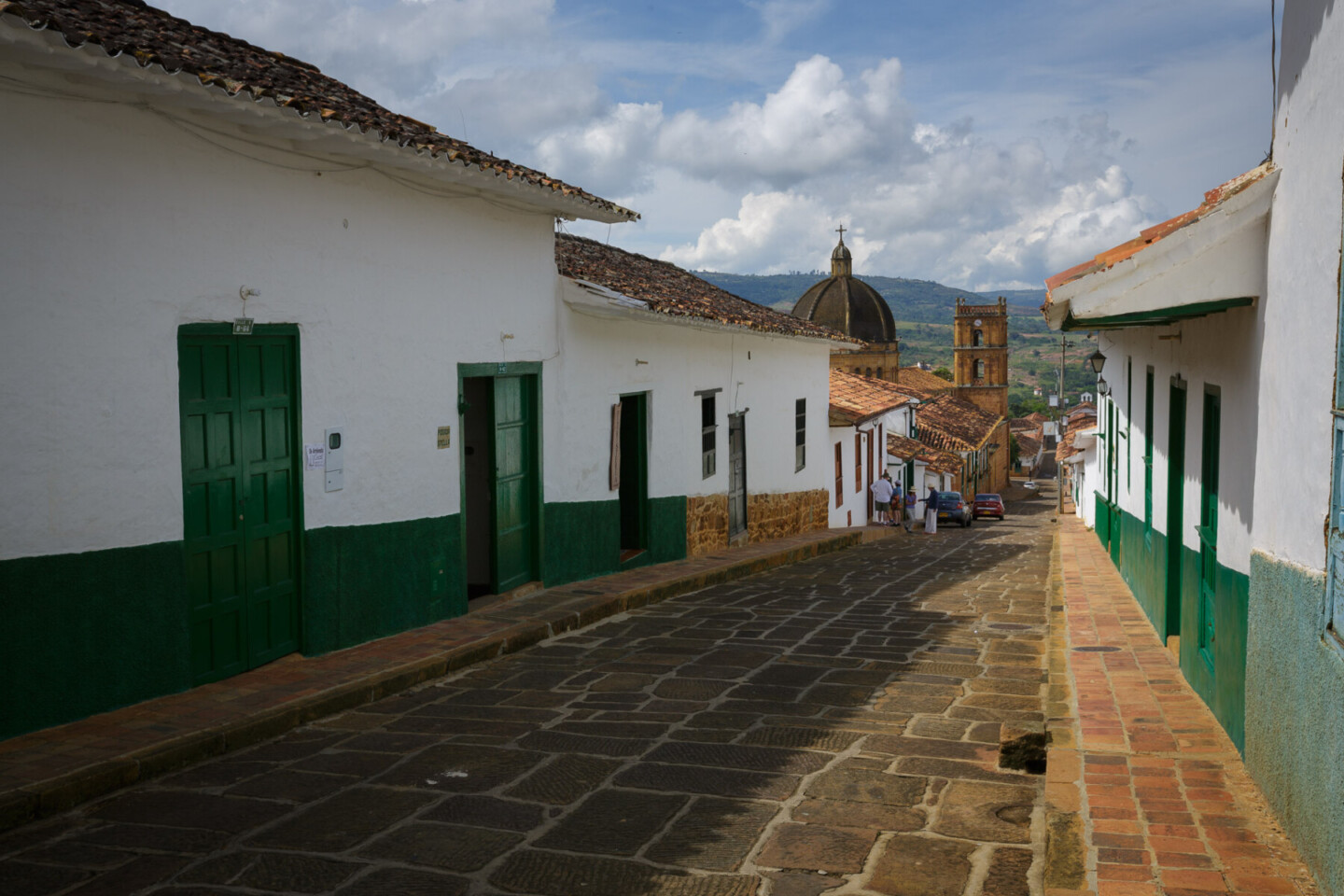
Nestled in Colombia’s Andean highlands, Barichara enchants with its cobbled streets, whitewashed colonial facades, and unhurried charm. Dubbed the “prettiest town in Santander,” its timeless beauty invites quiet strolls past artisan workshops and sunlit plazas. A gateway to the rugged Chicamocha Canyon, it blends history with adventure—perfect for those seeking authenticity amid Colombia’s lesser-known treasures.
Faits sur la destination
- Official Name: Barichara
- Type de destination : Ville
- Brief Description: A picturesque colonial town renowned for its well-preserved architecture, cobblestone streets, and tranquil atmosphere, often referred to as the “prettiest town in Colombia.”
- Location: Andean Region, Santander Department, northeastern Colombia, approximately 120 km from Bucaramanga.
- Year Established/Founded: 1705
- Governing Body/Management: Municipal Council of Barichara
- Significance/Known For: Designated as a National Monument of Colombia for its exceptional colonial architecture and cultural heritage; part of the “Pueblos Patrimonio” (Heritage Towns) network.
- Size/Area: 134 km² (municipality)
- Population: Approximately 7,000 inhabitants
- Main Attractions/Key Features:
- The historic center with its whitewashed buildings and ornate churches, such as the Cathedral of the Immaculate Conception.
- Camino Real, a scenic stone-paved trail leading to the nearby village of Guane.
- Local artisan workshops specializing in traditional papelón (raw cane sugar) and stone carving.
- Best Time to Visit: December to March (dry season) for pleasant weather, though the town’s mild climate makes it a year-round destination.
- Entrance Fee/Ticket Info: Free to explore the town; some attractions may charge a small fee.
- Operating Hours: N/A (town is accessible at all times; specific attractions may have varying hours).
- Website: Barichara Municipal Website (Spanish)
L'essentiel
- Top Attractions: La Humeadora Gambita, Cascadas De Chaguatá
- Best Months to Visit: December, February, January, November, October
Histoire
A Brief History of Barichara
Nestled in the rolling hills of Colombia’s Santander Department, Barichara is a colonial gem that seems suspended in time. Founded in the early 18th century, its origins are intertwined with a local legend: the apparition of the Virgin Mary on a guayacán tree, which drew pilgrims and settlers to the area. Officially established in 1705, the town’s name derives from the indigenous Guane language, meaning “place of rest” or “retreat”—a fitting description for its tranquil, cobblestone streets and preserved architecture. Barichara flourished during the colonial era as a hub for agriculture and trade, its whitewashed buildings and red-tiled roofs reflecting the Spanish influence. In 1975, it was declared a National Monument for its exceptional preservation, cementing its status as one of Colombia’s most picturesque colonial towns.
Dates historiques clés
- 1705: Barichara is officially founded, though indigenous Guane communities had long inhabited the region. The town’s layout follows the classic Spanish colonial grid, centered around a main square.
- 1850s: The construction of the Camino Real, a historic stone path linking Barichara to Guane, underscores its role as a vital trade and pilgrimage route.
- 1975: Declared a National Monument by the Colombian government, recognizing its architectural and cultural significance. This designation spurred restoration efforts to maintain its colonial charm.
- 2018: Barichara is included in the “Most Beautiful Villages of Colombia” network, further solidifying its reputation as a must-visit destination for history and culture enthusiasts.
Visites et excursions d'une journée
Popular Tours & Day Trips from Barichara
1. Camino Real to Guane
Step back in time on the Camino Real, a cobblestone colonial trail connecting Barichara to the quaint village of Guane. This 5.5-kilometer hike, taking roughly two hours, winds through arid landscapes and offers sweeping views of the Suárez Canyon. Ideal for history enthusiasts and nature lovers, the trail ends in Guane, where a small archaeological museum and a charming church await. The return can be made by local transport or on foot for the more adventurous.
2. Chicamocha National Park Adventure
For those seeking adrenaline, a day trip to Chicamocha National Park (about 1.5 hours by car) delivers dramatic scenery and thrilling activities. The park spans the Chicamocha Canyon, one of the world’s deepest, and features cable cars, paragliding, and hiking trails. The Mirador viewpoint is a highlight, offering panoramic vistas. Suitable for families and adventure seekers, though some activities require a moderate level of fitness.
3. Traditional Craft Workshops in Barichara
Immerse yourself in Barichara’s artisanal heritage with hands-on workshops in stone carving or weaving. Local craftsmen, often working in their colonial-era workshops, share techniques passed down through generations. These intimate sessions, typically lasting half a day, provide insight into the town’s cultural fabric. Perfect for travelers who appreciate slow, meaningful experiences and wish to take home a handmade souvenir.
4. San Gil Adventure Day Trip
Just an hour from Barichara, San Gil is Colombia’s adventure capital. White-water rafting on the Río Fonce, caving in the Cueva de la Vaca, or rappelling down waterfalls are among the exhilarating options. The town itself has a lively plaza and excellent coffee shops. Best suited for thrill-seekers, though milder activities like birdwatching in the Gallineral Park are also available.
5. Colonial Architecture Walking Tour
Barichara’s well-preserved 18th-century architecture is best explored on foot. A self-guided or locally guided tour reveals hidden courtyards, the Cathedral of the Immaculate Conception, and artisan workshops tucked into whitewashed walls. The tour can be leisurely completed in a morning, with stops at cafés serving hormigas culonas (local roasted ants) for the curious. Ideal for culture aficionados and photographers.
Quand visiter
Best Time to Visit Barichara
Barichara, a charming colonial town in Colombia’s Santander Department, enjoys a mild Andean climate with distinct dry and wet seasons. Its cobblestone streets and picturesque landscapes are best explored during periods of comfortable weather and minimal rainfall.
Répartition saisonnière
Dry Season (December–March, July–August)
The dry season brings clear skies and pleasant temperatures, averaging 18–24°C (64–75°F). Rainfall is minimal, making it ideal for outdoor activities like hiking the Camino Real or exploring the town’s historic architecture.
- Pros: Sunny days, lower humidity, and excellent conditions for photography and sightseeing.
- Cons: Higher tourist traffic, especially in December and January, leading to slightly elevated accommodation prices.
- Events: The Festival de Cine Verde (Green Film Festival) in August attracts cultural enthusiasts.
Wet Season (April–June, September–November)
Rainfall increases during these months, with brief afternoon showers and cooler temperatures (16–22°C / 61–72°F). The surrounding countryside becomes lush and vibrant, offering a different kind of beauty.
- Pros: Fewer tourists, lower prices, and a serene atmosphere. Ideal for those who prefer solitude.
- Cons: Some trails may be muddy, and outdoor activities could be interrupted by rain.
- Events: The Semana Santa (Holy Week) processions in April are a deeply cultural experience.
Recommandation générale
The best time to visit Barichara is during the dry months of December–March or July–August, when the weather is most favorable for exploration. However, travelers seeking a quieter retreat may prefer the shoulder months of October–November, when the rains are lighter and the landscape is at its greenest.
Considérations
Peak seasons (December–January, July–August) see higher prices and more visitors, while the wetter months offer better deals and a more intimate experience. Many local attractions remain open year-round, though some outdoor activities may be weather-dependent.
Ce qu'il faut emporter
What to Pack for Barichara
Barichara, a charming colonial town in Colombia’s Andean highlands, calls for thoughtful packing to embrace its cobblestone streets, mild climate, and outdoor excursions. Here are the essentials to enhance your visit.
For the Climate & Terrain
- Lightweight Layers: Days are warm (20-25°C), but evenings cool down. A breathable jacket or cardigan is ideal.
- Sturdy Walking Shoes: The town’s uneven cobblestones demand comfortable, closed-toe footwear with good grip.
- Sun Protection: A wide-brimmed hat and sunglasses shield against strong midday sun at this altitude (1,300m).
For Exploration
- Compact Daypack: For carrying water, snacks, and a camera while hiking the Camino Real trail or exploring nearby villages.
- Reusable Water Bottle: Stay hydrated during walks; refill stations are available in town.
- Light Rain Jacket: Sudden showers are common, especially in the April-May or October-November rainy seasons.
Local Nuances
- Modest, Breathable Clothing: Lightweight fabrics like linen or cotton suit the climate and respect the town’s conservative ambiance.
- Spanish Phrasebook (or App): English is less commonly spoken here compared to larger cities.
Culture
Architectural Heritage & Colonial Charm
Barichara is a living museum of Spanish colonial architecture, its cobbled streets and whitewashed buildings meticulously preserved. Unlike other Colombian towns, Barichara’s structures predominantly use piedra barichara, a local sandstone that gives the town its distinctive golden hue. The Iglesia de la Inmaculada Concepción, with its baroque altarpieces, stands as a testament to the town’s religious and architectural legacy.
Traditions artisanales
The town is renowned for its filigree craftsmanship, a delicate metalwork technique inherited from Spanish artisans. Local workshops, such as those in the Casa de la Cultura, showcase this art form, often incorporating motifs inspired by the surrounding Andean landscape. Another unique craft is the production of papelón, unrefined cane sugar blocks, still made using traditional methods in nearby rural areas.
Where to Observe Artisans
- Taller de Artesanías en Piedra: Watch stonemasons carve the iconic sandstone.
- Plaza Principal: Weekly markets feature filigree jewelry and woven fique (agave fiber) bags.
Identité culinaire
Barichara’s cuisine blends Santander’s bold flavors with local ingredients. A must-try is hormigas culonas, toasted leafcutter ants, a pre-Hispanic delicacy still harvested in the region. The town’s arepas ocañeras—thick, cheese-filled corn cakes—differ from those found elsewhere in Colombia, often served with cabrito (goat stew).
Notable Dishes
- Mute santandereano: A hearty soup with pork, chickpeas, and corn, slow-cooked for hours.
- Pan de Barichara: Wood-fired bread made with raw cane sugar, baked in colonial-era ovens.
Festivals & Social Customs
Barichara’s Festival de la Cultura (July) highlights its literary heritage, with poetry readings in the town’s shaded plazas. Unlike the boisterous carnivals of coastal Colombia, gatherings here are intimate, often centered around torbellinos, a traditional Andean dance performed in pairs with handkerchiefs. Visitors should note the local custom of saludo de paz—a handshake or cheek kiss exchanged even among strangers in social settings.
Language & Local Expressions
While Spanish is dominant, Barichara’s dialect includes archaic terms like “parcero” (friend), a word less common in other parts of Santander. The slow, deliberate speech reflects the town’s unhurried pace of life.