Fleurs
A hidden gem in Guatemala's Petén, Flores offers ancient Mayan wonders like Uaxactun, the stunning turquoise waters of Crater Azul, and the remote jungle ruins of El Mirador. Adventure and history await.
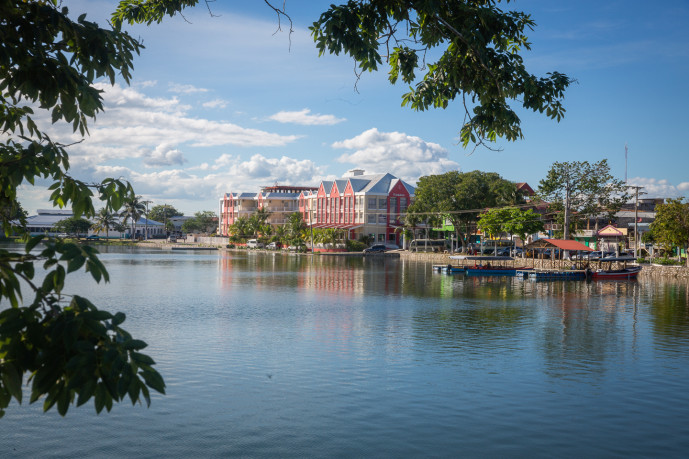
Nestled on Lake Petén Itzá, the charming island of Flores is a gateway to Guatemala’s ancient Maya heartland. Its cobbled streets and pastel-hued buildings evoke a quiet colonial allure, while nearby jungles hide the ruins of Tikal and El Mirador. A blend of history, culture, and natural beauty, Flores invites travelers to linger between exploration and serene lakeside repose.
Faits sur la destination
- Official Name: Flores
- Type of Destination: Island
- Brief Description: A picturesque island town on Lake Petén Itzá, known for its cobblestone streets, colonial charm, and proximity to ancient Maya ruins.
- Location: Northern Guatemala, Petén Department, situated on Lake Petén Itzá near Tikal National Park and El Mirador.
- Year Established/Founded: 1700 (as a Spanish colonial settlement)
- Governing Body/Management: Municipal government of Flores
- Significance/Known For: Gateway to Tikal, a UNESCO World Heritage Site, and a hub for exploring the Petén region's Maya archaeological sites.
- Size/Area: Approximately 1.5 km²
- Population: ~15,000 (including surrounding areas)
- Main Attractions/Key Features:
- Tikal National Park (UNESCO-listed Maya ruins)
- Lake Petén Itzá (scenic boat tours and swimming)
- Santa Elena (connected by causeway, offering local markets)
- Best Time to Visit: November to April (dry season, ideal for exploring ruins and outdoor activities).
- Entrance Fee/Ticket Info: N/A (island access is free; fees apply for specific attractions like Tikal).
- Operating Hours: N/A (accessible year-round)
- Website: N/A (no prominent official website; local tourism offices provide information).
L'essentiel
- Top Attractions: Lake Petén Itzá, Uaxactun, Hoyo El Cimarrón, Tikal National Park, Crater Azul
- Best Months to Visit: December, February, January, March, November, October
Histoire
History of Flores
Flores, a picturesque island nestled in Lake Petén Itzá, is a place where history and myth intertwine. Originally known as Tayasal, it served as the last independent Maya stronghold, resisting Spanish conquest until 1697. The island was a vital center of the Itzá Maya, descendants of the great Maya civilization, who fled the collapsing city-states of the Yucatán Peninsula in the 13th century. Tayasal thrived as a spiritual and political hub until its fall to Spanish forces led by Martín de Ursúa. The colonial town of Flores was later established atop the ruins, blending indigenous and European influences into its cobbled streets and pastel-colored architecture.
Dates historiques clés
- 13th century: The Itzá Maya settle on the island, naming it Tayasal, and establish it as a refuge from regional upheavals.
- 1525: Hernán Cortés visits Tayasal during his expedition to Honduras, encountering the Itzá but leaving them unconquered.
- 1697: Spanish forces under Martín de Ursúa capture Tayasal, marking the end of independent Maya rule in the region.
- 1700s: Flores is founded as a colonial town, its churches and plazas built over the remnants of the Itzá capital.
- 1990s-present: Flores becomes a gateway for travelers exploring the nearby ruins of Tikal and El Mirador, preserving its layered history as a cultural crossroads.
Visites et excursions d'une journée
Tikal National Park: The Crown Jewel of the Maya World
A journey to Flores would be incomplete without a visit to Tikal National Park, a UNESCO World Heritage Site. This ancient Maya city, shrouded in jungle, boasts towering pyramids like Temple IV, which offers panoramic views at sunrise. The park is a 90-minute drive from Flores, making it an ideal day trip. Wildlife enthusiasts may spot howler monkeys and toucans amid the ruins. Perfect for history buffs and nature lovers alike.
Yaxhá-Nakum-Naranjo: The Lesser-Known Maya Triad
For those seeking a quieter alternative to Tikal, the Yaxhá-Nakum-Naranjo complex provides an equally mesmerizing experience. Located about two hours from Flores, this trio of sites features well-preserved temples and plazas, with Yaxhá’s sunset views over its lagoon being particularly sublime. The tour often includes a guided walk through dense rainforest, appealing to adventurers and archaeology aficionados.
El Mirador : La cité perdue des Mayas
A multi-day trek to El Mirador, deep in the Petén jungle, is a pilgrimage for serious explorers. This remote site, accessible via a challenging 5-day hike or helicopter from Flores, is home to the massive La Danta pyramid—one of the largest structures in the ancient world. The journey rewards travelers with unparalleled solitude and a glimpse into the Maya’s early grandeur. Best suited for physically fit travelers with a passion for archaeology.
Lake Petén Itzá: A Serene Escape
Just a short boat ride from Flores, Lake Petén Itzá offers a tranquil contrast to the region’s archaeological intensity. Visitors can kayak to the quiet village of San Miguel, swim in the lake’s crystalline waters, or simply relax on its shores. Ideal for families or those seeking a leisurely day amidst nature.
Uaxactun: Where Maya Astronomy Thrived
The small but significant site of Uaxactun, roughly an hour from Flores, is renowned for its ancient astronomical observatories. Here, the Maya meticulously tracked solstices and equinoxes. The site’s intimate scale allows for a more personal connection to its history, making it a favorite among those who prefer a quieter, scholarly experience.
Quand visiter
Best Time to Visit Flores
Répartition saisonnière
Flores, a picturesque island in Guatemala's Petén Department, experiences a tropical climate with distinct dry and wet seasons. The timing of your visit will significantly influence your experience, from exploring ancient Mayan ruins to navigating the island's vibrant culture.
Dry Season (November – April)
The dry season offers warm, sunny days with temperatures ranging from 25°C to 32°C (77°F to 90°F). Rainfall is minimal, making it ideal for outdoor activities like visiting Tikal National Park or trekking to El Mirador.
- Pros: Optimal conditions for exploring archaeological sites; fewer mosquitoes; clear skies for photography.
- Cons: Higher tourist crowds, especially around Christmas and Easter; elevated accommodation prices.
- Events: Semana Santa (Holy Week) in March or April brings vibrant processions and cultural festivities to Flores and nearby towns.
Wet Season (May – October)
The wet season brings frequent afternoon showers and higher humidity, with temperatures hovering between 23°C and 30°C (73°F to 86°F). Lush greenery blankets the region, but some remote areas may become inaccessible.
- Pros: Fewer tourists; lower prices; dramatic landscapes with blooming flora.
- Cons: Muddy trails; potential delays for transportation; some ruins may be slippery.
- Events: The Petén Carnival in June features parades and local traditions, though heavy rains can occasionally disrupt festivities.
Shoulder Seasons (Late April – Early May, Late October – Early November)
These transitional periods offer a balance between the dry and wet seasons, with moderate rainfall and comfortable temperatures. Crowds thin out, and prices begin to stabilize.
- Pros: Pleasant weather for exploration; fewer disruptions compared to peak wet season.
- Cons: Unpredictable rainfall; some tour operators may reduce services.
Recommandation générale
For those prioritizing archaeological exploration and outdoor activities, November to February is ideal, combining dry weather with manageable crowds. Budget-conscious travelers or those seeking solitude may prefer the early wet season (May–June), when rains are less intense and landscapes are revitalized. Avoid peak holiday periods like Semana Santa if you prefer a quieter experience.
Considérations
Peak season (December–April) sees higher prices and limited availability, while the wet season offers discounts but requires flexibility. Always check road conditions if planning to visit remote sites like El Mirador during the rainy months.
Ce qu'il faut emporter
What to Pack for Flores
Flores, a charming island in Guatemala's Petén Department, is a gateway to ancient Mayan ruins and lush jungles. Packing thoughtfully will ensure comfort during explorations of Tikal, Uaxactun, or El Mirador, where humidity, uneven terrain, and insects are common.
For the Jungle & Archaeological Sites
- Lightweight, Quick-Dry Clothing: The tropical climate demands breathable fabrics that dry quickly after rain or sweat.
- Sturdy Hiking Shoes or Boots: Essential for navigating muddy trails and uneven stone ruins.
- DEET-Based Insect Repellent: Mosquitoes are persistent, especially near water and in dense vegetation.
- Compact Rain Jacket or Poncho: Sudden downpours are frequent, particularly in the rainy season (June–November).
- Wide-Brimmed Hat & Bandana: Protects against sun and sweat during long treks.
For the Island & Town
- Waterproof Sandals: Useful for brief boat rides between Flores and the mainland, or sudden puddles.
- Small Daypack with Dry Bag: Keeps essentials safe during boat trips or unexpected rain.
- Reef-Safe Sunscreen: The lake’s clear waters invite swimming, and sunscreen helps protect both skin and ecosystem.
Extras pratiques
- Headlamp or Small Flashlight: Power outages occasionally occur, and early morning ruins visits benefit from extra light.
- Spanish Phrasebook or App: While English is spoken in tourist areas, basic Spanish phrases ease interactions.
Culture
A Colonial Island Steeped in Maya Heritage
Flores, a petite island town on Lake Petén Itzá, is a captivating blend of colonial charm and living Maya traditions. Unlike the grand ruins of nearby Tikal, Flores wears its history lightly—narrow cobblestone streets, pastel-hued houses, and a tranquil lakeside ambiance evoke a distinctly Mediterranean air, yet the rhythms of daily life remain deeply rooted in Petén’s indigenous heritage. The town’s compact size belies its role as a cultural crossroads, where Q’eqchi’ and Itza Maya communities converge with Guatemalan ladino influences.
Language & Daily Rhythms
Spanish dominates in Flores’ central plazas, but venture to the surrounding barrios or the lakeside village of San Miguel, and you’ll hear Q’eqchi’ or the nearly extinct Itza Maya language, spoken by elders preserving ancestral knowledge. Mornings begin with the scent of woodfire smoke and tortillas de maíz pressed by hand—a ritual unchanged for centuries. The mercado municipal buzzes with women in huipiles embroidered with Petén’s signature floral motifs, bartering for ramón nuts, a pre-Columbian staple still harvested from local forests.
Cuisine: A Taste of Petén’s Wilderness
Flores’ culinary identity diverges from Guatemala’s highland traditions. Lake fish like pescado blanco, grilled whole with achiote, reign supreme, often served with tayuyos—thick, bean-stuffed tortillas unique to the region. Don’t miss:
- Caldo de gallina indígena: A rustic chicken soup infused with chaya (local greens) and smoked chili.
- Pan de coco: Sweet coconut bread sold by street vendors at dusk, best enjoyed with views of the lake.
- Balché: A ceremonial fermented drink made from tree bark, occasionally offered at Maya celebrations.
Festivals & Sacred Geography
Fiesta de la Virgen de Guadalupe
Each December, Flores transforms for its patron saint celebration. Processions of cofradías (religious brotherhoods) carry the Virgin’s effigy across the causeway, accompanied by marimba and the thunderous tun-tun of traditional drums. Masked dancers perform the Baile de los Moros, a colonial-era allegory blending Catholic and Maya symbolism.
Ceremonial Caves & Pilgrimages
The limestone hills around Flores hold sacred caves like Actun Can, where Maya priests still conduct ceremonias with copal incense. Visitors may glimpse offerings of candles and posole (corn gruel) left at altars—a quiet testament to enduring spiritual ties to the land.
Artisan Traditions with a Petén Flair
While less commercialized than highland weaving cooperatives, Flores’ artisans produce distinctive crafts:
- Jícaras: Gourds etched with intricate scenes of jungle wildlife, often used for drinking atol.
- Bejuco baskets: Woven from forest vines in geometric patterns passed down through Itza families.
- Repujado: Hammered tin mirrors and frames depicting Maya glyphs, a colonial craft adapted to local iconography.
Visitor Etiquette: Respectful Engagement
The intimacy of Flores demands cultural sensitivity:
- Always ask permission before photographing ceremonies or individuals in traditional dress.
- When visiting Maya sites, refrain from touching altars or ritual objects.
- Bargain gently in markets—prices here are less inflated than in tourist-heavy Antigua.