Rosario Islands
A tropical paradise off Colombia's Caribbean coast, the Rosario Islands boast crystal-clear waters, vibrant coral reefs, and pristine white-sand beaches, perfect for snorkeling, diving, and serene island escapes.
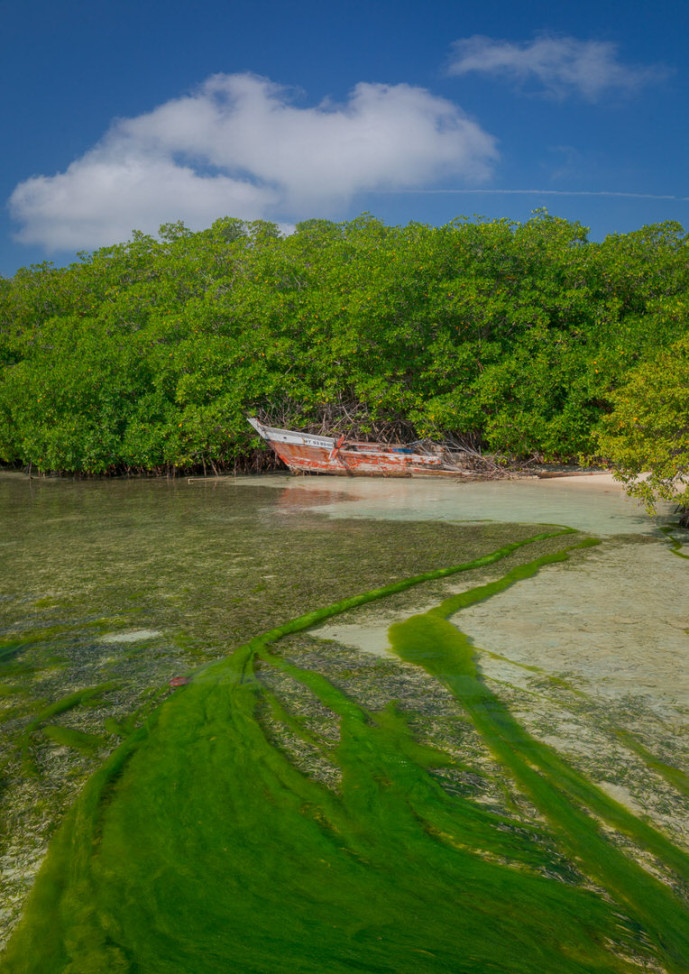
Just off Colombia’s Caribbean coast, the Rosario Islands unfold like a whispered secret—a mosaic of coral-fringed islets where turquoise waters meet untouched beaches. Part of a protected marine park, this archipelago invites slow exploration: snorkel among vibrant reefs, linger in hammocks under coconut palms, and surrender to the rhythm of the sea. A sanctuary of simplicity, where nature writes the itinerary.
Faits sur la destination
- Official Name: Islas del Rosario (Archipiélago de Nuestra Señora del Rosario)
- Type of Destination: Island (archipelago)
- Brief Description: A pristine Caribbean archipelago renowned for its coral reefs, turquoise waters, and protected marine ecosystems, offering a tranquil escape near Cartagena.
- Location: Caribbean Sea, approximately 45 km southwest of Cartagena, within the Bolívar Department of Colombia.
- Year Established/Founded: N/A (naturally formed archipelago)
- Governing Body/Management: Managed under Colombia's National Natural Parks System, with parts designated as the Corales del Rosario y San Bernardo National Natural Park.
- Significance/Known For: A UNESCO-protected biosphere reserve, celebrated for its biodiverse coral reefs, mangrove forests, and crystal-clear waters ideal for snorkeling and diving.
- Size/Area: The archipelago spans roughly 20 hectares, with the national park covering around 1,200 km² of marine area.
- Population: Minimal permanent population; primarily visited by tourists and local fishermen.
- Main Attractions/Key Features:
- Playa Blanca: A postcard-perfect white-sand beach with shallow, luminous waters.
- Oceanario Islas del Rosario: A marine aquarium showcasing regional aquatic life.
- Coral reefs: Vibrant underwater ecosystems teeming with tropical fish and marine species.
- Best Time to Visit: December to April (dry season), though warm temperatures and water clarity make it appealing year-round.
- Entrance Fee/Ticket Info: Yes, fees apply for park entry and certain attractions; check official park guidelines.
- Operating Hours: Day visits typically from sunrise to sunset; overnight stays require arrangements at local lodgings.
- Website: parquesnacionales.gov.co (for park details)
L'essentiel
- Mois les plus propices à la visite : Décembre, février, janvier, mars, novembre
Histoire
History of the Rosario Islands
The Rosario Islands, an archipelago of 27 small coral islands off the coast of Cartagena, have long been a jewel of Colombia's Caribbean coast. Their history is intertwined with the region's maritime heritage, ecological significance, and the strategic importance of the Caribbean during colonial times. Originally inhabited by indigenous peoples, the islands later became a refuge for pirates and privateers before evolving into a protected natural park and a haven for travelers seeking pristine beaches and vibrant marine life.
Dates historiques clés
- Pre-Columbian Era: The islands were likely inhabited by the Carib and other indigenous groups, who relied on fishing and trade with mainland communities.
- 16th–18th Centuries: During the Spanish colonial period, the Rosario Islands served as a hideout for pirates targeting Cartagena's treasure fleets. The Spanish built fortifications on nearby islands to protect their interests.
- 1977: The Colombian government declared the archipelago a National Natural Park (Parque Nacional Natural Corales del Rosario y San Bernardo) to preserve its coral reefs and marine biodiversity.
- Late 20th Century: The islands began attracting eco-tourists and divers, drawn by their clear waters and thriving coral ecosystems.
Visites et excursions d'une journée
Popular Tours & Day Trips from the Rosario Islands
1. Snorkeling at Isla Grande
Just a short boat ride from the Rosario Islands, Isla Grande offers some of the most vibrant coral reefs in the Caribbean. Travelers can explore underwater gardens teeming with tropical fish, sea turtles, and even rays. The excursion typically lasts half a day, making it ideal for families and casual adventurers. The shallow, clear waters ensure a safe and mesmerizing experience for all skill levels.
2. Sunset Sailing to Barú
A serene escape, this sailing trip takes visitors along the coast to Barú, where the golden hues of sunset reflect off the Caribbean Sea. The journey includes stops at secluded coves and a light picnic with fresh local fruits. Perfect for couples or those seeking tranquility, the tour lasts about four hours and often concludes with a view of the islands silhouetted against the twilight sky.
3. Mangrove Kayaking in the National Park
Within the Corales del Rosario National Park, guided kayak tours wind through labyrinthine mangrove forests, revealing a delicate ecosystem of birds, crabs, and darting fish. The quiet paddling experience, lasting two to three hours, suits nature enthusiasts and photographers. The guides share insights into the mangroves' ecological importance, adding depth to the adventure.
4. Visit to Playa Blanca
Accessible by a brief boat transfer, Playa Blanca is a postcard-perfect stretch of white sand fringed by palm trees. Day-trippers can lounge under rustic beach umbrellas, swim in crystalline waters, or sample grilled seafood from local vendors. The trip is flexible, often lasting until late afternoon, and appeals to sun-seekers and those craving simplicity.
5. Bioluminescent Lagoon Tour
After dusk, a short journey to the lagoon near Isla Barú reveals nature’s magic: microscopic organisms light up the water with an ethereal glow. Visitors can wade or paddle through the shimmering currents, an experience best enjoyed on moonless nights. This one-of-a-kind tour, lasting about three hours, captivates romantics and curious minds alike.
6. Traditional Fishing with Locals
For a taste of island life, join local fishermen in their wooden boats to cast nets or handlines. This immersive half-day activity includes learning age-old techniques and, if luck permits, cooking the catch on a beachside fire. It’s a rare opportunity for cultural exchange, particularly rewarding for travelers interested in authentic interactions.
Quand visiter
Seasonal Breakdown: Climate and Timing
The Rosario Islands, nestled in Colombia's Caribbean Region, enjoy a tropical climate with distinct dry and wet seasons. Unlike temperate destinations, the islands operate on a rhythm of sunshine, humidity, and occasional rain showers. The best time to visit depends on your tolerance for heat, crowds, and preference for serene or lively atmospheres.
Dry Season (December – April)
This period brings the most reliable weather, with temperatures averaging 28–32°C (82–90°F) and minimal rainfall. Days are sun-drenched, ideal for snorkeling, diving, and beach lounging. The sea is calm, offering crystalline waters for exploring coral reefs.
- Pros: Peak conditions for water activities; vibrant marine life visibility; festive atmosphere.
- Cons: Higher tourist traffic, especially in December and January; elevated accommodation prices.
- Events: The Carnival of Barranquilla (February/March) spills over to nearby islands, infusing the region with music and dance.
Wet Season (May – November)
Rainfall increases, particularly in October and November, though showers are often brief and followed by sunshine. Temperatures remain warm (26–30°C / 79–86°F), with higher humidity. This season is lush and less crowded.
- Pros: Lower prices and fewer tourists; verdant landscapes; occasional dramatic skies.
- Cons: Some boat tours may be disrupted by rough seas; mosquitoes are more active.
- Events: Local fiestas in Cartagena (November) offer cultural immersion without the peak-season bustle.
Shoulder Seasons (Late April – Early June, September – Early November)
These transitional months blend the best of both worlds: manageable crowds, reasonable prices, and relatively stable weather. September, in particular, is a hidden gem—rain tapers off, and the islands regain their post-summer tranquility.
Recommandation générale
For optimal weather and activities, visit between December and April. If you prefer solitude and value, late April to early June or September to early November are ideal. Avoid October if heavy rainfall concerns you, though even then, mornings often remain clear.
Considérations
The Rosario Islands' peak season aligns with Colombian holidays (December–January, Easter). Expect higher prices and booked-out lodgings. Off-peak months offer quieter beaches but reduced ferry schedules. Always check for hurricane warnings (rare but possible August–October).
Ce qu'il faut emporter
Essentials for the Rosario Islands
The Rosario Islands, a Caribbean archipelago off Colombia’s coast, demand a blend of practicality and lightness. The tropical climate, marine activities, and island terrain call for thoughtful packing.
For the Sun & Sea
- High-SPF waterproof sunscreen: The Caribbean sun is intense, and reef-safe options are preferable to protect marine life.
- Quick-dry swimwear & cover-up: Multiple swim sets are ideal for frequent dips and boat trips.
- Wide-brimmed hat & polarized sunglasses: Essential for glare reduction on the water.
- Lightweight rash guard: Protects against sunburn during snorkeling or kayaking.
For Island Terrain
- Sturdy sandals or water shoes: Coral fragments and rocky shores make flip-flops impractical.
- Compact dry bag: Keeps electronics and essentials safe during boat transfers or sudden rain.
For Comfort & Convenience
- Microfiber towel: Lightweight and quick-drying for beach visits.
- Reef-safe insect repellent: Evening breezes can bring mosquitoes.
- Collapsible tote or mesh bag: Handy for carrying shells, snacks, or market finds.
Culture
A Maritime Culture Shaped by Isolation
The Rosario Islands, an archipelago of 27 coral islands off Colombia’s Caribbean coast, have developed a distinct cultural identity shaped by their geographical isolation and reliance on the sea. Unlike the bustling mainland cities, life here moves to the rhythm of tides and fishing nets. The islands’ Afro-Caribbean and Raizal communities—descendants of African slaves and Indigenous peoples—have preserved traditions rooted in oral storytelling, artisanal fishing, and a deep connection to the ocean.
Language & Oral Traditions
While Spanish is the dominant language, the islanders’ speech carries a melodic lilt infused with remnants of Creole expressions and nautical terminology unique to the archipelago. Fishermen often use terms like "varear" (to row with a single oar) or "enmangar" (to prepare fishing lines), reflecting their intimate relationship with the sea. Elders pass down tales of "La Llorona del Mar", a local legend of a weeping woman who appears during storms, blending African and Indigenous folklore.
Cuisine: A Taste of the Sea
The Rosario Islands’ cuisine is a testament to simplicity and freshness. Dishes here avoid the heavy spices of Cartagena’s mainland kitchens, favoring the natural flavors of just-caught seafood. Signature preparations include:
- Pescado frito entero – Whole fried fish, often red snapper or mojarra, served with coconut rice and patacones (fried plantains).
- Arroz de coco con chipichipi – Coconut rice paired with tiny clams harvested at low tide.
- Bollos de mazorca – Steamed corn dumplings wrapped in banana leaves, a staple brought by Afro-Colombian settlers.
Meals are often shared communally on beaches, with fishermen’s wives selling plates from makeshift wooden stalls near the docks.
Music & Dance: Echoes of the Ancestors
The islands’ musical traditions are an understated yet vital part of daily life. Unlike the frenetic champeta of Cartagena, Rosario’s rhythms lean toward bullerengue, an Afro-Colombian genre marked by hand drums (alegres and llamadores) and call-and-response vocals. During festivals like the Fiesta de la Virgen del Carmen (July), fishermen parade decorated boats while dancers perform mapalé, a rapid-fire dance mimicking the movements of fish.
Artisanal Craftsmanship
With limited resources, islanders have mastered utilitarian artistry. Look for:
- Chinchorros – Handwoven hammocks using salvaged fishing nets, often dyed with natural pigments from mangrove bark.
- Miniature canoe carvings – Made from driftwood, these are sold as tokens of safe passage by local artisans.
Coutumes sociales et étiquette
Visitors should note the islands’ unhurried pace and respect for privacy. A few nuances:
- Greet elders with a polite "Buenos días/tardes" before asking questions.
- It’s customary to decline food or drink twice before accepting—a gesture of humility.
- Photographing fishermen at work requires permission; their techniques are guarded family secrets.
Environmental Stewardship as Culture
The Rosario Islands’ UNESCO-protected coral reefs have fostered a conservation ethos. Locals practice "pesca con conciencia" (conscious fishing), using selective nets to protect juvenile fish. Many refuse to sell lobster out of season, despite tourist demand—a quiet act of resistance against unsustainable tourism.