Île du Soleil
A sacred island in Lake Titicaca, Isla del Sol is Bolivia's legendary birthplace of the sun. Explore ancient Inca ruins, terraced hillsides, and stunning views of the Andes from this serene, spiritual retreat.
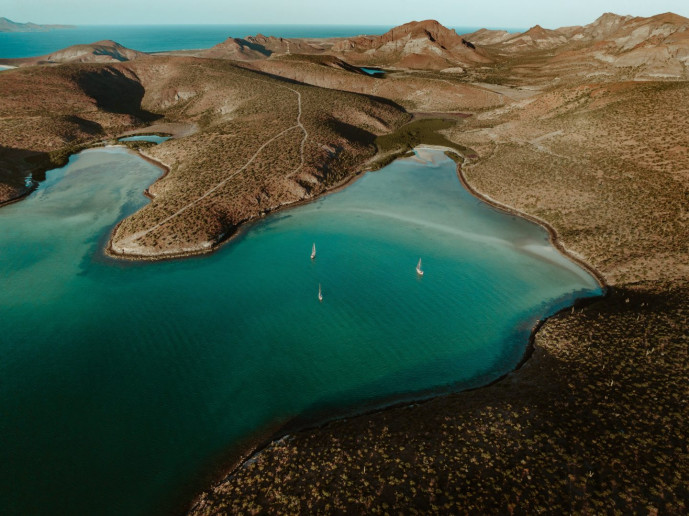
Nestled in the sapphire waters of Lake Titicaca, Isla del Sol is Bolivia's sacred island, where ancient Inca legends whisper through terraced hills and sun-baked ruins. A place of quiet mystique, it offers rugged trails, timeless villages, and panoramic vistas that stretch to the horizon. Here, history and nature intertwine, inviting travelers to step into a landscape untouched by modernity.
Faits sur la destination
- Official Name: Isla del Sol (also known as Island of the Sun)
- Type of Destination: Region (Island and cultural-historic site)
- Brief Description: A sacred island in Lake Titicaca, steeped in Inca mythology and dotted with ancient ruins, terraced hillsides, and traditional Aymara villages.
- Location: Lake Titicaca, La Paz Department, Western Bolivia (near the Copacabana Peninsula)
- Year Established/Founded: N/A (Inhabited since pre-Columbian times; significant Inca occupation in the 15th century)
- Governing Body/Management: Local indigenous communities and Bolivian government
- Significance/Known For: Believed by the Inca to be the birthplace of the sun god Inti; home to archaeological sites like the Chincana labyrinth and the Sacred Rock.
- Size/Area: Approximately 14.3 km² (5.5 sq mi)
- Population: Around 800 families, primarily of Aymara descent
- Main Attractions/Key Features:
- Inca ruins (Pilko Kaina, Chincana complex)
- Sacred Rock and ceremonial sites
- Scenic hiking trails with panoramic lake views
- Best Time to Visit: April to October (dry season, clear skies, mild temperatures)
- Entrance Fee/Ticket Info: Yes, a small fee is charged upon arrival (varies by entry point)
- Operating Hours: Accessible during daylight hours; overnight stays permitted in guesthouses
- Website: N/A (No prominent official site; local tour operators provide information)
L'essentiel
- Mois les plus propices à la visite : Décembre, février, janvier, novembre
Histoire
History of Isla del Sol
Nestled in the crystalline waters of Lake Titicaca, Isla del Sol (Island of the Sun) is a place where myth and history intertwine. Revered as the birthplace of the sun in Inca cosmology, this rugged island has been a sacred site for millennia. The Tiwanaku culture, predecessors to the Inca, left their mark here as early as 500 BCE, but it was the Inca who elevated the island to spiritual prominence, constructing temples, terraces, and pilgrimage routes. Spanish colonization brought upheaval, yet the island's indigenous communities preserved its legacy. Today, its archaeological ruins and timeless villages whisper stories of empires and endurance.
Dates historiques clés
- 500 BCE–1000 CE: The Tiwanaku civilization establishes early settlements on Isla del Sol, leaving behind ceremonial artifacts and agricultural terraces.
- 15th century: The Inca Empire, under Pachacuti, declares the island a sacred site, building the Pilko Kaina temple and the Chincana labyrinth to honor Inti, the sun god.
- 1533: Spanish conquistadors arrive, dismantling Inca structures and repurposing stones for colonial churches, yet local Aymara communities resist cultural erasure.
- 19th century: Isla del Sol becomes a quiet refuge, its villages sustaining traditional fishing and farming practices amid Bolivia's turbulent independence era.
- 20th century–present: Archaeological rediscovery and UNESCO recognition solidify the island's status as a cultural treasure, drawing pilgrims and travelers alike.
Visites et excursions d'une journée
Classic Island Exploration: North to South
A journey across Isla del Sol from its northern to southern shores is a pilgrimage through Inca mythology and breathtaking landscapes. The trail passes the Sacred Rock, where legend claims the sun god was born, and winds past terraced hillsides and ancient ruins like Chincana, a labyrinthine temple complex. The hike takes 3–4 hours, with stunning views of Lake Titicaca. Ideal for history enthusiasts and those seeking a moderate physical challenge.
Boat Excursion to Isla de la Luna
Just a short boat ride from Isla del Sol, the smaller Isla de la Luna (Moon Island) holds the ruins of the Iñak Uyu, a temple dedicated to Inca priestesses. The island’s serene atmosphere and lesser-visited trails make it a peaceful contrast to its more famous neighbor. Tours typically include a guided explanation of the site’s spiritual significance. Suitable for travelers interested in archaeology and quiet reflection.
Sunset Sailing on Lake Titicaca
For a different perspective of the lake, traditional wooden sailboats depart from Isla del Sol in the late afternoon, offering unobstructed views of the Andes bathed in golden light. The gentle glide across the water, accompanied by local guides sharing stories of the lake’s cultural importance, creates an intimate experience. Perfect for couples or photographers seeking the magic of twilight.
Kayaking to the Yumani Staircase
Active travelers may opt for a kayak excursion along the coastline, culminating at the iconic Yumani Staircase, a steep stone path leading to the island’s highest village. Paddling past secluded coves and floating totora reeds provides a closer connection to the lake’s natural beauty. The tour lasts 2–3 hours and requires basic physical fitness.
Cultural Immersion in Challapampa Village
A visit to Challapampa, a traditional Aymara village on Isla del Sol’s northern end, offers insight into daily life on the lake. Local families occasionally welcome visitors for weaving demonstrations or shared meals of quinoa and fresh trout. The experience is unscripted and deeply authentic, best suited for those curious about indigenous traditions.
Quand visiter
Répartition saisonnière
Isla del Sol, nestled in the high-altitude waters of Lake Titicaca, experiences distinct dry and wet seasons, each offering unique advantages for travelers. The region's climate is influenced by its elevation (approximately 3,800 meters above sea level), resulting in cool temperatures year-round with sharp contrasts between day and night.
Dry Season (May–October)
The dry season brings crisp, sunny days with minimal rainfall. Temperatures range from 5°C (41°F) at night to 18°C (64°F) during the day, though frost is possible in June and July. Skies are often brilliantly clear, offering stunning views of the lake and surrounding Andes.
- Pros: Ideal for hiking and exploring the island’s Inca ruins; trails are dry and accessible. Fewer mosquitoes and lush landscapes from residual wet-season rains.
- Cons: Cold nights require warm clothing. Peak tourist season (June–August) may mean crowded boats and higher accommodation prices.
- Events: The winter solstice (June 21) is celebrated with traditional Aymara ceremonies, attracting visitors seeking cultural immersion.
Wet Season (November–April)
Warmer but unpredictable, with frequent afternoon showers and occasional thunderstorms. Daytime temperatures reach 20°C (68°F), while nights hover around 8°C (46°F). Humidity rises, and the island’s terraced hillsides turn vibrant green.
- Pros: Fewer tourists and lower prices. The landscape is at its most lush, with wildflowers in bloom (especially November–December).
- Cons: Trails can be muddy and slippery; boat crossings may be delayed due to rough waters. Some rural lodgings close in February, the rainiest month.
- Events: Alasitas (January 24), a festival of miniatures, spills over from La Paz to nearby Copacabana, blending indigenous and Catholic traditions.
Recommandation générale
The dry season (May–October) is best for those prioritizing outdoor activities and reliable weather, particularly May or September–October, when crowds thin. For solitude and verdant landscapes, the early wet season (November–December) is enchanting, though travelers should pack for rain. Avoid February if hiking is a priority.
Considérations
Peak season (June–August) sees higher prices for lodging and tours, while the wet season offers bargains but reduced services. Regardless of timing, acclimatization to altitude is essential—plan a night in Copacabana before crossing to the island.
Ce qu'il faut emporter
What to Pack for Isla del Sol
Isla del Sol, a rugged and sacred island in Lake Titicaca, demands thoughtful preparation. The high-altitude terrain, unpredictable weather, and cultural significance of the region call for a few carefully chosen items.
Essentials for the Journey
- Sturdy Hiking Shoes: The island’s rocky paths and steep inclines require reliable footwear with good traction.
- Layered Clothing: Days can be warm under the Andean sun, but temperatures drop sharply at night. Pack a lightweight fleece or down jacket.
- Wide-Brimmed Hat & Sunglasses: The high-altitude sun is intense, even on overcast days.
- Reusable Water Bottle: Staying hydrated is crucial at 3,800 meters above sea level. Refill stations are limited, so consider a portable filter.
Practical Additions
- Small Backpack: Ideal for carrying essentials during day hikes, as you’ll likely explore on foot.
- Basic First Aid Kit: Include altitude sickness remedies like coca leaves or medication, as well as blister plasters for long walks.
- Cash in Small Bills: Many local vendors and boat operators do not accept cards, and change can be scarce.
Respectful Considerations
- Modest Clothing: If visiting villages or sacred sites, avoid revealing attire out of respect for local customs.
- Offering for Pachamama: A small token like coca leaves or a natural item can be left as a gesture of respect at ceremonial sites.
Culture
The Sacred Island of the Inca
Isla del Sol, floating on the crystalline waters of Lake Titicaca, is more than a destination—it is a living testament to Andean cosmology. According to Inca mythology, this is where the sun god Inti first rose, birthing the Inca civilization. The island remains deeply spiritual, with its Aymara and Quechua communities preserving rituals tied to Pachamama (Mother Earth) and the apus (mountain spirits). Visitors will notice chullpas (ancient burial towers) and ceremonial sites like the Roca Sagrada, where offerings of coca leaves and alcohol are still made.
Architecture & Craftsmanship
The island’s stone pathways and terraced hillsides reveal pre-Columbian engineering prowess. Unlike the colonial influences seen elsewhere in Bolivia, Isla del Sol’s villages—such as Yumani and Challapampa—retain traditional adobe and thatch-roofed homes, built without modern tools. Local artisans craft textiles from alpaca wool, dyed with natural pigments like cochineal, and carve totora reed boats, a skill passed down since the time of the Tiwanaku culture.
Festivals & Daily Rituals
Time here moves to the rhythm of agrarian cycles and Catholic syncretism. The Fiesta de la Cruz (May 3) blends Spanish colonial rites with indigenous harvest celebrations, featuring brass bands and masked dancers. Each morning, women in polleras (layered skirts) and bowler hats scatter flower petals on Lake Titicaca as an offering, while fishermen whisper prayers to Ekeko, the god of abundance.
Etiquette des visiteurs
- Ask permission before photographing locals or sacred sites—a nod or "¿Puedo?" suffices.
- Walk clockwise around ruins, following Andean spiritual tradition.
- Accept coca leaves if offered; it’s a gesture of trust.
Cuisine of the Lake
The island’s isolation fosters a cuisine distinct from mainland Bolivia. Trucha (rainbow trout) is served fresh from the lake, grilled with quinoa and wild muña (Andean mint). At dawn, villagers drink api morado, a warm purple corn beverage, with humintas (sweet tamales). Unlike the spicy dishes of La Paz, flavors here are earthy and subtle, shaped by the altitude and scarcity of spices.