Kogui Village
A hidden gem in Magdalena, Kogui Village offers a rare glimpse into the ancient traditions of the indigenous Kogui people, nestled amid the breathtaking landscapes of Sierra Nevada’s western slopes.
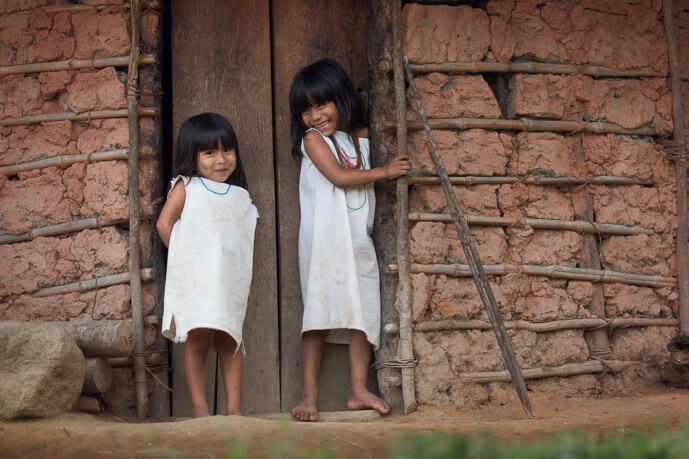
Nestled on the verdant slopes of Colombia’s Sierra Nevada, the Kogui Village offers a rare glimpse into an ancient way of life. The Kogui people, guardians of ancestral wisdom, live in harmony with the sacred mountains, their traditions untouched by time. A visit here is a quiet journey into the heart of indigenous culture, where simplicity and spirituality weave together under the Caribbean sky.
Faits sur la destination
- Official Name: The Kogui people refer to themselves as “Kággaba” or “Jaba,” meaning “jaguar.”
- Type of Destination: Indigenous Tribe
- Brief Description: A remote and spiritually significant settlement of the Kogui people, an indigenous group preserving pre-Columbian traditions in the Sierra Nevada de Santa Marta.
- Location: West face of the Sierra Nevada de Santa Marta, Magdalena Department, Caribbean Region, Colombia.
- Significance/Known For: The Kogui are revered as guardians of the “Heart of the World,” maintaining ancestral knowledge and sustainable practices to protect the Sierra Nevada’s ecosystems.
- Main Attractions/Key Features:
- Sacred sites and ceremonial spaces linked to their cosmology.
- Traditional thatched-roof huts (bohíos) and terraced agriculture.
- Opportunities for cultural exchange with the Mamos (spiritual leaders).
- Best Time to Visit: Dry season (December–March) for easier access, though visits require prior permission and cultural sensitivity.
- Entrance Fee/Ticket Info: N/A (Visits are restricted; arrangements must be made through authorized indigenous guides or organizations.)
- Website: N/A (The Kogui do not maintain an official online presence; inquiries are handled through local NGOs or the Colombian Ministry of Culture.)
L'essentiel
- Mois les plus propices à la visite : Décembre, février, janvier, novembre
Histoire
History of Kogui Village on the West Face of Sierra Nevada
Nestled on the western slopes of the Sierra Nevada de Santa Marta, the Kogui Village is home to the Kogui people, one of the last surviving descendants of the ancient Tairona civilization. The Kogui, along with the Wiwa, Arhuaco, and Kankuamo, form the four indigenous groups of the Sierra Nevada, collectively known as the “Elder Brothers” who have preserved their spiritual and cultural traditions for centuries. The village itself is a living testament to their resilience, having endured Spanish colonization, missionary influence, and modern encroachments while maintaining their deep connection to the land they call Aluna, the spiritual heart of the world.
The Kogui’s history is intrinsically tied to the Sierra Nevada, a mountain range they believe was created by their ancestors as a microcosm of the universe. Their villages, including this one on the west face, are strategically placed to maintain harmony with the natural and spiritual realms. The Kogui have long resisted assimilation, retreating to higher altitudes during the Spanish conquest to avoid forced labor and religious conversion. Today, their village remains a sanctuary of traditional practices, governed by Mamos (spiritual leaders) who guide their people in upholding the “Law of Origin,” a sacred mandate to protect the balance of nature.
Dates historiques clés
- Pre-1500s: The Kogui and other Tairona descendants thrive in the Sierra Nevada, building terraced cities and maintaining advanced agricultural systems before Spanish contact.
- 1525: Spanish conquistadors, led by Rodrigo de Bastidas, arrive in the region, leading to violent conflicts and the eventual displacement of the Kogui to higher elevations.
- 1600s-1700s: The Kogui resist missionary efforts, preserving their spiritual traditions despite colonial pressures and the near-destruction of the lowland Tairona settlements.
- Early 20th century: Increased external contact with settlers and explorers challenges the Kogui’s isolation, though their villages remain largely autonomous.
- 1990s-Present: The Kogui actively engage in environmental and cultural advocacy, declaring the Sierra Nevada a “Heart of the World” and working to protect it from deforestation and tourism-related threats.
Visites et excursions d'une journée
Kogui Village Cultural Immersion
A journey into the heart of the Kogui indigenous community offers travelers a rare glimpse into a way of life deeply connected to the Sierra Nevada de Santa Marta. Guided by Kogui elders, visitors learn about their spiritual traditions, sustainable agriculture, and the sacred relationship with nature. This half-day experience is ideal for those seeking cultural depth and quiet reflection.
Randonnée vers la cité perdue (Ciudad Perdida)
Beginning near Kogui Village, this multi-day trek leads adventurers through lush jungle and river valleys to the ancient Tayrona ruins of Ciudad Perdida. The route passes Kogui settlements, offering insights into their guardianship of the land. Suitable for physically fit travelers, the journey spans 4 to 6 days, with nights spent in rustic camps.
Birdwatching in the Sierra Nevada Foothills
The forests surrounding Kogui Village are home to endemic species like the Sierra Nevada parakeet and the Santa Marta sabrewing hummingbird. A morning excursion with a local guide reveals these treasures, along with sweeping views of the Caribbean coast. Perfect for nature enthusiasts, the tour lasts approximately 3 hours.
Sacred Lagoon of Mamancana
A short hike from the village leads to this tranquil lagoon, revered by the Kogui as a spiritual site. Visitors may participate in a brief purification ritual, followed by time to absorb the serene atmosphere. The excursion, lasting 2 to 3 hours, suits those drawn to quiet landscapes and indigenous cosmology.
Cacao Workshop in a Kogui Family Home
In a small-group setting, learn the traditional methods of cultivating and preparing cacao, a crop central to Kogui culture. Participants grind beans and share a ceremonial drink, followed by stories of its significance. This intimate 2-hour activity appeals to culinary and cultural travelers alike.
Quand visiter
Répartition saisonnière
The climate around Kogui Village on the west face of Sierra Nevada de Santa Marta is influenced by its tropical highland setting, with distinct dry and wet seasons rather than traditional four-season cycles. The region’s weather is also shaped by its elevation and proximity to the Caribbean coast.
Saison sèche (décembre – mars)
This period sees less rainfall and more stable weather, with daytime temperatures ranging from 18°C to 25°C (64°F to 77°F) and cooler nights. Humidity is lower, making trekking and outdoor activities more comfortable.
- Pros: Ideal for hiking and cultural immersion; trails are less muddy, and visibility is clearer for panoramic views.
- Cons: Higher tourist activity, particularly in December and January, may require advance arrangements with local guides.
Saison des pluies (avril – novembre)
Rainfall increases, peaking between May and October, with temperatures slightly warmer (20°C to 27°C / 68°F to 81°F). Mornings often start clear, with afternoon showers.
- Pros: Lush landscapes and fewer visitors create a more intimate experience. The Kogui people’s agricultural activities are in full swing, offering unique cultural insights.
- Cons: Trails can be slippery, and heavy rains may disrupt travel plans. Some routes to the village may become inaccessible.
Local Events & Considerations
The Kogui, an indigenous community with deep spiritual ties to the land, follow their own lunar calendar. While they do not host tourist-oriented festivals, visitors may witness ceremonies tied to agricultural cycles, particularly during the June solstice or September equinox, when rituals honoring the “Great Mother” are performed. Respectful observation is possible with prior permission.
Recommandation générale
The dry season (December–March) is optimal for those prioritizing ease of travel and clearer skies. However, the shoulder months of November or April offer a balance of manageable weather and solitude. For travelers seeking a deeper connection to Kogui traditions, the wet season reveals the community’s rhythm amid verdant landscapes, though flexibility is essential.
Considérations pratiques
- Peak tourist months (December–January) may require booking guides or accommodations in advance.
- Visits during the wet season should include waterproof gear and patience for itinerary adjustments.
- Regardless of season, respectful engagement with the Kogui—guided by their protocols—is paramount.
Ce qu'il faut emporter
What to Pack for Kogui Village
Visiting the Kogui Village in the Sierra Nevada demands thoughtful preparation. The terrain is rugged, the climate varies with altitude, and cultural sensitivity is paramount. Here are the essentials tailored for this unique experience.
Clothing & Footwear
- Lightweight, long-sleeved clothing: Protects against sun and insects while respecting the Kogui people’s modest dress customs.
- Sturdy hiking boots: The trails are uneven and often muddy, requiring reliable traction.
- Rainproof jacket: Sudden downpours are common in the Sierra Nevada’s microclimates.
- Warm layers (fleece or wool): Nights can be chilly, especially at higher elevations.
Équipement pratique
- Reusable water bottle with purification tablets: Freshwater sources may require treatment.
- Headlamp or flashlight: Electricity is limited in the village; essential for nighttime.
- Biodegradable soap and toiletries: To minimize environmental impact in this ecologically sensitive area.
- Small backpack: For day trips, carrying offerings or gifts for the community.
Considérations culturelles
- Natural-fiber gifts (e.g., unbleached cotton cloth): Traditional offerings are appreciated; avoid plastic or synthetic items.
- Notebook and pen: For jotting down insights—photography may be restricted without permission.
Culture
The Kogui: Guardians of the Sierra Nevada
Nestled on the western slopes of Colombia’s Sierra Nevada de Santa Marta, the Kogui village is home to an indigenous community that has preserved its pre-Columbian traditions with remarkable continuity. The Kogui, or “Elder Brothers” as they call themselves, consider the Sierra Nevada the heart of the world, a sacred space where ecological and spiritual balance must be maintained. Unlike many indigenous groups in the Caribbean region, the Kogui have resisted assimilation, living in secluded villages accessible only by arduous mountain trails.
Spiritual Connection to the Land
The Kogui worldview revolves around Aluna, the spiritual essence of nature. Their mamos (spiritual leaders) conduct rituals to “pay” the earth for its resources, using offerings of coca leaves, seashells, and woven bags. Visitors may observe small ceremonial huts (nuhue) where these rituals take place, though participation is rare unless explicitly invited.
- Respect sacred sites: Do not touch ritual objects or enter restricted areas without permission.
- Photography etiquette: Always ask before photographing people or ceremonies.
Distinctive Material Culture
Weaving as Cosmic Art
Kogui women craft mochilas (woven bags) using techniques unchanged for centuries. Each bag’s geometric patterns represent cosmological concepts, with specific designs tied to this village’s lineage. The natural cotton is hand-spun using spindle whorls made from local gourds.
Architecture of Harmony
Circular thatched houses (bohíos) are built without nails, their construction following sacred geometry. Unlike neighboring Arhuaco villages, the western Kogui often incorporate distinctive split-palm roofing techniques adapted to their specific microclimate.
Structure sociale et vie quotidienne
The village operates as a collective, with labor divided by gender and age. Men typically tend fields of maize and yuca while women manage household and weaving. Children begin learning their roles around age 4. A unique feature of this western village is the shared chirwa (communal storage hut) where harvests are distributed equally among families.
Visiting with Awareness
The Kogui generally welcome respectful visitors but maintain strict boundaries. Their concept of pagamento (spiritual payment) means they may request small offerings (usually candies or coca leaves) in exchange for sharing knowledge. Unlike tourist-oriented villages near Ciudad Perdida, this western settlement maintains more traditional practices with less outside influence.
- Dress modestly: Avoid shorts or revealing clothing to respect local norms.
- Gift thoughtfully: Bring unbleached cotton thread or organic seeds rather than money or processed foods.