El Valle
A hidden gem in Colombia's Chocó Department, El Valle (Bahía Solano) offers pristine beaches, lush rainforests, and vibrant marine life—perfect for eco-tourism, whale watching, and serene tropical escapes.
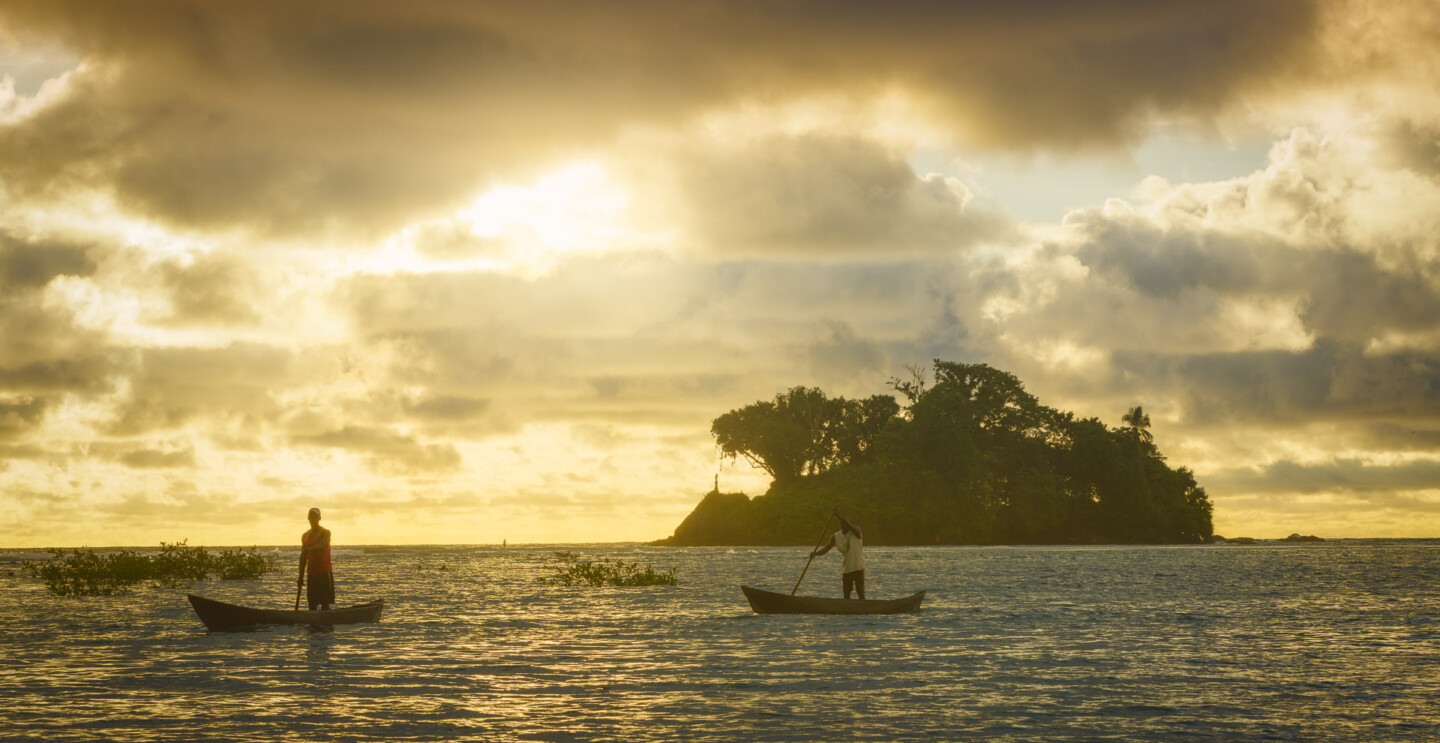
Nestled along Colombia's untamed Pacific coast, El Valle (Bahía Solano) is a tranquil fishing village where emerald jungle meets golden sands. Here, humpback whales breach in the distance, and the rhythm of Afro-Colombian culture pulses through its streets. A haven for nature lovers, it offers pristine beaches, cascading waterfalls, and the rare privilege of solitude—a whispered secret in a world of crowded escapes.
Faits sur la destination
- Official Name: El Valle, Bahía Solano
- Type de destination : Ville
- Brief Description: A tranquil coastal town nestled in Colombia's Pacific region, known for its lush rainforests, pristine beaches, and rich Afro-Colombian culture.
- Location: Pacific coast of Colombia, within the Chocó Department, near the Gulf of Tribugá.
- Significance/Known For: Gateway to the Utria National Natural Park, humpback whale watching (July–October), and vibrant Afro-Colombian traditions.
- Population: Approximately 1,500–2,000 residents (estimated).
- Main Attractions/Key Features:
- Playa El Almejal: A serene beach with nesting sea turtles.
- Utria National Natural Park: Biodiverse marine and rainforest ecosystems.
- Local Afro-Colombian festivals and music.
- Best Time to Visit: July–October for whale watching; December–March for drier weather.
- Entrance Fee/Ticket Info: N/A (Town access is free; park fees may apply for Utria).
- Website: N/A (No prominent official website; local tourism offices provide information).
L'essentiel
- Mois les plus propices à la visite : Décembre, février, janvier, novembre
Histoire
History of El Valle (Bahía Solano)
Nestled along Colombia's Pacific coast, El Valle is a tranquil town within the Chocó Department, where history unfolds amid lush rainforests and the rhythmic tides of the ocean. Founded as a small fishing village, its origins are deeply tied to the Afro-Colombian communities that have thrived here for generations, blending indigenous traditions with African heritage. The region remained largely isolated until the mid-20th century, when infrastructure developments and the growth of ecotourism began to connect El Valle to the broader world. Today, its history is palpable in the vibrant culture, oral traditions, and the enduring relationship between its people and the natural environment.
Dates historiques clés
- Pre-20th Century: Inhabited by indigenous Emberá and Wounaan peoples, the area later became a settlement for Afro-Colombians, many descended from enslaved Africans brought during the colonial period.
- 1930s–1940s: The Colombian government began to formally recognize the region, integrating it into the Chocó Department and establishing Bahía Solano as a municipal seat, with El Valle as one of its key settlements.
- 1970s–1980s: Improved air and sea access brought modest development, though the town retained its rustic charm and cultural identity.
- 2000s–Present: Recognition of the Pacific coast's ecological and cultural significance led to El Valle's emergence as a destination for sustainable tourism, celebrating its biodiversity and Afro-Colombian heritage.
Visites et excursions d'une journée
Whale Watching in the Pacific
From July to October, humpback whales migrate to the warm waters near El Valle (Bahía Solano), offering a breathtaking spectacle. Local boat tours take visitors close to these majestic creatures, often accompanied by playful dolphins. The excursion lasts half a day and is ideal for nature lovers and families. The sight of a whale breaching against the Pacific horizon is unforgettable.
Hike to Cascada El Tigre
A guided trek through lush rainforest leads to Cascada El Tigre, a secluded waterfall with a refreshing natural pool. The hike, approximately two hours each way, immerses travelers in the biodiversity of Chocó, with chances to spot exotic birds and vibrant flora. Suitable for adventure seekers and those with moderate fitness, the reward is a serene swim beneath the falls.
Cultural Immersion in El Valle Village
A leisurely stroll through El Valle reveals the rhythms of Afro-Colombian coastal life. Visitors can observe traditional fishing techniques, sample fresh seafood, and engage with local artisans crafting handmade jewelry from shells and seeds. This half-day experience is perfect for cultural enthusiasts and those seeking an authentic connection to the region.
Kayaking in the Río Valle
Paddle through the tranquil waters of Río Valle, surrounded by mangroves and the sounds of tropical wildlife. Guided kayak tours, lasting two to three hours, offer a peaceful way to explore the river’s ecosystem. Ideal for solo travelers or small groups, this excursion provides intimacy with nature without strenuous effort.
Birdwatching in the Chocó Rainforest
The Chocó biogeographic region is a paradise for ornithologists, home to rare species like the Baudó Oropendola. Early morning tours with expert guides maximize sightings, traversing trails near El Valle. The experience, lasting three to four hours, caters to serious birdwatchers and casual admirers alike, with binoculars and field notes often provided.
Quand visiter
Best Time to Visit El Valle (Bahia Solano)
Répartition saisonnière
El Valle, nestled in Colombia's Pacific Region, experiences a tropical rainforest climate with distinct wet and dry seasons. The town's proximity to the equator ensures warm temperatures year-round, but rainfall patterns significantly influence the travel experience.
Saison sèche (décembre à mars)
The dry season, locally referred to as verano, offers the most favorable conditions for visitors. Temperatures hover between 25°C and 30°C, with lower humidity and minimal rainfall. This period is ideal for outdoor activities such as hiking, beach visits, and wildlife spotting, as trails are more accessible and the ocean calmer. However, this is also peak tourist season, so expect higher prices and more crowded accommodations.
- Pros: Sunny days, excellent visibility for snorkeling and diving, vibrant local life.
- Cons: Higher accommodation costs, limited availability for last-minute bookings.
Wet Season (April to November)
The wet season, or invierno, brings heavy rainfall, particularly from May to October. Temperatures remain warm (24°C to 28°C), but humidity rises, and downpours can be frequent and intense. While this deters some travelers, the lush greenery and fewer tourists create a serene atmosphere. Note that some activities, like boat tours, may be disrupted due to rough seas.
- Pros: Lower prices, fewer crowds, dramatic landscapes.
- Cons: Unpredictable weather, potential travel delays.
Shoulder Seasons (Late November & Early April)
These transitional months offer a balance between the dry and wet seasons. Rainfall is sporadic, and temperatures are pleasant. It’s an excellent time for travelers seeking a quieter experience without the extremes of either season.
Grands événements et festivals
El Valle celebrates the Festival del Mar in July, a vibrant festival honoring the Pacific coast's maritime culture with music, dance, and seafood feasts. While lively, it coincides with heavy rains, so plan accordingly. The dry season also sees smaller local festivities, such as religious processions and community gatherings.
Recommandation générale
For those prioritizing outdoor activities and sunny weather, December to March is the optimal time to visit. Budget-conscious travelers or those seeking solitude may prefer the shoulder seasons or the early wet season (April to June), when rains are less intense. Avoid the peak of the wet season (September to October) unless you embrace adventure despite the weather.
Considérations
Peak season (December to March) brings higher prices and limited availability, so book accommodations well in advance. Off-peak travel offers cost savings but requires flexibility for weather-related changes. Regardless of the season, pack lightweight, quick-drying clothing and waterproof gear.
Ce qu'il faut emporter
What to Pack for El Valle (Bahía Solano)
El Valle, a tranquil coastal town in Colombia's Pacific region, is defined by its lush rainforests, humid tropical climate, and laid-back rhythm. Packing should prioritize comfort, protection from the elements, and practicality for outdoor exploration.
Essentials for the Climate & Terrain
- Quick-dry clothing (long sleeves & pants): The humidity is relentless, and lightweight, breathable fabrics protect against sun and insects.
- Waterproof sandals or hiking shoes: Ideal for muddy jungle trails and sudden downpours. Avoid heavy boots—they’ll trap moisture.
- Compact rain jacket or poncho: Sudden tropical showers are frequent, even outside the rainy season.
- High-SPF, reef-safe sunscreen & wide-brimmed hat: The equatorial sun is intense, even on overcast days.
For Coastal & Jungle Activities
- Mosquito repellent (DEET-based): Essential for dawn/dusk and jungle excursions to deter biting insects.
- Dry bag or waterproof phone case: Protects valuables during boat trips, beach visits, or hikes to waterfalls.
- Snorkel mask (optional): The waters here teem with marine life, and rental gear may be limited.
Extras pratiques
- Cash in small denominations (COP): ATMs are scarce, and many local businesses prefer cash.
- Basic first-aid kit: Include antiseptic, bandages, and anti-diarrheal medication—pharmacies are limited.
- Spanish phrasebook or offline translator: English is rarely spoken in this remote region.
Culture
A Remote Haven of Afro-Colombian Heritage
El Valle, a tranquil village in Bahía Solano, is a cultural gem where the rhythms of the Pacific Coast’s Afro-Colombian communities resonate deeply. Unlike larger towns, El Valle retains an intimate connection to ancestral traditions, shaped by its isolation and the resilience of its inhabitants. Here, the legacy of African, Indigenous, and Spanish influences melds into a distinct way of life, visible in its music, cuisine, and daily rituals.
Music & Dance: The Pulse of the Pacific
The village is alive with the sounds of currulao, a traditional Afro-Colombian genre played on marimbas, cununos (drums), and guasás (bamboo shakers). Unlike urban interpretations, El Valle’s currulao is raw and communal, often performed spontaneously during gatherings. The Alabao, a spiritual song form rooted in funeral rites, is another local treasure, reflecting the syncretism of African and Catholic traditions.
- Listen for impromptu performances near the beach or during festivals.
- Respect the sacred context of Alabao—ask before recording.
Cuisine: A Taste of the Untamed Coast
El Valle’s cuisine is a testament to its bounty. Piangua, a small clam harvested by local women from mangroves, stars in dishes like encocado de piangua (cooked in coconut milk). Unlike tourist-heavy spots, meals here are prepared with ancestral techniques—fish smoked over wood fires, plantains boiled in seawater. The village’s isolation means ingredients are hyper-local, and recipes remain unchanged for generations.
- Try sancocho de pescado, a hearty fish stew, at family-run eateries.
- Note: Piangua harvesting is seasonal; ask locals for availability.
Festivals & Rituals: Community as Celebration
El Valle’s Fiesta de San Pacho, though smaller than Quibdó’s, is deeply personal. Processions blend Catholic iconography with African drumming, and altars are adorned with tropical fruits. The Arrullo, a devotional singing ceremony led by women, is unique to the Chocó coast—a haunting blend of prayer and song, often overlooked by guidebooks.
- Visit in September for San Pacho, but expect minimal tourist infrastructure.
- Observe Arrullos quietly; they are not performances but spiritual acts.
Social Customs: Respecting the Rhythm of Life
Time moves differently here. Greetings are unhurried, often involving inquiries about family. Visitors should mirror this patience—rushing is seen as disrespectful. The village operates on collective effort; don’t be surprised if you’re invited to help haul a fishing net or share a meal. Refusing politely is acceptable, but participation builds trust.
- Always greet elders first; a simple "¿Cómo está?" suffices.
- Dress modestly outside the beach; this is a conservative community.
Artisanship: Weaving Stories into Craft
Unlike mass-produced souvenirs, El Valle’s crafts are functional art. Look for canastos (baskets) woven from werregue palm, dyed with natural pigments. Each pattern tells a story—some maps of the coastline, others symbols of protection. These are rarely sold in shops; ask locals to guide you to weavers’ homes.