Medellín
A vibrant hub in Medellín, Parque de las Luces dazzles with towering light columns, while nearby Plaza Botero showcases iconic sculptures. Explore Centennial Park’s greenery and shop at Palacio Nacional’s bustling mall.
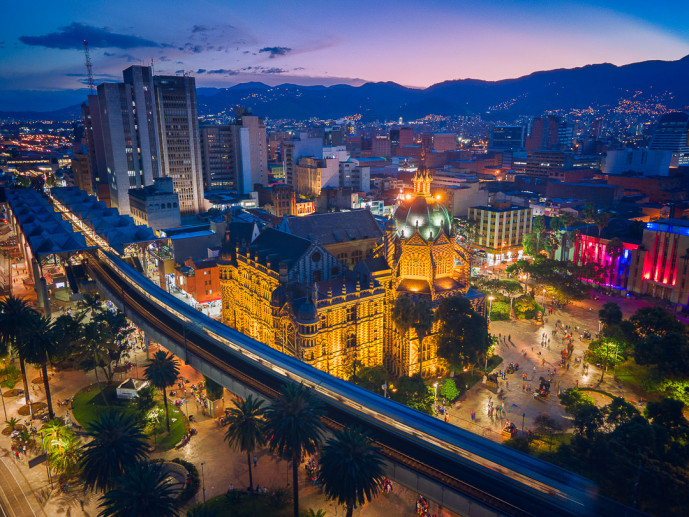
Medellín, cradled by the verdant Andes, is a city of reinvention. Once shadowed by its past, it now thrives with innovative urbanism, vibrant street art, and a contagious joie de vivre. The eternal spring climate invites strolls through botanical gardens and cable-car rides over barrios. Here, the warmth of the paisas rivals the aroma of freshly brewed coffee—a city that dances to its own rhythm.
Faits sur la destination
- Official Name: Municipio de Medellín
- Type de destination: Ville
- Brief Description: A vibrant metropolis nestled in a valley of the Andes, Medellín is celebrated for its innovative urbanism, eternal spring-like climate, and rich cultural scene.
- Location: Aburrá Valley, Andean Region, Antioquia Department, Colombia
- Year Established/Founded: 1616
- Governing Body/Management: Medellín City Council
- Significance/Known For: Transformation from a troubled past to a model of urban innovation, including its pioneering metro cable system and public libraries. Hosts the annual Feria de las Flores (Flower Festival).
- Size/Area: 380.64 km² (147 sq mi)
- Population: Approximately 2.5 million (city proper)
- Main Attractions/Key Features:
- Comuna 13, a neighborhood famed for its vibrant street art and escalators.
- Jardín Botánico, a lush botanical garden showcasing Colombia's biodiversity.
- Plaza Botero, home to Fernando Botero's iconic sculptures.
- Best Time to Visit: Year-round, but particularly during the dry seasons (December–March, July–August) or for the Feria de las Flores in August.
- Entrance Fee/Ticket Info: Most public spaces are free; some museums and attractions charge admission.
- Operating Hours: Varies by attraction; generally daytime for parks and museums, with nightlife extending into early morning.
- Website: www.medellin.gov.co
L'essentiel
- Top Attractions: Parque de las Luces, Plaza Botero, Museo de Antioquia, Avenida 33, Avenida Carabobo
- Mois les plus propices à la visite : Décembre, février, janvier, mars, novembre
Histoire
History of Medellín
Nestled in the Aburrá Valley of Colombia's Andean region, Medellín is a city of contrasts, where colonial heritage intertwines with modern innovation. Founded in 1616 as a small mining settlement, it was officially established as the Villa de Nuestra Señora de la Candelaria de Medellín in 1675. The city's growth was slow until the late 19th century, when coffee cultivation and industrialization transformed it into an economic powerhouse. By the mid-20th century, Medellín had become Colombia's textile capital, earning the nickname "City of Eternal Spring" for its temperate climate. However, the late 20th century brought darker chapters, as the city became synonymous with drug cartels and violence. Today, Medellín has reinvented itself through urban innovation, social programs, and a vibrant cultural scene, emerging as a symbol of resilience and transformation.
Dates historiques clés
- 1675: Medellín is officially founded as a Spanish colonial settlement, named after a Spanish village and dedicated to the Virgin of Candelaria.
- 1826: Medellín becomes the capital of Antioquia Department, solidifying its political and economic importance in the region.
- 1890s–1930s: The coffee boom and industrialization propel Medellín's growth, with textile factories and railways connecting it to national and international markets.
- 1980s–1990s: The city faces a period of violence and instability due to the influence of drug cartels, most notably Pablo Escobar's Medellín Cartel.
- 2000s–Present: Medellín undergoes a remarkable urban and social transformation, with innovative public transportation, libraries, and cultural projects earning global recognition.
Visites et excursions d'une journée
Popular Tours & Day Trips from Medellín
Comuna 13 Graffiti Tour
Once a notorious neighborhood, Comuna 13 has transformed into a vibrant open-air gallery, its steep streets adorned with striking murals that tell stories of resilience and hope. A guided walking tour here reveals the area's complex history, local artists' contributions, and the innovative outdoor escalators that connect the hillside. The tour typically lasts 2–3 hours and is ideal for culture enthusiasts and photographers.
Guatapé & El Peñol Day Trip
A scenic two-hour drive from Medellín leads to the charming town of Guatapé, famous for its brightly painted zócalos (decorative bas-reliefs) and the towering El Peñol rock. Climb the 740 steps to the summit for panoramic views of the emerald lakes below, then wander Guatapé’s cobbled streets. This full-day excursion suits adventurers and families alike, with optional boat rides on the reservoir.
Santa Fe de Antioquia Colonial Escape
Step back in time with a visit to Santa Fe de Antioquia, a well-preserved colonial town just two hours from Medellín. Stroll beneath its iconic stone arch bridge, explore whitewashed churches, and relax in the tranquil plaza. The trip often includes a stop at a local fruit farm. Perfect for history lovers and those seeking a slower pace.
Arvi Park Ecotourism Hike
Accessible via Medellín’s metro cable cars, Arvi Park offers lush trails through Andean forests, with guided hikes highlighting native flora and pre-Hispanic footpaths. The half-day excursion includes a ride over the city’s sprawling vistas. Ideal for nature lovers and active travelers, with options for picnics or artisan market visits.
Pablo Escobar Legacy Tour
A controversial yet historically significant exploration of Medellín’s turbulent past, this tour visits sites tied to the infamous drug lord, including his former residences and the Monaco Building. Guides provide nuanced context on the city’s transformation. Lasting 3–4 hours, it appeals to those interested in modern Colombian history.
Jardín Coffee & Culture Journey
The picturesque coffee town of Jardín, a three-hour drive from Medellín, enchants with its pastel houses, basilica, and cable car to a mountain viewpoint. Tours often include a coffee farm visit, where travelers learn about bean-to-cup production. A delightful day trip for romantics and caffeine aficionados.
Quand visiter
Best Time to Visit Medellín
Medellín, nestled in Colombia's Andean region, enjoys a temperate climate year-round due to its elevation. The city's seasons are defined more by rainfall than temperature, making it a delightful destination at any time. However, certain periods offer distinct advantages depending on your travel preferences.
Répartition saisonnière
Dry Season (December–March & June–August)
The dry season, split into two periods, is characterized by sunny days and minimal rainfall. Temperatures hover between 18°C to 28°C, with cooler evenings. This is the ideal time for outdoor activities like hiking in Parque Arví or exploring the city's vibrant streets.
- Pros: Clear skies, comfortable temperatures, and fewer disruptions to outdoor plans.
- Cons: Higher tourist numbers, especially in December and January, leading to increased accommodation prices.
- Events: The Feria de las Flores (Flower Festival) in August is a highlight, featuring parades, concerts, and cultural exhibitions.
Rainy Season (April–May & September–November)
Rainfall peaks during these months, with afternoon showers being common. Temperatures remain mild, ranging from 16°C to 26°C. The city's lush greenery is at its most vibrant, offering a different kind of beauty.
- Pros: Fewer tourists, lower prices, and a more authentic local experience.
- Cons: Outdoor activities may be interrupted by rain, and some trails can become muddy.
- Events: The Festival Internacional de Poesía in June–July and Medellín Moda in July showcase the city's cultural and creative sides.
Recommandation générale
The dry seasons (December–March and June–August) are generally the best times to visit Medellín, particularly for those seeking outdoor adventures and cultural festivities. However, travelers looking to avoid crowds and save money may prefer the shoulder months of April or November, when rainfall is less intense.
Considérations
Peak tourist seasons coincide with major holidays and festivals, such as Christmas, New Year, and the Feria de las Flores. During these times, expect higher prices and busier attractions. Off-peak travel offers a quieter experience but requires flexibility for weather-related changes.
Ce qu'il faut emporter
What to Pack for Medellín
Medellín's mild "eternal spring" climate and urban charm call for practical yet stylish packing. Focus on versatility—layers are key, as temperatures shift between warm days and cooler evenings. The city's hilly terrain and vibrant street life demand comfort without sacrificing elegance.
Clothing & Accessories
- Lightweight Layers: A breathable jacket or cardigan for cooler evenings (18-22°C) and sudden rain showers.
- Comfortable Walking Shoes: Opt for stylish sneakers or supportive flats—you’ll navigate steep streets and cobblestone alleys in Comuna 13.
- Foldable Umbrella or Packable Raincoat: Medellín’s microclimates bring unexpected drizzle, especially in the afternoons.
- Sun Protection: A wide-brimmed hat and sunglasses for high-altitude sun (1,500m above sea level).
Gear & Extras
- Compact Daypack: For carrying essentials while exploring markets like Plaza Botero or riding the Metrocable.
- Reusable Water Bottle: Stay hydrated during walks; refill stations are common in eco-conscious Medellín.
- Spanish Phrasebook or Translation App: While many speak English, local interactions are smoother with basic Spanish.
- Power Adapter (Type A/B): Colombia uses 110V outlets, though most hotels accommodate dual-voltage devices.
For Nightlife & Dining
- Smart-Casual Outfit: Poblado’s upscale bars and restaurants favor polished yet relaxed attire.
- Crossbody Bag: Secure and hands-free for evenings out—opt for one with anti-theft features.
Culture
Paisa Identity and Local Pride
Medellín is the heart of Paisa culture, a regional identity distinct within Colombia. The term Paisa refers not just to those from Antioquia but to a particular way of life—hardworking, entrepreneurial, and deeply rooted in family and tradition. Visitors will notice the pride in local dialect, a Spanish variant with melodic intonations and unique expressions like "¡Qué más pues!" (a casual greeting). The city's rapid transformation from a troubled past to a hub of innovation is a point of immense local pride, often reflected in conversations and public art.
Fêtes et célébrations publiques
Medellín's calendar is punctuated by vibrant festivals that blend colonial heritage with contemporary creativity. The Feria de las Flores (Flower Festival) is the city's most iconic event, where silleteros parade elaborate floral arrangements on their backs—a tradition dating to the 19th century. In contrast, the Festival Internacional de Tango pays homage to the city's unexpected love affair with the genre, nurtured after Carlos Gardel's fatal plane crash here in 1935. Smaller neighborhood fiestas, like those in Manrique, showcase hip-hop and graffiti, reflecting the city's younger, rebellious spirit.
Cuisine: Beyond Bandeja Paisa
While bandeja paisa (a hearty platter of beans, rice, chorizo, and fried egg) is ubiquitous, Medellín's food scene reveals subtler nuances. Street vendors sell arepas stuffed with cheese or chocolo (sweet corn), and buñuelos (cheesy dough balls) are a breakfast staple. The city’s mondongo (tripe soup) is a weekend ritual, often enjoyed with aguardiente, the anise-flavored spirit sipped during social gatherings. Modern chefs are reinterpreting these traditions in avant-garde spaces like El Cielo, where tasting menus tell stories of local ingredients.
Urban Art and Transformation
Medellín's walls are canvases for social change. The Comuna 13 district, once synonymous with violence, is now an open-air gallery where graffiti narrates resilience. Local collectives like Casa Kolacho blend art with hip-hop, offering tours led by former gang members. Even the metro system doubles as a cultural project—murals and sculptures in stations like Universidad reflect the city's belief in art as a tool for civic unity.
Social Customs and Etiquette
Paisas are warm but formal in initial interactions. A handshake or single cheek kiss is standard, but confianza (trust) is earned slowly. Invitations to homes are cherished; bringing a small gift like pastries or wine is polite. Sundays remain sacred for family asados (barbecues), often in countryside fincas. Visitors should note that punctuality is fluid—social events often start late, but business meetings adhere to stricter timing.
Unspoken Rules
- Avoid discussing the city’s violent history unless your local counterpart initiates it.
- Dress is polished-casual; jeans are acceptable, but shorts mark you as a tourist.
- When using the metro, offer seats to elders—this is deeply ingrained courtesy.