Mulkwakungui
A hidden gem in Colombia's Vaupés, Mulkwakungui offers breathtaking views of Cañón Del Mandiyaco and the roaring Raudales De Jirijirimo, where lush jungle meets dramatic waterfalls and untamed rivers.
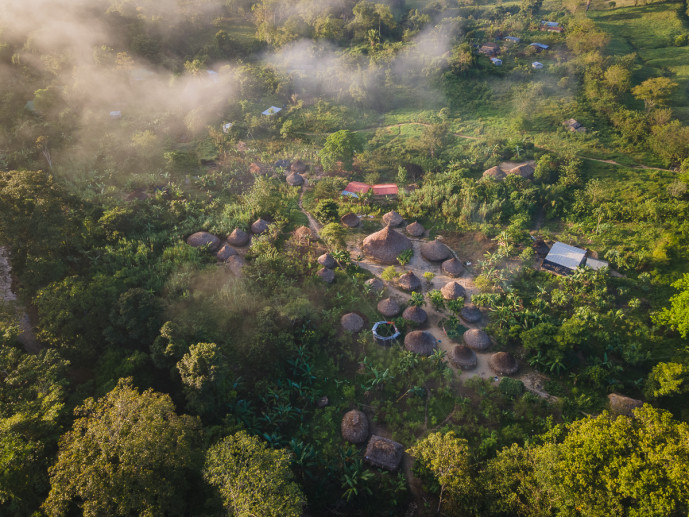
Mulkwakungui, a jewel of Colombia’s Caribbean Region, invites exploration beyond the expected. This region unfolds with a quiet charm, revealing a tapestry of indigenous heritage and untouched natural beauty. Discover a slower pace of life, where vibrant traditions meet the serene allure of the Colombian coast.
Faits sur la destination
- Type of Destination: Region
- Location: Magdalena Department, Caribbean Region (Región Caribe), Colombia
- Brief Description: Mulkwakungui is a region nestled within Colombia’s vibrant Caribbean coast, offering a glimpse into the rich cultural tapestry and diverse natural landscapes characteristic of this tropical zone.
- Significance/Known For: Known for its unique blend of indigenous heritage and coastal influences, Mulkwakungui is a region where traditional ways of life often intersect with the natural beauty of the Colombian Caribbean.
- Main Attractions/Key Features:
- Proximity to diverse ecosystems, ranging from coastal plains to foothills.
- Opportunities for cultural immersion with local communities.
- Access to traditional Colombian Caribbean cuisine and music.
- Best Time to Visit: The dry season, typically from December to March, offers pleasant weather for exploration.
L'essentiel
- Top Attractions: Cañón Del Mandiyaco, Raudales De Jirijirimo
Histoire
A Glimpse into the Past of Mulkwakungui
Mulkwakungui, a region nestled within Colombia’s vibrant Magdalena Department and the broader Caribbean Region, carries echoes of a rich and layered history. Its story is interwoven with the indigenous cultures that first navigated its fertile lands and waterways, the transformative arrival of European explorers and colonizers, and the subsequent development that shaped its present character. The very landscape of Mulkwakungui has witnessed centuries of human endeavor, from ancient settlements to the bustling trade and cultural exchange that define the Colombian Caribbean. Understanding this historical tapestry provides a deeper appreciation for the unique spirit of this captivating region.
Clés historiques
The history of Mulkwakungui is best understood through its enduring connections to the ancient peoples who inhabited this coastal territory long before European arrival. These indigenous communities, skilled in agriculture and intimately familiar with the natural resources of the region, laid the foundational human presence. The subsequent arrival of Spanish conquistadors and settlers marked a significant turning point, introducing new societal structures, economic practices, and cultural influences that would irrevocably alter the region’s trajectory.
Over the centuries, Mulkwakungui, like much of the Colombian Caribbean, evolved through periods of colonial administration, the struggle for independence, and the ongoing process of nation-building. The region’s strategic location along the Caribbean coast also positioned it as a point of interaction and exchange, influencing its development and contributing to its diverse cultural heritage.
Importance historique
- Pre-Columbian Era: The presence of indigenous peoples, whose ancestral lands encompass Mulkwakungui, signifies a deep historical connection to the territory, marked by sophisticated societal structures and a profound understanding of the local environment.
- Colonial Period: European arrival introduced new forms of governance, economic exploitation, and cultural syncretism, laying the groundwork for the region’s subsequent development within the Spanish Empire.
- Independence and Nationhood: Mulkwakungui participated in the broader Colombian struggle for independence and has since been shaped by the nation’s evolving political and economic landscape.
Visites et excursions d'une journée
Exploring the Environs of Mulkwakungui
Mulkwakungui, nestled within Colombia’s vibrant Magdalena Department, offers a gateway to the rich tapestry of the Caribbean Region. Beyond its immediate charms, a wealth of excursions awaits, promising to deepen your appreciation for this captivating corner of the world.
Coastal Discoveries and Natural Wonders
The proximity to the Caribbean Sea and the region’s unique ecosystems provides ample opportunity for memorable day trips.
-
The Enchantment of Ciénaga Grande de Santa Marta
Embark on a journey to the Ciénaga Grande de Santa Marta, one of the largest coastal wetlands in Colombia. A boat tour through its labyrinthine waterways, mangrove forests, and tranquil lagoons offers a profound connection with nature. Look for diverse birdlife, including flamingos and herons, and witness the traditional life of the local fishing communities. This excursion is ideal for nature enthusiasts and those seeking a serene, yet visually striking, experience. Expect a half-day to full-day commitment.
-
Palomino River Tubing Adventure
For a touch of relaxed adventure, consider a trip to the nearby town of Palomino for a memorable river tubing experience. Float gently down the Palomino River, surrounded by lush jungle landscapes, with the snow-capped Sierra Nevada de Santa Marta mountains often visible in the distance. The journey culminates where the river meets the sea, offering a unique transition from freshwater to saltwater. This is a delightful outing for families and travelers looking for a leisurely yet picturesque activity, typically lasting a few hours.
-
Tayrona National Natural Park Excursion
While requiring a slightly longer journey, a day trip to Tayrona National Natural Park is an essential experience for many visiting the Magdalena Department. Known for its pristine beaches, turquoise waters, and ancient indigenous heritage, Tayrona offers hiking trails through dense tropical forest leading to breathtaking coves like Cabo San Juan del Guía. It’s a destination for those who appreciate natural beauty, hiking, and a sense of discovery. Be prepared for a full day of exploration and moderate walking.
Cultural Immersion and Local Flavors
Mulkwakungui’s location provides access to experiences that highlight the region’s cultural heritage and culinary traditions.
-
Santa Marta City Exploration
Discover the historical heart of the Magdalena Department with a day trip to Santa Marta, Colombia’s oldest surviving Spanish city. Wander through its colonial streets, visit the Quinta de San Pedro Alejandrino where Simón Bolívar spent his final days, and explore the bustling fish market. The city offers a glimpse into the region’s past and present, appealing to history buffs and those interested in urban exploration. This is a full-day excursion.
-
Local Gastronomy and Coffee Culture
Engage your senses with a tour focused on the local gastronomy. This might involve visiting a traditional market to sample regional fruits and delicacies, or perhaps a trip to a nearby finca to learn about the cultivation and preparation of Colombian coffee. Such an experience offers an authentic taste of the region’s flavors and the warmth of its people. This is a flexible excursion, often lasting a half-day, and is perfect for food lovers and cultural explorers.
Quand visiter
Best Time to Visit Mulkwakungui
Mulkwakungui, nestled within Colombia’s vibrant Caribbean Region in the Magdalena Department, offers a distinct experience depending on the time of year. Understanding its climate patterns is key to planning a truly memorable visit.
Seasonal Overview
The Caribbean coast of Colombia generally experiences two primary seasons: a dry season and a wet season. Given Mulkwakungui’s location, these are the most significant influences on its climate and, consequently, the optimal times to visit.
The Dry Season (December to April)
This period is characterized by abundant sunshine, lower humidity, and minimal rainfall. Temperatures typically range from a pleasant 25°C to 32°C (77°F to 90°F), with gentle sea breezes often providing relief.
- Pros: Ideal for outdoor activities such as exploring the natural landscapes, enjoying the beaches, and engaging in water sports. The clear skies are perfect for photography and appreciating the region’s scenery. Visibility for diving or snorkeling, if applicable to Mulkwakungui’s specific attractions, is usually at its best.
- Cons: This is also the peak tourist season. Expect larger crowds and potentially higher prices for accommodation and flights. Some popular attractions may require advance booking.
- Events: While not tied to Mulkwakungui specifically, the broader Colombian Caribbean celebrates Carnival of Barranquilla in February, which can influence travel to the region with a festive atmosphere. Semana Santa (Holy Week) in March or April also sees increased domestic tourism.
The Wet Season (May to November)
This season brings increased rainfall, though it often manifests as brief, intense downpours, usually in the afternoon, rather than continuous rain. Humidity levels rise, and temperatures remain warm, typically between 26°C and 33°C (79°F to 91°F).
- Pros: Fewer tourists mean a more tranquil experience and often more favorable prices. The landscape can appear lusher and more vibrant after the rains. This is an excellent time for travelers seeking a more relaxed pace and budget-conscious exploration.
- Cons: The higher chance of rain can interrupt outdoor plans. Some smaller, more remote attractions might have limited access or altered operating hours due to weather.
- Events: The Festival de la Leyenda Vallenata in Valledupar (a nearby cultural hub) in April often extends into early May, bringing traditional music and cultural events to the broader region.
Shoulder Seasons (April and November)
These transitional months often offer a pleasant compromise, bridging the dry and wet seasons.
- Pros: You can often find a good balance of favorable weather with fewer crowds than the peak dry season. The transition can bring dramatic skies and a unique atmosphere.
- Cons: There’s a slightly increased chance of rain compared to the heart of the dry season, particularly in November.
Recommandation générale
For the most reliable sunshine and ideal conditions for a wide range of activities, the period from January to March is generally considered the best time to visit Mulkwakungui. This allows for maximum enjoyment of the coastal environment and outdoor pursuits.
However, for travelers who prefer a more subdued atmosphere and potentially lower costs, the months of April and the earlier part of the wet season, such as May and June, can be very rewarding. By planning around the typical afternoon showers, one can still experience the beauty of Mulkwakungui without the peak season crowds.
Considerations for Travelers
When planning your visit to Mulkwakungui, be mindful of the peak tourist seasons, particularly during national holidays and school breaks in Colombia. During these times, expect higher demand for services and accommodation. Conversely, visiting during the shoulder or wet seasons can offer a more intimate and economical experience, provided you are prepared for the possibility of rain.
Ce qu'il faut emporter
What to Pack for Mulkwakungui
Mulkwakungui, nestled within Colombia’s vibrant Caribbean Region, offers a unique blend of coastal allure and tropical inland exploration. The climate is consistently warm and humid, with a distinct dry season and a wetter period, so packing strategically is key to experiencing the best of this region.
Essential Items for Comfort and Practicality
- Lightweight, Breathable Clothing: Think cotton, linen, or moisture-wicking fabrics. Long-sleeved shirts and trousers are advisable for sun protection and to deter insects, especially during dawn and dusk.
- High-SPF Sunscreen and Insect Repellent: The Caribbean sun is strong, and mosquitoes are present, particularly near water or vegetation. Opt for repellents with DEET or Picaridin.
- Wide-Brimmed Hat and Sunglasses: Essential for shielding your face and eyes from the intense tropical sun, whether you’re by the coast or exploring inland trails.
- Swimwear: For enjoying the region’s beaches and any freshwater swimming opportunities. A quick-drying towel is also highly recommended.
- Waterproof Bag or Dry Sack: To protect electronics and valuables from sudden tropical downpours or humidity, especially if you plan boat trips or venturing into more natural areas.
- Comfortable Walking Shoes or Sturdy Sandals: For exploring towns, markets, and potentially uneven terrain. If you plan on any light hiking, closed-toe shoes are preferable.
- Reusable Water Bottle: Staying hydrated is paramount. Many accommodations and towns offer filtered water refill stations, making this an eco-conscious choice.
Culture
The Soul of Mulkwakungui: A Tapestry of Caribbean Echoes
Mulkwakungui, nestled within Colombia’s vibrant Magdalena Department, offers a cultural experience deeply rooted in the rhythm of the Caribbean, yet possessing its own distinct cadence. While sharing the broader heritage of the Región Caribe, this particular locale has cultivated unique traditions and social nuances that shape the daily lives of its inhabitants and offer a fascinating glimpse for the discerning traveler.
Local Artisanship: The Hands of Tradition
The artistry in Mulkwakungui is not merely decorative; it is an extension of its people’s connection to their environment and history. Look for the intricate weaving of ‘cañaflecha’, a local fiber derived from a type of palm. The women of Mulkwakungui transform this material into finely crafted baskets, hats, and decorative items, each piece imbued with generations of skill. The patterns often tell silent stories, reflecting motifs inspired by the surrounding flora and fauna, and sometimes even ancient symbols passed down through oral tradition. Unlike the more broadly commercialized crafts found in larger Caribbean cities, Mulkwakungui’s artisans maintain a purer, more functional aesthetic, prioritizing durability and natural beauty.
Culinary Reflections: Flavors of the Land and Sea
The cuisine of Mulkwakungui is a direct reflection of its proximity to both fertile land and the abundant Caribbean Sea. While seafood is a staple, the preparation often incorporates unique local spices and techniques. One might find variations on classic Colombian dishes, such as ‘arroz de coco’ (coconut rice), where the sweetness of the coconut milk is balanced by a subtle hint of local herbs like ‘cimarrón’, a wild herb with a peppery note. The preparation of fresh fish, often grilled or steamed in banana leaves, is elevated by a simple yet profound understanding of flavor. Visitors should seek out small, family-run eateries where these authentic preparations are most readily found. The emphasis is on freshness and the natural taste of the ingredients, a testament to the local respect for their bounty.
Rhythms and Gatherings: The Heartbeat of Community
Music and dance are the lifeblood of Mulkwakungui, serving as both entertainment and a vital form of social cohesion. While the broader region is known for cumbia and vallenato, Mulkwakungui often favors more intimate gatherings where traditional folk music, played on accordions and percussion, fills the air. The local style of dancing, while sharing common Caribbean steps, often incorporates subtle variations in hip movement and footwork that are specific to the community. During local festivities, which may not always align with national holidays but are often tied to agricultural cycles or religious observances, these dances become central. Observing a local ‘fandango’ or a spontaneous musical interlude can be a truly immersive experience, offering insight into the community’s joy and shared spirit.
Social Etiquette: A Gentle Approach
The people of Mulkwakungui are generally warm and welcoming, but a gentle approach is appreciated. Politeness and a respectful demeanor go a long way. When engaging with locals, particularly elders, a simple greeting like ‘Buenos días’ or ‘Buenas tardes’ is customary. It is also considered courteous to ask permission before taking photographs of individuals. While the pace of life here is unhurried, punctuality is not always observed with strict adherence; patience and understanding are key. Directness in conversation is less common than a more nuanced, indirect approach, especially when discussing sensitive topics. Embracing this slower, more considerate way of interaction will undoubtedly enrich your experience.