Bogotá Metropolitan Area
A vibrant cultural hub in Bogotá, the Botero Museum dazzles with Fernando Botero’s iconic art, while Mercado de Paloquemao bursts with local flavors and Mercado de Pulgas de Usaquén offers eclectic treasures.
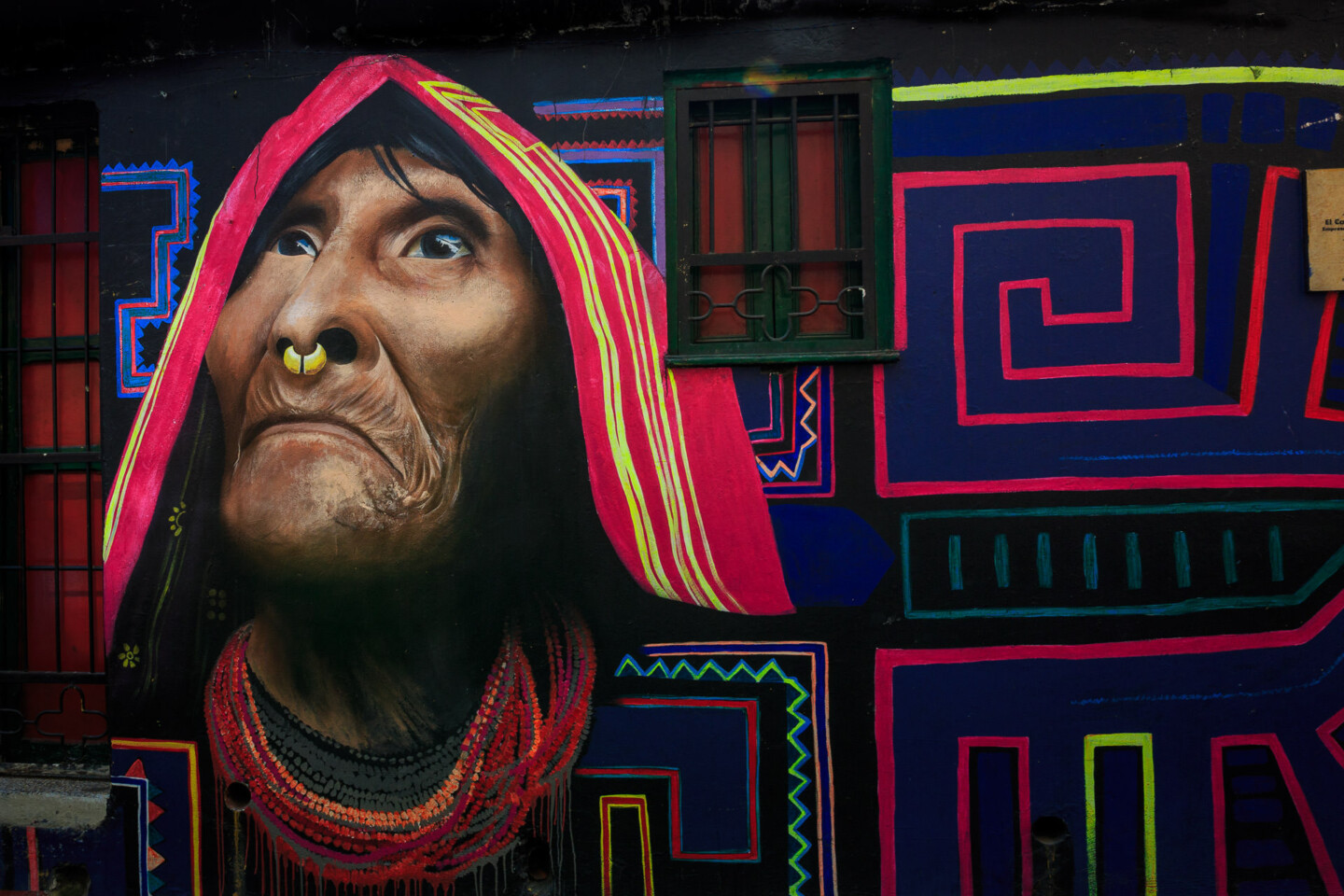
Bogotá Metropolitan Area, a vibrant capital cradled in the Andean highlands, blends colonial charm with urban dynamism. Stroll through La Candelaria’s cobbled streets, marvel at Botero’s voluptuous sculptures, or lose yourself in Usaquén’s flea market treasures. Here, the pulse of contemporary Colombia meets the whispers of history, all under the watchful gaze of Monserrate’s towering peak.
Faits sur la destination
- Official Name: Bogotá, Distrito Capital (Bogotá D.C.)
- Type de destination: Ville
- Brief Description: A vibrant metropolis blending colonial charm with modern energy, nestled high in the Andes and known for its cultural richness, gastronomy, and dynamic urban life.
- Location: Andean Region of Colombia, within the Cundinamarca Department, on a high plateau at 2,640 meters (8,660 ft) above sea level.
- Year Established/Founded: 1538 (as Santa Fe de Bogotá by Spanish conquistador Gonzalo Jiménez de Quesada)
- Governing Body/Management: Bogotá City Council and Mayor's Office
- Significance/Known For: Colombia's political, economic, and cultural heart; home to UNESCO-listed Teatro Colón and the largest network of bicycle routes in Latin America (Ciclovía).
- Size/Area: 1,587 km² (613 sq mi)
- Population: Approximately 7.4 million (city proper), 10 million (metropolitan area)
- Main Attractions/Key Features:
- La Candelaria: Historic district with colonial architecture and street art.
- Botero Museum: Showcasing Fernando Botero's iconic works and international art.
- Mercado de Pulgas de Usaquén: A lively flea market with handicrafts and local flavors.
- Best Time to Visit: December to March (dry season) for clear skies, though Bogotá's spring-like climate makes it pleasant year-round.
- Entrance Fee/Ticket Info: Free for public spaces; museums like Botero Museum have free admission.
- Operating Hours: Varies by attraction; museums typically open 9 AM–5 PM (closed Mondays).
- Website: bogota.gov.co (official city portal)
L'essentiel
- Top Attractions: Botero Museum, Museo de Arte Moderno de Bogotá, Mercado de Paloquemao, Mercado de Pulgas de Usaquén
- Mois les plus propices à la visite : Décembre, février, janvier, novembre
Histoire
A Brief History of Bogotá Metropolitan Area
Founded on August 6, 1538, by the Spanish conquistador Gonzalo Jiménez de Quesada, Bogotá began as a small settlement called Santa Fe de Bogotá, nestled in the Andean highlands. Built atop the ruins of the indigenous Muisca city of Bacatá, it quickly became a colonial hub, serving as the capital of the New Kingdom of Granada. Over centuries, Bogotá evolved into Colombia’s political, cultural, and economic heart, blending pre-Columbian heritage with Spanish colonial influences. Today, its metropolitan area sprawls across the Sabana de Bogotá, a high-altitude plateau, and is home to over 10 million people, reflecting layers of history from indigenous roots to modern urban dynamism.
Dates historiques clés
- 1538: Gonzalo Jiménez de Quesada establishes Santa Fe de Bogotá, marking the city’s colonial foundation on Muisca territory.
- 1717: Bogotá becomes the capital of the Viceroyalty of New Granada, solidifying its political importance in Spanish America.
- 1810: The Grito de Independencia (Cry for Independence) on July 20 sparks Colombia’s struggle for freedom from Spanish rule, with Bogotá at its center.
- 1948: The assassination of politician Jorge Eliécer Gaitán triggers the Bogotazo, a violent uprising that reshaped the city’s urban and social landscape.
- 1991: Colombia’s new constitution reaffirms Bogotá as the nation’s capital, ushering in an era of modernization and cultural revival.
Colonial Legacy and Modern Transformation
Bogotá’s historic La Candelaria district preserves colonial-era architecture, while neighborhoods like Usaquén—home to the charming Mercado de Pulgas—blend tradition with contemporary flair. The Botero Museum, housing Fernando Botero’s iconic works, symbolizes the city’s artistic vitality, rooted in both indigenous and European influences. From its Muisca origins to its role in Colombia’s independence and 20th-century upheavals, Bogotá’s history is etched into its streets, museums, and vibrant cultural scene.
Visites et excursions d'une journée
Historical & Cultural Immersion in La Candelaria
Explore the heart of Bogotá’s colonial past with a guided walk through La Candelaria, the city’s historic center. Cobblestone streets lead to landmarks like the Plaza de Bolívar and the Gold Museum, where pre-Columbian artifacts shimmer under careful lighting. The tour often includes stops at vibrant street art murals and hidden cafés serving tinto (Colombian coffee). Ideal for history buffs and photographers, this half-day excursion immerses visitors in the layers of Bogotá’s identity.
Cathédrale de sel de Zipaquirá
A marvel of engineering and devotion, the Salt Cathedral lies just an hour from Bogotá in the town of Zipaquirá. Carved into an active salt mine, its cavernous nave and illuminated crosses create an ethereal atmosphere. Visitors descend through tunnels adorned with salt sculptures, learning about the site’s religious and industrial significance. Suitable for families and spiritual travelers, this day trip combines geology, art, and quiet reflection.
Andean Escape to Laguna de Guatavita
Journey into the misty highlands to Laguna de Guatavita, the legendary origin of El Dorado. This circular lake, nestled in a crater, was sacred to the Muisca people, who performed gold-offering rituals here. A moderate hike rewards visitors with sweeping views and tales of colonial treasure hunts. The nearby colonial town of Guatavita, with its whitewashed buildings, offers artisanal crafts and arepas. Perfect for nature lovers and myth-seekers, the trip takes roughly four hours round-trip from Bogotá.
Botero Museum & La Septima Art Walk
Combine art and urban life with a visit to the Botero Museum, home to Fernando Botero’s voluptuous sculptures and paintings, alongside works by Picasso and Monet. Afterwards, stroll down La Séptima, Bogotá’s bustling pedestrian avenue, where street performers and book vendors animate the scene. This self-guided or small-group tour suits art enthusiasts and casual explorers, with flexibility to pause at cafés or the Mercado de Pulgas de Usaquén for antiques.
Coffee Farm Experience in Fusagasugá
Venture two hours south to the verdant hills of Fusagasugá, where family-run coffee farms open their doors for hands-on workshops. Learn to pick, roast, and brew beans while discussing Colombia’s coffee culture. The tour often includes a traditional lunch with ajiaco (a hearty potato soup). A fitting choice for gastronomes and sustainable travelers, this day trip reveals the labor behind every cup.
Quand visiter
Best Time to Visit Bogotá Metropolitan Area
Répartition saisonnière
Bogotá, nestled in the Andean region, experiences a mild, temperate climate year-round due to its high altitude (2,640 meters above sea level). The city does not follow traditional four-season patterns but rather alternates between dry and rainy periods, with relatively consistent temperatures.
Dry Season (December–March, July–August)
These months see less rainfall and more sunshine, making them the most popular for visitors. Temperatures range between 7°C (45°F) at night and 19°C (66°F) during the day.
- Pros: Ideal for outdoor exploration, hiking in nearby Andean trails, and strolling through historic neighborhoods like La Candelaria. The Botero Museum and Mercado de Pulgas de Usaquén are more enjoyable without rain.
- Cons: Higher tourist crowds, especially during December and January holidays. Accommodation prices may rise.
- Events: The Festival de Verano (January) features open-air concerts and cultural activities. Semana Santa (Holy Week, March or April) brings solemn processions.
Rainy Season (April–June, September–November)
Frequent afternoon showers are common, though mornings often remain clear. Temperatures stay similar to the dry season but with higher humidity.
- Pros: Fewer tourists mean quieter museums and lower prices. The city’s parks and gardens, like the Jardín Botánico, are lush and vibrant.
- Cons: Sudden downpours can disrupt outdoor plans. Some hiking trails may be slippery.
- Events: The Rock al Parque festival (October) draws music lovers, while the Bogotá International Film Festival (October) showcases global cinema.
Recommandation générale
The dry months (December–March) are best for those prioritizing outdoor activities and cultural events, while the rainy shoulder seasons (April–June, September–November) suit travelers seeking fewer crowds and lower costs. For museum enthusiasts, weekdays during the rainy season offer a serene experience at the Botero Museum and Mercado de Pulgas de Usaquén.
Considérations
Peak tourist seasons (December–January, July–August) bring higher prices and busier attractions. If visiting during these times, book accommodations early. Note that some smaller shops may close during Semana Santa.
Ce qu'il faut emporter
Essentials for Bogotá’s Urban Rhythm
Bogotá’s high-altitude charm and unpredictable Andean climate demand thoughtful packing. The city’s vibrant cultural scene and cobblestone streets call for practicality with a touch of elegance.
Clothing & Accessories
- Layered Outerwear: A lightweight but warm jacket or sweater is indispensable for chilly mornings and evenings, even in summer.
- Water-Resistant Shoes: Bogotá’s sudden downpours and uneven sidewalks require sturdy, comfortable footwear with grip.
- Foldable Umbrella: Compact and quick to deploy—essential for the city’s frequent rain showers.
- Scarf or Shawl: Versatile for warmth in cooler temperatures or modest cover when visiting churches.
Articles pratiques
- Small Crossbody Bag: Secure and hands-free for navigating crowded markets like Mercado de Pulgas de Usaquén.
- Reusable Tote: For spontaneous purchases at local markets or bookstores in La Candelaria.
- Portable Power Bank: Long days exploring museums (like Botero) or using transit apps drain phone batteries.
Climate-Specific
- Sunscreen & Sunglasses: The high altitude intensifies UV exposure, even on overcast days.
- Hydration Flask: Combat altitude dryness while reducing plastic waste—tap water is drinkable here.
Culture
A Mosaic of Urban and Traditional Life
Bogotá Metropolitan Area, a sprawling highland capital, is where colonial legacies, indigenous roots, and contemporary creativity converge. Unlike coastal Colombia, the city’s altitude (2,640 meters) shapes its rhythm—crisp mornings, leisurely afternoons, and a cultural scene that thrives indoors as much as in its vibrant plazas. The Rolo (local Bogotano) identity is distinct, blending Cundinamarca’s rural traditions with cosmopolitan influences.
Art in Public and Private Spaces
Beyond the famed Botero Museum, Bogotá’s streets are an open-air gallery. The Mercado de Pulgas de Usaquén, a flea market in a colonial neighborhood, showcases artisanal craftsmanship—hand-stitched mochilas (woven bags) from Boyacá alongside mid-century modern furniture. Local artists like Beatriz González reinterpret historical narratives through pop-inflected murals in Chapinero.
Where to Observe
- La Candelaria’s graffiti tours, where political satire meets indigenous symbolism.
- Independent galleries in Quinta Camacho, favoring experimental mediums.
Carrefour culinaire
Bogotá’s cuisine diverges from coastal arepas; here, ajiaco (a potato-chicken soup with capers) is the signature dish, best enjoyed in family-run fondas near Parque de la 93. The city’s panaderías (bakeries) serve almojábanas, cheese breads with a subtle anise note—a legacy of Spanish convents.
Etiquette Notes
- Lunch (almuerzo corriente) is the main meal, often a three-course affair.
- Tipping 10% is customary in sit-down restaurants, not street stalls.
Festivals with a Capital Flair
The Festival Iberoamericano de Teatro transforms the city into a stage every two years, while Rock al Parque draws Latin America’s largest free rock audience. In December, Día de las Velitas sees residents lighting candles on sidewalks—a quieter contrast to Cartagena’s carnivals.
Social Nuances
Bogotános value formality initially; a handshake with eye contact is expected. The usted (formal “you”) prevails over vos (used in Medellín). Sunday ciclovías—when major avenues close for cyclists—reveal the city’s egalitarian streak.
Perspectives locales
- Weekend paseo de olla outings to Chicaque Cloud Forest reflect the urban escape ritual.
- Emerging jazz clubs in Teusaquillo echo the 1940s radio teatros era.