Saint-Augustin
A mystical archaeological wonder in Colombia's Huila Department, San Agustín boasts ancient stone statues, sacred sites like El Fuente de Lavapatas, and breathtaking waterfalls, offering a journey through pre-Columbian history and lush landscapes.
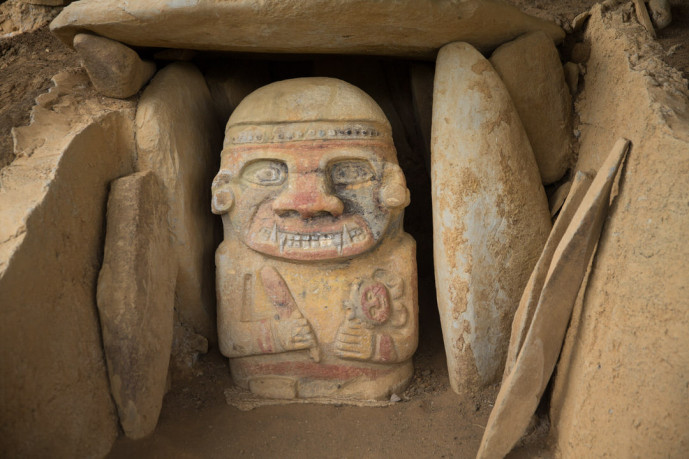
Nestled in Colombia's Andean highlands, San Agustín whispers secrets of an ancient past. This tranquil town, cradled by the Huila Department, is a gateway to enigmatic stone statues and mystical archaeological sites. Wander through Alto de Lavapatas or gaze upon the Salto del Mortiño—each step here is a dialogue with pre-Columbian civilizations, where history and rugged beauty intertwine effortlessly.
Faits sur la destination
- Official Name: San Agustín
- Type de destination : Ville
- Brief Description: A serene Andean town renowned for its archaeological treasures, lush landscapes, and pre-Columbian heritage.
- Location: Alto de Lavapatas, Andean Region, Huila Department, Colombia
- Year Established/Founded: N/A
- Governing Body/Management: Municipal administration of San Agustín
- Significance/Known For: Home to the UNESCO-listed San Agustín Archaeological Park, featuring ancient stone statues and burial mounds.
- Size/Area: N/A
- Population: Approximately 30,000 (town and surrounding rural area)
- Main Attractions/Key Features:
- San Agustín Archaeological Park (UNESCO World Heritage Site)
- Alto de Lavapatas (ceremonial site with carved stone figures)
- Salto de Bordones and Salto del Mortiño waterfalls
- Best Time to Visit: Dry season (December–March) for optimal hiking and exploration.
- Entrance Fee/Ticket Info: Yes, required for the archaeological park (check official rates).
- Operating Hours: Archaeological park typically 8:00 AM–4:00 PM daily.
- Website: sanagustinhuila.gov.co (official municipal site)
L'essentiel
- Top Attractions: San Agustín Archaeological Park
- Mois les plus propices à la visite : Décembre, février, janvier, novembre
Histoire
A Glimpse into San Agustín's Past
Nestled in the verdant hills of Colombia's Huila Department, San Agustín is a town steeped in mystery and ancient grandeur. Its history is inextricably linked to the enigmatic pre-Columbian civilization that flourished here between the 1st and 8th centuries AD, leaving behind one of the most significant archaeological sites in South America. The town itself, founded during the Spanish colonial era, serves as a gateway to these awe-inspiring remnants of a lost culture. San Agustín's modern identity is shaped by its dual heritage—indigenous roots and colonial influences—making it a captivating destination for those drawn to history and culture.
Dates historiques clés
- 1st–8th centuries AD: The San Agustín culture thrives, creating monumental stone statues, burial mounds, and ceremonial sites scattered across the region. These artifacts, discovered in areas like Alto de Lavapatas and Mesita A, reflect a sophisticated society with complex spiritual beliefs.
- 1530s: Spanish conquistadors arrive in the region, disrupting indigenous communities. The area around San Agustín remains largely isolated due to its rugged terrain, preserving many archaeological treasures from destruction.
- 1790: The town of San Agustín is formally established by Spanish settlers, though it remains a quiet agricultural hub for centuries.
- 1930s–1940s: Archaeologists begin systematic studies of the San Agustín sites, uncovering hundreds of statues and tombs. The discoveries attract international attention, leading to UNESCO designation decades later.
- 1995: The San Agustín Archaeological Park is declared a UNESCO World Heritage Site, cementing its status as a cultural treasure of humanity.
Legacy of the Stone Carvers
The true allure of San Agustín lies in its silent stone sentinels—elaborately carved figures depicting deities, animals, and mythical beings. These sculptures, often guarding burial sites, offer tantalizing clues about the beliefs and rituals of their creators. Unlike the Maya or Inca, the San Agustín culture left no written records, leaving historians to piece together their story through archaeology and the enduring artistry of their monuments.
Visites et excursions d'une journée
Archaeological Wonders of San Agustín
Explore the enigmatic stone statues and ancient tombs of the San Agustín Archaeological Park, a UNESCO World Heritage Site. Wander through lush landscapes dotted with pre-Columbian sculptures, some dating back to the 1st century AD. The park’s highlights include Mesita A and Mesita C, where ceremonial structures and intricate carvings reveal the spiritual life of the region’s early inhabitants. Ideal for history enthusiasts and culture seekers, this half-day excursion offers a profound glimpse into Colombia’s indigenous heritage.
Alto de Lavapatas & La Chaquira
A scenic hike to Alto de Lavapatas rewards travelers with panoramic views of the Magdalena River Valley and the surrounding Andean peaks. Nearby, La Chaquira features ancient petroglyphs carved into cliffs overlooking the river—a serene spot for reflection. This moderate trek, taking 2–3 hours, suits those who appreciate nature and archaeology. The interplay of history and landscape here is particularly evocative at sunrise or sunset.
Waterfalls of Tres Chorros & Salto del Mortiño
Discover the cascading beauty of Cascada los Tres Chorros, a trio of waterfalls nestled in verdant hills just a short drive from San Agustín. For a more dramatic sight, visit Mirador #5 Salto del Mortiño, where a towering waterfall plunges into a misty gorge. These natural wonders are perfect for photographers and adventure lovers, with opportunities for light hiking and cooling off in crystal-clear pools. Allow 3–4 hours for this refreshing day trip.
El Tablón & Local Craftsmanship
The small village of El Tablón is home to a collection of meticulously preserved stone statues, offering a quieter alternative to the main archaeological park. Pair this visit with a stop at local workshops, where artisans demonstrate traditional weaving and pottery techniques. This cultural immersion, lasting 2–3 hours, appeals to travelers keen on connecting with the region’s living traditions as well as its ancient past.
Quand visiter
Best Time to Visit San Agustín
San Agustín, nestled in Colombia's Andean highlands, offers a rich tapestry of archaeological wonders and lush landscapes. The town's climate is shaped by its elevation, with distinct wet and dry seasons influencing the ideal times for exploration.
Répartition saisonnière
Dry Season (December–March & July–August)
During these months, San Agustín enjoys mild temperatures (18–25°C / 64–77°F) and minimal rainfall, making it the most favorable time for outdoor activities. The skies are often clear, perfect for hiking to sites like Alto de Lavapatas or La Chaquira.
- Pros: Ideal for trekking and visiting archaeological parks; roads and trails are in good condition.
- Cons: Peak tourist season, so expect higher accommodation prices and more visitors at major sites.
The Festival de San Pedro in late June–early July brings vibrant cultural performances, though it can draw crowds.
Wet Season (April–June & September–November)
Rainfall increases, particularly in April–May and October–November, with temperatures slightly cooler (16–22°C / 61–72°F). Mornings may be sunny, but afternoon showers are common.
- Pros: Fewer tourists, lush greenery, and lower prices. Waterfalls like Cascada los Tres Chorros are at their most dramatic.
- Cons: Trails can be muddy, and some rural roads may become impassable. Cloud cover might obscure views from Mirador #5 Salto del Mortiño.
The Semana Santa (Holy Week) processions in March or April add a solemn yet captivating cultural layer, though accommodations fill quickly.
Recommandation générale
For optimal conditions, plan your visit during the dry months of December–March or the shorter dry spell in July–August. These periods balance pleasant weather with accessibility to San Agustín's archaeological treasures. Travelers seeking solitude and lower costs might prefer the shoulder months of June or September, though they should prepare for occasional rain.
Considérations
Peak seasons coincide with Colombian holidays, so booking accommodations in advance is advisable. Off-peak visits offer a more intimate experience but require flexibility for weather-related disruptions. Many sites, including Mesita A and El Tablon, remain open year-round, though guided tours may be less frequent during heavy rains.
Ce qu'il faut emporter
What to Pack for San Agustín
San Agustín's lush Andean landscapes, archaeological sites, and variable mountain climate call for practical yet thoughtful packing. Focus on comfort for exploration and adaptability to changing conditions.
For the Terrain & Activities
- Sturdy Walking Shoes or Hiking Boots: Essential for navigating uneven paths around archaeological parks like Alto de Lavapatas or La Chaquira.
- Lightweight Rain Jacket or Poncho: Sudden showers are common in the Andean highlands, especially near waterfalls like Salto del Mortiño.
- Daypack with Waterproof Cover: To carry essentials during day trips to sites such as Mesita A or El Tablón.
- Quick-Dry Clothing (Layers): Mornings can be cool, while afternoons warm up—layers allow easy adjustment.
For the Climate & Local Conditions
- Sun Protection (Hat, Sunglasses, SPF 30+): High-altitude sun is intense, even on cloudy days.
- Reusable Water Bottle with Purification Tablets: Stay hydrated during hikes; tap water may not always be reliable.
- Insect Repellent: Mosquitoes are present near rivers and waterfalls like Cascada los Tres Chorros.
Cultural & Practical Extras
- Small Cash (Colombian Pesos): Many rural sites and local vendors don’t accept cards.
- Camera or Sketchbook: The region’s ancient statues and sweeping vistas at Mirador #5 are unforgettable.
Culture
The Enigmatic Stone Guardians of San Agustín
San Agustín is a place where the past whispers through the wind, carved into the volcanic stone of its archaeological park. The region is home to the largest collection of religious monuments and megalithic sculptures in South America, created by a pre-Columbian civilization between the 1st and 8th centuries. These enigmatic statues—depicting deities, animals, and mythical beings—guard the lush Andean landscape, offering a silent testament to a culture that revered the spiritual and the natural world in equal measure.
Local Traditions and the Living Past
Unlike many archaeological sites frozen in time, San Agustín’s cultural heritage is interwoven with the daily lives of its inhabitants. The campesino (rural farmer) communities maintain ancestral practices, such as the Yagé ceremonies, led by local taitas (shamans), which blend indigenous spirituality with colonial influences. Visitors may encounter these rituals, though participation requires deep respect and often an invitation.
Festivals and Community Celebrations
The San Pedro Festival in late June is a vibrant display of local identity, featuring horseback processions, traditional bambuco music, and dances rooted in both indigenous and Spanish traditions. The festival transforms the town into a lively tableau of color and sound, offering a rare glimpse into the living culture behind the ancient stones.
Cuisine: A Taste of the Andes
San Agustín’s cuisine reflects its highland geography and agrarian roots. Dishes like asado huilense (slow-roasted pork) and arepas de choclo (sweet corn cakes) are staples, often accompanied by aguardiente, the local anise-flavored spirit. The town’s small cafés serve coffee grown in the surrounding mountains, some of Colombia’s finest, harvested by hand using methods passed down through generations.
Arts and Craftsmanship
The legacy of the ancient sculptors lives on in contemporary artisans who carve replicas of the archaeological figures, often using the same volcanic rock. Pottery and woven goods, made with techniques unchanged for centuries, are also common. These crafts are not merely souvenirs but a continuation of a cultural dialogue spanning millennia.
Visitor Etiquette: Respecting the Sacred
- When visiting archaeological sites, maintain a respectful silence—these are not just tourist attractions but sacred spaces.
- Always ask permission before photographing locals or ceremonies, particularly during spiritual events.
- Support the community by purchasing crafts directly from artisans in the town square rather than from larger vendors.
The Landscape as Culture
The rugged terrain of San Agustín—waterfalls like Salto de Bordones, the rolling green hills of Alto de Lavapatas, and the Magdalena River’s source—is inseparable from its cultural identity. The land itself is a protagonist in local myths, and hiking trails often feel like pilgrimages, connecting visitors to the same vistas that inspired the region’s ancient artists.