Chauliognathus Heros
Chauliognathus heros
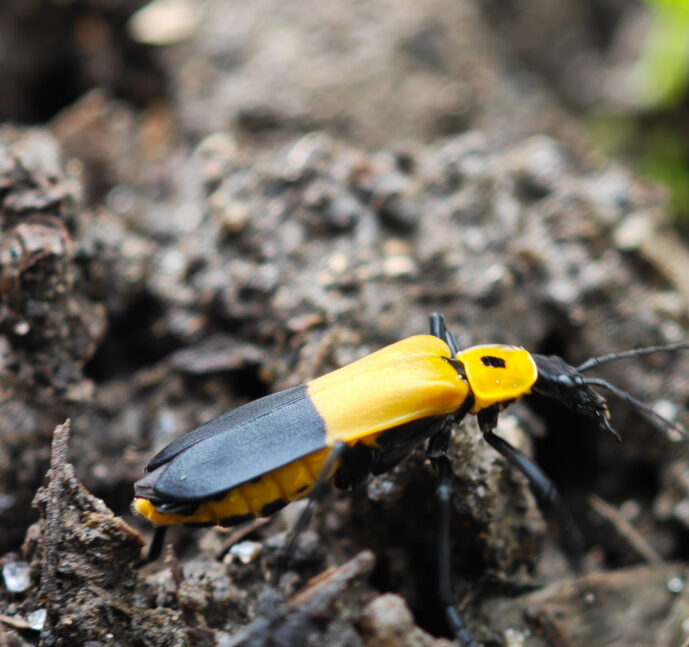
Quick Facts
- Scientific Name: Chauliognathus heros
- Family: Cantharidae
- Known Nicknames: Hero Soldier Beetle, Giant Soldier Beetle
- Average Length: 1.5–2.0 cm / 0.6–0.8 in
- Average Weight: N/A
- Wingspan: N/A
- Key Feature: Vibrant orange or yellow elytra with distinct black apical markings and a soft, elongated body
- Primary Diet: Omnivorous (Adults: Pollen and nectar; Larvae: Predatory on small soil-dwelling invertebrates)
- Range: Central and South America, primarily from Mexico to Brazil
- Habitat: Tropical and subtropical forests, open grasslands, and flowering meadows
- Social Structure: Solitary, with large seasonal aggregations for mating
- Nesting/Breeding: Moist soil or organic leaf litter
- Conservation Status: Not Evaluated (NE)
- Population Trend: Stable
The *Chauliognathus heros*, more commonly known as the Arizona Soldier Beetle, is a vibrant and ecologically significant insect found across the arid landscapes of the southwestern United States and Mexico. Characterized by its elongated, soft-bodied frame, this beetle sports a striking "warning" color palette of brilliant orange or golden-yellow, typically offset by large, dark black patches on its flexible, leathery wing covers. Unlike many beetles protected by hard, armored shells, *C. heros* relies on this bold aposematic coloration to signal to potential predators that it is chemically defended and highly distasteful. These beetles are remarkable for their dual lifestyle: as adults, they are essential pollinators often seen swarming late-summer blossoms like desert broom and sunflowers, while in their larval stage, they serve as formidable subterranean hunters that help control populations of other insect pests. This combination of eye-catching aesthetics and beneficial behavior makes them a fascinating standout in the desert ecosystem.
Habitats et répartition
This species is primarily distributed across the southwestern United States and northern Mexico, with its range encompassing states such as Arizona, New Mexico, and Texas. It is also frequently documented in the Mexican states of Chihuahua and Sonora. Within these regions, the beetle is most active during the late summer monsoon season, appearing in significant numbers across various arid and semi-arid landscapes. The beetle inhabits desert scrublands, grasslands, and riparian corridors where flowering plants are abundant. Adults are highly mobile and are most commonly found on the blossoms of native plants, where they feed on nectar and pollen. In contrast, the larval stages are terrestrial and typically reside within the soil or under leaf litter in moist microhabitats, where they act as active predators of other small invertebrates.
Comportements & Reproduction
These beetles are primarily diurnal and are frequently observed in large, conspicuous aggregations on flowering plants. While they are generally solitary throughout most of their life cycle, they gather in high densities to feed on nectar and pollen, which also serves as a primary site for finding mates. Their social structure is loose and centered around these opportunistic feeding resources, where they exhibit a high degree of activity during the day and use chemical defenses to deter predators. Mating involves intense competition among males, who often scramble to secure a mate amidst the crowded floral patches. The reproductive process is characterized by prolonged copulation, which likely serves as a form of mate-guarding to prevent other males from intervening. After successful fertilization, females deposit their eggs in moist soil or leaf litter. The emerging larvae are highly predaceous, living on the ground and hunting soft-bodied invertebrates, a stark contrast to the nectar-focused diet of the adults.
Alimentation
The Chauliognathus heros, commonly known as the Arizona soldier beetle, possesses a diet that transitions from predatory to nectar-based as it matures. During their larval stage, these insects are active hunters in the soil and leaf litter, where they feed on a variety of soft-bodied invertebrates such as small caterpillars, snails, and the eggs or larvae of other insects. Upon reaching adulthood, their nutritional focus shifts primarily to the consumption of nectar and pollen from various flowering plants, with a particular preference for those in the Asteraceae family. This diet makes them significant pollinators, as they are frequently observed in large, vibrant clusters on blossoms like sunflowers and desert broom. An intriguing aspect of their feeding ecology is that while the adults derive energy from floral resources, their bright aposematic coloration serves as a visual deterrent to predators, signaling the presence of defensive chemicals that are influenced by their metabolic processes. This combination of being a beneficial predator in their youth and a dedicated pollinator in maturity underscores their multifaceted role within their native ecosystems.
Couleurs
*Chauliognathus heros* features a vibrant orange or yellowish-orange body contrasted by bold black markings. The pronotum typically displays a central black spot, while the distal ends of the elytra are covered by large, dark patches. This striking aposematic coloration serves as a warning to predators of the beetle's chemical defenses rather than providing camouflage.
Faits amusants
These striking "leatherwing" beetles are master chemical warriors, secreting a foul-smelling, milky fluid from abdominal glands to ward off hungry predators. Despite this defensive prowess, they are vital desert pollinators often found congregating in massive, vibrant "mating swarms" atop flowering plants like desert broom. While the adults lead a peaceful life sipping nectar, their larvae are fierce subterranean hunters, prowling the soil to devour soft-bodied insects. Their bold orange and black coloration serves as a classic aposematic warning, signaling to birds and lizards that they are toxic and definitely off the menu.