Ouest de Cuba
Western Cuba enchants with its vibrant contrasts—from Havana's colonial charm and rhythmic energy to Viñales' emerald tobacco fields and limestone mogotes. This region pulses with Afro-Cuban beats, revolutionary history, and untouched beaches like María la Gorda. Whether savoring a cigar at sunset or dancing in Trinidad's cobbled streets, it’s a sensory feast where culture, nature, and nostalgia collide.
L'essentiel
- Mois les plus propices à la visite : Décembre, février, janvier, mars, novembre
zone Faits
- Geographical Location: Westernmost region of Cuba, encompassing the provinces of Pinar del Río, Artemisa, and the western part of Havana Province.
- Main City/Town: Pinar del Río (principal urban center) and Viñales (key tourist hub).
- Approximate Area: ~8,300 sq km (combined area of Pinar del Río and Artemisa provinces).
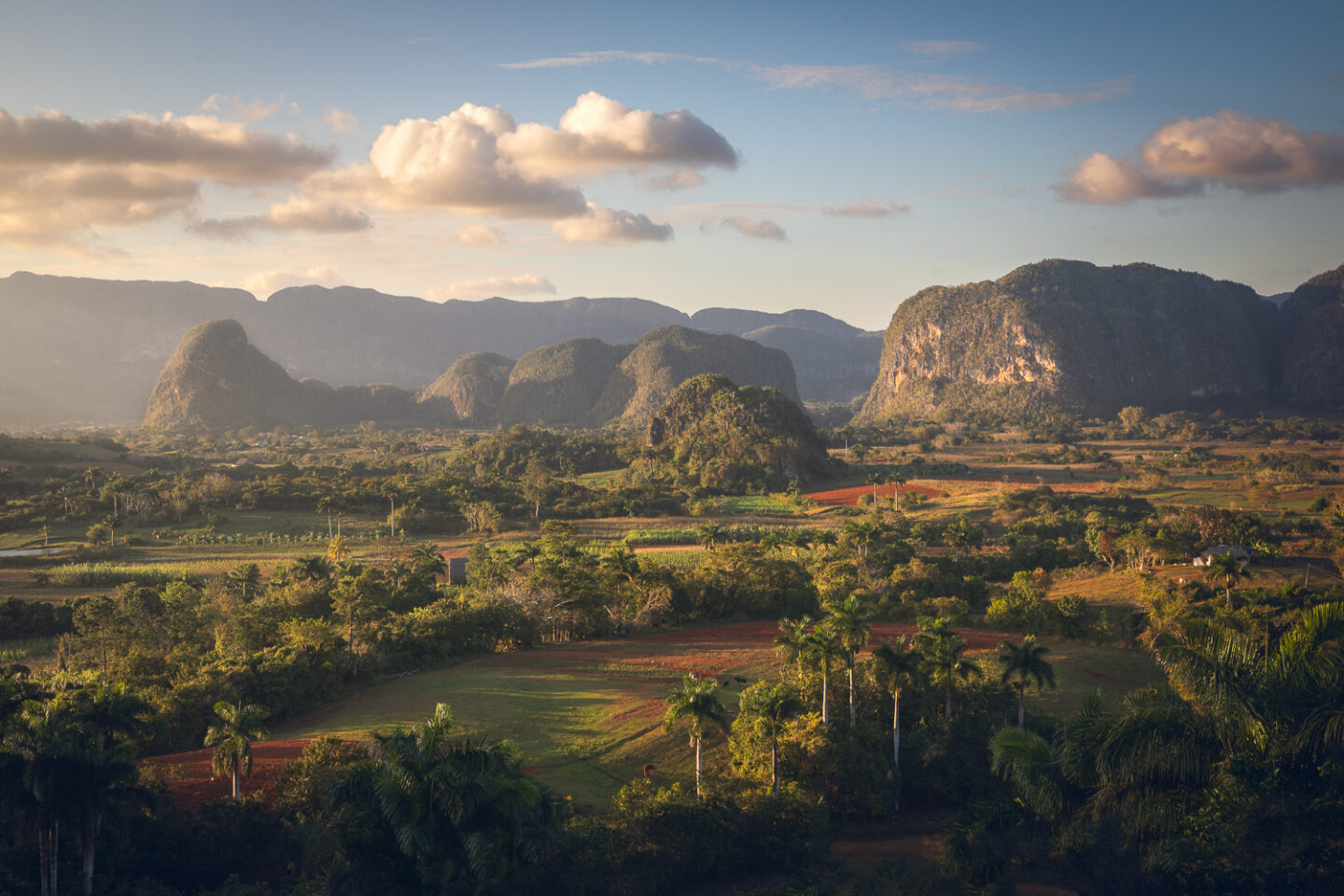
- Key Geographical Features: Viñales Valley (UNESCO World Heritage Site), Sierra de los Órganos mountains, Guanahacabibes Peninsula (biosphere reserve), and numerous tobacco-growing plains.
- Dominant Climate Type: Tropical savanna with distinct wet (May-October) and dry (November-April) seasons; cooler in mountainous areas.
- Population: ~1.2 million (combined provinces of Pinar del Río and Artemisa).
- Main Economic Activities: Tobacco farming (home to Cuba’s finest cigar tobacco), tourism (eco-tourism and cultural heritage), and agriculture (coffee, fruits).
- Common Languages/Dialects Spoken: Spanish (no distinct dialects; local slang may vary).
- Best Time to Visit: November-April (dry season, ideal for outdoor activities and tobacco harvest observations).
- Unique Selling Points:
- Viñales Valley’s dramatic limestone mogotes and traditional tobacco farms.
- Authentic rural Cuban culture with fewer crowds than eastern tourist hotspots.
Meilleures Destinations

Top 5 Attractions

Zapata Peninsula
Zapata Peninsula is home to the Ciénaga de Zapata, the largest wetland in the Caribbean. The area is rich in biodiversity and is a popular destination for birdwatching and diving.
Lire la suiteVaradero Beach
Varadero Beach est l'une des stations balnéaires les plus grandes et les plus populaires des Caraïbes. Connue pour ses plages de sable blanc et ses eaux claires et turquoises, elle offre un éventail d'activités allant de la plongée avec masque et tuba au golf.
Lire la suiteValle de Viñales
Valle de Viñales is a scenic valley in Pinar del Río. It's known for its traditional agriculture, including tobacco farms, and mogotes, or limestone cliffs.
Lire la suiteThe Museum of Che Guevara’s Disembarkation
Le musée du débarquement de Che Guevara à Niquero commémore le débarquement de Che Guevara et de ses compagnons révolutionnaires en 1956.
Lire la suiteVisites et excursions d'une journée
Viñales Valley Tobacco & Countryside Tour
Explore the lush landscapes of Viñales Valley, a UNESCO World Heritage Site, on this immersive day trip. Travelers can witness traditional tobacco farming methods, visit local vegas (tobacco farms), and even roll their own cigars with expert guidance. The tour often includes a stop at the stunning Cueva del Indio, where visitors can take a boat ride through an underground river. Perfect for nature lovers and culture enthusiasts, this excursion typically lasts a full day and is family-friendly.
Havana Colonial & Classic Car Experience
Step back in time with a tour of Havana's historic center, a UNESCO-listed gem. Travelers will stroll through cobblestone streets lined with pastel-colored colonial buildings, visit landmarks like Plaza de Armas and El Capitolio, and cruise in a vintage American convertible along the Malecón. The tour often includes a stop at a local paladar (family-run restaurant) for authentic Cuban cuisine. Ideal for history buffs and photography lovers, this half-day trip is easily accessible from Western Cuba.
Cayo Jutías Beach Escape
For a slice of paradise, head to Cayo Jutías, a pristine cay off Cuba's northern coast. This day trip includes white-sand beaches, crystal-clear waters, and opportunities for snorkeling or simply relaxing under a thatched umbrella. The journey from Viñales takes about 2 hours, passing through scenic countryside. A seafood lunch at a beachfront shack is a highlight. Best suited for sun-seekers and couples, this excursion offers a tranquil retreat from bustling cities.
Soroa Orchid Garden & Waterfall Hike
Discover the "Rainbow of Cuba" in Soroa, home to one of the world's most impressive orchid gardens. The tour includes a guided walk through the Orquideario Soroa, showcasing over 700 species, followed by a hike to the nearby Salto de Soroa waterfall, where visitors can take a refreshing dip. The area is also a birdwatcher's paradise. This half-day trip is perfect for nature enthusiasts and those seeking a peaceful outdoor adventure.
Las Terrazas Eco-Village & Coffee Plantation
Visit the sustainable community of Las Terrazas, a model of eco-tourism nestled in the Sierra del Rosario Biosphere Reserve. Highlights include a tour of a historic coffee plantation, a swim in the San Juan River, and interactions with local artists in their studios. The village's charming cafés offer organic coffee and farm-to-table meals. Great for eco-conscious travelers and families, this day trip combines culture, history, and nature.
Quand visiter
Répartition saisonnière
Western Cuba experiences a tropical climate with distinct wet and dry seasons, along with shoulder periods that offer a balance of pleasant weather and fewer crowds. Here’s a detailed look at each season:
Dry Season (November – April)
Weather: This period brings cooler temperatures (20–28°C / 68–82°F), low humidity, and minimal rainfall. Days are sunny and breezy, making it ideal for outdoor activities.
- Pros: Perfect for beachgoers and sightseeing; minimal rain and comfortable temperatures.
- Cons: Peak tourist season means higher prices and crowded attractions.
- Events: Havana Jazz Festival (January), International Book Fair (February), and Semana Santa (Holy Week, March/April).
Wet Season (May – October)
Weather: Hot (25–32°C / 77–90°F) and humid, with frequent afternoon thunderstorms, especially from June to October. Hurricane season peaks in September–October.
- Pros: Lush landscapes, fewer tourists, and lower accommodation rates.
- Cons: High humidity and rain can disrupt travel plans; some coastal areas may be less accessible.
- Events: Fiesta del Fuego (July, Santiago de Cuba), Havana’s Carnival (August).
Shoulder Seasons (May & November)
Weather: Transitional months with moderate temperatures and sporadic rain. May is warmer, while November marks the start of drier weather.
- Pros: Fewer crowds, lower prices, and pleasant conditions for exploring.
- Cons: Some attractions may have reduced hours or maintenance closures.
Recommandation générale
The best time to visit Western Cuba is during the dry season (November–April), particularly December–March, for ideal beach weather and cultural events. Budget travelers or those seeking solitude should consider the shoulder months of May or November. Avoid September–October due to hurricane risks.
Considérations
Peak season (December–March) sees inflated prices and packed resorts, while the wet season offers bargains but unpredictable weather. Book accommodations early for festivals like Havana Jazz or Carnival.
Ce qu'il faut emporter
Essentials for Tropical Heat & Humidity
Western Cuba's coastal and inland areas are hot and humid year-round, with occasional rain showers. Pack smart to stay cool and comfortable.
- Lightweight, breathable clothing (linen or moisture-wicking fabrics): Avoid heavy materials that trap heat and humidity.
- Strong insect repellent (DEET-based or picaridin): Mosquitoes are prevalent, especially near water and at dusk.
- Quick-drying rain poncho or compact umbrella: Sudden tropical downpours are common, even in dry season.
- Wide-brimmed hat & UV-protective sunglasses: The Caribbean sun is intense, even on cloudy days.
Beach & Coastal Adventures
From Varadero to María la Gorda, Western Cuba boasts stunning beaches and coral reefs. Don’t forget:
- Reef-safe sunscreen: Protect marine life—avoid oxybenzone and octinoxate.
- Water shoes or sturdy sandals: Rocky shores and coral can be rough on bare feet.
- Dry bag or waterproof phone case: Keep essentials safe during boat trips or snorkeling.
- Snorkel gear (if preferred over rentals): Hygiene and fit may be a concern with shared equipment.
Cultural & Practical Considerations
Western Cuba’s colonial towns (e.g., Trinidad, Viñales) and rural areas call for a few thoughtful additions.
- Modest clothing for church visits: Shoulders and knees should be covered when entering religious sites.
- Cash in small denominations (CUP & USD/EUR): Card payments are unreliable outside major hotels; change is scarce.
- Basic toiletries (toilet paper, hand sanitizer): Some public restrooms lack supplies.
- Spanish phrasebook or offline translation app: English is not widely spoken in rural areas.
Comment s'y rendre
Par avion
The primary international gateway to Western Cuba is José Martí International Airport (HAV) in Havana. From here, travelers can reach Western Cuba by rental car, taxi, or bus. For domestic flights, Vilo Acuña Airport (VRA) in Varadero and Jardines del Rey Airport (CCC) in Cayo Coco also offer connections to Havana or other regional hubs.
- From Havana Airport (HAV): Taxis are the most convenient option (approx. 2-3 hours to Viñales or Pinar del Río). Viazul buses offer budget-friendly transfers but require advance booking.
- Domestic Flights: Cubana de Aviación operates limited domestic routes; book early as schedules are infrequent.
Par Train
Cuba's rail network is limited, but the Hershey Electric Train connects Havana to Matanzas, with onward bus connections to Western Cuba. The primary train station in Havana is Estación Central de Ferrocarriles.
- From Havana: Trains to Pinar del Río are slow (4-5 hours) but scenic. Buses are often faster and more reliable.
- Booking: Purchase tickets in person at stations; schedules are subject to change.
En bus/car
The Viazul bus network is the most reliable way to reach Western Cuba from major cities like Havana, Varadero, or Trinidad. Key routes include Havana to Viñales (4-5 hours) and Havana to Pinar del Río (3 hours).
- Booking: Reserve online or at Viazul terminals at least a day in advance.
- Transfer Points: Havana’s Viazul Terminal is the main hub for connections.
En voiture (conduite)
The Autopista Nacional (A1) highway runs from Havana to Pinar del Río, the gateway to Western Cuba. Secondary roads (e.g., to Viñales) are well-paved but may have potholes.
- Rental Cars: Available in Havana or Varadero; book in advance and opt for full insurance.
- Driving Tips: Fuel shortages can occur; carry cash (CUP) for roadside stations. A 4x4 is unnecessary for main routes.
Se déplacer
Public Buses & Víazul
Western Cuba's public bus system, primarily operated by Astro, is affordable but often crowded and unreliable. For tourists, the Víazul bus network is a better option, connecting major destinations like Havana, Viñales, and Varadero. Tickets can be booked online or at bus stations, but advance reservations are recommended.
- Cost: Varies by distance (e.g., Havana to Viñales ~$10 USD).
- Tip: Arrive early for Víazul buses, as seats fill quickly.
Taxis et VTC
Taxis are widely available, including official state-run cabs (marked with "Taxi") and private almendrones (shared vintage cars). Negotiate fares upfront, as meters are rare. Ride-sharing apps like Uber don't operate, but local alternatives like La Nave (Havana) exist.
- Cost: Short rides ~$5–10 USD; long-distance trips (e.g., Havana to Varadero) ~$50–80 USD.
- Tip: Shared taxis (colectivos) are cheaper but less predictable.
Walking & Cycling
Havana's historic center and smaller towns like Trinidad are highly walkable. Bike rentals are available in tourist hubs like Viñales, where cycling through tobacco fields is a highlight.
- Cost: Bike rentals ~$5–10 USD/day.
- Tip: Wear sturdy shoes—sidewalks can be uneven.
Car & Scooter Rentals
Renting a car (or scooter) offers flexibility but comes with challenges: limited availability, high costs, and rough roads. International licenses are accepted, but insurance is mandatory.
- Cost: ~$50–100 USD/day for cars; ~$20–40 USD/day for scooters.
- Tip: Book through reputable agencies like Havanautos or Cubacar.
Des transports locaux uniques
Bicitaxis (bicycle taxis) and coco taxis (yellow egg-shaped scooters) are fun for short trips in Havana. Horse-drawn carts (carretas) are common in rural areas like Viñales.
- Cost: Bicitaxis ~$2–5 USD for short rides.
- Tip: Agree on fares before hopping in.
Culture
Cultural Identity
Western Cuba is a vibrant tapestry of Afro-Cuban traditions, Spanish colonial heritage, and rural guajiro (peasant) culture. Unlike Havana's urban energy or the tourist-heavy east, this region retains a slower, more rooted way of life, where tobacco fields and sugarcane plantations shape daily rhythms. The influence of Haitian and Canary Islander immigrants adds distinct layers to its music, cuisine, and folklore.
Musique et danse
Western Cuba is the birthplace of danzón, an elegant ballroom dance blending European classical music with African rhythms. In Pinar del Río and Matanzas, rumba takes on a raw, improvisational style, while tumba francesa—a Haitian-Cuban fusion—thrives in Santiago de Cuba's western pockets. Local parrandas (street parties) feature punto guajiro, a lyrical folk music accompanied by the tres guitar.
- Seek out Casa de la Cultura in Viñales for live rumba sessions.
- Don't miss the Festival del Habano, where cigar-factory lectores (readers) chant over tobacco leaves.
cuisine
Western Cuba's food is hearty and tied to the land. Lechón asado (roast pork) is a staple, often cooked in hoyo de tierra (earth pits). The region's malanga (taro root) and boniato (sweet potato) feature heavily in stews. Unique to this zone is queso de hoja, a string cheese wrapped in banana leaves, and guarapo, fresh sugarcane juice spiked with lime.
- Try fufú de plátano (mashed plantains with pork cracklings) in rural vegas (tobacco farms).
Fêtes et traditions
The Charangas de Bejucal in Mayabeque is a raucous December rivalry between two neighborhood bands, while San Juan Bautista in June sees Matanzas erupt with Afro-Cuban drumming and comparsas (carnival groups). In Artemisa, the Fiesta de los Bandos reenacts 19th-century militia battles with horseback parades.
Art & Craftsmanship
Western Cuba is famed for its vegueros (tobacco farmers) and hand-rolled cigars, but lesser-known are the sogas (ropemakers) of Soroa and the tinajeras (clay-pot artisans) of San Antonio de los Baños. The Museo Municipal in Guanajay showcases pre-revolutionary naïf paintings depicting rural life.