Bogotá Downtown
A vibrant heart of Bogotá, La Candelaria dazzles with colonial charm, historic plazas, and cultural gems like Museo del Oro and Casa del Florero, blending art, history, and academia in its cobbled streets.
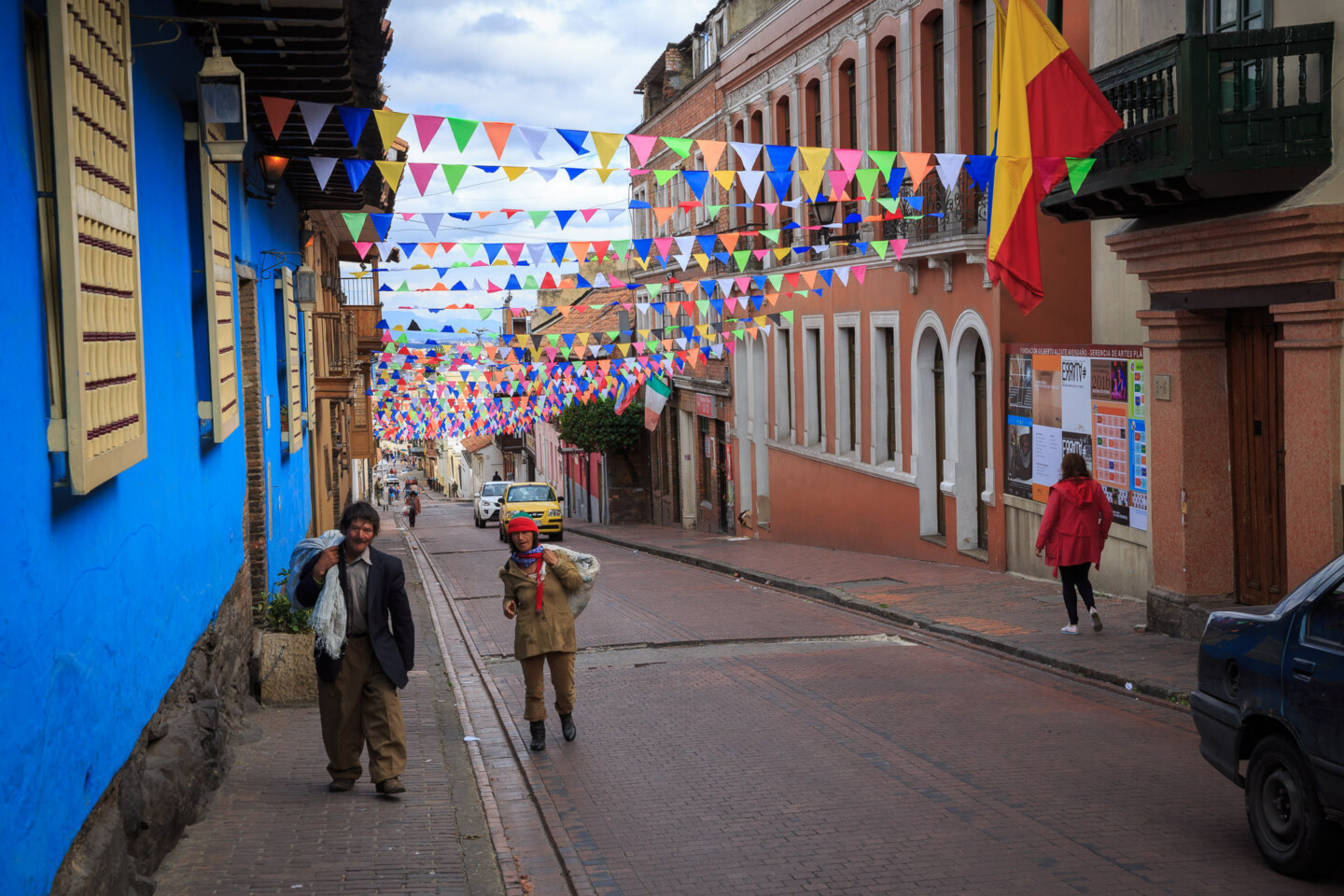
Bogotá Downtown pulses with the rhythm of Colombia’s capital, where colonial grandeur meets urban vitality. Stroll past cobbled plazas and gold-laden museums, savor the aroma of freshly brewed tinto, and lose yourself in the kaleidoscope of street art. Here, history whispers from every corner, while the energy of La Candelaria’s vibrant streets invites you to linger and explore.
Faits sur la destination
- Official Name: Bogotá, Distrito Capital (officially Bogotá, D.C.)
- Type de destination: Ville
- Brief Description: The historic and cultural heart of Colombia, Bogotá Downtown blends colonial architecture, vibrant street life, and modern urban energy.
- Location: Central Bogotá, within the Andean Region of Colombia, in the Cundinamarca Department.
- Year Established/Founded: 1538 (as Santa Fe de Bogotá)
- Governing Body/Management: Bogotá City Council (Alcaldía Mayor de Bogotá)
- Significance/Known For: A UNESCO Creative City of Music, renowned for its gold museum, historic La Candelaria district, and dynamic arts scene.
- Size/Area: 1,587 km² (total city area; downtown core is approximately 20 km²)
- Population: ~7.4 million (metropolitan area; downtown population fluctuates daily with commuters and visitors)
- Main Attractions/Key Features:
- La Candelaria (colonial quarter with colorful houses and Plaza de Bolívar)
- Museo del Oro (Gold Museum, housing pre-Columbian artifacts)
- Monserrate (iconic hilltop sanctuary with panoramic city views)
- Best Time to Visit: December to March (dry season) or July to August for festivals, though mild temperatures year-round make Bogotá a perennial destination.
- Entrance Fee/Ticket Info: Free for most public spaces; museums and Monserrate cable car require tickets (check official sites for pricing).
- Operating Hours: Public areas accessible always; museums typically 9:00 AM–5:00 PM (closed Mondays).
- Website: bogota.gov.co (official city portal)
L'essentiel
- Top Attractions: La Candelaria, Casa Museo Quinta de Bolívar, Museo Nacional, Chorro Quevedo, Plaza Bolivar
- Mois les plus propices à la visite : Décembre, février, janvier, novembre
Histoire
A Historical Tapestry: Bogotá Downtown
Bogotá's downtown, known locally as La Candelaria, is the beating heart of Colombia's capital, where colonial charm and modern dynamism intertwine. Founded in 1538 by Spanish conquistador Gonzalo Jiménez de Quesada, the area was originally named Santa Fe de Bogotá, a strategic settlement for the Spanish Crown in the Andes. The historic center preserves its 16th-century grid layout, with cobblestone streets and whitewashed houses adorned with wooden balconies—a testament to its colonial past. Over the centuries, it became the political and cultural nucleus of the nation, witnessing revolutions, artistic movements, and the birth of Colombia's republic.
Dates historiques clés
- 1538: Gonzalo Jiménez de Quesada establishes Santa Fe de Bogotá on the ruins of the indigenous Muisca settlement of Bacatá, marking the birth of the city.
- 1810: The Grito de Independencia (Cry of Independence) erupts in Bogotá's downtown, igniting Colombia's struggle for freedom from Spanish rule.
- 1948: The Bogotazo riots, sparked by the assassination of politician Jorge Eliécer Gaitán, devastate parts of downtown, reshaping the city's social and political landscape.
- 1982: La Candelaria is declared a National Monument, preserving its colonial architecture and cultural heritage for future generations.
- 2000s: Bogotá's downtown undergoes revitalization, blending historic preservation with contemporary art, gastronomy, and urban renewal.
Visites et excursions d'une journée
Popular Tours & Day Trips from Bogotá Downtown
La Candelaria Walking Tour
Immerse yourself in the heart of Bogotá’s history with a stroll through La Candelaria, the city’s colonial quarter. Cobblestone streets lead past vividly painted houses, historic churches like Iglesia de San Francisco, and landmarks such as Plaza de Bolívar. The tour often includes visits to small museums or artisan workshops, offering a glimpse into local craftsmanship. Ideal for history buffs and culture seekers, this half-day excursion requires no travel time—it begins right in the downtown district.
Gold Museum & Botero Museum Combo Tour
A curated exploration of two of Bogotá’s most revered institutions: the Museo del Oro, housing the world’s largest collection of pre-Hispanic gold artifacts, and the Museo Botero, showcasing Fernando Botero’s iconic voluptuous sculptures and paintings alongside works by Picasso and Monet. The tour delves into Colombia’s artistic and archaeological heritage, with expert guides providing context. Located within walking distance of each other in downtown, this is a perfect half-day activity for art lovers and families.
Zipaquira Salt Cathedral Day Trip
Venture just two hours north of Bogotá to the subterranean marvel of the Salt Cathedral of Zipaquira, a breathtaking church carved into the tunnels of a salt mine. The tour includes a guided walk through the illuminated chambers, revealing religious sculptures and a towering cross carved from salt. The cool, dimly lit environment and the cathedral’s acoustics create an almost mystical atmosphere. Suitable for all travelers, this day trip pairs well with a stop in the charming colonial town of Zipaquira for lunch.
Mount Monserrate Hike or Cable Car
For panoramic views of Bogotá, ascend Mount Monserrate—either by foot via a steep but rewarding trail or by cable car. At the summit, the 17th-century Santuario de Monserrate offers a serene retreat, while the terrace café invites lingering over coffee with the city sprawled below. The hike takes about 1.5 hours (or a 5-minute cable car ride), making it ideal for early risers or sunset admirers. Adventurous travelers and photographers will find this excursion particularly appealing.
Usaquén Market & Northern Bogotá Exploration
Escape the downtown bustle with a visit to Usaquén, a former colonial village now absorbed into the city’s north. The Sunday flea market is a highlight, brimming with handmade jewelry, antiques, and local snacks like arepas and obleas. The tour often includes a walk through the neighborhood’s quaint streets and a stop at a café in a restored hacienda. A 30-minute taxi ride from downtown, this is a relaxed outing suited for shoppers and those seeking a slower pace.
Quand visiter
Répartition saisonnière
Bogotá, perched in the Andean region, enjoys a mild, spring-like climate year-round due to its high altitude (2,640 meters). However, the city experiences distinct dry and wet seasons, which shape the visitor experience.
Dry Season (December–March, July–August)
These months bring cooler temperatures (7–18°C) and minimal rainfall, with crisp mornings and sunny afternoons. The skies are often clear, offering stunning views of the surrounding mountains.
- Pros: Ideal for exploring historic landmarks like La Candelaria or hiking Monserrate without rain disruptions. Fewer crowds in January and February.
- Cons: Cooler evenings require layers. Higher hotel prices during Christmas and New Year.
- Events: The Festival de Verano (January) features open-air concerts, while Semana Santa (March/April) fills the streets with solemn processions.
Wet Season (April–June, September–November)
Frequent afternoon showers (temperatures 10–16°C) create a misty ambiance. Humidity rises, but mornings often remain dry.
- Pros: Lush greenery in parks like Simón Bolívar. Lower accommodation rates and fewer tourists.
- Cons: Spontaneous downpours may disrupt outdoor plans. Some hiking trails become muddy.
- Events: The Bogotá International Book Fair (April) transforms the city into a literary hub, while Rock al Parque (October) draws music lovers.
Recommandation générale
The dry months (December–March) are optimal for sightseeing and festivals, though travelers seeking affordability and authenticity may prefer the shoulder months of July or September, when rains are lighter. Cultural enthusiasts should align visits with major events, while hikers will find December–January most rewarding.
Considérations
Peak tourist seasons (December–January, Easter week) inflate prices and crowd attractions like the Gold Museum. Weekdays year-round offer quieter museum visits. Note that many businesses close during Christmas to mid-January, slowing the city’s usual rhythm.
Ce qu'il faut emporter
What to Pack for Bogotá Downtown
Bogotá’s high-altitude urban charm calls for practical yet thoughtful packing. The city’s unpredictable Andean climate, cobblestone streets, and vibrant street life demand a blend of comfort and adaptability.
For the Climate
- Layered Clothing: Mornings can be chilly (10°C/50°F), while afternoons warm up (18°C/64°F). A light sweater or scarf paired with a weather-resistant jacket is ideal.
- Compact Umbrella: Sudden rain showers are common, especially in the afternoon. A foldable umbrella fits easily in a daypack.
- Sun Protection: At 2,640m (8,660ft) altitude, UV rays are stronger. Sunglasses and SPF 30+ sunscreen are advisable even on cloudy days.
For Exploring the City
- Sturdy Walking Shoes: La Candelaria’s uneven cobblestones and hills demand supportive footwear—think cushioned soles with grip.
- Crossbody Bag or Anti-Theft Backpack: A secure, hands-free bag discourages pickpockets in crowded areas like Plaza de Bolívar.
- Reusable Water Bottle: Altitude can cause dehydration. Refill at hotels or trusted sources to avoid tap water.
Local Nuances
- Spanish Phrasebook or App: While some English is spoken downtown, basic Spanish phrases ease interactions in markets and cafés.
- Small Denominations of COP: Street vendors and taxis often lack change for large bills. Keep 10,000–20,000 COP notes handy.
Culture
The Pulse of La Candelaria
Bogotá’s historic downtown, La Candelaria, is a labyrinth of colonial architecture and bohemian energy. Unlike the modern sprawl of the city’s northern districts, this neighborhood retains the soul of old Bogotá, where cobblestone streets are lined with brightly painted facades and political murals. The area is a living canvas, where street art—often infused with social commentary—coexists with 17th-century churches. Locals here move at a slower pace, savoring tinto (black coffee) at hole-in-the-wall cafés while discussing politics or literature.
Literary and Artistic Legacy
La Candelaria is the heart of Bogotá’s intellectual life. The neighborhood houses the Biblioteca Luis Ángel Arango, one of Latin America’s most revered libraries, and the Gabriel García Márquez Cultural Center, a tribute to the Nobel laureate. Independent bookshops and small theaters, like the Teatro Colón, host avant-garde performances and poetry readings. The local dialect, rolo, is peppered with literary references and dry wit, a reflection of the area’s scholarly bent.
Street Art as Social Dialogue
Murals here are not mere decoration but narratives of resistance and identity. Artists like DJLU and Bastardilla use walls to critique inequality, often incorporating indigenous symbols. Guided graffiti tours reveal layers of meaning, from pre-Columbian motifs to modern-day protests.
Culinary Traditions with a Twist
While ajiaco (a potato and chicken soup) is a Bogotá staple, downtown chefs reinterpret it with ingredients like guasca (a local herb) or serve it alongside arepas de choclo (sweet corn cakes). The Plaza de Mercado de La Concordia offers a sensory overload: vendors sell hormigas culonasgranadilla. For a taste of local nightlife, chicherías—dimly lit bars serving chicha (fermented corn drink)—host impromptu vallenato jam sessions.
Festivals with a Local Flavor
Unlike the citywide Rock al Parque, La Candelaria’s Festival de Cine de Bogotá screens indie films in colonial courtyards. During Día del Patrimonio, residents open their homes to showcase hidden patios and antique collections. The Alumbrado Navideño transforms the Plaza de Bolívar into a spectacle of lights, with nativity scenes featuring muisca ceramic figures.
Social Customs to Observe
- Greet shopkeepers with a polite “Buenos días”—formality is valued here.
- When invited to a home, bring pan de yuca or a book as a gift.
- Debate is a local pastime, but avoid polarizing topics like politics unless your host initiates.