Florencia
A hidden gem in Florencia, Cascada del Mohan is a breathtaking waterfall surrounded by lush Amazonian jungle, perfect for nature lovers seeking adventure and serene natural beauty in Caquetá.
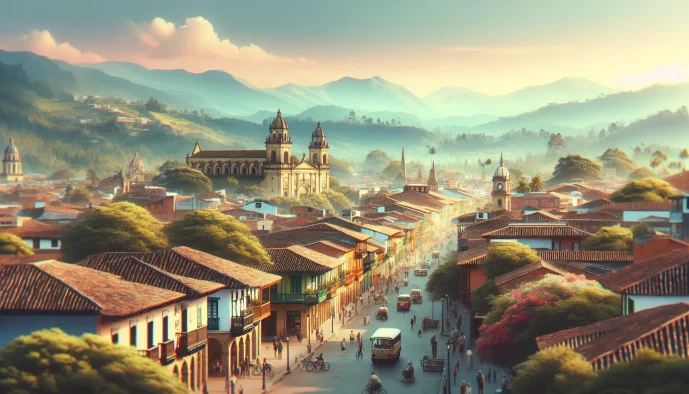
Nestled in Colombia's lush Caquetá Department, Florencia is the spirited gateway to the Amazon, where the rhythms of urban life blend seamlessly with untamed nature. Wander its vibrant streets, then venture to the Cascada del Mohan, where waterfalls whisper secrets of the jungle. A city of contrasts, Florencia invites you to savor its warmth and wild beauty.
Faits sur la destination
- Official Name: Florencia
- Type de destination: Ville
- Brief Description: A gateway to the Colombian Amazon, Florencia blends urban charm with lush rainforest surroundings, offering a unique mix of culture and nature.
- Location: Caquetá Department, in the Amazon Region (Región Amazónica), near the Cascada del Mohan.
- Year Established/Founded: 1902
- Governing Body/Management: Florencia Municipal Council
- Significance/Known For: Serving as a strategic hub for exploring the Amazon, with rich biodiversity and a vibrant local culture.
- Size/Area: Approximately 2,292 km² (city and municipality)
- Population: Around 180,000 (as of recent estimates)
- Main Attractions/Key Features:
- Cascada del Mohan, a stunning waterfall surrounded by dense jungle.
- Parque Santander, the city's central square with lively cultural events.
- Ecological trails leading into the Amazon rainforest.
- Best Time to Visit: Dry season (December to March) for easier access to outdoor sites.
- Entrance Fee/Ticket Info: N/A (city access is free; specific attractions may charge fees).
- Operating Hours: N/A (city is accessible year-round).
- Website: www.florencia-caqueta.gov.co
L'essentiel
- Top Attractions: Cascada del Mohan
- Mois les plus propices à la visite : Décembre, février, janvier, novembre
Histoire
A Brief History of Florencia
Nestled in the lush embrace of Colombia's Amazon region, Florencia is a city where history and nature intertwine. Founded in 1902 by Capuchin missionaries, the city was named in honor of Pope Leo XIII, whose birth name was Gioacchino Pecci—a nod to his hometown of Florence (Firenze), Italy. Florencia emerged as a strategic gateway to the Amazon, serving as a hub for rubber extraction and later, agricultural colonization. Its growth was shaped by the ebb and flow of Colombia's internal conflicts, yet it retained its role as the cultural and economic heart of the Caquetá Department.
The city's development has been marked by resilience, from its early days as a missionary outpost to its modern identity as a bustling urban center surrounded by biodiverse rainforest. Today, Florencia bears the traces of its past in its architecture, traditions, and the enduring influence of indigenous and settler communities.
Dates historiques clés
- 1902: Florencia is officially founded by Capuchin missionaries, establishing it as a religious and commercial center in the Caquetá region.
- 1930s–1950s: The rubber boom and subsequent agricultural expansion draw settlers to Florencia, transforming it into a vital trade hub for the Amazon.
- 1980s–2000s: The city faces challenges due to Colombia's armed conflict, yet remains a focal point for regional development and peacebuilding efforts.
- 2008: Florencia is declared the capital of the Caquetá Department, solidifying its administrative and cultural significance.
Visites et excursions d'une journée
Popular Tours & Day Trips from Florencia
1. Cascada del Mohán Adventure
Just a short drive from Florencia, the Cascada del Mohán is a breathtaking waterfall nestled in the lush Amazonian rainforest. Visitors can hike through verdant trails, swim in the refreshing pools, and admire the cascading waters. The excursion typically lasts half a day, making it ideal for nature lovers and adventure seekers. Local guides often share legends of the Mohán, a mythical figure said to guard the falls.
2. Caquetá River Boat Tour
A serene boat journey along the Caquetá River offers glimpses of the Amazon’s rich biodiversity. Travelers may spot pink river dolphins, exotic birds, and vibrant flora while learning about the region’s ecology from knowledgeable guides. The tour, which can be tailored to half or full-day itineraries, suits families and those seeking a tranquil immersion in nature.
3. Florencia City Walking Tour
Discover the charm of Florencia’s urban heart with a guided walking tour. Highlights include the Cathedral of Our Lady of Lourdes, the bustling central market, and vibrant murals depicting local culture. The tour, lasting around two hours, provides insight into the city’s history and daily life, appealing to history buffs and casual explorers alike.
4. Indigenous Community Visit
A visit to a nearby Inga or Kamëntsá community offers a rare opportunity to engage with indigenous traditions. Guests participate in rituals, sample traditional foods, and learn about ancestral crafts. This full-day cultural experience is deeply enriching for those interested in anthropology and sustainable tourism.
5. La Montañita Coffee Experience
Venture into the rolling hills of La Montañita, where small-scale coffee farms produce some of Colombia’s finest beans. The tour includes a walk through plantations, a demonstration of the harvesting process, and a tasting session. Lasting about four hours, it’s a must for coffee aficionados and those curious about rural livelihoods.
Quand visiter
Best Time to Visit Florencia
Répartition saisonnière
Florencia, nestled in Colombia's Amazon Region, experiences a tropical rainforest climate with distinct wet and dry seasons. Unlike traditional four-season destinations, its weather patterns revolve around rainfall rather than temperature fluctuations.
Dry Season (December–March)
Weather: Warm temperatures (24–32°C) with lower humidity and sporadic rainfall. Days are often sunny, making it ideal for outdoor exploration.
- Pros: Optimal for hiking to Cascada del Mohan and river excursions. Trails are more accessible, and wildlife sightings are frequent.
- Cons: Slightly higher tourist activity, though crowds remain manageable compared to urban hubs.
- Events: The Fiesta de San José in March celebrates the patron saint with parades and cultural performances.
Wet Season (April–November)
Weather: Heavy rainfall, particularly from May to July and September to November. Temperatures remain steady (23–30°C), but humidity soars.
- Pros: Lush, vibrant landscapes and fewer tourists. Ideal for those seeking solitude and the raw beauty of the Amazon.
- Cons: Some trails may flood, and river levels can disrupt boat travel. Mosquito activity increases.
- Events: The Festival de la Colonización in June commemorates Florencia's founding with music and traditional dances.
Shoulder Season (April & November)
Weather: Transitional months with moderate rainfall and tolerable humidity. Temperatures hover between 24–31°C.
- Pros: A balance between accessibility and tranquility. Accommodation rates may dip slightly.
- Cons: Unpredictable showers can interrupt plans, though rarely for extended periods.
Recommandation générale
The dry season (December–March) is best for first-time visitors prioritizing outdoor activities. For a more immersive Amazonian experience, the wet season (April–November) offers dramatic scenery and cultural depth, albeit with logistical trade-offs. Shoulder months appeal to flexible travelers seeking fewer crowds.
Considérations
Florencia lacks a pronounced peak season, but domestic tourism spikes during holidays like Semana Santa (March/April). Prices remain relatively stable year-round, though rainier months may see discounts. Always verify attraction accessibility during heavy rains.
Ce qu'il faut emporter
What to Pack for Florencia
Florencia, nestled in Colombia's Amazon region, blends urban charm with lush rainforest proximity. Pack for warm, humid days, sudden rain showers, and exploratory walks through its vibrant streets and nearby natural wonders like Cascada del Mohan.
Clothing & Footwear
- Lightweight, breathable clothing: Opt for moisture-wicking fabrics to stay comfortable in the tropical humidity.
- Compact rain jacket or poncho: Sudden downpours are common, especially near the rainforest.
- Sturdy walking shoes: Cobblestone streets and uneven terrain near waterfalls demand supportive footwear.
- Long-sleeved shirt & pants: Protects against mosquitoes during evening strolls or jungle excursions.
Gear & Accessories
- Waterproof dry bag: Keeps essentials safe during boat rides or waterfall visits.
- Insect repellent (DEET-based): Essential for the Amazon region’s mosquitoes.
- Quick-dry microfiber towel: Handy after impromptu dips in rivers or waterfalls.
- Reusable water bottle with filter: Stay hydrated without relying on single-use plastics.
Extras
- Spanish phrasebook or app: English is less commonly spoken here.
- Small backpack or crossbody bag: Secure and practical for city exploration.
- Binoculars: For spotting wildlife in the surrounding rainforest.
Culture
The Cultural Mosaic of Florencia
Florencia, the capital of Caquetá, is a city where the Andean foothills meet the Amazon, creating a cultural crossroads unlike anywhere else in Colombia. Here, the traditions of indigenous communities, colonos (settlers from the Andean regions), and the rhythms of the Amazon blend into a distinct identity. Unlike the more tourist-heavy destinations in Colombia, Florencia retains an unpretentious authenticity, where daily life unfolds with a quiet pride in its hybrid roots.
Indigenous and Colono Influences
The city’s cultural fabric is woven from the threads of the Inga, Kamëntsá, and other indigenous groups, alongside colonos who migrated from Huila and Tolima in the mid-20th century. This mix is palpable in the local dialect—a Spanish peppered with Quechua-derived words like "chagra" (small farm) and "minga" (community work). Visitors might notice the lingering influence of indigenous cosmovision in rituals, such as offerings to Pachamama (Mother Earth) before planting.
Cuisine: A Taste of the Frontier
Florencia’s cuisine is a testament to its frontier spirit. Dishes like carne a la llanera (grilled beef with yuca) reveal Andean roots, while pescado moqueado (smoked fish wrapped in bijao leaves) nods to Amazonian techniques. The city’s mercado central is the best place to sample casabe (cassava bread) or chicha de yuca, a fermented drink with indigenous origins. Unlike coastal Colombia, spices are used sparingly here—flavors are earthy, direct, and tied to the land.
Festivals and Social Rhythms
Florencia’s calendar revolves around events that reflect its dual identity. The Fiesta del San Pedro (June) blends Catholic fervor with indigenous dances, while the Festival de la Colonización (October) honors the colonos with horseback parades and bambuco music. Unlike the carnivalesque festivals of Barranquilla or Pasto, celebrations here feel communal, almost familial.
Local Etiquette Notes
- Greetings are warm but reserved—a handshake or nod suffices initially.
- Punctuality is flexible; events often start later than announced.
- When visiting rural areas, it’s polite to accept offers of food or drink, even symbolically.
Arts and Craftsmanship
The city’s artisans work with materials from the surrounding jungle—chambira palm fiber is woven into baskets, while balso wood is carved into animal figures inspired by Amazonian fauna. The Casa de la Cultura hosts workshops where visitors can observe these techniques, which are less commercialized than in tourist hubs like Leticia.
Music: Bambuco Meets Amazonian Chants
Florencia’s soundscape is a fusion of bambuco (Andean folk) and the rhythmic chants of Amazonian ceremonies. Look for live performances at Parque Santander on weekends, where local bands play the torbellino caqueteño, a regional variant of bambuco with faster tempos. The marimba de chonta (a wooden xylophone) sometimes makes an appearance, bridging Andean and Amazonian traditions.