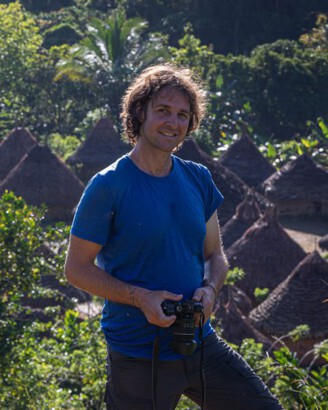
Guide pratique pour visiter les punas argentines
Explore the breathtaking landscapes of the Argentinian Punas with our expert guide to high-altitude travel.
Introduction and scope
The term “Argentinian Punas” refers to the vast, high-altitude plateaus and deserts that form the southern extension of the Andean Altiplano. Geographically, this is the Argentinian portion of the Puna de Atacama, a high-desert region shared with Chile, located primarily in the northwestern provinces of Jujuy, Salta, and Catamarca, with minor extensions into La Rioja. It is a world apart, a landscape defined by its immense scale and stark, elemental beauty.
Imagine an altiplano averaging 3,000 to 4,500 metres in elevation, a place of profound silence and clarity. The scenery is a breathtaking mosaic of geological wonders: sprawling salars (salt flats) that crackle under a relentless sun, perfectly conical volcanoes piercing a deep blue sky, mountains painted in impossible shades of red and ochre, ancient lava fields, and jewel-like lagoons that host resilient high-Andean wildlife. Dotted throughout this expanse are sparse adobe villages, where life moves at a rhythm dictated by the harsh, magnificent environment.
This article is conceived as a practical, field-tested guide for the independent traveller. It is aimed specifically at those planning to explore the Argentinian Puna with their own vehicle, particularly overlanders in 4x4s and adventure motorcyclists. Our focus is on providing the essential information needed to navigate this remote region safely, responsibly, and with a deeper appreciation for its unique challenges and rewards.
To maintain clarity, this guide concentrates exclusively on the Argentinian side of the Puna, covering the distinct regions within Jujuy, Salta, and Catamarca. While we will note key border crossings into Chile, such as the Paso de Jama, we will not provide detailed itineraries for the Chilean Atacama. The objective is to equip you with the knowledge to plan a thorough and self-reliant journey through one of South America’s most compelling and least-travelled landscapes.
Understanding the Puna environment
Before venturing into the high plateaus, it’s essential to grasp the fundamental characteristics of the Puna. This is a landscape of extremes, where altitude, weather, and isolation dictate the terms of travel. A solid understanding of this environment is the first step towards a safe and rewarding journey.
Geography and altitude
The Argentinian Puna is the southern extension of the Andean Altiplano, a vast high-altitude desert known as the Puna de Atacama. Covering roughly 80,000 square kilometres, with about 85% of its territory within Argentina, this region has an average elevation approaching 4,500 metres. The topography is defined by immense, arid plateaus enclosed by towering mountain ranges and dotted with volcanic cones that often exceed 6,000 metres. These plateaus contain endorheic basins—closed drainage systems—that have given rise to the iconic salars (salt flats) and high-Andean lagoons that shimmer in the intense sunlight.
For travellers, the Puna can be understood through its three main provincial sectors:
- The Jujuy Puna: The northernmost sector, accessed from the Quebrada de Humahuaca. It includes key sites like the Salinas Grandes, the remote villages of Cusi Cusi and Casabindo, and the high lagoons of the Vilama Biosphere Reserve.
- The Salta Puna: A central region often reached via the Quebrada del Toro. Its nerve centre is the old railway town of San Antonio de los Cobres, with the village of Tolar Grande serving as a base for exploring the otherworldly Salar de Arizaro and its famous Cono de Arita.
- The Catamarca Puna: The southernmost and perhaps most dramatic sector, home to a high concentration of volcanoes. The towns of Antofagasta de la Sierra and El Peñón are the primary hubs for visiting the spectacular Campo de Piedra Pómez (Pumice Stone Field) and the “route of the six-thousanders” (seismiles).
Climate and weather patterns
The Puna’s climate is classified as high-mountain continental, defined by its extreme aridity and vast temperature fluctuations. The air is exceptionally thin and dry, with very low humidity. This leads to intense solar radiation during the day and rapid heat loss after sunset. It’s common for a day to feel pleasantly warm under the sun, only for temperatures to plummet well below freezing as soon as night falls. The daily thermal amplitude is significant, and documented extremes across the region can range from over 30°C to a bitter -30°C.
Precipitation is scarce, as much of the Puna lies above the main cloud layers. What little rain falls is concentrated in the summer months (December to March) and often manifests as short, violent thunderstorms in the late afternoon. These downpours can cause flash floods and temporarily render unpaved roads impassable.
Wind is a relentless and defining feature of the Puna. Strong, cold, and persistent winds, typically from the west or southwest, sweep across the open plateaus. This constant airflow significantly increases the wind chill factor, making it feel much colder than the thermometer suggests, and presents a real challenge for motorcyclists and drivers of high-sided vehicles.
Ecosystems and wildlife
The Puna’s vegetation is sparse and highly adapted to the harsh conditions. Above 3,800 to 4,200 metres, the landscape is dominated by high-Andean steppe, featuring hardy grasses and compact, low-growing cushion plants (yareta). At slightly lower altitudes, you may find scattered shrubs and cacti. This stark ecosystem is surprisingly full of life.
The region is a sanctuary for iconic South American camelids, and you are almost certain to see herds of wild vicuñas—prized for their fine wool—and their larger cousins, the guanacos. Domesticated llamas are a common sight near villages. Other frequent sightings include the mountain vizcacha (a rodent resembling a rabbit with a long tail) sunning itself on rocks and the elusive Andean fox. The high-altitude lagoons and salars are critical habitats for birdlife, most notably several species of flamingos, which filter the saline waters for food.
This fragile environment demands a mindful approach from visitors. The wildlife is wild; observe from a distance and never feed the animals. It is particularly important not to disturb nesting bird colonies at the lagoons, as this can cause them to abandon their eggs. Always respect marked trails and buffer zones in protected wetlands to minimise your impact on these unique high-Andean ecosystems.
When to go – seasonality and timing
Timing a journey to the Puna is a critical part of planning. The region’s high-altitude desert climate creates distinct seasons, each presenting unique opportunities and challenges. Unlike destinations with simple wet and dry seasons, the Puna’s conditions are a complex interplay of temperature, precipitation, and wind, profoundly affecting accessibility and the overall experience.
3.1 Overview of seasons
The Argentinian Puna follows the Southern Hemisphere’s seasonal patterns, but its extreme altitude modifies them significantly. There isn’t a single “best” time to visit; rather, the ideal window depends on your tolerance for cold, your vehicle, and your travel priorities.
- Austral Summer (December to March): This period is the warmest, with daytime temperatures that can feel pleasant under the intense sun. However, it is also the rainy season. While precipitation is low overall, summer brings a higher chance of powerful, localised thunderstorms, especially in the late afternoon. These cloudbursts can transform dry riverbeds into impassable torrents and turn unpaved roads into mud, leading to temporary washouts and closures.
- Austral Winter (June to August): Winter offers the driest and most stable weather, with brilliantly clear blue skies. This clarity comes at a cost: it is intensely cold. Night-time temperatures plummet far below freezing, often to -15°C or lower, and even daytime highs may struggle to rise above freezing in the shade or wind. Snowfall is possible, and ice can linger on high passes, making certain routes hazardous or inaccessible.
- Shoulder Seasons (April–May and September–November): For many, the autumn and spring months represent the most favourable balance. Tour operators and experienced independent travellers often favour these periods. The weather is generally more settled than in summer, and the temperatures are less severe than in winter. The roads are typically in their best condition, and the quality of light for photography is often spectacular.
3.2 Choosing the best window
Deciding when to travel involves weighing the trade-offs of each season. Your choice will influence everything from what you pack to the routes you can safely attempt.
Travelling in the Shoulder Seasons (Autumn & Spring)
This is often considered the optimal time for a first-time visit or a photography-focused expedition.
- Advantages: You will likely encounter more stable weather, with a lower probability of road closures due to rain or snow. Daytime temperatures are generally comfortable for driving and short walks, and the roads are typically dry and firm.
- Disadvantages: Nights are still profoundly cold, requiring proper gear for camping or stays in basic lodging. Unpredictable storms or cold fronts can still occur, so flexibility in your itinerary remains essential.
Travelling in the High Season (Summer)
While riskier from a logistical standpoint, a summer trip has its own distinct appeal.
- Advantages: The landscape can be more dynamic, with dramatic cloud formations and potentially more water in the high-altitude lagoons, which can concentrate birdlife. Longer daylight hours provide more time for exploration.
- Disadvantages: The primary drawback is the risk of thunderstorms and impassable roads. A single afternoon storm can derail plans for several days. Muddy conditions on unpaved sections can make driving difficult and stressful.
Considerations for Motorcyclists
Riders are more exposed to the elements, making seasonal choice even more critical. Traction, temperature, and wind are paramount concerns.
Summer rains can make gravel roads (ripio) and sandy tracks treacherous, with a high risk of getting bogged down in mud. Conversely, the dry, firm conditions of winter offer better grip, but the danger of encountering ice on shaded sections of high passes is a serious risk. Wind is a constant factor in the Puna but can be particularly relentless and gusty in the spring (September–November). For a motorcyclist, battling a persistent crosswind at 4,000 metres is not only physically taxing but also significantly increases the wind chill factor, making effective thermal layering non-negotiable.
Access and base cities
The vastness of the Puna demands a thoughtful approach, starting from well-established urban centres that serve as logistical hubs. These cities are not merely transit points but essential places to gather supplies, prepare your vehicle, and begin the crucial process of altitude acclimatisation before ascending into the high desert.
Main gateways
Three provincial capitals form the primary gateways to the Argentinian Puna. Salta city, San Salvador de Jujuy, and San Fernando del Valle de Catamarca are the departure points for nearly all organised expeditions and the logical starting lines for independent travellers. Each city is serviced by airports with regular flights from Buenos Aires and other national hubs, making them accessible entry points to the northwest. Use your time in these cities to perform final vehicle checks, stock up on non-perishable food and water, secure any last-minute gear, and spend a day or two adjusting to the moderate altitude before climbing higher.
Access roads into the Puna
From these gateways, several key corridors provide entry into the high-altitude plateaus. Each route offers a distinct character and set of challenges, transitioning from paved highways in the valleys to rugged gravel tracks on the altiplano.
- From Jujuy: The most common route ascends from the Quebrada de Humahuaca. National Route RN 9 leads to Purmamarca, where the spectacular, winding RN 52 begins its climb up the Cuesta de Lipán, reaching over 4,100 metres before descending to the Salinas Grandes salt flats and continuing to the Puna town of Susques.
- From Salta: National Route RN 51 follows the dramatic Quebrada del Toro canyon, paralleling the famous Tren a las Nubes railway tracks. This road leads directly to San Antonio de los Cobres, the main service town in the Salta Puna, and serves as the primary artery for reaching remote destinations like Tolar Grande.
- From Belén or Fiambalá (Catamarca): The main access to the Catamarca Puna is via National Route RN 40 and Provincial Route RP 43. This recently paved route climbs steadily from the valley towns up to El Peñón and Antofagasta de la Sierra, the region’s principal settlement.
- From Catamarca’s capital: A longer approach involves taking RN 60 towards the Chilean border before connecting with RN 40 and eventually the provincial routes (like RP 36 or RP 43) that lead into the heart of the Puna.
It is essential to understand that these are long and isolated routes. While the main national highways may be paved, many provincial routes and nearly all secondary tracks are ripio (gravel) or graded earth. Services are extremely limited, and a journey that appears short on a map can take many hours to complete.
Public transport and organised tours
For those travelling without a private vehicle, options for exploring the Puna are limited but not entirely absent. Infrequent but vital bus services exist, such as the famous “Antofagasteño,” which connects the valley town of Belén with Antofagasta de la Sierra. This service runs only a few times a week and requires careful planning, but it offers a genuine immersion into local life.
However, the vast majority of visitors explore the deeper Puna through organised 4×4 tours. These excursions, departing from Salta, Jujuy, or the Catamarca valley towns, provide the security of an experienced local driver, a knowledgeable guide, a suitable vehicle, and pre-arranged logistics, including fuel and accommodation. For independent travellers, joining such a tour is often the only practical way to reach the most remote and iconic sites, such as the Campo de Piedra Pómez, the Cono de Arita in the Salar de Arizaro, and many of the high-Andean lagoons, which are located far from public transport routes and require specialised navigation and driving skills.
Health and altitude considerations
The Puna is not just a place of immense beauty but also one of significant environmental stress on the human body. Altitude is the single most important factor to manage for a safe and enjoyable journey. Underestimating its effects can turn a dream trip into a miserable, or even dangerous, experience.
5.1 Altitude ranges and physiological impact
Travel in the Argentinian Punas means living and moving at elevations that are unfamiliar to most people. The majority of towns, such as San Antonio de los Cobres, Antofagasta de la Sierra, and Susques, are situated between 3,000 and 4,300 metres (9,800 to 14,100 feet). The roads connecting them frequently cross passes well above 4,500 metres (14,760 feet), with some viewpoints and secondary tracks approaching the 5,000-metre mark.
At these heights, the atmospheric pressure is significantly lower, meaning there is less available oxygen with every breath. For an unacclimatised person, this can lead to a range of symptoms collectively known as Acute Mountain Sickness (AMS). Common initial signs include shortness of breath, fatigue, persistent headaches, dizziness, and loss of appetite. These are normal physiological responses, but they must be monitored closely.
5.2 Preparing and acclimatising
The key to mitigating the effects of altitude is gradual ascent. Your body needs time to adapt to the lower oxygen levels. Rushing from sea level to the high plateau in a single day is a recipe for discomfort and potential illness. The most effective strategy is to build acclimatisation into your itinerary.
Many guided tours are structured this way for a reason. Plan to spend at least one or two full days at an intermediate altitude of around 2,000 to 2,500 metres before climbing higher. The valleys around Salta or the towns in the lower Quebrada de Humahuaca (like Purmamarca or Tilcara) are excellent staging points for this purpose.
While acclimatising, follow these standard guidelines:
- Stay hydrated: The dry air at altitude causes you to lose moisture faster. Drink plenty of water, even if you don’t feel thirsty.
- Eat light: Avoid heavy, hard-to-digest meals and excessive alcohol, both of which can worsen symptoms. Opt for lighter, high-carbohydrate meals.
- Ascend slowly: Plan your driving days to avoid large, rapid gains in elevation where you will be sleeping. The old mountaineering adage “climb high, sleep low” is wise advice.
- Listen to your body: At the first sign of a strong headache or nausea, rest. Do not push onwards or ascend further until you feel better.
5.3 Managing risks at altitude
It is crucial to recognise the difference between mild AMS symptoms and more severe conditions that require immediate action. If you or a travel companion experience any of the following, descent to a lower altitude is the only effective treatment:
- A severe, persistent headache that is not relieved by mild painkillers.
- Persistent nausea and vomiting.
- Loss of coordination, dizziness, or confusion (ataxia).
- Extreme fatigue or difficulty breathing, even while at rest.
Plan your first few days in the Puna with conservative daily distances. Over-exertion, such as undertaking a strenuous hike immediately upon arrival at 4,000 metres, dramatically increases your risk of developing AMS. Give your body a day or two of light activity to adjust. Remember that routes like the one from San Antonio de los Cobres to Tolar Grande cross high passes like the Abra de Alto Chorrillo at over 4,500 metres. Attempting such a journey without having properly acclimatised beforehand is ill-advised and can compromise your safety.
Safety overview
Main objective hazards
In the Argentinian Punas, the most significant challenges are not posed by human factors but by the environment itself. The primary risks are objective and logistical, stemming directly from the region’s geography and climate. Travellers must be prepared for a combination of high altitude, extreme daily temperature fluctuations, intense solar radiation, and relentless wind. The profound isolation and vast distances between any form of service amplify these challenges, turning minor issues into potentially serious situations.
Road conditions present another layer of risk, especially for independent drivers and motorcyclists. Away from the few paved corridors, you will encounter a variety of demanding surfaces:
- Ripio (gravel): Loose gravel roads are the norm, requiring constant attention and lower speeds to maintain control.
- Corrugations (washboard): Long stretches of ripio develop a rippled, “washboard” surface that can be punishing on vehicle suspension and rider stamina.
- Sand and Potholes: Patches of deep sand can appear suddenly, particularly on less-travelled tracks, while potholes are a constant feature.
- Ice and Snow: During the winter months or even on cold mornings in the shoulder seasons, high passes can have patches of black ice or be dusted with snow, making traction precarious.
Crime and personal security
The remote communities of the Puna are generally welcoming, and violent crime targeting travellers is exceptionally rare. The sense of security is one of the region’s subtle appeals. Your primary safety concerns will almost always be related to navigation, vehicle reliability, and the environment rather than personal security. The isolation that creates logistical challenges also contributes to a low-crime environment.
Nonetheless, standard precautions remain sensible, particularly in the larger gateway towns. It is always prudent to safeguard valuables, avoid leaving items in plain sight in your vehicle, and choose visible or secure parking areas when staying overnight. More importantly, showing respect for local communities, their property, and their customs is the best way to ensure positive interactions and a trouble-free journey.
Risk mitigation strategies
Successfully navigating the Puna’s challenges hinges on meticulous preparation and a conservative approach to travel. The most effective safety tool is a well-thought-out plan that anticipates potential problems and builds in buffers for the unexpected. Key strategies include:
- Conservative Planning: Plan daily travel legs that are realistic, not ambitious. Distances that look short on a map can take many hours to cover on rough tracks at high altitude. Build in extra days for weather delays or to simply rest and acclimatise.
- Fuel and Water Buffers: Never pass a reliable fuel station without filling your tank and any auxiliary containers. Carry more drinking water than you estimate needing for each leg of your journey.
- Contingency Routes: Have alternative routes in mind in case your primary path is blocked by a river washout, snow, or a mining operation.
- Weather Awareness: Check weather forecasts whenever you have a connection, and always be prepared for sudden changes, especially afternoon thunderstorms in the summer.
Given the sparse mobile phone coverage, maintaining a line of communication is crucial. Before you depart, share your detailed itinerary and expected timeline with a trusted contact. Plan to check in with them at predetermined intervals when you expect to be in a town with a signal. For those venturing into the most remote sectors, particularly solo travellers or small groups, carrying a satellite messaging device or a personal locator beacon (PLB) is a highly recommended safety measure that can provide peace of mind and a reliable link to help in an emergency.
Choosing your transport – moto, 4×4 and other options
The Puna is not a landscape to be taken lightly, and your choice of transport will fundamentally define the scope, safety, and character of your journey. While organised tours have their place, independent travel offers a profound connection to the environment, provided your vehicle is fit for the purpose.
4×4 vehicles
There is a clear reason why nearly all commercial expeditions in the Puna use modern 4×4 pickup trucks and SUVs: they are the most reliable and capable tools for the region’s demanding terrain and isolation. An experienced local driver at the wheel of a well-maintained Toyota Hilux or similar vehicle is the standard for navigating the complex network of gravel tracks, sandy riverbeds, and high-altitude passes.
For those planning to explore with a private vehicle, it must be properly equipped. The minimum requirements include:
- High ground clearance to navigate deep ruts, rocky sections, and occasional river crossings.
- Low-range gearing (4L), which is essential for controlled ascents and descents on steep, loose surfaces and for maintaining traction in sand or mud.
- Good all-terrain (A/T) tyres with robust sidewalls and sufficient tread. Standard road tyres are unsuitable and prone to failure.
- Basic recovery gear, such as a sturdy tow rope, shackles, a shovel, and traction boards, can be invaluable if you encounter soft sand or get stuck.
Motorcycles
For the self-reliant traveller, a motorcycle offers an unparalleled sense of immersion in the Puna’s vast landscapes. The connection to the wind, sun, and terrain is immediate and intense. However, this intimacy comes with increased vulnerability and requires meticulous planning. The rider is more exposed to the elements, and the logistical challenges of managing fuel and water are magnified.
Long-distance motorcycle travellers in Argentina have established a clear consensus on the ideal machine for these conditions. Your bike should be a capable dual-sport or adventure (ADV) model featuring:
- Long-travel suspension to absorb the relentless corrugations (ripio) and unexpected potholes.
- Durable, mixed-terrain tyres that can handle everything from asphalt to deep gravel and sand.
- A robust luggage system that is securely mounted and can withstand vibrations and potential falls.
Remember that all the environmental constraints—the vast distances between fuel stops, the performance-sapping effects of altitude, and the constant, energy-draining wind—apply more forcefully to the motorcyclist. Smaller fuel tanks necessitate carrying auxiliary fuel, and the physical toll of riding in these conditions is significantly higher.
Other modes (buses, hitch-hiking, cycling)
While not impossible, exploring the Puna without a dedicated private vehicle is extremely limiting. Public bus services are scarce, often running only once or twice a week between major villages like El Peñón and Antofagasta de la Sierra. These services are designed for locals, not tourists, and will not take you to remote attractions like the Campo de Piedra Pómez or the Cono de Arita. Hitch-hiking is similarly impractical due to the very low volume of traffic on most routes.
Cycling through the Puna is an undertaking reserved for the most experienced and resilient long-distance bicycle tourers. The combination of extreme altitude, relentless headwinds, huge distances between water and food sources, and freezing night temperatures makes it a formidable physical and logistical challenge. It requires a level of planning and self-sufficiency that is orders of magnitude greater than that needed for motorised travel.
Route planning and navigation
Navigating the vast and sparsely populated Puna requires a thoughtful and redundant approach. While the sense of isolation is a key part of the appeal, being well-prepared with the right tools and information is fundamental to a safe and successful journey. Relying on a single system is ill-advised; a combination of official guides, digital tools, and human intelligence will serve you best.
Using official resources
In recent years, Argentina has made significant strides in organising and promoting its remote natural destinations. National initiatives like La Ruta Natural provide an excellent starting point for any Puna expedition. This government-backed platform outlines coherent circuits, including a dedicated “Ruta de la Puna,” complete with maps, descriptions of key attractions, and information on services and protected areas. These official resources are invaluable for building a foundational itinerary, understanding logical segments of your trip, and identifying the main corridors and points of interest. They can help you structure your days and ensure you don’t miss crucial supply points or culturally significant sites.
Maps, GPS and offline tools
Redundancy is the cornerstone of safe navigation in the Puna. Your system should consist of at least two, preferably three, independent methods. We recommend a combination of:
- Paper Maps: A high-quality, large-scale physical map of Northwest Argentina remains an essential tool. It provides the best overview of the entire region, doesn’t rely on batteries, and is invaluable for big-picture planning when digital screens fail or prove too small.
- Dedicated GPS Device: A rugged GPS unit (such as those from Garmin) is often more durable and reliable in harsh conditions than a smartphone. Its satellite reception can be superior, and it is built to withstand dust, vibrations, and temperature swings.
- Smartphone with Offline Maps: Modern smartphones are powerful navigation tools, provided you prepare them correctly. Before you lose connectivity in the gateway cities, download detailed offline maps for the entire region using apps like OsmAnd, Maps.me, or Google Maps. These apps allow you to navigate using your phone’s GPS signal even without a mobile network.
It is critical to download all necessary map layers and save key waypoints before your departure. Mobile data coverage is extremely limited, often available only in the centre of a few larger villages and completely absent for hundreds of kilometres along the tracks.
GPX tracks and local knowledge
For navigating the Puna’s more intricate network of unpaved roads and sandy tracks, GPX files can be immensely helpful. However, caution is advised. Do not blindly follow an old track downloaded from an unverified source. The landscape is dynamic; routes can be rerouted due to mining activity, washed out by summer rains, or fall into disuse. An outdated track might lead you to a locked gate on private mining land or into an impassable riverbed.
This is where the value of recent, local information becomes paramount. Before tackling a remote section, always try to speak with people on the ground. Chat with local guides, accommodation owners, or police in the last village. They can provide the most current information on:
- Seasonal Road Closures: Especially during summer, flash floods can destroy sections of road, and in winter, high passes can be blocked by snow.
- River Levels: Routes like the challenging 4×4 track between Fiambalá and Las Papas involve multiple river crossings whose feasibility depends entirely on recent rainfall.
- Mining Traffic: Locals will know the schedules and routes of heavy trucks, which can be a significant hazard on narrow gravel roads.
This on-the-ground intelligence is the final, and perhaps most important, layer of your navigation strategy, turning a well-planned route into a successfully executed one.
Logistics fundamentals
Fuel availability and planning
Success in the Puna hinges on meticulous fuel management. Routes are long, and the distances between reliable service stations can easily exceed the range of a standard vehicle tank. Availability in small Puna villages is often intermittent; pumps may be out of service, or the town might be waiting for a delivery. Never assume the next dot on the map has fuel.
To illustrate the challenge, consider these common routes:
- Belén to Antofagasta de la Sierra: This leg, via El Peñón, covers roughly 300 kilometres. The last major refuelling point is Belén. While El Peñón and Antofagasta often have fuel for sale, it can be from a drum at a higher price and is not always guaranteed.
- Salta to Tolar Grande: The journey is about 360–380 kilometres. You can fill up in Salta and again in San Antonio de los Cobres. The next station is in Tolar Grande itself, with absolutely nothing in between.
- Campo de Piedra Pómez: This protected area has no services whatsoever. All fuel for the journey in, around, and back out must be carried from either El Peñón or Antofagasta de la Sierra.
The cardinal rules of Puna travel are simple but non-negotiable. Always fill your tank to the brim in larger towns like Salta, Belén, or San Antonio de los Cobres. More importantly, carry auxiliary fuel. For 4x4s, this means one or two jerrycans. For motorcyclists, soft fuel bladders are an excellent, packable solution. This extra supply is not just for extending your range; it’s your primary buffer against unexpected closures, detours, or simply getting delayed.
Water and food
In this high-altitude desert, water is your most critical consumable. Surface water sources are scarce and almost always undrinkable due to high salinity or mineral content. All drinking water must be carried from towns and reliable lodgings. Plan on carrying a minimum of 3-4 litres per person per day for drinking alone, plus additional water for cooking and basic hygiene. Given the dry air and physical exertion, it’s wise to carry a surplus for at least one extra day in case of delays.
While you won’t starve, culinary options are limited. Most Puna villages have a small shop, or almacén, selling basic supplies like pasta, tinned goods, biscuits, and drinks. You may also find a simple restaurant or a family offering a set meal (comedor). However, the variety is minimal. For any specific dietary needs or a broader selection of fresh produce and supplies, you must stock up thoroughly in the gateway cities of Salta, San Salvador de Jujuy, or San Fernando del Valle de Catamarca before heading into the highlands.
Electricity, connectivity and power management
The infrastructure in Puna communities has improved significantly, but it remains a world away from urban standards. Many localities, including Antofagasta de la Sierra and El Peñón, now operate on hybrid energy systems that combine large solar panel arrays with diesel generators. This has made 24-hour electricity common, a major upgrade from the past when power was only available for a few hours each evening.
However, these systems are still isolated and can be fragile. Outages can occur, and the overall capacity is limited. To stay self-sufficient, it is essential to have your own power strategy. A high-capacity power bank is a minimum requirement for keeping phones and camera batteries charged. A 12V charger for your vehicle is indispensable for topping up devices while on the move. For those camping or wanting extra security, a compact, portable solar panel can be a trip-saver.
As for staying connected, expect to be offline for most of your journey. Mobile phone signal is generally restricted to the centre of villages and is often weak or slow. Once you leave a town, you will be without coverage for hours or even entire days. This makes offline maps an absolute necessity and a satellite messaging device a highly recommended piece of safety equipment.
Regulations, protected areas and responsible travel
The Puna’s stark beauty is a direct result of its extreme fragility. As an independent traveller, your actions have a significant impact on this delicate environment and its communities. Adhering to local regulations and practising responsible travel ethics is not just a suggestion; it is a fundamental part of a successful and respectful journey.
10.1 Key protected areas and access rules
Many of the Puna’s most iconic landscapes are located within protected areas or on community-managed land, each with specific rules designed to preserve their natural and cultural integrity. It is essential to research and respect these regulations, which can change based on season or local decisions.
- Campo de Piedra Pómez: This vast field of wind-sculpted pumice is a designated provincial protected area (área natural protegida) in Catamarca. Access is strictly controlled. You will need a high-clearance 4×4 vehicle, and it is mandatory to hire an authorised local guide. An entrance fee is charged, and you must register before entering. The internal tracks are unmarked and sandy, making a guide essential for both navigation and safety.
- Cono de Arita: This strikingly perfect cone rises from the middle of the Salar de Arizaro in Salta. Access involves a long drive across the salt flat on designated tracks. The cone is a sacred site for local communities, and climbing it is strictly prohibited. Respect its cultural significance by admiring and photographing it from a distance.
- Ojos de Mar: Located near Tolar Grande, these small, turquoise pools are home to fragile ecosystems containing stromatolites—living fossils linked to the earliest life on Earth. Access is regulated to protect this unique environment. Visitors must stay on the designated walkways, and swimming or touching the water is forbidden.
- High-Andean Lagoons and Wetlands: Lagoons in areas like Vilama (Jujuy) or around Antofalla (Catamarca) are vital habitats for flamingos and other high-Andean birds. Many of these sites have access restrictions set by local communities to protect nesting colonies and feeding grounds. Always look for signage, respect buffer zones, and never approach wildlife too closely. Confirm current rules with local guides or in the nearest village before visiting.
10.2 Environmental ethics in fragile landscapes
Beyond official regulations, a personal commitment to conservation is key. The Puna’s high-altitude desert ecosystems recover from damage extremely slowly, if at all.
- Stay on the tracks: Driving off-track can cause irreparable damage. It crushes sparse vegetation and destroys delicate cryptobiotic soil crusts that take centuries to form and are vital for preventing erosion. In salars and volcanic fields, tyre marks left on salt or ash can persist for decades.
- Practice strict leave-no-trace principles: Pack out absolutely everything you pack in, including organic waste. Burying rubbish is not a solution, as the arid climate preserves it and animals may dig it up. Use designated toilets where available and learn proper techniques for managing human waste in remote areas. Avoid using soaps or detergents in any natural water source.
- Be mindful of fire: The Puna is extremely dry and windy, creating high fire risk. Avoid campfires wherever possible. If you must have one, use an existing fire ring, keep it small, and ensure it is completely extinguished with water before leaving.
- Drone etiquette: While drones can capture stunning perspectives, their use requires careful consideration. Local communities may prohibit flights over sacred sites or private land. Never fly a drone near wildlife, as the noise can cause significant stress, especially to nesting birds. Always check local rules and be prepared to keep your drone grounded out of respect.
10.3 Cultural respect and community guidelines
The Puna is not an empty wilderness; it is a living, cultural landscape. The small villages scattered across the altiplano are home to indigenous communities with deep historical roots and strong traditions. Your interactions should be guided by humility and respect.
- Ask before you photograph: Always ask for permission before taking photos or videos of people, especially elders and children. A friendly greeting and a simple request go a long way. If someone declines, respect their wishes without question.
- Support the local economy: Whenever possible, contribute directly to the communities you visit. Stay in locally-owned lodgings, hire local guides, eat at small family restaurants, and purchase authentic handicrafts. This provides a sustainable income and validates the preservation of local culture.
- Observe community rules: Local communities often have their own unwritten or posted rules regarding access to land, water sources, or ceremonial sites. They may set limits on where visitors can walk, camp, or fly drones. Pay attention to local customs, heed the advice of your guide, and always act as a guest.
Culture and human landscape
Puna communities and traditions
To travel through the Puna is to witness a landscape profoundly shaped by its people, and a people shaped by their landscape. The villages you encounter are not mere stopovers; they are small, resilient communities, many with deep pre-Hispanic roots. Life here is a testament to centuries of adaptation, blending a strong pastoral heritage with the more recent, and often dominant, influence of mining. These are places of quiet dignity, where adobe walls hold stories and the rhythm of life is dictated by the sun and the seasons.
While daily life is often austere, the cultural fabric is rich. In the Jujuy Puna, the village of Casabindo offers a remarkable window into this syncretic culture. Its colonial-era church stands as a historical beacon, but it is most famous for the Toreo de la Vincha, a unique bullfighting festival held each 15th of August. Unlike Spanish bullfighting, this ritual involves no bloodshed; instead, the goal is to snatch a ribbon of coins (the vincha) from the bull’s horns, a celebration of courage and faith dedicated to the Assumption of the Virgin Mary.
Across the region, you will observe the enduring traditional activities that sustain these communities:
- Pastoralism: Herds of llamas and sheep are a constant feature of the landscape, providing wool, meat, and a connection to ancestral ways of life.
- High-altitude agriculture: In sheltered pockets where water is available, you will find small plots of quinoa and Andean potatoes, crops perfectly suited to the demanding climate.
- Handicrafts: Many communities are known for their exceptional textiles, woven from llama or sheep wool, as well as simple, functional ceramics that reflect the earth from which they are made.
- Religious festivities: A blend of Catholic and pre-Columbian beliefs, local festivals are vibrant expressions of community identity, often tied to patron saints or the agricultural cycle.
Everyday life and services
The realities of life in the Puna are defined by isolation, an extreme climate, and an economy often tied to large-scale mining operations. This context shapes the services available to travellers. Infrastructure is functional but limited. Water may come from communal cisterns or small, carefully managed systems, and electricity, while more reliable now thanks to solar and hybrid projects, can still be intermittent. In many areas, employment and the local economy are heavily influenced by nearby lithium or borax mines, creating a unique dynamic between traditional life and modern industry.
For the visitor, this translates into an experience grounded in authenticity. Expect simple but deeply genuine hospitality. Accommodations are often family-run guesthouses (hospedajes) with basic comforts, and dining options may be limited to a single restaurant or a home-cooked meal offered by your host. It is best to approach this not as a lack of amenities, but as an opportunity to connect with the region on its own terms. The simplicity is part of the Puna’s profound appeal, stripping away the non-essential and focusing the journey on the landscape and its people.
Gear and packing strategy
Success in the Puna hinges on preparation. The right gear not only enhances comfort but is a critical component of your safety net. Packing for this environment means anticipating extreme fluctuations in temperature, intense sun, and self-sufficiency for long stretches between services.
Clothing for high-desert conditions
The key to comfort in the Puna is a versatile layering system that allows you to adapt to a 20-degree Celsius temperature swing in a single day. Intense solar radiation at altitude can make a windless afternoon feel warm, but temperatures plummet the moment the sun sets or a cloud passes.
- Layering System: Your clothing should be built in layers that you can add or remove as conditions change. Start with a moisture-wicking base layer (merino wool or synthetic), add an insulating mid-layer (fleece or a light down vest), and have a warm insulated jacket (down or synthetic fill) for evenings and cold mornings. The final piece is a windproof and preferably waterproof outer shell to protect you from the relentless wind.
- Extremities: Don’t forget insulated gloves and a warm hat (like a beanie or fleece-lined cap), as a significant amount of body heat is lost through your head and hands.
- Sun Protection: The thin atmosphere at high altitude offers little protection from UV radiation. Sunburn can occur quickly and severely. Essential items include a high-SPF (50+) sunscreen, SPF lip balm, high-quality sunglasses with full UV protection, and a wide-brimmed hat or a buff for neck and face coverage.
Camping and shelter
While Puna villages offer basic lodging, camping provides unparalleled freedom. However, it requires equipment capable of withstanding harsh conditions, particularly the wind and cold.
Essential gear for a Puna campsite includes:
- Tent: A four-season tent is ideal, but a sturdy, high-quality three-season tent with a strong pole structure and a full-coverage rainfly can suffice. The primary requirement is excellent wind resistance.
- Sleeping System: A warm sleeping bag is non-negotiable. Choose one with a comfort rating of at least -5°C to -10°C (14°F to 23°F), as nighttime temperatures regularly drop well below freezing. Pair it with a well-insulated sleeping mat (with a high R-value) to prevent heat loss to the cold ground.
- Cooking: A reliable stove that performs well in cold and windy conditions is crucial. Liquid fuel stoves are often more dependable at altitude than canister stoves. Carry enough fuel for your planned itinerary, plus a reserve for delays.
When choosing a place to camp, prioritise shelter. Tucking your tent behind a large rock formation or a small dune can significantly reduce wind exposure. Always avoid setting up in dry riverbeds (quebradas) or drainage channels, as a distant thunderstorm can send a flash flood down these paths with little warning.
Navigation, communication and safety gear
In a region where mobile phone signals are a rarity outside of village centres, redundancy in your navigation and communication systems is a fundamental safety principle.
- Navigation: Do not rely on a single device. A combination of a dedicated GPS unit, a smartphone with detailed offline maps downloaded (e.g., OsmAnd, Maps.me), and a physical paper map of the region is the standard for safe travel.
- Communication: For any serious exploration beyond main routes, a satellite communication device (like a Garmin inReach or SPOT) is highly recommended. It allows for two-way messaging, location tracking, and an SOS function in case of a critical emergency.
- Safety and Repair: A comprehensive kit should include a well-stocked first-aid kit tailored to remote travel, a headlamp with spare batteries, emergency space blankets, a multi-tool, and a vehicle-specific repair kit with the tools and spares needed for common roadside fixes, especially tyre punctures.
Photography and tech
The Puna is a photographer’s dream, but the environment is tough on electronics. Dust, wind, and cold can all take their toll.
- Camera Gear: A weather-resistant camera body and lenses are a significant advantage. Bring a lens hood to reduce glare and protect the front element, along with a robust cleaning kit (blower, cloths) to manage the pervasive fine dust. Pack plenty of memory cards and several spare batteries, as cold temperatures can drain them faster than usual.
- Power Management: Since electricity can be intermittent even in villages, carry a high-capacity power bank to keep your phone, camera batteries, and navigation devices charged. For extended trips or heavy use, a compact solar panel can be invaluable for staying powered off-grid.
- Drones: If you plan to use a drone, be aware of the challenges. The thin air at high altitude reduces lift, shortening flight times and affecting stability. Strong, unpredictable winds are a constant threat. Always carry extra batteries and filters. Crucially, be mindful of local rules and community sensitivities; flying over sacred sites, private property, or wildlife colonies is often prohibited and always disrespectful. Ask for permission when in doubt.
Regional focus sections
Jujuy Puna
Geographic scope and character
The Jujuy Puna is the vast high-Andean region that rises above the celebrated Quebrada de Humahuaca. This is Argentina’s northernmost altiplano, a landscape of immense plains and subtle colours that encompasses border towns like La Quiaca and high-altitude centres such as Abra Pampa and Susques. The region extends west into a more remote and sparsely populated territory, dotted with historic villages like Santa Catalina, Casabindo, and Cusi Cusi, and reaching towards the protected wetlands of the Vilama area.
Its character is defined by sprawling high-altitude plains, punctuated by salt flats, crystalline lagoons, and surreal badlands. The landscape feels ancient and immense, a place where the sky dominates and human presence is minimal. Near Cusi Cusi, the terrain transforms into a lunar-like environment known as the Valle de la Luna or Valle de Marte, where erosion has sculpted the earth into a palette of ochre, red, and white.
Key attractions
- Filo del Angosto: A spectacular viewpoint offering panoramic vistas towards the tri-border area where Argentina, Bolivia, and Chile converge. The sense of scale and isolation from this vantage point is profound.
- Cusi Cusi and the Valle de la Luna/Marte: The village of Cusi Cusi serves as a base for exploring these stunningly eroded landscapes. The coloured rock formations and deep canyons offer exceptional trekking and photography opportunities in a setting that feels otherworldly.
- Lagunillas de Farallón and Laguna de Vilama: This area is a high-Andean wetland of international importance, providing a crucial habitat for high-altitude birdlife, including several species of flamingos. Access is challenging, but the reward is pristine nature and remarkable wildlife sightings.
- Salinas Grandes: While often visited as a day trip from the Quebrada de Humahuaca, this vast salt flat is a quintessential Puna landscape. The ascent from Purmamarca via the winding Cuesta de Lipán is an engineering marvel and a scenic journey in its own right, climbing thousands of metres to the altiplano.
Access, roads and conditions
The main arteries are National Route 9 (RN 9) to La Quiaca and National Route 52 (RN 52) across the Salinas Grandes to Chile. Deeper exploration involves branching off onto provincial roads. From La Quiaca, the legendary RN 40 winds south towards Cieneguillas and Santa Catalina. Reaching Cusi Cusi requires navigating a network of provincial roads like RP 65.
Road conditions are a mix of asphalt on the main corridors and extensive sections of ripio (gravel) on secondary routes. Be prepared for corrugated surfaces, occasional sandy patches, and potential river crossings, especially after summer rains. Wind is a constant and powerful force on the open plains, affecting vehicle stability and increasing the chill factor.
Services, fuel and lodging
La Quiaca and Abra Pampa are the main service hubs, offering reliable fuel stations, a range of supplies, and basic mechanical assistance. Beyond these towns, services become scarce. Small villages like Santa Catalina and Cusi Cusi have very limited provisions, and fuel availability is not guaranteed. It is essential to carry sufficient reserves. Accommodation is simple, consisting of small hostales, family-run lodgings, and occasionally municipal shelters, offering an authentic and direct connection with the local communities.
Salta Puna – Tolar Grande and surroundings
Aperçu
Deep within the Salta Puna, at an altitude of around 3,500 metres, lies Tolar Grande. This small village, born from the legacy of mining and the now-defunct Salta-Antofagasta railway line, has reinvented itself as a key outpost for travellers seeking the Puna’s most dramatic and remote landscapes. Its setting is breathtaking, nestled amidst a sea of salt flats, towering volcanoes, and deserts of striking red earth, offering a genuine sense of expeditionary travel.
Highlights and attractions
- Quebrada del Toro: The primary access route from Salta follows this dramatic canyon, sharing its path with the famous Tren a las Nubes (Train to the Clouds) railway. The pre-Inca ruins at Santa Rosa de Tastil provide a fascinating historical stop along the way.
- San Antonio de los Cobres: As the highest town in Argentina, this mining centre serves as a crucial midway point with fuel, food, and lodging before the final push to Tolar Grande.
- Desierto del Diablo and Siete Curvas: Between San Antonio and Tolar Grande, the route crosses the “Devil’s Desert,” a landscape of intensely red, eroded hills. The road navigates this terrain via the Camino de las Siete Curvas (Road of the Seven Curves), a highly scenic and photogenic section.
- Salar de Arizaro and Cono de Arita: One of Argentina’s largest salt flats, the Salar de Arizaro is an immense white expanse. Rising from its surface with almost perfect symmetry is the Cono de Arita, a black volcanic pyramid considered sacred by local communities. Climbing the cone is strictly prohibited.
- Ojos de Mar: Just outside Tolar Grande, these small pools of turquoise water emerge from the white salt crust. They are home to stromatolites, ancient microbial life forms, making this an extremely fragile ecosystem. Access is controlled, and visitors must stay on designated walkways to protect the environment.
Access routes and distances
The standard route from Salta to Tolar Grande covers approximately 360-380 kilometres. The journey begins on the paved RN 51 through the Quebrada del Toro to San Antonio de los Cobres. From there, the route continues on unpaved roads across high passes and salt flats. The drive is a full-day endeavour that requires careful planning. An alternative high-altitude traverse involves crossing passes like the Abra de Alto Chorrillo at over 4,500 metres, which demands excellent acclimatisation.
Services and practicalities
Fuel is a critical logistical constraint. Stations are available in Salta, San Antonio de los Cobres, and Tolar Grande, but there are no intermediate points. It is imperative to fill your tank at every opportunity. Lodging in Tolar Grande is limited to a few small hostels and community-run guesthouses. Capacity is low and can be fully booked by tour groups or mining personnel, making advance reservations essential. Respect for local regulations is paramount, especially at sensitive sites like Ojos de Mar, where swimming is forbidden and access is often guided to minimise impact.
Catamarca Puna – Antofagasta de la Sierra and Campo de Piedra Pómez
Aperçu
The Catamarca Puna offers a world of stark volcanic beauty, centred around the main town of Antofagasta de la Sierra. Situated at about 3,300 metres, this oasis village is the primary service hub for a region dominated by black lava fields, giant salars, and some of the highest volcanoes on Earth. A smaller, strategically located village is El Peñón, which serves as the primary base for visiting the area’s most famous attraction, the Campo de Piedra Pómez, and other nearby geological wonders.
Iconic attractions
- Volcanic Landscapes: The region is a showcase of recent volcanic activity. The dark cones of the Jote, Alumbrera, and Antofagasta volcanoes stand in sharp contrast to the surrounding landscape. Near El Peñón, the Piedras Campanas (Bell Stones) are unique volcanic rocks that ring with a metallic tone when struck.
- Salina de Antofalla: Stretching for over 150 kilometres, this is one of the longest and highest salt flats in the world. It is framed by colourful mountains and hosts small, isolated communities, offering a glimpse into a life of profound isolation.
- Campo de Piedra Pómez: This is the jewel of the Catamarca Puna. A vast, surreal field of white pumice stone has been sculpted by wind into bizarre and beautiful formations, creating a labyrinth of rock that is accessible only by 4×4 vehicles. The area is protected, and access is regulated.
- Laguna Verde and the “Seismiles”: Further south, towards the Chilean border, lies a chain of volcanoes exceeding 6,000 metres in height, known as the Seismiles. Here, Laguna Verde offers stunning reflections of peaks like Ojos del Salado, the world’s highest active volcano.
Access routes and driving conditions
The most common approach is from the town of Belén, following RN 40 north before turning onto Provincial Route 43 (RP 43). This route to El Peñón and Antofagasta de la Sierra is now fully paved, making access significantly easier than in the past. However, the final approach to Campo de Piedra Pómez is on unmarked, deep sandy tracks that are strictly for high-clearance 4×4 vehicles, ideally with an experienced local guide. An alternative, more demanding 4×4 route from Fiambalá via Las Papas involves multiple river crossings and should only be attempted by experienced drivers with logistical support.
Services, permits and logistics
Accommodation in both El Peñón and Antofagasta de la Sierra is limited and consists of small hotels, guesthouses, and municipal lodgings. Booking well in advance, particularly during peak season (spring and autumn), is highly recommended. Access to the Campo de Piedra Pómez protected area requires registration and payment of an entry fee. While not always mandatory, hiring an authorized local guide is strongly advised, as navigating the sandy tracks is extremely difficult and getting lost is a real risk. Numerous local operators in El Peñón and Antofagasta offer full-day 4×4 excursions to the pumice fields and surrounding volcanic circuits.
Multi-province “Three Punas” concept
Idea and appeal
For the traveller with more time, the “Three Punas” or Tres Punas concept represents the ultimate high-Andean expedition. Promoted by specialised tour operators, this journey connects the distinct landscapes of the Jujuy, Salta, and Catamarca Punas into a single, comprehensive itinerary. The appeal lies in its incredible diversity: in one trip, you can experience the multicoloured mountains of the Quebrada de Humahuaca, the vast white salt flats of Salta, and the surreal volcanic sculptures of Catamarca. It is an immersive journey through the heart of the altiplano, often framed as an exclusive photographic or 4×4 adventure.
Example structure
A typical grand tour might begin in Jujuy, allowing for acclimatisation in the lower Quebrada de Humahuaca before ascending to the Puna. From there, the route crosses Salinas Grandes and Susques, heading south into the Salta Puna towards Tolar Grande to explore the Salar de Arizaro and Cono de Arita. The journey then continues south, crossing remote tracks and salars into the Catamarca Puna, using El Peñón or Antofagasta de la Sierra as a base for Campo de Piedra Pómez. The return leg often loops back towards Salta city via the scenic Calchaquí Valleys and the Quebrada de las Conchas. Logistically, some tours suggest flying into Jujuy and departing from Salta to optimise the route and avoid backtracking.
Suggested Itineraries: Crafting Your Puna Journey
The Puna is not a destination for a hurried trip; its scale demands a thoughtful approach to planning. The following itineraries offer frameworks for independent travellers, adaptable for 4x4s or motorcycles. They are designed to be challenging yet achievable, balancing iconic sights with sensible pacing for acclimatisation and logistics.
One-Week “Intro to the Puna” (Paved + Gravel)
This loop, starting and ending in Salta, is an excellent introduction to the high-altitude environment. It combines the well-serviced Quebrada de Humahuaca with a manageable taste of the Puna’s high plains, using a mix of asphalt and good-quality gravel roads.
- Days 1–2: Acclimatisation in the Quebrada de Humahuaca. Drive from Salta (1,200 m) to Purmamarca or Tilcara (approx. 2,300–2,500 m). Spend two nights here to explore the colourful mountains and villages while allowing your body to adjust to the altitude before ascending further.
- Day 3: Salinas Grandes and the High Plateau. Ascend the spectacular, winding Cuesta de Lipán on RN 52, reaching over 4,100 m. Spend time at the vast Salinas Grandes salt flat before continuing on to Susques (3,700 m), one of the highest towns in Argentina, for the night.
- Day 4: Across the Puna to San Antonio. Travel from Susques to San Antonio de los Cobres (3,775 m) via the high-altitude section of RN 40 or other connecting gravel roads. This leg offers a genuine sense of the Puna’s isolation and immense landscapes.
- Day 5: Descent through Quebrada del Toro. Return to Salta from San Antonio de los Cobres via RN 51. This scenic route follows the path of the famous Tren a las Nubes (Train to the Clouds) down through the dramatic Quebrada del Toro canyon.
- Days 6–7: Buffer and Exploration. These days provide crucial flexibility. Use them for a side trip from Purmamarca to see the Serranía de Hornocal, to rest if affected by altitude, or to account for any weather-related delays.
7-Day “Three Punas Photo Expedition”
For the dedicated photographer or seasoned overlander, this ambitious route connects the distinct landscapes of the Jujuy, Salta, and Catamarca Punas. It requires more planning and self-sufficiency but rewards with an unparalleled diversity of scenery. The route typically starts in Jujuy or Salta and ends in Salta.
The journey unfolds in stages:
- The Colours of Jujuy: Begin with the vibrant palettes of the Quebrada de Humahuaca, capturing landmarks like Hornocal, before crossing Salinas Grandes.
- The Icons of Salta: From Susques, head south towards Tolar Grande. This section includes the stark red hills of the Desierto del Diablo, the immense Salar de Arizaro with the perfect volcanic Cono de Arita, and the fragile, otherworldly Ojos de Mar.
- The Wilds of Catamarca: The most challenging leg involves crossing from the Salta Puna into Catamarca, often via remote tracks connecting salars and high passes (local guidance is essential). Establish a base in El Peñón or Antofagasta de la Sierra to explore the sublime Campo de Piedra Pómez (Pumice Stone Field) and surrounding volcanic circuits.
- The Return Journey: Descend from the Puna towards the Calchaquí Valleys, returning to Salta via the famous wine region of Cafayate and the stunning rock formations of the Quebrada de las Conchas.
Photographic success on this route depends on timing. Plan to be at key locations like the Salar de Arizaro and Campo de Piedra Pómez during the golden hours of early morning and late afternoon for the most dramatic light and shadows.
5-Day “Catamarca Extreme” Loop
This itinerary focuses entirely on the raw, volcanic and often surreal landscapes of the Catamarca Puna, arguably the most remote and visually striking part of the entire region. It is best undertaken from Fiambalá or the provincial capital.
- Day 1: The Ascent. Drive from the valleys (Belén, Fiambalá) up into the Puna, heading for the small village of El Peñón. The journey itself, via routes like the newly paved RP 43, is a spectacle of changing ecosystems as you climb over 2,000 metres.
- Day 2: The Pumice Fields. From El Peñón, dedicate a full day to exploring the Campo de Piedra Pómez. This requires a 4×4 and, ideally, a local guide to navigate the unmarked sandy tracks through the labyrinth of wind-sculpted white rock.
- Day 3: Volcanoes and Lagoons. Venture north from El Peñón towards Antofagasta de la Sierra, the main hub of the Catamarca Puna. Explore the nearby volcanoes, the massive Salina de Antofalla, and high-altitude lagoons often frequented by flamingos.
- Day 4: Local Exploration. Use this day for deeper exploration around Antofagasta or El Peñón, visiting sites like the strange rock formations of Piedras Campanas or seeking out more distant lagoons.
- Day 5: The Descent. Return to the lower valleys via RP 43 and RN 40, completing a circuit that feels like a journey to another planet.
3-Day “Jujuy Puna Villages and Moon Valleys”
For those starting from the far north, this short but immersive trip explores the high plateau of Jujuy, focusing on its remote communities and unique geology. It offers a quieter, more cultural perspective on Puna life.
- Day 1: Northern Circuit. From La Quiaca, drive a circuit through tiny villages like Cieneguillas and Casira to reach Santa Catalina. Along the way, stop at the Filo del Angosto viewpoint for a breathtaking panorama stretching towards Bolivia and Chile. Overnight in Santa Catalina.
- Day 2: To the Coloured Valley. Travel from Santa Catalina to the small settlement of Cusi Cusi. The route passes near Lagunillas de Farallón, a wetland area that is a haven for high-Andean birdlife.
- Day 3: Valle de la Luna. Spend the morning trekking in the nearby Valle de la Luna/Marte, a valley of eroded red and ochre rock formations that justifies its otherworldly name. From Cusi Cusi, you can return north to La Quiaca or begin the journey south towards the rest of the Puna.
High-Pass and Border-Crossing Ideas
For experienced drivers and riders seeking additional challenges, the Puna offers several legendary high-pass routes that can be integrated into a larger itinerary.
- Abra del Acay: This famous pass on the old RN 40, north of San Antonio de los Cobres, is one of the highest driveable passes in the Americas, topping out at roughly 4,895 metres. It is a demanding, unpaved route that requires a capable vehicle, good weather, and prior acclimatisation.
- Paso de Jama to Chile: For those wishing to continue their journey west, the Paso de Jama connects Susques in Argentina with San Pedro de Atacama in Chile. This is a major, fully paved international crossing, but its altitude remains consistently above 4,200 metres for long stretches. Ensure your vehicle is fully fuelled in Susques and check weather conditions, as high winds and snow can affect passage even on this modern highway.
Practical Advice for Motorcycles and 4x4s
Vehicle Preparation
The Puna is an unforgiving environment for any vehicle. Its isolation and rough terrain demand that your motorcycle or 4×4 is in optimal mechanical condition before you leave the asphalt. A breakdown here is not a minor inconvenience; it can be a serious safety issue. A thorough pre-trip inspection is non-negotiable.
- Cooling System: Check for leaks, test the fan, and ensure coolant levels are correct. Engines work harder at altitude and can overheat easily.
- Brakes: Inspect pads, discs, and fluid. The long, steep descents on routes like the Cuesta de Lipán put significant strain on braking systems.
- Suspension: Examine for leaks and damage. Corrugated tracks (serrucho or ripio) will test your suspension relentlessly.
- Tyres: This is arguably the most critical component. Fit high-quality all-terrain (for 4x4s) or dual-sport (for motorcycles) tyres with robust sidewalls. Ensure your spare is in good condition and at the correct pressure.
- Battery and Charging System: Cold nights can weaken a battery. Test its health and the alternator or stator output to ensure it can handle charging your devices in addition to running the vehicle.
- Lights: Check all lights. You should avoid driving at night, but if you are caught out, reliable lighting is essential.
Given the prevalence of long, unpaved sections, investing in good tyres is paramount. For 4x4s, consider bringing two full-size spares. For motorcycles, ensure you have the tools and knowledge to handle a puncture on your own.
Fuel Range and Consumption
Calculating fuel range in the Puna is different from planning a standard road trip. Several factors conspire to increase consumption and reduce your effective range. The thin air at high altitude makes engines less efficient, constant headwinds drain power, and churning through sand or loose gravel requires more throttle. Do not rely on your vehicle’s sea-level highway consumption figures.
As a rule of thumb, plan for a safe, usable range of at least 300–350 kilometres between known fuel points. This provides a buffer for detours, difficult terrain, or finding a village pump unexpectedly empty. Carrying auxiliary fuel is not optional; it is a necessity. For 4x4s, this means one or two jerrycans. For motorcyclists, soft fuel bladders are an excellent, space-saving solution.
Consider these real-world examples: the journey from Belén to Antofagasta de la Sierra via El Peñón is nearly 300 km with no fuel in between. Similarly, the classic route from Salta to San Antonio de los Cobres and on to Tolar Grande is over 350 km. Always fill your tank and any spare containers at every opportunity in larger towns like Belén, Susques, or San Antonio de los Cobres.
Tyres, Punctures, and Roadside Repairs
You should assume you will get a puncture. The tracks are littered with sharp volcanic rocks and hidden edges on corrugated sections. Being able to perform a roadside repair confidently and efficiently is a core skill for Puna travel.
- Comprehensive Repair Kit: For tubeless tyres, carry a quality plug kit, reaming tool, and a reliable compact 12V compressor. For tube-type wheels, you’ll need sturdy tyre levers, patches, glue, and at least one, preferably two, spare tubes for your wheel sizes.
- Inflation: A portable air compressor is invaluable for 4x4s and a worthwhile luxury for motorcycles. A high-quality manual pump is a reliable backup.
- Practice: Do not wait until you are at 4,000 metres with freezing winds to learn how to break a bead or remove a wheel. Practice the entire process at home in your garage until it becomes second nature.
The most common causes of tyre failure here are sidewall cuts from sharp stones and pinch-flats, which occur when a tyre (especially on a motorcycle) hits a square-edged rock or pothole with insufficient pressure, pinching the tube against the rim.
Riding and Driving Techniques
Navigating the Puna’s unpaved roads, or ripio, requires a specific set of skills focused on smoothness and anticipation. The surface can change from hard-packed earth to deep, loose gravel or sand with little warning.
- Maintain Momentum, Control Speed: Go fast enough to “float” over the washboard corrugations but slow enough to react to hazards. Fighting the handlebars or steering wheel is counterproductive.
- Look Ahead: Scan the road far ahead for changes in colour or texture that signal deep sand, larger rocks, or ruts. Your focus should be where you want to go, not directly in front of your wheels.
- Relaxed Grip: A tight, rigid grip on the handlebars or steering wheel will transfer every vibration to your body, causing fatigue and reducing control. Allow the vehicle to move slightly underneath you.
- Brake and Accelerate Gently: Sudden inputs can easily break traction. Use engine braking on descents and apply brakes smoothly and progressively, favouring the rear brake on motorcycles in very loose sections.
Be particularly cautious of strong crosswinds on high plateaus, which can push a vehicle, especially a motorcycle, across the track unexpectedly. Finally, avoid driving or riding in the dark. Potholes, animals, and sharp drop-offs become invisible, turning a challenging drive into a highly dangerous one.
Accommodation and camping strategy
Types of accommodation
The Puna offers a spectrum of lodging that reflects its remote character. In gateway cities like Salta, Jujuy, and Catamarca, you will find a full range of hotels and services suitable for preparing your expedition. Once you ascend into the high plateau, options become simpler and more intimate. Small villages such as Tolar Grande, Cusi Cusi, Antofagasta de la Sierra, and El Peñón host a handful of small family-run posadas, hostales, and community lodgings. These establishments are often basic but provide warm hospitality, a comfortable bed, and an authentic connection to the local culture.
It is important to note that many of the Puna’s most spectacular natural sites, including protected areas like Campo de Piedra Pómez, do not have any formal accommodation within their boundaries. Visiting these locations typically requires planning a day trip from the nearest village or, where permitted, camping outside the protected core zone.
Booking and seasonality
Lodging capacity in the small hubs of the Puna is extremely limited. A village might only have two or three small guesthouses, and these can fill up quickly. In some areas, particularly around Tolar Grande, a significant portion of the available rooms are often block-booked by workers from nearby mining or energy projects, further reducing availability for travellers. This scarcity makes advance planning essential.
To avoid disappointment, it is highly recommended to book your accommodation well in advance, especially if you plan to travel during the high season (summer) or around the dates of local festivals. Contacting hosts directly via phone or WhatsApp is often the most effective method, as online booking platforms are not always used in these remote communities.
Camping options and constraints
For the self-sufficient traveller, camping offers unparalleled freedom and immersion in the Puna’s vast landscapes. Wild camping is generally possible in non-protected areas, but it comes with a significant responsibility. The fragile high-altitude ecosystem is slow to recover from human impact, so strict adherence to leave-no-trace principles is non-negotiable. This means packing out every piece of rubbish, using designated toilet facilities where available or otherwise managing human waste responsibly, and minimising your physical footprint.
However, this freedom is not absolute. Camping is often restricted or prohibited within the boundaries of protected natural areas like Campo de Piedra Pómez and near ecologically sensitive sites such as certain high-Andean lagoons. These rules are in place to protect fragile geological formations and vulnerable wildlife. Always check for local regulations and respect all signage. When choosing a campsite, prioritise safety and shelter:
- Look for natural windbreaks, such as rock formations or small depressions, to protect your tent from the relentless Puna winds.
- Avoid setting up camp in dry riverbeds (quebradas) or narrow canyons. A sudden summer thunderstorm, even one miles away, can send a dangerous flash flood down these channels with little warning.
- Select durable ground to pitch your tent, avoiding delicate vegetation or cryptobiotic soil crusts.
Photography, natural history and ethics
Light and weather for photography
The Puna is a photographer’s dream, offering a quality of light that is both a magnificent asset and a technical challenge. The high altitude and extremely dry air result in unparalleled clarity, making distant volcanoes and salt flats appear deceptively close. Mornings and late afternoons bathe the landscape in warm, soft colours, creating spectacular contrast and long shadows that define the surreal topography. Conversely, the midday sun is incredibly harsh, producing high-contrast scenes that can be difficult to manage. For those willing to brave the cold, the nights offer some of the most brilliant stargazing opportunities on the planet, with minimal light pollution allowing for breathtaking astrophotography.
However, the environment is demanding on equipment. The persistent wind carries fine dust that can infiltrate lenses and camera bodies. Temperature swings, from warm sun to freezing nights, can affect battery life and cause condensation. To manage these conditions, consider the following:
- Always use a lens hood to protect the front element from dust and reduce flare in the bright sun.
- Carry a comprehensive cleaning kit, including a rocket blower, microfiber cloths, and lens pens.
- Protect your gear with weather-resistant bags and be cautious when changing lenses in windy conditions.
- Bring multiple spare batteries and keep them warm in an inside pocket to preserve their charge.
Signature subjects and locations
The Puna is a landscape of grand, minimalist scenes and intricate natural details. Each region offers its own iconic subjects. In Jujuy, the vast white expanse of the Salinas Grandes and the ochre-toned badlands of the Valle de la Luna/Marte near Cusi Cusi provide starkly different palettes. The Salta Puna is home to the otherworldly Desierto del Diablo, the immense Salar de Arizaro with the perfect pyramid of the Cono de Arita, and the fragile, turquoise pools of the Ojos de Mar near Tolar Grande. In Catamarca, the sculpted white formations of the Campo de Piedra Pómez are a primary draw, along with the vast, remote Salina de Antofalla and the high-altitude Laguna Verde reflecting the peaks of the seismiles.
Wildlife photography requires patience and the right equipment. The high-Andean lagoons are frequented by several species of flamingos and other shorebirds, while the open steppes are the domain of graceful vicuñas and herds of llamas. A telephoto lens is essential for capturing images without disturbing the animals, allowing you to observe their natural behaviour from a respectful distance.
Ethical considerations
Photographing the Puna comes with a responsibility to protect its fragile ecosystems and respect its cultural heritage. The most beautiful locations are often the most delicate, and a mindful approach is crucial for their preservation.
- Wildlife comes first: Never approach wildlife too closely, especially nesting bird colonies at lagoons or vicuña herds with their young. Use a long lens and observe from a distance. Your presence should not alter their behaviour.
- Respect sacred and managed sites: Many landmarks hold deep cultural significance. The Cono de Arita, for example, is considered a sacred site, and climbing it is prohibited. Similarly, at sites like the Ojos de Mar, you must stay on the designated walkways to protect the fragile stromatolites. Always obey local signage and community guidelines.
- Drone responsibly: While drones can capture stunning perspectives, their use is often regulated. Always check local rules before flying. Avoid flying over wildlife, private property, or community gatherings. The sound can be highly disruptive to both animals and people in this otherwise silent landscape.
Checklists, resources and FAQs
Thorough preparation is the foundation of a successful Puna expedition. This final section provides practical checklists to guide your planning, a curated list of resources for further research, and answers to common questions that arise when preparing for this unique journey.
Pre-trip checklist
Before you even leave home, a methodical check of your health, logistics, and gear will prevent most common issues. Treat this as an essential phase of your adventure.
- Health & Insurance: Honestly assess your fitness and consult a doctor about travel to high altitudes, especially if you have pre-existing conditions. Secure comprehensive travel insurance that explicitly covers medical evacuation from remote, high-altitude regions.
- Logistics & Documents: Confirm your itinerary, booking accommodations in key villages like Tolar Grande or El Peñón well in advance. Meticulously plan your fuel and water requirements for each leg of the journey. Keep printed and digital copies of your passport, vehicle registration, driving license, and insurance documents.
- Vehicle & Gear: Conduct a full service on your vehicle, paying special attention to the cooling system, brakes, and tyres. Cross-check your packing list, ensuring you have all necessary tools, vehicle spares, navigation devices (with offline maps downloaded), and appropriate cold-weather clothing and camping equipment for sub-zero temperatures.
Daily on-the-road checklist
Each morning in the Puna should begin with a brief but critical routine. Conditions change quickly, and assumptions can lead to trouble. A few minutes of checks can save a full day of hassle.
- Fuel Status: Check your fuel level and confirm the distance to the next known, reliable refuelling point. Never depart on a long leg without a full tank if fuel is available.
- Water & Food Supplies: Take stock of your drinking water. Do you have enough for the day’s travel, plus a reserve for an unexpected delay? Plan where you will next be able to replenish your supply.
- Weather & Wind: Check the latest available weather forecast, paying close attention to wind speed and direction, as well as any prediction of afternoon storms, especially in summer.
- Road Conditions: Ask locals or at your lodging about the current state of the roads you plan to take. Inquire about any recent washouts, mining traffic, or temporary closures that might not appear on your maps.
Useful resources
While this guide provides a framework, up-to-date local information is invaluable. These resources are excellent starting points for detailed planning and current conditions.
- Official Tourism Portals: Argentina’s national La Ruta Natural initiative offers excellent overviews and maps for the Puna circuit. The provincial tourism websites for Jujuy, Salta, and Catamarca also provide valuable information on attractions and services.
- Local & Attraction-Specific Information: For key destinations, look for dedicated local resources. The tourism offices or websites for towns like Tolar Grande or the official visitor guidelines for protected areas like Campo de Piedra Pómez provide the most accurate rules on access, fees, and guide requirements.
- Traveler Blogs & Forums: Detailed, long-form travelogues and guides from overlanders and motorcyclists who have recently completed routes like Belén to Antofagasta de la Sierra can offer field-tested advice on road conditions, fuel consumption, and logistical challenges that official sites may not cover.
Questions fréquentes
Here are concise answers to some of the most common queries from prospective Puna travellers.
How many days do I need to get a good feel for the Puna without rushing?
A minimum of 5 to 7 days is recommended to explore one provincial section (e.g., Catamarca or Salta) while allowing for proper acclimatisation. A comprehensive, multi-province trip covering the highlights of Jujuy, Salta, and Catamarca typically requires 10 to 14 days. Refer to our suggested itineraries for pacing ideas.
Can I visit the Puna without a 4×4 or motorcycle?
It is very difficult. Public transport is scarce and serves only the main villages, leaving most iconic landscapes inaccessible. To reach sites like Campo de Piedra Pómez, the Cono de Arita, or remote lagoons, you will need to join an organised 4×4 tour, which is the most common way for travellers without a suitable vehicle to experience the deep Puna.
Is the Puna safe for solo travellers?
From a personal security standpoint, the Puna is generally very safe, with low crime rates in its remote communities. The primary risks are environmental and logistical: altitude sickness, extreme weather, vehicle breakdowns, and isolation. A solo traveller must be exceptionally self-sufficient, experienced, and carry reliable emergency communication like a satellite messenger.
Do I need permits for photography or drones?
Standard tourism photography generally does not require a permit. However, professional or commercial shoots may. Drone use is a sensitive topic; while some tour operators encourage it, regulations can be strict in protected areas and near community lands or sacred sites. Always ask for permission locally before flying a drone, and respect any restrictions to avoid disturbing wildlife or residents.
What is the minimum level of off-road driving or riding experience recommended?
For main gravel routes like RN 40 or RP 43, a confident driver or rider with some experience on unpaved surfaces should manage well. However, for more remote tracks, sandy sections leading to Campo de Piedra Pómez, or high passes, intermediate to advanced off-road skills are necessary. The key is not just skill, but also the judgment to know when to turn back and the ability to perform basic roadside repairs.