Cerro Kennedy
A breathtaking viewpoint near Minca, Cerro Kennedy offers sweeping vistas of the Sierra Nevada de Santa Marta and Caribbean coast. Ideal for hiking and birdwatching, its misty trails and lush landscapes promise unforgettable adventure.
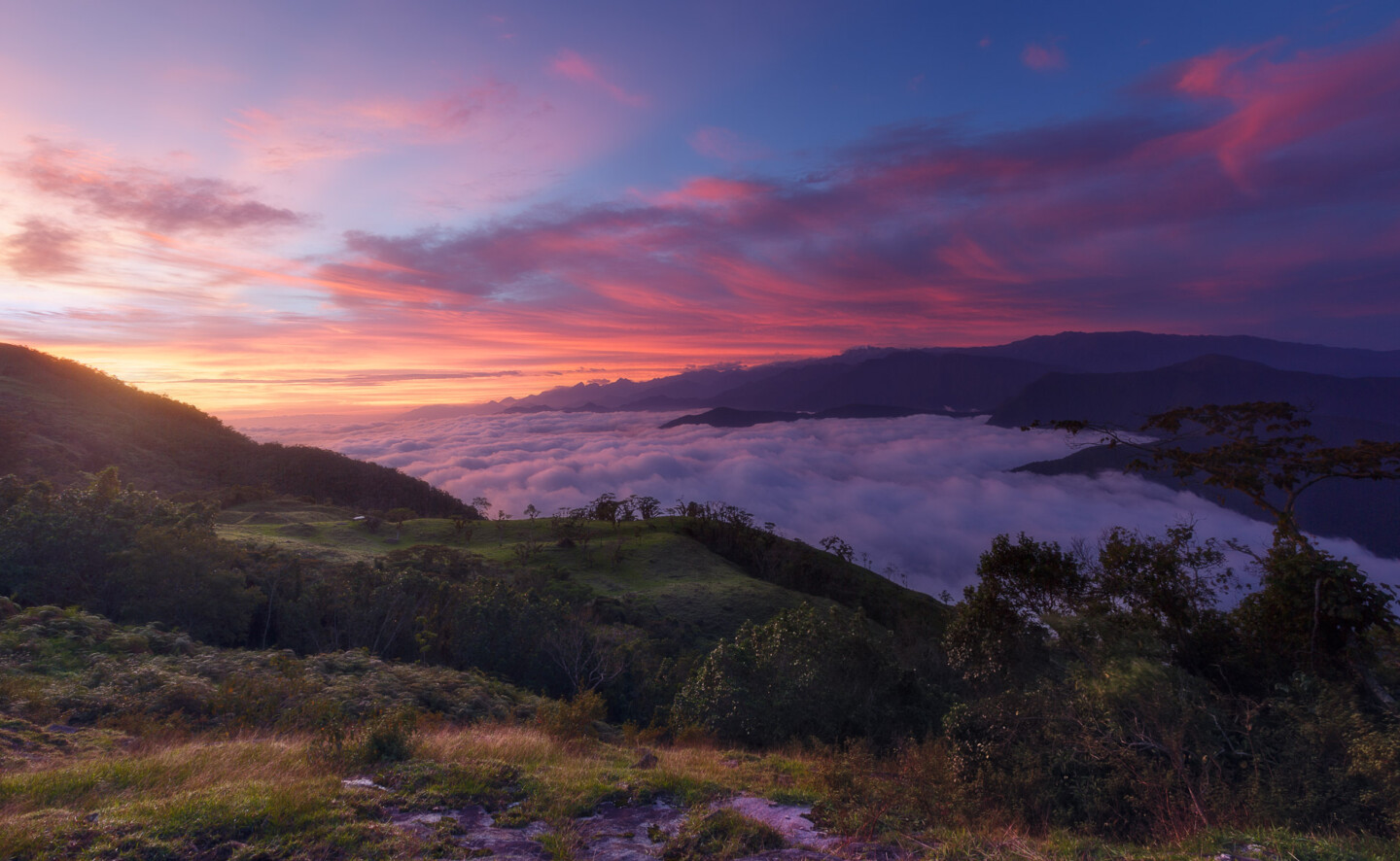
Rising through the mist of Colombia's Magdalena Department, Cerro Kennedy is a rugged Andean jewel where cloud forests cling to steep slopes and elusive spectacled bears roam. This untamed mountain, veiled in biodiversity, offers intrepid hikers rare solitude and sweeping vistas—a silent dialogue between earth and sky, far from the well-trodden path.
Destination Facts
- Official Name: Cerro Kennedy
- Type of Destination: Mountain
- Brief Description: A striking peak in the Colombian Andes, offering sweeping vistas of the Sierra Nevada de Santa Marta and lush cloud forests.
- Location: Andean Region, Magdalena Department, near Quebrada El Caucho and Plan B – La Culebrera.
- Significance/Known For: Renowned for its biodiversity and as a vantage point for observing the Sierra Nevada de Santa Marta, the world's highest coastal mountain range.
- Main Attractions/Key Features:
- Panoramic views of the Sierra Nevada and Caribbean coast.
- Rich flora and fauna, including endemic bird species.
- Hiking trails through cloud forests and paramo ecosystems.
- Best Time to Visit: December to March (dry season) for clearer skies and optimal trekking conditions.
- Entrance Fee/Ticket Info: Free access, though guided tours may require fees.
Essentials
- Top Attractions: Quebrada El Caucho, Plan B – La Culebrera, Cuchilla de San Lorenzo
- Best Months to Visit: August, July, June, May, September
History
History of Cerro Kennedy
Cerro Kennedy, a striking peak in Colombia's Magdalena Department, is named in honor of U.S. President John F. Kennedy, reflecting the geopolitical ties of the mid-20th century. Part of the Andean Region, this mountain is nestled within the Quebrada El Caucho and Plan B – La Culebrera zones, offering breathtaking vistas of the Sierra Nevada de Santa Marta and the Caribbean coast. While its geological history is shaped by the tectonic forces that formed the Andes, its modern significance lies in its role as a vantage point for explorers, scientists, and travelers seeking the sublime beauty of Colombia's highlands.
Key Historical Dates
- 1960s: The mountain was named after President John F. Kennedy, likely in recognition of his Alliance for Progress initiative, which sought to strengthen ties between the U.S. and Latin America.
- 1970s–1980s: Cerro Kennedy gained attention as a strategic location for scientific research, particularly in studies of the Sierra Nevada de Santa Marta's unique ecosystems.
- Early 2000s: The area became increasingly popular among adventurous trekkers and ecotourists, drawn by its rugged trails and panoramic views.
Tours and Day Trips
Popular Tours & Day Trips from Cerro Kennedy
1. Trek to Quebrada El Caucho
Embark on a scenic hike through the lush landscapes of Quebrada El Caucho, a verdant ravine teeming with biodiversity. This moderate trek, approximately 4-5 hours round trip, offers glimpses of native flora and fauna, including orchids and hummingbirds. Ideal for nature enthusiasts and those seeking tranquility, the trail begins just a short distance from Cerro Kennedy.
2. Birdwatching in Plan B – La Culebrera
The cloud forests surrounding Plan B – La Culebrera are a haven for birdwatchers, home to endemic species like the Santa Marta parakeet and the Sierra Nevada brush-finch. Guided tours, lasting half a day, provide insights into the region’s avian diversity. This excursion suits both amateur and seasoned birders, with early mornings offering the best sightings.
3. Cultural Immersion in Nearby Coffee Farms
Discover the traditions of Colombian coffee cultivation with a visit to small-scale farms near Cerro Kennedy. These intimate tours, typically 3-4 hours, include demonstrations of harvesting and roasting, followed by tastings of locally grown beans. A delightful experience for those curious about rural life and the art of coffee production.
4. Sunrise at Cerro Kennedy’s Summit
A short but rewarding pre-dawn hike to the summit of Cerro Kennedy reveals breathtaking views of the Sierra Nevada de Santa Marta bathed in morning light. The 1-2 hour ascent is suitable for most fitness levels, and the panoramic vistas make it a favorite among photographers and early risers.
5. Exploration of Lost City (Ciudad Perdida) Base Camps
For those intrigued by archaeology, a full-day trip to the base camps of Ciudad Perdida offers a glimpse into the ancient Tayrona civilization. While the full trek to the Lost City takes multiple days, shorter excursions to nearby trails and river crossings provide a taste of the adventure. Best suited for active travelers with a curiosity for history.
When to visit
Best Time to Visit Cerro Kennedy
Seasonal Breakdown
Cerro Kennedy, nestled in Colombia's Andean Region, experiences distinct dry and wet seasons, typical of mountainous terrain. The climate is influenced by altitude, with cooler temperatures and variable precipitation patterns.
Dry Season (December – March)
The dry season brings clear skies and mild temperatures, averaging 12–18°C during the day, dropping to 5–10°C at night. Rainfall is minimal, making trails more accessible for hiking and wildlife spotting.
- Pros: Ideal for trekking and photography; fewer mudslides or trail closures.
- Cons: Cooler nights require warm gear; occasional gusty winds.
Local events include the Festival de la Montaña in January, celebrating Andean culture with music and traditional food.
Wet Season (April – November)
Heavy rainfall peaks between April–June and September–November, with temperatures hovering around 10–15°C. Mornings often start clear, but afternoon showers are frequent.
- Pros: Lush greenery and vibrant flora; fewer tourists.
- Cons: Slippery trails; limited visibility for panoramic views.
The region observes Semana Santa (Holy Week) in March or April, drawing pilgrims to nearby towns.
Shoulder Seasons (Late March – Early April, July – August)
Transitional periods offer a balance: moderate rainfall and comfortable temperatures (14–20°C). July–August sees brief dry spells, ideal for short hikes.
- Pros: Balanced weather; lower accommodation rates.
- Cons: Unpredictable showers may disrupt plans.
Overall Recommendation
The dry season (December–March) is optimal for outdoor activities, while the shoulder months (July–August) suit travelers seeking solitude. Avoid heavy rain months (April–June, September–November) unless prepared for wet conditions.
Considerations
Peak tourist months (December–January) see higher prices and busier trails. Weekdays outside holidays offer quieter experiences. Check local advisories for trail conditions, as weather can shift rapidly in the Andes.
What to pack
What to Pack for Cerro Kennedy
Cerro Kennedy, a rugged mountain in Colombia's Andean region, demands thoughtful preparation. The terrain is steep, the weather unpredictable, and the air thin at higher elevations. Pack for both adventure and comfort, with an emphasis on practicality.
Clothing & Protection
- Layered Clothing: Mornings can be chilly, while midday sun is intense. Opt for moisture-wicking base layers, a fleece or insulated jacket, and a windproof outer shell.
- Waterproof Hiking Boots: Trails are often muddy or uneven. Ankle support and grip are essential to navigate the terrain safely.
- Wide-Brimmed Hat & UV-Blocking Sunglasses: High-altitude sun exposure is stronger than at sea level. Protect your skin and eyes.
- Lightweight Gloves & Beanie: Temperatures drop sharply at night, especially near the summit.
Gear & Essentials
- Trekking Poles: Steep ascents and descents make these invaluable for balance and reducing knee strain.
- Collapsible Water Bottle: Hydration is critical at altitude. Refill points may be scarce, so carry enough for long stretches.
- High-Altitude Sunscreen (SPF 50+): Thin air offers less UV protection. Reapply frequently.
- Basic First Aid Kit: Include blister treatment, altitude sickness tablets, and antiseptic wipes.
Extras
- Portable Power Bank: Cold drains batteries quickly. Keep your phone charged for navigation or emergencies.
- Quick-Dry Towel: Useful for sudden rain showers or wiping off sweat during steep climbs.
- Local Map or Offline GPS: Cell service is unreliable in remote sections of the trail.
Culture
The Quiet Allure of Cerro Kennedy
Perched in the misty folds of the Sierra Nevada de Santa Marta, Cerro Kennedy is a place where the Andean highlands whisper secrets of Colombia’s lesser-known cultural tapestry. Unlike the bustling cities or well-trodden tourist paths, this remote destination offers a rare glimpse into the lives of campesino communities, whose traditions are deeply intertwined with the land. The air here carries the scent of guayaba and café de altura, grown in small, family-owned plots that dot the mountainside.
A Living Connection to the Land
The people of Cerro Kennedy are custodians of a way of life that has resisted the rush of modernity. Agriculture is not merely an occupation but a cultural legacy, passed down through generations. Visitors might observe the meticulous care with which farmers tend to their arracacha (a root vegetable) or the ritual of la minga, a communal work tradition where neighbors gather to harvest crops, reinforcing social bonds. The rhythm of life here is dictated by the seasons, not by clocks.
Local Etiquette
- Greetings are warm but unhurried—a handshake or a nod suffices, often accompanied by a polite "¿Cómo está?".
- When invited into a home, it is customary to accept a cup of tinto (black coffee) or agua de panela, a gesture of hospitality.
- Respect for the land is paramount; avoid straying from marked paths or disturbing crops.
Sounds of the Sierra
Music here is sparse but profound. The strum of a tiple (a small guitar-like instrument) might drift through the fog, accompanying coplas—improvised verses that narrate local stories. Unlike the vibrant vallenato of the lowlands, the melodies of Cerro Kennedy are introspective, echoing the solitude of the mountains.
Culinary Simplicity
The cuisine is a testament to resourcefulness. Dishes like sancocho de gallina (a hearty chicken stew) or arepas de maíz are prepared with ingredients harvested within sight of the kitchen. A unique variation is the use of achiote, a local spice that lends a earthy depth to meals. Meals are often shared, with storytelling as the main course.
Festivals of the Highlands
While grand celebrations are rare, the Fiesta de la Cosecha (Harvest Festival) in late autumn is a modest but heartfelt affair. Families gather to celebrate the year’s yield with music, dance, and a communal meal. It’s a window into the quiet pride of a community that thrives in harmony with its surroundings.
Historical Echoes
The name "Kennedy" hints at an unexpected link to the 1960s, when the U.S. Alliance for Progress program left its mark on the region. Yet, the cultural identity of Cerro Kennedy remains firmly rooted in its agrarian heritage, a subtle defiance of external influences. The past is remembered not in monuments but in the enduring rhythms of daily life.