Kogui Village
A hidden gem in Colombia's Magdalena Department, Kogui Village offers a rare glimpse into the ancient traditions of the indigenous Kogui people, nestled amid the breathtaking peaks of Sierra Nevada de Santa Marta.
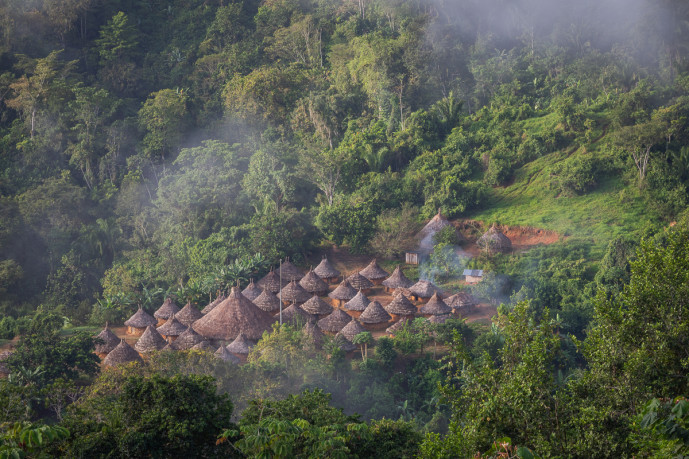
Nestled on the verdant slopes of Sierra Nevada de Santa Marta, Kogui Village offers a rare glimpse into the timeless traditions of the indigenous Kogui people. This secluded settlement, where ancient wisdom meets untouched nature, invites travelers to step into a world where the sacred and the earthly intertwine. A journey here is not merely a visit—it is an encounter with Colombia’s living heritage.
Destination Facts
- Official Name: N/A (Commonly referred to as Kogui Village or Kogi Village)
- Type of Destination: Indigenous Village
- Brief Description: A secluded settlement of the Kogui people, an indigenous group preserving pre-Columbian traditions in the mist-shrouded highlands of the Sierra Nevada de Santa Marta.
- Location: Northern slopes of the Sierra Nevada de Santa Marta, Magdalena Department, Caribbean Region, Colombia.
- Year Established/Founded: N/A (Ancestral lands inhabited for centuries)
- Governing Body/Management: Autonomous governance by the Kogui community, with recognition under Colombian indigenous territorial rights.
- Significance/Known For: Cultural preservation of the Kogui (or Kággaba) people, considered descendants of the ancient Tairona civilization; recognized for spiritual connection to the "Heart of the World" (Sierra Nevada).
- Size/Area: N/A (Traditional dwellings dispersed across mountainous terrain)
- Population: Estimated few hundred inhabitants (exact figures often undisclosed to outsiders).
- Main Attractions/Key Features:
- Traditional circular thatched huts (bohíos) built with local materials.
- Sacred sites and ceremonial spaces integral to Kogui cosmology.
- Stunning vistas of the Sierra Nevada’s cloud forests and peaks.
- Best Time to Visit: Dry season (December–March) for clearer trails, though access is highly restricted; visits typically require indigenous permission.
- Entrance Fee/Ticket Info: N/A (Visits are rare and require prior arrangement with Kogui authorities or licensed cultural tour operators).
- Operating Hours: N/A (Not a tourist site; access depends on community consent).
- Website: N/A (No official tourism presence; research via Colombian anthropological resources or authorized eco-tourism agencies).
Essentials
- Top Attractions: Pueblito Chairama
- Best Months to Visit: December, February, January, November
History
History of Kogui Village on the North Face of Sierra Nevada de Santa Marta
Nestled within the mist-shrouded slopes of the Sierra Nevada de Santa Marta, the Kogui village is a living testament to the resilience of one of Colombia’s most enigmatic indigenous cultures. The Kogui people, descendants of the ancient Tairona civilization, have inhabited these mountains for over a thousand years, preserving their spiritual traditions and way of life despite the encroachments of modernity. Their villages, including this one on the northern face, are not merely settlements but sacred spaces intricately tied to their cosmology, where every stone and stream holds meaning.
The Kogui refer to themselves as the "Elder Brothers," custodians of the earth, and their history is one of deliberate isolation. After the Spanish conquest devastated the Tairona in the 16th century, the Kogui retreated deeper into the Sierra Nevada, avoiding contact with outsiders for centuries. This village, like others in the region, remains a bastion of their cultural identity, governed by mamos (spiritual leaders) who maintain the balance between humanity and nature through ritual and wisdom.
Key Historical Dates
- 1000–1500 CE: Flourishing of the Tairona civilization, ancestors of the Kogui, who built terraced cities and intricate goldwork in the Sierra Nevada.
- 1525: Spanish conquistadors, led by Rodrigo de Bastidas, arrive in the region, leading to the violent decline of the Tairona and the Kogui’s retreat into the highlands.
- Late 19th century: Increased Colombian colonization efforts push into the Sierra Nevada, though the Kogui largely resist assimilation.
- 1990: The Colombian government designates the Sierra Nevada de Santa Marta as a protected biosphere reserve, recognizing its ecological and cultural significance to the Kogui and other indigenous groups.
- 21st century: The village remains a symbol of cultural preservation, with limited, respectful tourism allowing outsiders to glimpse Kogui traditions while safeguarding their autonomy.
Tours and Day Trips
Guided Cultural Immersion with the Kogui People
A journey into the heart of the Kogui community offers travelers a rare glimpse into an ancient way of life. Led by local guides, this excursion includes visits to sacred sites, traditional mamo (spiritual leader) ceremonies, and insights into the Kogui’s deep connection with nature. The experience lasts approximately half a day and is ideal for those seeking cultural enrichment and a respectful exchange with indigenous traditions.
Trek to the Lost City (Ciudad Perdida)
Starting from Kogui Village, this challenging yet rewarding trek leads through dense jungle and river crossings to the archaeological marvel of Ciudad Perdida, a pre-Columbian city older than Machu Picchu. The round-trip typically takes 4–5 days, with overnight stays in rustic camps. Suitable for adventurous travelers with good physical condition, the journey includes encounters with local wildlife and stops at Kogui settlements along the way.
Nature Walk to Cerro Kennedy
A shorter, more accessible hike from Kogui Village takes visitors to Cerro Kennedy, a vantage point offering panoramic views of the Sierra Nevada’s lush valleys and the Caribbean coast. The walk, lasting about 3–4 hours, is ideal for nature lovers and photographers. Guides share knowledge about the region’s unique flora and fauna, as well as the Kogui’s sustainable land-use practices.
River Exploration in the Buritaca Basin
This tranquil day trip follows the Buritaca River, where travelers can swim in crystal-clear pools and learn about the river’s spiritual significance to the Kogui. The excursion includes a picnic lunch by the water and opportunities to observe traditional fishing techniques. Suitable for families and those preferring a slower pace, the activity lasts around 5–6 hours.
Traditional Craft Workshop
Hosted by Kogui artisans, this hands-on workshop teaches the art of weaving mochilas (handmade bags) using natural fibers and dyes. Participants gain insight into the symbolism behind each pattern and take home a self-made souvenir. The workshop, lasting 2–3 hours, is perfect for culturally curious travelers and supports local craftsmanship.
When to visit
Seasonal Breakdown
The climate in Kogui Village, nestled on the north face of the Sierra Nevada de Santa Marta, is influenced by its tropical highland setting and proximity to the Caribbean. Unlike traditional four-season regions, it experiences distinct dry and wet seasons, with transitional shoulder periods.
Dry Season (December – March)
Characterized by clear skies and lower humidity, temperatures range from 18°C to 25°C during the day, cooling at night. Rainfall is minimal, making trails more accessible for trekking and cultural visits.
- Pros: Ideal for hiking and immersive experiences with the Kogui people. Fewer disruptions due to weather.
- Cons: Higher tourist activity, particularly around December and January.
Wet Season (April – November)
Heavier rainfall, especially from May to October, with temperatures slightly warmer (20°C–27°C). Mornings often start clear, followed by afternoon showers.
- Pros: Lush landscapes, vibrant flora, and fewer visitors. A quieter time for deeper cultural engagement.
- Cons: Trails may be muddy or slippery; some routes could be temporarily inaccessible.
Shoulder Seasons (Late March – Early April & Late November – Early December)
Transitional periods with sporadic rain but generally pleasant conditions. Temperatures remain moderate, and crowds are thinner.
- Pros: Balanced weather and fewer tourists. Good for photography and nature observation.
- Cons: Unpredictable rainfall may require flexibility in plans.
Local Events & Considerations
The Kogui people observe traditional ceremonies tied to agricultural cycles, often closed to outsiders. However, nearby Santa Marta hosts festivals like the Festival del Mar (July), which may influence regional travel logistics.
Overall Recommendation
The dry season (December–March) is optimal for those prioritizing outdoor activities and reliable weather. For solitude and lush scenery, the early wet season (April–June) offers a compelling alternative. Shoulder seasons provide a middle ground for balanced conditions.
Considerations
Peak tourist months (December–January) may see higher prices for guides and lodging in nearby towns. The Kogui Village itself maintains a modest, non-commercial atmosphere, but access arrangements can vary with weather.
What to pack
What to Pack for Kogui Village
Kogui Village, nestled in the Sierra Nevada de Santa Marta, demands thoughtful preparation. The terrain is rugged, the climate varies from humid lowlands to cooler highlands, and the cultural context requires respect. Here are the essentials:
Clothing & Footwear
- Lightweight, quick-dry layers: Temperatures shift dramatically between day and night; breathable fabrics are ideal for humidity, while a fleece or light jacket is needed for cooler evenings.
- Sturdy hiking shoes: Trails to the village are uneven and often muddy; ankle support is advisable.
- Long-sleeved shirts and pants: Protects against insects and sun while respecting local modesty norms.
Gear & Accessories
- Waterproof backpack cover or dry bags: Sudden rain showers are common; keeping essentials dry is crucial.
- Reusable water bottle with purification tablets: Reliable drinking water sources may be limited; purification ensures safety.
- Headlamp or flashlight: Electricity is sparse; a hands-free light source is practical for evenings.
Health & Comfort
- High-SPF, biodegradable sunscreen: The equatorial sun is intense, and eco-friendly products minimize environmental impact.
- Insect repellent (DEET-free preferred): Mosquitoes are prevalent, especially in lower elevations; opt for repellents that align with the Kogui's ecological values.
- Basic first-aid kit: Include blister plasters, antiseptic wipes, and altitude sickness remedies if ascending higher trails.
Cultural Considerations
- Small gifts for the community (e.g., unbleached cotton fabric, seeds): Offering tokens of respect is customary; avoid plastic or commercial items.
- Notebook and pen: Useful for jotting down insights shared by Kogui elders, who may impart wisdom about their land.
Culture
The Kogui: Guardians of the Sierra
Nestled on the northern slopes of the Sierra Nevada de Santa Marta, the Kogui village is home to one of Colombia’s most enigmatic Indigenous communities. The Kogui, descendants of the ancient Tairona civilization, have preserved their way of life with remarkable continuity, guided by the principles of Aluna—their spiritual belief system that views the Sierra Nevada as the heart of the world. Unlike other Indigenous groups in the region, the Kogui maintain a deliberate isolation, interacting with outsiders only when necessary to protect their sacred land.
Spiritual Connection to the Land
The Kogui perceive the Sierra Nevada as a living entity, where every mountain, river, and stone holds spiritual significance. Their mamos (spiritual leaders) conduct rituals to maintain cosmic balance, often retreating to sacred sites like the snow-capped peaks or hidden lagoons. Visitors may witness offerings of poporos (ceremonial gourds filled with crushed seashells and coca leaves), though participation in these rituals is strictly reserved for initiated members of the community.
Etiquette for Visitors
- Seek permission before photographing people or sacred sites—many Kogui consider unauthorized images a violation.
- Dress modestly, avoiding bright colors or revealing clothing, as a sign of respect.
- Refrain from touching ritual objects or interrupting ceremonies.
Traditional Crafts and Symbolism
The Kogui are master weavers, creating mochilas (handwoven bags) from fique fiber, each pattern encoding ancestral knowledge. Unlike the brightly colored Arhuaco mochilas, Kogui designs favor natural tones—whites, browns, and blacks—with geometric motifs representing the cosmos. These are not souvenirs but sacred items; purchasing one should be done with reverence, ideally through community-approved channels.
Subsistence and Sustainability
Agriculture here follows lunar cycles and spiritual guidance. The Kogui cultivate ñame (yams), maize, and beans in terraced plots, using techniques unchanged for centuries. Their diet is simple—avoiding processed foods—and visitors may be offered chicha (fermented corn drink) as a gesture of goodwill. Refusing politely is acceptable, but tasting a small amount is appreciated.
Language and Oral Tradition
The Kogui speak Kággaba, a Chibchan language with no written form. Stories of creation and moral lessons are passed down through the mamos, often during gatherings at the nuhé (communal house). While Spanish is understood by some, learning basic greetings in Kággaba—like "Sai zunzua" (good day)—can bridge cultural gaps.
When to Visit
The Kogui calendar revolves around agricultural and spiritual cycles. The dry season (December–March) is ideal, but avoid intruding during pagamentos (offering ceremonies), typically held at solstices. Arranging visits through trusted Indigenous-led tour operators ensures minimal disruption.