La Macarena
A must-visit gem in Colombia's Meta Department, Sierra de la Macarena National Natural Park dazzles with Caño Cristales, the "River of Five Colors," lush rainforests, and rare biodiversity—a paradise for nature lovers.
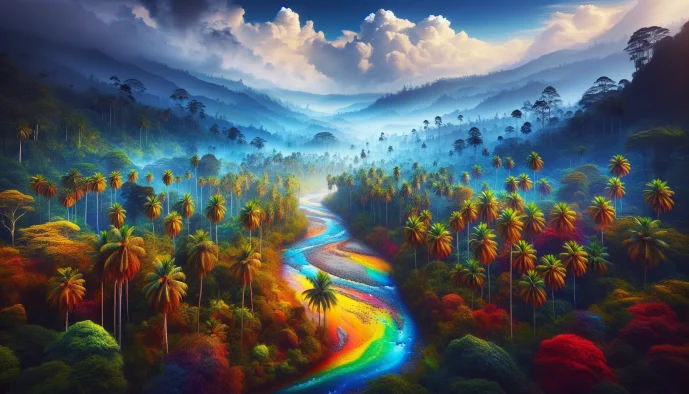
Flowing through the heart of Colombia's Meta Department, the La Macarena River is a liquid jewel cradled by the Sierra de la Macarena National Natural Park. Its waters, kissed by the surreal hues of Caño Cristales—the "River of Five Colors"—paint an otherworldly landscape. A sanctuary of biodiversity and quiet majesty, it invites travelers to witness nature’s delicate, fleeting artistry.
Destination Facts
- Official Name: Río La Macarena
- Type of Destination: River
- Brief Description: A pristine river winding through the biodiverse Sierra de la Macarena, renowned for its striking natural beauty and the surreal colors of Caño Cristales, often called the "River of Five Colors."
- Location: Flows through the Sierra de la Macarena National Natural Park in the Meta Department, Colombia.
- Governing Body/Management: Managed by Colombia's National Natural Parks System (Parques Nacionales Naturales de Colombia).
- Significance/Known For: Home to Caño Cristales, a unique tributary where aquatic plants and minerals create vibrant hues of red, blue, green, yellow, and black—best observed between July and November.
- Size/Area: N/A (river length not prominently documented; focus is on its ecological and scenic value).
- Main Attractions/Key Features:
- Caño Cristales, the "Liquid Rainbow" for its seasonal explosion of color.
- Untouched rainforest surroundings teeming with endemic wildlife.
- Remote waterfalls and natural pools ideal for eco-tourism.
- Best Time to Visit: July to November, when water levels and temperatures allow the river's unique algae to bloom.
- Entrance Fee/Ticket Info: Yes, access requires a guided tour permit; fees vary (check official park regulations).
- Operating Hours: Daytime visits only, typically 8:00 AM–4:00 PM (subject to park guidelines).
- Website: Parques Nacionales Naturales de Colombia
Essentials
- Top Attractions: Sierra de la Macarena National Natural Park
- Best Months to Visit: December, February, January, November
History
History of La Macarena
The La Macarena River, winding through the heart of Colombia's Meta Department, is a natural wonder deeply intertwined with the ecological and cultural history of the Sierra de la Macarena National Natural Park. This river, known for its crystalline waters and vibrant aquatic life, has long been a lifeline for indigenous communities and a focal point for conservation efforts. Its history is marked by the delicate balance between human presence and pristine wilderness, shaped by geological forces and the evolving relationship between nature and society.
Key Historical Dates
- 1948: The Sierra de la Macarena was declared a National Natural Park, recognizing the ecological significance of the region, including the La Macarena River. This designation aimed to protect its unique biodiversity from encroaching development.
- 1960s–1980s: The river and its surroundings became a contested zone during Colombia's internal conflicts, with guerrilla groups and government forces vying for control. This period saw limited access for researchers and travelers, leaving much of the area's natural beauty untouched but under threat.
- 2000s: Conservation efforts intensified as the Colombian government and environmental organizations worked to restore and preserve the river's ecosystems, particularly its iconic Caño Cristales, often called the "River of Five Colors."
- 2016: The historic peace agreement between the Colombian government and FARC rebels opened new opportunities for sustainable tourism, allowing travelers to safely explore La Macarena's breathtaking landscapes.
Tours and Day Trips
Caño Cristales: The River of Five Colors
Often referred to as the "Liquid Rainbow," Caño Cristales is a mesmerizing natural wonder located within the Sierra de la Macarena National Natural Park. The river's vibrant hues—ranging from red to yellow, green, blue, and black—are caused by endemic aquatic plants. Visitors can hike along its banks, swim in designated areas, and marvel at waterfalls like Los Pianos. The tour typically lasts a full day and requires a guided excursion, making it ideal for nature lovers and photographers.
Cerro de la Lindosa: Ancient Rock Art
A journey to Cerro de la Lindosa offers a glimpse into Colombia's pre-Columbian history. The site features thousands of ancient rock paintings, some dating back over 12,000 years, depicting animals, humans, and geometric patterns. The hike to the site is moderate, passing through lush savannas and forests. This excursion, usually a half-day trip, appeals to history buffs and those intrigued by indigenous cultures.
Laguna del Silencio: Serene Wilderness
Nestled deep in the park, Laguna del Silencio is a tranquil lagoon surrounded by dense jungle. The area is a haven for birdwatchers, with sightings of macaws, toucans, and herons. A guided boat tour or kayak trip allows visitors to explore its calm waters while learning about the region's biodiversity. The excursion is suitable for families and those seeking a peaceful retreat into nature.
Raudal de Angosturas: Rapids Adventure
For the more adventurous, Raudal de Angosturas offers thrilling rapids along the Guayabero River. A guided rafting or canoeing trip takes visitors through exhilarating currents, with stops at sandy beaches for picnics. The tour, lasting about six hours, is best suited for active travelers and those comfortable with water sports.
Villavicencio Day Trip: Gateway to the Plains
A short flight or drive from La Macarena, Villavicencio provides a contrast to the wilderness with its lively llanero culture. Visitors can enjoy traditional music, dance, and cuisine, such as mamona (grilled beef). The day trip is ideal for those interested in Colombian rural traditions and a taste of the Orinoquía region.
When to visit
Best Time to Visit La Macarena
Nestled within the Sierra de la Macarena National Natural Park, the Caño Cristales river—often called the "River of Five Colors"—is a spectacle of nature best enjoyed during specific periods. The region's tropical climate dictates two primary seasons: the dry season and the wet season, each offering distinct advantages for travelers.
Dry Season (June to November)
During these months, rainfall diminishes, and the river's water levels stabilize, revealing the vibrant hues of the endemic Macarenia clavigera plant. This is the prime window to witness the river's famed colors.
- Weather: Temperatures hover between 25°C and 30°C (77°F–86°F), with lower humidity and minimal rainfall.
- Pros: Ideal for photography and hiking; trails are accessible, and wildlife sightings are frequent.
- Cons: Peak tourist season (especially July–August) may result in limited accommodations.
Wet Season (December to May)
Heavy rains swell the river, obscuring its colors but transforming the landscape into a lush, verdant paradise. This period suits those seeking solitude and a different perspective.
- Weather: Frequent downpours; temperatures remain warm (24°C–32°C / 75°F–90°F), with high humidity.
- Pros: Fewer visitors, lower prices, and dramatic waterfalls at their fullest.
- Cons: Some trails may flood, and boat access can be restricted.
Shoulder Months (Late May & Early December)
A transitional period where rainfall begins to taper or intensify, offering a balance between accessibility and natural beauty.
- Weather: Unpredictable but often manageable, with sporadic showers.
- Pros: Moderate crowds and a chance to see the river's colors emerging or fading.
Overall Recommendation
For the iconic rainbow-like display of Caño Cristales, plan your visit between July and October. Adventurers preferring solitude and lush scenery may prefer the wet season, though flexibility is key. Note that the park occasionally closes for conservation (typically in April and November)—verify ahead.
Considerations
Tourist influx peaks in July–August, raising accommodation costs. Visiting in September or October strikes a balance between favorable conditions and fewer crowds. Always check local guidelines, as access to La Macarena is regulated to protect its fragile ecosystem.
What to pack
Essentials for the River and Jungle
La Macarena’s lush riverine landscape and tropical climate demand thoughtful preparation. Prioritize lightweight, quick-drying items that withstand humidity and occasional downpours.
- Quick-Dry Clothing: Lightweight, breathable fabrics like linen or moisture-wicking synthetics are ideal for humid days and impromptu swims in the river.
- Sturdy Water Shoes: The rocky riverbanks and slippery trails require footwear with grip and drainage—avoid sandals with weak straps.
- Waterproof Dry Bag: Essential for protecting electronics and spare clothes during boat rides or sudden rain showers.
Protection Against the Elements
The sun and insects are persistent companions here. Pack with discretion—opt for reef-safe and eco-conscious options to preserve the fragile ecosystem.
- Biodegradable Sunscreen & Insect Repellent: High-SPF, chemical-free sunscreen and DEET-free repellent safeguard your skin without harming the river’s biodiversity.
- Wide-Brimmed Hat with Chin Strap: Shields against intense sun, while the strap prevents loss during windy boat rides.
- Lightweight Rain Poncho: Compact and more practical than an umbrella for sudden tropical storms.
For Exploration and Comfort
The terrain rewards the prepared traveler. Focus on versatility—items that serve multiple purposes in this remote setting.
- Compact Binoculars: Enhances wildlife spotting along the riverbanks, where pink dolphins and exotic birds are frequent sights.
- Collapsible Hiking Pole: Useful for uneven trails in Sierra de la Macarena, especially during muddy conditions.
- Electrolyte Tablets: Replenish minerals lost in the heat, as potable water sources may be limited.
Culture
A Remote Outpost of Biodiversity and Culture
La Macarena, a small town nestled at the edge of the Sierra de la Macarena National Natural Park, is a cultural crossroads shaped by its isolation and proximity to one of Colombia’s most ecologically significant regions. Unlike larger Colombian towns, its identity is deeply intertwined with the surrounding rainforest, the Guayabero River, and the legacy of both indigenous communities and settlers drawn by the region’s natural wealth.
Indigenous and Campesino Influences
The cultural fabric of La Macarena is woven from the traditions of the Guayabero and Tinigua peoples, though their presence has diminished due to historical displacement. Today, the town’s population is primarily campesino (rural farmers and ranchers), with a rhythm of life dictated by the land and river. Visitors may notice the quiet resilience of locals, shaped by decades of conflict and the challenges of remote living, now cautiously embracing ecotourism.
Language and Communication
While Spanish is dominant, the local dialect carries traces of indigenous vocabulary, particularly in place names and terms related to nature. Conversations often revolve around the river’s moods, agricultural cycles, and, increasingly, the park’s conservation. Directness is valued, but outsiders are expected to approach interactions with patience and respect.
Music and Oral Traditions
La Macarena lacks the bustling joropo music scene of other Meta towns, but its cultural expressions are quieter—storytelling under the stars, improvised verses about river journeys, and the occasional arpa llanera (harp) tune drifting from a cantina. The true "soundtrack" here is the rainforest itself: howler monkeys, birdsong, and the Guayabero’s currents.
Cuisine: River and Forest Sustenance
Food here is pragmatic yet deeply tied to the environment. Expect simple dishes like:
- Pescado moqueado – Fish slow-cooked over a wood fire, often caught that morning from the Guayabero.
- Casabe – A flatbread made from yuca, a legacy of indigenous preparation methods.
- Frutos del monte – Wild fruits like copoazú or asaí, foraged from the forest.
Meals are communal, with an unspoken rule to share what’s available. Visitors invited to eat should accept graciously—it’s a gesture of trust.
Festivals and Community Gatherings
La Macarena’s festivities are modest but heartfelt. The Fiesta de la Virgen del Carmen (July) blends Catholic tradition with local flair—processions on the river, not the streets. More frequent are impromptu gatherings after a good harvest or the arrival of supplies by boat, where stories and laughter flow as freely as aguardiente (local sugarcane liquor).
Visitor Etiquette
- Respect the river’s importance – It’s a lifeline, not just a scenic backdrop. Avoid littering and follow local guidance on swimming or boating.
- Ask before photographing people – Many residents value privacy; a brief conversation first goes a long way.
- Support local guides – Those born here know the park’s secrets and can share insights no outsider can replicate.