Nueva Venecia
A hidden gem along the Don Diego River, Nueva Venecia enchants with its stilt houses, serene mangrove forests, and vibrant local culture—a peaceful escape into Colombia’s untouched Caribbean charm.
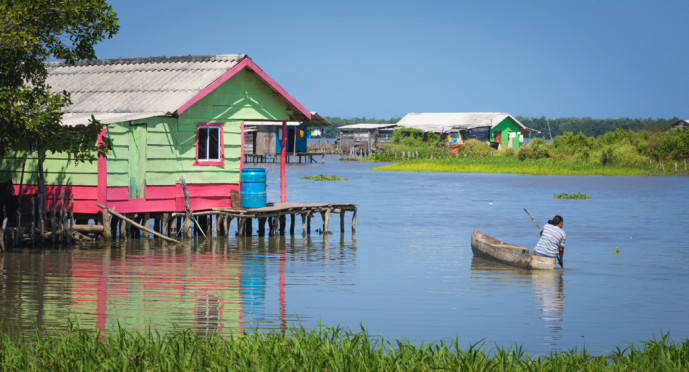
Nueva Venecia, a tranquil village floating on the Magdalena River’s labyrinthine waterways, offers a glimpse into Colombia’s Caribbean soul. Stilt houses rise above mirrored waters, where fishermen cast nets at dawn and children paddle dugout canoes. Life here moves with the rhythm of the tides—a serene escape into a world woven from water, reeds, and the quiet hum of community.
Destination Facts
- Official Name: Nueva Venecia
- Type of Destination: Village
- Brief Description: A tranquil fishing village nestled in the wetlands of northern Colombia, where stilt houses rise above the water and life moves to the rhythm of the tides.
- Location: Ciénaga Grande de Santa Marta, Magdalena Department, Caribbean Region
- Significance/Known For: Its unique aquatic way of life, with homes and pathways built on stilts, and its role as a gateway to the biodiverse Ciénaga Grande de Santa Marta wetlands.
- Population: Approximately 500 residents
- Main Attractions/Key Features:
- The stilt-house architecture and waterways, offering a glimpse into traditional wetland living.
- Birdwatching and boat tours through the mangroves, rich in local wildlife.
- The vibrant local fishing culture, where daily life revolves around the water.
- Best Time to Visit: December to April, when rainfall is less frequent and wildlife sightings are more common.
- Entrance Fee/Ticket Info: Free access to the village; boat tours may require a small fee.
Essentials
- Best Months to Visit: December, February, January, November
History
History of Nueva Venecia
Nueva Venecia, a stilt village nestled in the labyrinthine waterways of the Ciénaga Grande de Santa Marta, is a testament to resilience and adaptation. Founded by fishermen and their families in the early 20th century, the village emerged as a refuge for those seeking livelihoods in the rich aquatic ecosystems of Colombia's Caribbean coast. Its name, meaning "New Venice," reflects the watery landscape that defines daily life here, where wooden houses perch above the mangroves and canoes serve as the primary mode of transportation. Over time, Nueva Venecia has weathered environmental challenges, including floods and shifting water levels, yet its tight-knit community has preserved a way of life deeply intertwined with the rhythms of the ciénaga.
Key Historical Dates
- Early 1900s: Settlement begins as fishermen and their families establish homes on stilts in the Ciénaga Grande de Santa Marta, drawn by the area's abundant fish and shellfish.
- 1956: The Ciénaga Grande is declared a protected area, recognizing its ecological importance and shaping the sustainable practices of Nueva Venecia's inhabitants.
- 2000: Severe flooding and environmental degradation threaten the village, prompting community-led efforts to restore the mangroves and stabilize the ecosystem.
- 2010s: Nueva Venecia gains attention as a cultural and ecotourism destination, offering visitors a glimpse into a unique aquatic way of life.
Tours and Day Trips
Popular Tours & Day Trips from Nueva Venecia
1. Ciénaga Grande de Santa Marta Boat Tour
Embark on a serene journey through the Cienaga Grande de Santa Marta, one of Colombia's most vital wetlands. This boat tour offers glimpses of mangroves, vibrant birdlife, and the tranquil waterways that define Nueva Venecia's landscape. Ideal for nature lovers and photographers, the excursion lasts approximately half a day, with opportunities to spot flamingos and herons.
2. Palafito Village Exploration
Discover the unique stilt-house communities of Nueva Venecia, where life unfolds above the water. A guided walk through these palafitos reveals the resilience and traditions of local fishermen. Visitors can observe daily routines, sample fresh seafood, and learn about the region's aquatic heritage. This cultural immersion suits those curious about authentic Caribbean lifestyles.
3. Isla de Salamanca National Park Visit
A short journey from Nueva Venecia lies the Isla de Salamanca National Park, a UNESCO Biosphere Reserve. This day trip combines hiking and birdwatching along coastal trails, where mangroves meet the sea. Keep an eye out for caimans and migratory birds. The park's ecological significance and stark beauty appeal to eco-tourists and adventurers alike.
4. Sunset Canoe Ride on the Magdalena River
Glide along the Magdalena River as the day fades, with the water reflecting hues of gold and crimson. This peaceful canoe excursion, led by local guides, offers a moment of reflection and connection with the river's rhythms. Perfect for couples or solo travelers seeking tranquility, the ride typically lasts two hours.
5. Barranquilla Cultural Day Trip
For a taste of urban energy, venture to Barranquilla, a lively city known for its Carnival and Afro-Caribbean influences. Explore museums, colonial architecture, and vibrant markets before returning to Nueva Venecia by evening. This excursion caters to history buffs and those eager to experience Colombia's festive spirit.
When to visit
Best Time to Visit Nueva Venecia
Seasonal Breakdown
Nueva Venecia, a picturesque village in Colombia's Caribbean Region, experiences a tropical climate with distinct dry and wet seasons. The best time to visit depends on your preferences for weather, activities, and local events.
Dry Season (December – April)
The dry season brings warm temperatures, averaging 28–32°C (82–90°F), with low humidity and minimal rainfall. Days are sunny and ideal for exploring the village's waterways and nearby mangroves.
- Pros: Perfect for outdoor activities like boat tours and birdwatching. Fewer mosquitoes and comfortable evenings.
- Cons: Higher tourist traffic, especially in December and January, may lead to slightly elevated prices.
- Events: The Festival del Río in March celebrates local culture with music, dance, and traditional canoe races.
Wet Season (May – November)
Heavy rainfall, particularly from September to November, transforms the landscape into a lush, verdant paradise. Temperatures remain warm (26–30°C / 79–86°F), but humidity is high.
- Pros: Fewer tourists, lower accommodation rates, and vibrant greenery. Ideal for photographers and those seeking tranquility.
- Cons: Some trails may be muddy or inaccessible, and boat tours could be limited due to rough waters.
- Events: The Fiesta de San Pedro in June honors the patron saint with processions and communal feasts.
Shoulder Seasons (Late April – Early May, Late November – Early December)
These transitional periods offer a balance between the dry and wet seasons, with moderate rainfall and pleasant temperatures.
- Pros: Crowds are sparse, and nature is at its most dynamic—ideal for those who enjoy a mix of sun and rain.
- Cons: Unpredictable weather may require flexible planning.
Overall Recommendation
For optimal weather and activities, December to April is the most favorable time to visit Nueva Venecia. However, if you prefer solitude and don’t mind occasional rain, the wet season offers a unique, immersive experience. The shoulder seasons are perfect for travelers seeking a middle ground.
Considerations
Peak tourist months (December–January) may see higher prices and busier waterways, while the wet season offers quieter, more affordable stays. Always check local conditions, as heavy rains can occasionally disrupt travel plans.
What to pack
What to Pack for Nueva Venecia
Nueva Venecia, a tranquil village in Colombia's Caribbean region, demands a thoughtful selection of items to navigate its humid climate, water-based lifestyle, and rustic charm. Here are the essentials to enhance your experience.
For the Climate & Terrain
- Lightweight, Quick-Dry Clothing: The humid, tropical climate calls for breathable fabrics that dry quickly, especially if exploring the village's waterways.
- Sturdy Sandals or Water Shoes: Ideal for walking on uneven paths and wading through shallow waters, as Nueva Venecia is surrounded by marshes and canals.
- Wide-Brimmed Hat & UV-Protection Sunglasses: The Caribbean sun is intense; protect yourself during boat rides or strolls along the water.
For Local Activities
- Dry Bag or Waterproof Pouch: Essential for keeping valuables safe during boat trips or sudden rain showers.
- Compact Binoculars: The region is rich in birdlife; a small pair will enhance wildlife spotting.
- Mosquito Repellent (DEET-based): The wetlands attract insects, especially at dawn and dusk.
Cultural Considerations
- Small Gifts or School Supplies: A thoughtful gesture if interacting with local families or children, as the village has limited resources.
- Spanish Phrasebook or Translation App: English is rarely spoken; basic phrases will go a long way.
Culture
A Waterborne Way of Life
Nueva Venecia, a stilt-house village floating on the Ciénaga Grande de Santa Marta, is a place where life unfolds on water. Unlike Colombia’s better-known coastal towns, its cultural identity is shaped by the rhythms of the swamp—fishing at dawn, navigating canals in dugout canoes, and communal gatherings on wooden decks. The village’s isolation has preserved traditions distinct from the mainland, with a quiet, unhurried pace that feels suspended in time.
Music and Oral Traditions
Here, music is woven into daily life, often accompanied by the accordion and caja drum, but with a softer, more introspective tone than the boisterous vallenato of the region. Stories of river spirits and legendary fishermen are passed down through cantos de zafra (harvest songs), sung during moonlit gatherings. Visitors might chance upon impromptu serenades from passing canoes—a nod to the village’s oral storytelling heritage.
Cuisine of the Wetlands
The local diet revolves around the swamp’s bounty. Dishes like viuda de bocachico (a spicy fish stew wrapped in plantain leaves) and arroz de lisa (mullet rice cooked with coconut) reflect a blend of Indigenous, African, and Spanish influences. Meals are often shared communally, with fishermen trading catches for neighbors’ homegrown yuca or plantains—a barter system that still thrives.
Unique Flavors to Try
- Chicharrón de pescado: Crispy fried fish, seasoned with local herbs.
- Bollo de mazorca: Steamed corn dough, often served with fresh cheese.
- Café de ciénaga: Coffee brewed with cinnamon and panela, sipped at dusk.
Festivals and Spiritual Syncretism
The Fiesta de San Pedro, honoring the patron saint of fishermen, transforms the village into a floating procession of candlelit canoes. Unlike the Caribbean’s louder carnivals, this celebration is marked by murmured prayers and offerings of flowers cast onto the water—a fusion of Catholic and animist beliefs. Another lesser-known tradition is the Velorio del Angelito, a poignant farewell ritual for deceased children, where white ribbons adorn houses and hymns are sung without sorrow.
Artisanal Craftsmanship
Practicality meets artistry in Nueva Venecia’s crafts. Weaving fishing nets becomes a meditative practice, while canoe carving follows techniques unchanged for generations. Look for small, hand-carved wooden máscaras de agua (water masks), said to protect against swamp spirits—a unique souvenir found nowhere else in the region.
Visitor Etiquette
- Greet elders first; respect is hierarchical here.
- Ask permission before photographing homes or people.
- Remove shoes when entering a stilt-house—floors are often polished by hand.
- Gifts of fruit or coffee are appreciated if invited to share a meal.