Nuquí
A hidden gem in Capurganá, Nuquí boasts lush jungles, pristine beaches, and the stunning Cañón de Las Iguanas, where wild iguanas roam. A paradise for eco-tourists and adventure seekers in Colombia's Chocó.
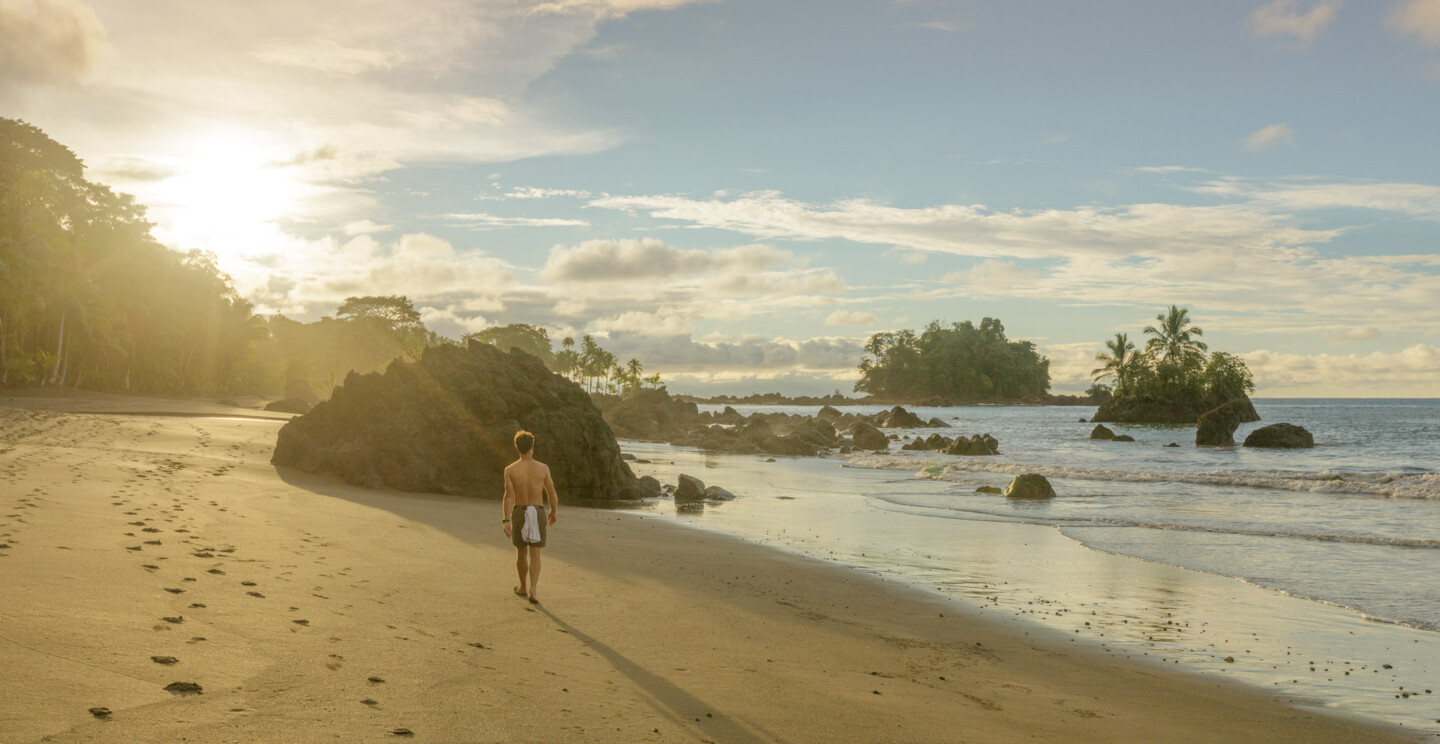
Nestled along Colombia’s untamed Pacific coast, Nuquí is a hidden gem where emerald rainforests meet the roaring sea. This tranquil Afro-Colombian town, cradled in the Chocó Department, whispers of wild beauty—think humpback whales breaching offshore, thermal springs steaming in the jungle, and rhythms of currulao drifting through the air. A sanctuary for nature and culture, Nuquí invites the intrepid to slow down and savor its raw, unspoiled magic.
Destination Facts
- Official Name: Nuquí
- Type of Destination: Town
- Brief Description: A tranquil coastal town nestled between lush rainforest and the Pacific Ocean, Nuquí is a gateway to Colombia's untamed natural beauty and Afro-Colombian culture.
- Location: Pacific Region (Región del Pacífico), Chocó Department, Colombia, within the Cañón De Las Iguanas area.
- Year Established/Founded: N/A
- Governing Body/Management: Municipal administration of Nuquí
- Significance/Known For: Renowned for its biodiversity, humpback whale sightings (July–October), and thermal hot springs.
- Size/Area: N/A
- Population: Approximately 8,000 (estimated)
- Main Attractions/Key Features:
- Termales de Nuquí (natural hot springs)
- Playa Guachalito (pristine beach)
- Whale-watching tours (seasonal)
- Best Time to Visit: July to October for whale migration; dry season (December–March) for easier access.
- Entrance Fee/Ticket Info: Free access to town; fees apply for guided tours and thermal springs.
- Operating Hours: N/A (town accessible year-round)
- Website: N/A (no prominent official site)
Essentials
- Top Attractions: Capurganá, Bunkuani, Cañón De Las Iguanas
- Best Months to Visit: December, February, January, November
History
A Brief History of Nuquí
Nestled along Colombia's Pacific coast, Nuquí is a town where history whispers through the rustling palms and the rhythmic waves of the ocean. Founded as a small Afro-Colombian settlement, its origins are deeply tied to the resilience of communities that sought refuge and livelihood in this remote, biodiverse region. Over time, Nuquí evolved into a quiet fishing village, its isolation preserving both its natural beauty and cultural traditions. The town's history is less documented in grand events than in the enduring rhythms of daily life—fishing, storytelling, and the vibrant traditions of its predominantly Afro-Colombian and Indigenous Emberá populations.
Key Historical Dates
- Early 20th Century: Nuquí emerged as a formal settlement, shaped by Afro-Colombian migrants displaced by colonial-era upheavals and later by the rubber and mining booms in Chocó.
- 1970s–1980s: The Colombian government began limited infrastructure projects in the region, though Nuquí remained largely disconnected from the country's urban centers, sustaining its reliance on fishing and subsistence agriculture.
- 1990s: The establishment of the Utría National Natural Park nearby brought gradual attention to Nuquí's ecological significance, though tourism remained minimal due to its remote location.
- 2000s–Present: Nuquí gained recognition as a destination for eco-tourism and whale-watching, drawing travelers seeking untouched landscapes and cultural authenticity, while local communities continue to navigate the balance between preservation and development.
Tours and Day Trips
Whale Watching in the Pacific
From July to October, humpback whales migrate to the warm waters off Nuquí's coast, offering a breathtaking spectacle. Travelers can embark on boat tours to witness these majestic creatures breaching and playing with their calves. The excursion typically lasts half a day and is ideal for nature lovers and families. Local guides share insights into the whales' behavior and the region's marine ecosystem.
Thermal Baths at Termales
Nestled in the lush rainforest, the Termales de Nuquí are natural hot springs renowned for their therapeutic properties. Visitors can soak in warm, mineral-rich waters while surrounded by the sounds of the jungle. The trip involves a short hike or boat ride, making it suitable for those seeking relaxation or a gentle adventure. The experience is particularly enchanting at dusk, when the forest comes alive with nocturnal sounds.
Surfing at Cabo Corrientes
For adrenaline seekers, the waves at Cabo Corrientes are a must-try. This remote beach, accessible by boat from Nuquí, offers consistent swells and uncrowded breaks. Surfers of all levels can find suitable waves, though the area is best suited for intermediate and advanced riders. The journey to the beach itself is an adventure, passing through mangroves and along the rugged coastline.
Birdwatching in Cañón de las Iguanas
The Cañón de las Iguanas, a short distance from Nuquí, is a paradise for birdwatchers. Guided tours lead visitors through dense forests where toucans, parrots, and rare endemic species can be spotted. The excursion is peaceful and educational, with local experts explaining the region's biodiversity. Early mornings are the best time to observe the vibrant avian activity.
Cultural Immersion in Indigenous Communities
Nuquí is home to Afro-Colombian and indigenous Emberá communities, who welcome visitors to learn about their traditions. Tours include storytelling, traditional dance performances, and hands-on workshops in crafts like basket weaving. These experiences provide a deeper understanding of the region's cultural heritage and are meaningful for travelers interested in authentic interactions.
Kayaking Through Mangroves
The tranquil waterways around Nuquí are perfect for kayaking. Paddling through mangrove forests, travelers can observe crabs, birds, and other wildlife in their natural habitat. The activity is serene and suitable for all ages, offering a unique perspective on the region's delicate ecosystems. Guided tours often include stops at secluded beaches for a refreshing swim.
When to visit
Best Time to Visit Nuquí
Seasonal Breakdown
Nuquí, nestled in Colombia's Pacific Region, experiences a tropical rainforest climate with high humidity and consistent warmth year-round. The town does not follow traditional four-season patterns but is instead defined by wet and dry seasons, each offering distinct experiences for travelers.
Dry Season (December – March)
The dry season brings relatively less rainfall, though brief showers are still common. Temperatures hover between 25°C and 30°C (77°F–86°F), with humidity remaining high. This period is ideal for outdoor activities such as whale watching (July–October, though sightings begin to taper in early December), hiking through the lush Cañón de las Iguanas, or exploring the pristine beaches of Guachalito and Termales.
- Pros: Fewer rain disruptions, better trail conditions, vibrant wildlife sightings.
- Cons: Higher tourist traffic, especially in December and January.
Local events include the Festival del Mar in December, celebrating Afro-Colombian culture with music, dance, and seafood feasts.
Wet Season (April – November)
Heavy rainfall dominates, particularly from May to July and September to November, with precipitation often exceeding 500mm monthly. Temperatures remain steady (24°C–29°C / 75°F–84°F), but humidity intensifies. While travel can be challenging due to muddy trails and limited boat access to remote areas, this season rewards intrepid visitors with dramatic landscapes and solitude.
- Pros: Lush greenery, fewer tourists, lower accommodation rates.
- Cons: Frequent rain may disrupt activities; some eco-lodges close for maintenance.
From July to October, humpback whales migrate to Nuquí's waters, offering unforgettable sightings. The Whale Festival in September highlights conservation efforts and local traditions.
Overall Recommendation
For optimal conditions, visit during the dry season (December–March), when outdoor adventures are most accessible. However, wildlife enthusiasts may prefer the whale-watching window (July–October), despite the rain. Budget-conscious travelers will find the wet season appealing for its tranquility and lower prices.
Considerations
Peak tourist months (December–January) see higher prices and limited availability at eco-lodges. Shoulder months like November or April offer a balance of manageable weather and fewer crowds. Note that Nuquí's remote location means transportation—primarily by boat or small plane—can be affected by seasonal weather.
What to pack
What to Pack for Nuquí
Nuquí, a tranquil town on Colombia’s Pacific coast, is a gateway to lush rainforests, black-sand beaches, and humpback whale sightings. Its tropical climate, frequent rain, and remote location demand thoughtful packing.
For the Climate & Terrain
- Quick-Dry Clothing: Lightweight, breathable fabrics are essential for humidity and sudden downpours.
- Waterproof Sandals or Boots: Ideal for muddy jungle trails and beach walks.
- Compact Rain Jacket or Poncho: Sudden showers are frequent; opt for something packable.
For Wildlife & Exploration
- Binoculars: For spotting whales, dolphins, and tropical birds from the shore or boat tours.
- Reef-Safe Sunscreen & Bug Repellent: High humidity attracts insects, and the equatorial sun is intense.
- Dry Bag: Protects electronics and essentials during boat rides or beach excursions.
Local Practicalities
- Cash in Small Denominations: Nuquí has limited ATMs; Colombian pesos are needed for local vendors.
- Spanish Phrasebook or App: English is rarely spoken; basic phrases enhance interactions.
Culture
Afro-Colombian Heritage & Daily Life
Nuquí is a bastion of Afro-Colombian culture, where the rhythms of the Pacific and the traditions of ancestral African communities intertwine seamlessly. Unlike larger cities, Nuquí’s identity is deeply rooted in its fishing villages, where life revolves around the sea. The locals, known as Nuquiseños, maintain a strong connection to their African heritage through oral storytelling, communal labor practices like mingas (collective work gatherings), and a profound respect for nature. Visitors will notice the absence of hurried urbanity—here, time is measured by tides and the communal spirit is palpable.
Music & Dance: The Pulse of the Pacific
The currulao, a traditional Afro-Colombian dance accompanied by marimba, drums, and choral chants, is not just performance here—it’s a way of life. In Nuquí, these rhythms are often heard during impromptu gatherings on the beach or at festivals like the Festival del Mar, where the entire town celebrates its maritime culture. Unlike the more commercialized versions found elsewhere, Nuquí’s currulao is raw and intimate, often performed barefoot on the sand under moonlight.
Unique Instruments
- Marimba de chonta: A wooden xylophone crafted from local palm, central to Nuquí’s sound.
- Cununo: A conical drum played with the hands, producing deep, resonant tones.
Cuisine: A Taste of the Untamed Coast
Nuquí’s cuisine is a reflection of its isolation and abundance. Dishes are prepared with ingredients sourced directly from the ocean and jungle, creating flavors distinct even within the Chocó Department. Encocado de pescado (fish stewed in coconut milk) is a staple, but Nuquí’s version often includes locally foraged herbs like chiyangua, giving it a uniquely earthy aroma. Street vendors sell patacones (fried plantains) topped with freshly caught shrimp, a simple yet unforgettable combination.
Must-Try Delicacies
- Tapao de camarón: A hearty shrimp and plantain stew, slow-cooked in banana leaves.
- Bollo de mazorca: A steamed corn dumpling, often served with grated coconut.
Festivals & Spiritual Practices
Nuquí’s cultural calendar is marked by events that blend Catholic and African traditions. The Fiesta de San Pacho, though celebrated across Chocó, takes on a distinct maritime flavor here, with processions of decorated fishing boats. More unique to Nuquí are the alabaos, funeral chants sung a cappella by women, preserving a tradition brought by enslaved Africans. Visitors should approach these moments with quiet respect, as they are deeply sacred to the community.
Artisan Craftsmanship
The artisans of Nuquí work primarily with materials from their surroundings: tagua nuts (vegetable ivory) carved into jewelry, and baskets woven from werregue palm, dyed with natural pigments. These crafts are not souvenirs but functional items used daily, reflecting a philosophy of sustainability. Workshops in villages like Coquí offer glimpses into these age-old techniques, often passed down through generations without formal training.
Local Etiquette & Visitor Tips
- Greetings are warm but unhurried—a handshake or nod suffices, but expect questions about your journey.
- Always ask before photographing people or rituals; Nuquiseños are hospitable but value privacy.
- Dress modestly in villages; swimwear is reserved for the beach.
- Support the community by purchasing crafts directly from artisans or dining at family-run fondas.