Santa Cruz Del Islote
Experience Santa Cruz Del Islote, Colombia's vibrant floating village. Discover a unique community built on stilts, offering an unforgettable glimpse into island life.
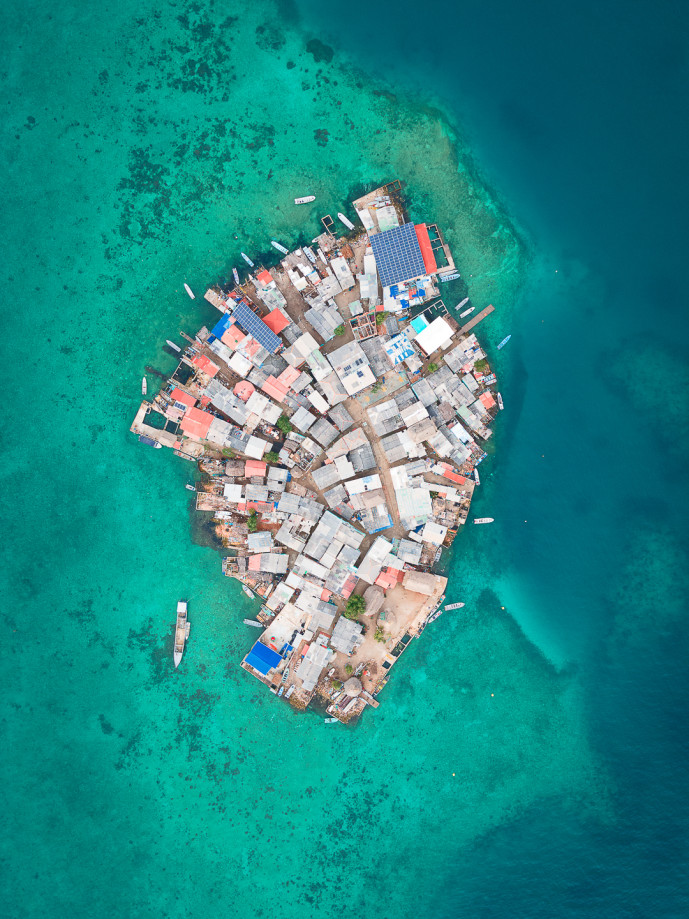
Discover Santa Cruz Del Islote, a remarkable man-made island in Colombia’s Caribbean. This vibrant community, built entirely on stilts, offers a unique glimpse into ingenious island living. Experience the warmth of its inhabitants and the charm of a place where the ocean is both foundation and livelihood.
Destination Facts
- Type of Destination: Island
- Brief Description: Santa Cruz del Islote is a unique, densely populated artificial island in the Caribbean Sea, renowned for its ingenious construction and vibrant community life. It is one of the most densely populated islands in the world.
- Location: Archipelago of San Bernardo, Sucre Department, Caribbean Region (Región Caribe), Colombia. It is situated approximately 15 kilometers (9 miles) off the coast of the mainland.
- Significance/Known For: Its primary significance lies in being a remarkable example of human ingenuity and adaptation, with the island built and sustained by its inhabitants from coral and seabed materials. It is also known for its exceptional population density.
- Size/Area: Approximately 0.012 square kilometers (about 12,000 square meters or 3 acres).
- Population: Estimated to be between 500 and 1,200 inhabitants, making it exceptionally densely populated for its size.
- Main Attractions/Key Features:
- The island itself, a testament to human construction on a small scale.
- The vibrant community life and unique living arrangements.
- Local marine activities and the surrounding clear waters.
- Best Time to Visit: The dry season, from December to April, offers the most pleasant weather with less rainfall and calmer seas, ideal for exploring and enjoying the island and its surroundings.
Essentials
- Best Months to Visit: December, February, January, March, November, October, September
History
A Brief History of Santa Cruz del Islote
Santa Cruz del Islote, a remarkable man-made island adrift in the Caribbean Sea off the coast of Colombia’s Sucre Department, possesses a history as unique as its existence. Unlike many settlements with ancient origins, its story is relatively recent, born from necessity and ingenuity. The island’s genesis lies in the resourcefulness of fishermen from the nearby mainland who sought a secure and convenient base for their operations. They began constructing platforms using coral, rocks, and palm trunks, gradually creating a stable foundation in the shallow waters.
This nascent settlement, initially a collection of simple huts, evolved over decades into a thriving community. The absence of land-based resources and the constant threat of hurricanes from the mainland spurred further development. Residents adapted to their aquatic environment, developing intricate systems for water collection, waste management, and even rudimentary sewage disposal, all within the confined space of their island. The island’s development is intrinsically linked to the resilience and collaborative spirit of its inhabitants, who transformed a humble fishing outpost into a densely populated micro-nation, a testament to human adaptation and perseverance in an extraordinary setting.
Key Historical Developments
- Mid-20th Century: The initial construction and settlement of Santa Cruz del Islote began, primarily by fishermen seeking a more stable and accessible base for their livelihoods.
- Late 20th Century: The island experienced significant growth in population and infrastructure as residents developed more permanent structures and community systems to accommodate their expanding numbers.
- Early 21st Century: Increased attention from mainland Colombia and international visitors brought further recognition to the island’s unique social structure and living conditions, prompting discussions and some initiatives for improved infrastructure and sustainability.
Tours and Day Trips
Exploring the Waters and Wonders Around Santa Cruz Del Islote
While Santa Cruz Del Islote itself offers a unique and immersive cultural experience, its prime location in the Caribbean Sea opens up a world of possibilities for exploration. The surrounding waters and nearby islands beckon with natural beauty and marine life. Most excursions depart directly from the Islote, making logistics remarkably simple.
Island Hopping and Snorkeling Adventures
A quintessential experience from Santa Cruz Del Islote is a boat trip to explore the nearby coral reefs and smaller, uninhabited cays. These tours typically involve stops at prime snorkeling spots where vibrant coral gardens teem with tropical fish. Expect to see a dazzling array of marine life in the clear, warm waters. Many operators provide the necessary equipment, and some tours include a simple, fresh seafood lunch prepared on board or on a secluded beach. This is an ideal excursion for nature lovers and families seeking a day of sun, sea, and underwater discovery.
Visit to Isla Fuerte
A short boat ride away lies Isla Fuerte, a larger, more traditional island known for its tranquil atmosphere and laid-back charm. Unlike the densely populated Santa Cruz Del Islote, Isla Fuerte offers expansive beaches and a more relaxed pace of life. Visitors can explore its small village, enjoy the sandy shores, and perhaps rent a bicycle to circumnavigate the island. The waters around Isla Fuerte are also excellent for snorkeling and diving, with opportunities to spot sea turtles and various reef fish. This excursion is perfect for those seeking a contrast in island experiences, from the unique human settlement of the Islote to a more natural, less populated island paradise.
Deep Sea Fishing Excursions
For the angler, the waters off the Sucre coast are renowned for their abundant marine game. Chartering a boat for a deep-sea fishing trip from Santa Cruz Del Islote offers the chance to reel in species such as mahi-mahi, tuna, and wahoo. These excursions can be tailored to various skill levels, from novice anglers to seasoned fishermen. The thrill of the catch, combined with the stunning Caribbean seascape, makes this a memorable adventure. It’s a fantastic option for small groups or couples looking for an active and rewarding day at sea.
Mangrove Exploration Tours
Venture into the intricate network of mangroves that fringe parts of the Sucre coastline. Guided boat tours, often in smaller, more maneuverable vessels, allow you to navigate these unique ecosystems. You’ll witness the biodiversity of the mangrove forests, home to a variety of bird species, crabs, and other fascinating flora and fauna. These tours offer a quieter, more contemplative experience, highlighting the ecological importance of these coastal wetlands. This excursion is particularly appealing to birdwatchers and those interested in environmental conservation.
When to visit
When to Visit Santa Cruz del Islote
Santa Cruz del Islote, a unique man-made island community in Colombia’s Caribbean, enjoys a tropical climate year-round. Understanding the subtle shifts in weather and local activity can enhance your experience of this remarkable destination.
The Dry Season: December to April
This period generally offers the most stable and pleasant weather for visiting Santa Cruz del Islote. Expect warm temperatures, typically ranging from the mid-20s to low 30s Celsius (mid-70s to low 90s Fahrenheit), with low humidity and abundant sunshine. Rainfall is minimal, usually occurring in brief, isolated showers that quickly dissipate, leaving the air fresh.
- Pros: Ideal for exploring the island, enjoying the surrounding waters for swimming and snorkeling, and experiencing the vibrant daily life without the interruption of heavy rains. The sea is generally calmer, making boat travel to and from the island more comfortable.
- Cons: This is also the peak tourist season for the Colombian Caribbean. While Santa Cruz del Islote itself is always densely populated, the influx of visitors to the wider region can mean more crowded transport and potentially higher prices for accommodation and services in nearby mainland towns.
Major Events: While there are no specific major festivals exclusively on Santa Cruz del Islote during this time, the broader Caribbean coast celebrates Carnival in February or early March, which can bring a festive atmosphere to the region, though not directly impacting the island’s daily rhythm.
The Wet Season: May to November
The wet season brings a noticeable increase in rainfall, though it rarely rains all day. Expect higher humidity and temperatures that remain consistently warm, similar to the dry season. The rains are often characterized by heavier, more prolonged downpours, typically in the afternoon, followed by periods of sunshine.
- Pros: This is the shoulder and off-peak season, meaning fewer tourists in the surrounding areas. You may find more competitive prices for travel and lodging on the mainland. The landscape can appear more lush.
- Cons: The increased rainfall can occasionally disrupt boat schedules and limit opportunities for extended outdoor activities. Humidity can be more noticeable, which may be less comfortable for some travelers.
Major Events: The most significant local event is the Festival de la Cumbia in El Banco, Magdalena (a considerable distance, but part of the regional cultural calendar), usually held in August. While not directly on Santa Cruz del Islote, it reflects the rich cultural heritage of the Caribbean region.
Shoulder Seasons: May-June and October-November
These periods can offer a good balance between favorable weather and fewer crowds.
- May-June: Marks the transition into the wetter season. You might encounter occasional showers, but generally, the weather remains warm and sunny, with the advantage of fewer visitors than the peak dry season.
- October-November: The end of the rainy season. Rainfall typically begins to decrease, and the island is still relatively uncrowded. The sea conditions are usually good.
Overall Recommendation
For the most reliably pleasant weather and calm seas, the dry season, particularly from December to April, is recommended. This period offers the best conditions for appreciating the unique environment of Santa Cruz del Islote and its surroundings.
However, for travelers seeking a more immersive experience with fewer external tourist crowds and potentially better value, the shoulder months of May-June and October-November present compelling alternatives. These times still offer good weather with a higher probability of experiencing the island’s daily life with a more local feel.
Considerations for Travel
Santa Cruz del Islote is a densely populated island, and its daily life continues regardless of the season. However, the overall tourist flow to the Colombian Caribbean does impact the ease of reaching the island (boat availability and cost) and the atmosphere in nearby coastal towns. Traveling outside of major holiday periods will generally result in a more serene experience.
What to pack
Santa Cruz Del Islote: What to Pack
Embracing the unique charm of Santa Cruz Del Islote requires a thoughtful selection of essentials, prioritizing practicality and comfort in this vibrant island community.
Island Life Essentials
- Lightweight, Quick-Drying Swimwear: Essential for spontaneous dips in the Caribbean waters surrounding the islet.
- Reef-Safe Sunscreen (High SPF): The sun’s intensity is considerable. Protecting your skin and the delicate marine ecosystem is paramount.
- Wide-Brimmed Hat or Cap: To shield your face from the strong equatorial sun during your explorations.
- Water Shoes or Sandals: Useful for navigating the compact, often wet pathways and for entering and exiting the water.
- Insect Repellent: Particularly for early mornings and evenings, to ward off any biting insects.
- Waterproof Bag or Dry Bag: To protect electronics and valuables from sea spray and occasional splashes, especially when arriving or departing by boat.
- Reusable Water Bottle: Staying hydrated is key. While water is available, having your own bottle is both convenient and environmentally conscious.
- Lightweight, Breathable Clothing: Think cotton or linen shirts, shorts, and skirts. The tropical climate demands fabrics that allow for air circulation.
Cultural Considerations
While casual attire is common, when venturing slightly beyond the immediate island life, or for any interactions with local institutions, consider packing a modest cover-up or sarong. This shows respect for the community’s customs.
Culture
A Floating World: The Unique Culture of Santa Cruz del Islote
Santa Cruz del Islote, a man-made island community nestled in the Caribbean Sea off the coast of Sucre, offers a cultural experience unlike any other in Colombia. Its very existence, built from coral and seabed materials, has fostered a distinct way of life characterized by resourcefulness, strong community bonds, and an intimate relationship with the ocean.
Community and Social Fabric
Life on Santa Cruz del Islote is intrinsically communal. The limited space necessitates close proximity, leading to a palpable sense of shared responsibility and mutual reliance. Decisions are often made collectively, and neighbors are quick to offer assistance. This is a place where everyone knows everyone, and the rhythm of daily life is dictated by the tides and the needs of the community.
Visitors will observe a deep respect for elders and a strong emphasis on family ties. Children are often seen playing freely throughout the island, watched over by many eyes. The social interactions are generally warm and open, though a polite and respectful approach from visitors will be greatly appreciated.
Ocean’s Embrace: Livelihoods and Traditions
The sea is not just a backdrop; it is the lifeblood of Santa Cruz del Islote. Fishing is the primary occupation, and the daily routines of the islanders revolve around the ebb and flow of the ocean’s bounty. This deep connection to the marine environment has shaped their traditions and their understanding of the world.
While specific festivals might be more subdued than mainland celebrations, the spirit of festivity can be observed in the general camaraderie and the occasional spontaneous gathering. Music, often featuring the vibrant sounds of cumbia and vallenato, can be heard drifting from homes, especially during evenings and weekends.
Cuisine: Simplicity and Freshness
The cuisine of Santa Cruz del Islote is a testament to the freshness of its primary ingredient: seafood. Expect simple yet delicious preparations that highlight the natural flavors of the catch of the day. Grilled fish, often served with coconut rice and a simple salad, is a staple. Other local delicacies might include shrimp cooked in various styles or other shellfish gathered from the surrounding waters.
The emphasis is on sustenance and flavor derived directly from the ocean. It’s an authentic taste of island life, far removed from the elaborate dishes found in larger cities.
Navigating the Islote: Etiquette for Visitors
When visiting Santa Cruz del Islote, remember that you are entering a living community, not just a tourist attraction. Modesty in dress is advisable, especially when walking through residential areas. Always ask for permission before taking photographs of people, particularly children.
- Show respect for the limited resources and space.
- Engage with locals with a friendly and open demeanor.
- Be mindful of noise levels, especially during rest hours.
- Support the local economy by purchasing handicrafts if available, or by hiring local guides for tours.
- Learn a few basic Spanish phrases; it will go a long way in fostering connections.
A visit to Santa Cruz del Islote is an opportunity to witness a unique human adaptation to an extraordinary environment, a place where community, the ocean, and a resilient spirit define the cultural landscape.