Taganga
A charming fishing village near Santa Marta, Taganga offers stunning Caribbean beaches, vibrant nightlife, and world-class diving in crystal-clear waters, all framed by dramatic coastal hills.
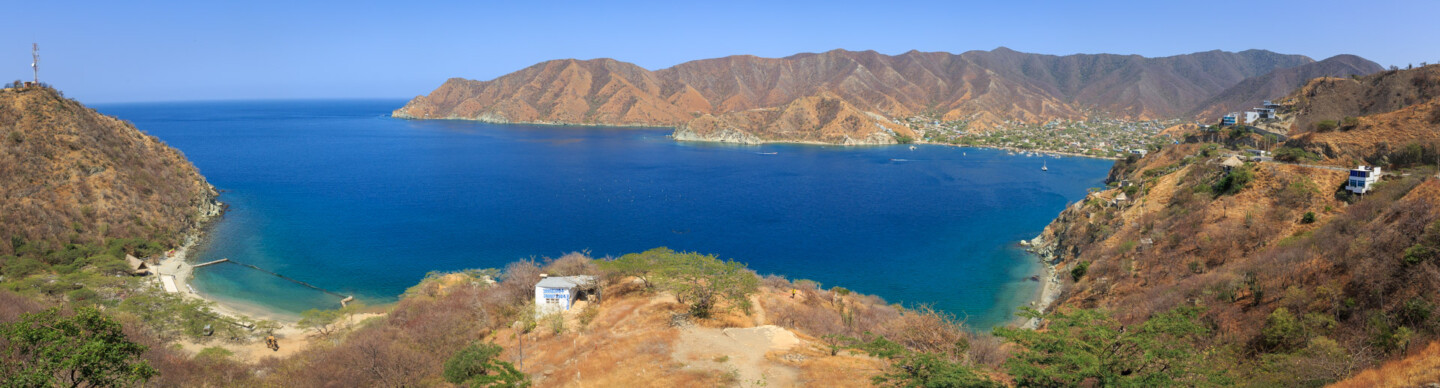
Nestled along Colombia’s Caribbean coast, Taganga is a sleepy fishing village where time moves to the rhythm of lapping waves. Its rugged hills frame golden coves, while vibrant boats dot the turquoise bay—a postcard of simplicity. Divers relish its coral-rich waters, while wanderers savor sunsets over the Sierra Nevada. Here, authenticity lingers in salt-kissed air and unhurried charm.
Destination Facts
- Official Name: Taganga
- Type of Destination: Coastal Village
- Brief Description: A charming fishing village with a bohemian atmosphere, nestled between arid hills and the Caribbean Sea, known for its relaxed vibe and vibrant local culture.
- Location: Northern Colombia, approximately 10 minutes by road from Santa Marta, in the Magdalena Department of the Caribbean Region.
- Year Established/Founded: N/A
- Governing Body/Management: Local municipal authorities (Santa Marta)
- Significance/Known For: A gateway to Tayrona National Park, renowned for its diving spots, backpacker-friendly hostels, and scenic beaches.
- Size/Area: N/A
- Population: Approximately 4,000 inhabitants
- Main Attractions/Key Features:
- Taganga Beach, a crescent-shaped shoreline ideal for swimming and sunbathing.
- Diving and snorkeling excursions to nearby coral reefs.
- Proximity to Tayrona National Park and Playa Grande.
- Best Time to Visit: December to April, during the dry season, for optimal beach and outdoor activities.
- Entrance Fee/Ticket Info: Free access to the village; fees apply for diving tours and Tayrona National Park.
- Operating Hours: N/A (Open year-round)
- Website: N/A (No prominent official site)
Essentials
- Best Months to Visit: December, February, January, March, November
History
A Brief History of Taganga
Nestled along Colombia's Caribbean coast, Taganga is a fishing village with a history as rich as its turquoise waters. Originally inhabited by the indigenous Tayrona people, the area was a vital settlement long before Spanish colonization. The Tayrona, known for their advanced goldwork and agricultural systems, left behind traces of their culture in the surrounding hills and nearby archaeological sites like Pueblito. Taganga's name itself is derived from the indigenous term for "land of the serpents," a nod to its mystical past.
During the colonial era, Taganga became a strategic outpost for Spanish settlers, who exploited its natural harbor and proximity to Santa Marta, one of the oldest cities in South America. Over time, the village evolved into a quiet fishing community, its rhythms dictated by the sea. In the late 20th century, Taganga's pristine beaches and laid-back charm attracted backpackers and divers, transforming it into a bohemian enclave while retaining its traditional roots.
Key Historical Dates
- Pre-1500s: Inhabited by the Tayrona civilization, Taganga was a thriving indigenous settlement with ties to the Sierra Nevada de Santa Marta.
- 1525: Spanish conquistadors established Santa Marta nearby, bringing Taganga under colonial influence as a fishing and trading post.
- 19th Century: Taganga remained a modest fishing village, largely isolated from Colombia's turbulent independence struggles.
- 1970s–1980s: The discovery of its coral reefs and tranquil shores by international travelers marked the beginning of its reputation as a backpacker's paradise.
- 2000s: Designated part of the Tayrona National Natural Park, Taganga's cultural and ecological significance gained formal recognition.
Tours and Day Trips
Popular Tours & Day Trips from Taganga
1. Tayrona National Park Adventure
A short boat ride or scenic hike from Taganga brings you to the lush paradise of Tayrona National Park. This protected coastal reserve is a sanctuary of golden beaches, dense jungle, and ancient indigenous ruins. Spend the day swimming in crystalline coves like Cabo San Juan or hiking through trails teeming with wildlife. The excursion typically lasts a full day, making it ideal for nature lovers and adventure seekers.
2. Scuba Diving in the Caribbean
Taganga is renowned as one of Colombia’s premier diving hubs, offering access to vibrant coral reefs and marine life. Local dive schools organize trips to sites like La Piedra del Hundimiento or the nearby Isla Aguja, where beginners and experienced divers alike can explore underwater caves and schools of tropical fish. Half-day or full-day excursions are available, tailored to all skill levels.
3. Sunset Sail to Playa Grande
For a more leisurely escape, embark on a sunset sailing trip to Playa Grande, a serene beach just a short distance from Taganga. Glide across the Caribbean waters as the sky turns golden, then unwind on the shore with fresh seafood and cocktails. This relaxed outing is perfect for couples or those seeking a tranquil retreat from the bustle of town.
4. Minca: Coffee & Waterfalls in the Sierra
Venture into the verdant hills of the Sierra Nevada de Santa Marta with a day trip to Minca, a charming mountain village known for its coffee farms and cascading waterfalls. Tour a local finca to learn about organic coffee production, then cool off under the Pozo Azul or Marinka waterfalls. The journey takes about an hour by jeep, offering a refreshing contrast to the coastal heat.
5. Indigenous Heritage Tour to Ciudad Perdida
For those with more time, a multi-day trek to Ciudad Perdida (the Lost City) is an unforgettable experience. While the full expedition takes several days, shorter guided tours from Taganga provide insights into the region’s indigenous Tayrona culture and the archaeological wonders hidden in the jungle. This is a profound journey for history enthusiasts and intrepid travelers.
When to visit
Seasonal Breakdown
Taganga, a charming fishing village on Colombia's Caribbean coast, experiences a tropical climate with distinct dry and wet seasons. The best time to visit depends on your preferences for weather, crowds, and local events.
Dry Season (December – April)
This period is marked by warm, sunny days with minimal rainfall. Temperatures typically range from 25°C to 32°C (77°F to 90°F), and humidity is moderate. The sea is calm, making it ideal for diving, snorkeling, and beach activities.
- Pros: Perfect for outdoor adventures, vibrant nightlife, and clear skies for photography.
- Cons: Higher tourist numbers and elevated accommodation prices, especially during December and January.
- Events: The Carnaval de Barranquilla (February or March) spills over into nearby Taganga, bringing lively parades and music.
Wet Season (May – November)
Rainfall increases, particularly in October and November, though showers are often brief and followed by sunshine. Temperatures remain warm, averaging 26°C to 30°C (79°F to 86°F). The landscape becomes lush, and the ocean swells attract surfers.
- Pros: Fewer tourists, lower prices, and a more authentic local atmosphere.
- Cons: Occasional heavy rains may disrupt outdoor plans; some dive sites may be less accessible.
- Events: The Festival del Mar in nearby Santa Marta (July) celebrates Caribbean culture with music and seafood feasts.
Overall Recommendation
The dry season (December – April) is ideal for those seeking sunshine and vibrant energy, though travelers should book early to secure accommodations. For a quieter, budget-friendly experience with occasional rain, the shoulder months of May and November offer a compelling balance.
Considerations
Peak season (December – January) brings crowded beaches and higher prices, while the wet season offers solitude but requires flexibility. Many local businesses adjust hours during low season, so verify availability in advance.
What to pack
What to Pack for Taganga
Taganga, a laid-back fishing village turned backpacker haven on Colombia’s Caribbean coast, calls for a mix of beach essentials and practical gear for its sun-soaked days and rugged terrain.
For the Sun & Sea
- High-SPF Reef-Safe Sunscreen: The tropical sun is intense, and Taganga’s waters are part of a fragile marine ecosystem.
- Quick-Dry Beach Towel or Sarong: Ideal for impromptu beach stops or boat trips to nearby coves.
- Sturdy Sandals or Water Shoes: The rocky paths to secluded beaches demand footwear that can handle both land and sea.
For Exploration & Comfort
- Lightweight, Breathable Clothing: Linen or moisture-wicking fabrics to combat the humidity while exploring Tayrona National Park or Taganga’s dusty streets.
- Compact Daypack: For carrying essentials on hikes or boat excursions—preferably with a hidden pocket for security.
- Reusable Water Bottle with Filter: Tap water isn’t always reliable, and staying hydrated is key in the heat.
Evenings & Local Vibes
- Light Layer for Evenings: A thin long-sleeve shirt or shawl to ward off breezes and mosquitoes after sunset.
- Cash in Small Denominations: Many beachfront bars and local vendors prefer cash, and ATMs can be scarce.
Culture
A Fishing Village with Bohemian Soul
Taganga, once a quiet fishing enclave, has evolved into a bohemian retreat where traditional coastal life mingles with the rhythms of backpackers and artists. Unlike the polished resorts of nearby Santa Marta, Taganga retains a raw, unpretentious charm. Its narrow streets, lined with pastel-colored houses, echo with the laughter of local children and the hum of fishermen repairing their nets at dawn.
The Pulse of the Sea
Fishing remains the lifeblood of Taganga, and visitors will notice the daily rituals: wooden boats (chalupas) returning with the morning catch, sold directly on the beach to women preparing sancocho de pescado (fish stew) in makeshift kitchens. The sea dictates the rhythm here—early risers can witness the auction of fresh dorado or snapper, a spectacle of shouted bids and swift hands.
Local Etiquette by the Shore
- Respect the fishermen’s workspace: avoid stepping on nets or boats without permission.
- Bargaining for fresh fish is expected, but keep it lighthearted—this is a social exchange, not a confrontation.
Artisan Traditions with a Modern Twist
Taganga’s artisans blend indigenous Tayrona influences with contemporary flair. Look for handwoven mochilas (bags) made by local women, often dyed with natural pigments from the Sierra Nevada. The village’s small galleries showcase naive paintings of seascapes, sold alongside beaded jewelry crafted by the Wayuu people, though their presence here is less pronounced than in La Guajira.
Music: Vallenato with Salt in the Air
While vallenato is ubiquitous in Colombia’s Caribbean, Taganga’s version is infused with the cadence of the sea. Impromptu gatherings on Playa Grande feature accordions and cajas (drums), with lyrics often referencing local lore—like the tale of the mermaid of Taganga, said to lure fishermen into the depths. Beachfront bars like Babylon host live bands blending reggae and champeta, a testament to the village’s eclectic influences.
Festivals: Intimate and Unscripted
Taganga avoids the grandiosity of Cartagena’s festivals. Instead, its celebrations are community affairs. During Semana Santa, the procession of the Virgin of Carmen winds through the streets, followed by a flotilla of decorated boats. The Festival del Mar (July) transforms the beach into a stage for drum circles and fire dancers, a quieter alternative to Barranquilla’s Carnival.
Cuisine: Simplicity as Virtue
Taganga’s culinary scene is uncomplicated but deeply flavorful. Street vendors sell arepas de huevo stuffed with local cheese, while family-run fondas serve arroz con coco y camarones (coconut rice with shrimp), a dish that highlights the village’s Afro-Caribbean roots. For a taste of tradition, seek out ceviche de corvina, marinated in lime juice with a hint of aji pepper, best enjoyed at sunset with a cold Costeñita beer.
Where to Eat Like a Local
- El Refugio: A no-frills spot for whole fried fish served with patacones (fried plantains).
- La Ballena Azul: Known for its octopus stew, a recipe passed down through generations.