Tayrona Park
A must-visit gem in Colombia's Tayrona Park, Cabo San Juan and La Piscina offer pristine beaches, lush jungle trails, and crystal-clear waters perfect for swimming and unwinding in paradise.
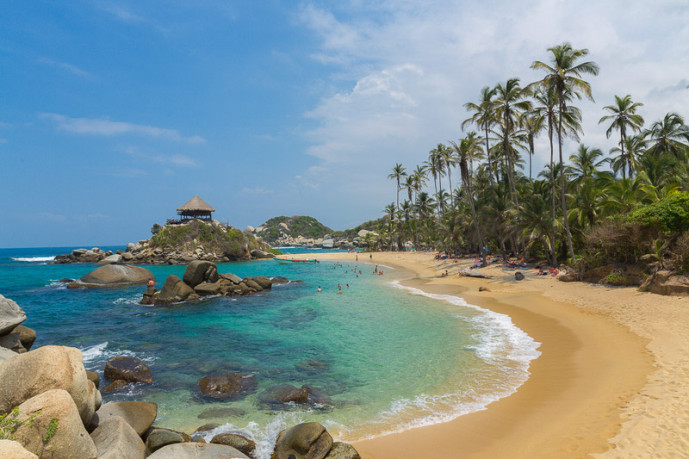
Nestled along Colombia's Caribbean coast, Tayrona Park enchants with its wild beauty—a harmony of lush jungle, golden beaches, and ancient Tayrona ruins. Hike through emerald trails to hidden coves like La Piscina, where turquoise waters meet powdery sand. Here, nature whispers secrets of a lost civilization, inviting travelers to slow down and savor the untamed elegance of land, sea, and history.
Destination Facts
- Official Name: Parque Nacional Natural Tayrona
- Type of Destination: Archeological Site, Beach, Hiking
- Brief Description: A stunning blend of lush jungle, golden beaches, and ancient indigenous ruins, Tayrona Park offers a harmonious escape into nature and history along Colombia's Caribbean coast.
- Location: Caribbean Region (Región Caribe), near Santa Marta, Magdalena Department
- Year Established/Founded: 1964
- Governing Body/Management: Parques Nacionales Naturales de Colombia
- Significance/Known For: Protected biodiversity hotspot, sacred lands of the indigenous Tayrona people, and pristine beaches like La Piscina and Cabo San Juan.
- Size/Area: Approximately 150 square kilometers (58 square miles)
- Main Attractions/Key Features:
- Ancient Tayrona ruins at Pueblito Chairama
- Idyllic beaches such as La Piscina and Cabo San Juan
- Dense tropical rainforest with diverse wildlife
- Best Time to Visit: December to March (dry season), though the park is open year-round.
- Entrance Fee/Ticket Info: Yes, fees vary for nationals and foreigners; check official website for updates.
- Operating Hours: Typically 8:00 AM to 5:00 PM; some areas may have restricted access.
- Website: Parques Nacionales Naturales de Colombia
Essentials
- Top Attractions: Cabo San Juan, La Piscina
- Best Months to Visit: December, February, January, November
History
A Brief History of Tayrona Park
Tayrona National Natural Park, a jewel of Colombia's Caribbean coast, is a place where nature and history intertwine. Named after the indigenous Tayrona people who once thrived here, the park's rugged mountains, lush jungles, and pristine beaches conceal traces of a sophisticated pre-Columbian civilization. The Tayrona, part of the larger Chibcha cultural group, inhabited this region from as early as 200 CE until the Spanish conquest in the 16th century. Their terraced settlements, stone pathways, and ceremonial centers, such as Pueblito, reflect a deep connection to the land and a mastery of engineering adapted to the steep terrain.
The Spanish arrival in the 16th century disrupted Tayrona society, leading to the abandonment of many settlements. Over time, the dense jungle reclaimed these sites, preserving them in relative obscurity until modern archaeological efforts began. Today, Tayrona Park is not only a sanctuary for biodiversity but also a living museum of Colombia's indigenous heritage, offering visitors a glimpse into a civilization that harmonized with its environment.
Key Historical Dates
- 200 CE - 1600 CE: The Tayrona civilization flourishes in the Sierra Nevada de Santa Marta, constructing terraced villages and intricate gold artifacts.
- 1525: Spanish conquistadors, led by Rodrigo de Bastidas, establish Santa Marta nearby, initiating conflict with the Tayrona people.
- 17th century: Many Tayrona settlements are abandoned due to Spanish colonization and disease; survivors retreat deeper into the Sierra Nevada.
- 1964: Tayrona National Natural Park is established to protect the region's ecological and archaeological heritage.
- 1980s-present: Archaeological research and eco-tourism bring renewed attention to the park's historical significance.
Tours and Day Trips
Popular Tours & Day Trips from Tayrona Park
1. Hike to Pueblito Chairama
A journey through time awaits on this moderate hike to Pueblito Chairama, an ancient archaeological site of the indigenous Tayrona people. The trail winds through lush jungle, past boulders and streams, culminating in terraced stone structures and ceremonial spaces. The hike takes approximately 2-3 hours one way, offering glimpses of howler monkeys and tropical birds. Ideal for history enthusiasts and those seeking a deeper connection to the region’s cultural heritage.
2. Snorkeling at La Piscina
The crystalline waters of La Piscina, a natural pool protected by coral reefs, invite travelers to explore Tayrona’s underwater world. Snorkeling here reveals vibrant marine life, including parrotfish and sea turtles, in calm, shallow waters. The site is a short walk from Cabo San Juan, making it accessible for families and casual adventurers. Equipment can be rented locally, and guided tours often include insights into the area’s ecology.
3. Day Trip to Ciudad Perdida (The Lost City)
For the intrepid, a multi-day trek to Ciudad Perdida—Colombia’s legendary "Lost City"—begins near Tayrona Park. This challenging 4- to 5-day expedition traverses dense rainforest, river crossings, and steep ascents to reach the pre-Columbian ruins, older than Machu Picchu. While not a casual outing, the reward is unparalleled: mist-shrouded terraces and a profound sense of discovery. Best suited for physically fit travelers with a spirit for adventure.
4. Birdwatching in the Sierra Nevada
The foothills of the Sierra Nevada de Santa Marta, a short distance from Tayrona, are a paradise for ornithologists and nature lovers. Guided morning tours reveal endemic species like the Santa Marta parakeet and the striking blue-billed curassow. The serene trails, often less crowded than the park’s beaches, offer a tranquil alternative for those seeking solitude amidst biodiversity.
5. Sunset at Cabo San Juan del Guía
No visit to Tayrona is complete without witnessing the golden hour at Cabo San Juan del Guía, where the jungle meets the sea. The iconic lighthouse viewpoint provides panoramic vistas of the Caribbean, while hammocks strung between palms invite relaxation. A leisurely 1.5-hour walk from the park’s main entrance, this spot is perfect for photographers and romantics alike.
When to visit
Best Time to Visit Tayrona Park
Tayrona Park, a jewel of Colombia's Caribbean coast, offers a unique blend of archaeological wonders, pristine beaches, and lush hiking trails. The ideal time to visit depends on your preferences for weather, crowds, and activities. Below is a seasonal breakdown to help you plan your journey.
Dry Season (December – March)
The dry season is the most popular time to visit Tayrona Park, with warm temperatures averaging 28–32°C (82–90°F) and minimal rainfall. Humidity remains high, but the lack of rain makes hiking and beach activities more enjoyable.
- Pros: Ideal for hiking to Pueblito or lounging at La Piscina beach. Clear skies and calm seas enhance snorkeling and swimming.
- Cons: Peak tourist season means crowded trails and beaches, higher accommodation prices, and limited availability.
- Events: The festive period (December–January) brings lively celebrations in nearby Santa Marta, but the park itself remains tranquil.
Shoulder Season (April – May, October – November)
These months offer a balance between pleasant weather and fewer visitors. Temperatures hover around 27–30°C (80–86°F), with sporadic rain showers, particularly in November.
- Pros: Fewer crowds, lower prices, and lush landscapes after brief rains. Excellent for photography and serene beach visits.
- Cons: Occasional rain may disrupt hiking plans, and some trails can be muddy.
- Events: The indigenous Kogi people occasionally hold ceremonies in April, offering a rare cultural insight.
Wet Season (June – September)
Heavy rainfall characterizes these months, with temperatures around 26–29°C (79–84°F). Humidity is at its peak, and trails can become slippery or closed due to storms.
- Pros: The park is at its most verdant, and visitor numbers drop significantly. Budget travelers may find discounted rates.
- Cons: Frequent rain limits outdoor activities, and some beaches may be unsafe for swimming due to rough seas.
- Events: None of note, as the weather discourages large gatherings.
Overall Recommendation
For those seeking sunshine and vibrant landscapes, December to March is the prime window, though prepare for crowds. Travelers preferring solitude and lower costs should consider the shoulder months of April–May or October–November. Avoid June–September unless you embrace rain and solitude.
Considerations
Peak season (December–March) demands advance bookings for accommodations and park permits. Off-peak visits offer tranquility but require flexibility for weather-related closures. The park occasionally closes for ecological recovery, typically in February—check ahead.
What to pack
What to Pack for Tayrona Park
Tayrona Park’s blend of jungle trails, archaeological ruins, and Caribbean beaches demands thoughtful packing. Prioritize lightweight, versatile items suited for humidity, uneven terrain, and sudden rain showers.
For the Trails & Jungle
- Quick-dry hiking sandals or trail shoes: Sturdy footwear is essential for rocky paths and river crossings; avoid heavy boots.
- Lightweight, long-sleeved shirt: Protects from sun and insects during jungle hikes.
- Compact rain poncho: Sudden tropical downpours are common, even in dry seasons.
- DEET-based insect repellent: Mosquitoes are persistent near water and dense foliage.
For the Beach & Sun
- Reef-safe sunscreen (high SPF): The Caribbean sun is intense, and chemical sunscreens harm marine life.
- Quick-dry microfiber towel: Compact and sand-resistant for beach stops.
- Snorkel mask (optional): The coral-rich coves at La Piscina are ideal for snorkeling.
Practical Extras
- Waterproof dry bag: Keeps essentials safe during boat transfers or sudden rain.
- Small headlamp: Useful for early hikes or beachside cabañas with limited lighting.
- Colombian pesos in small bills: Many vendors in the park don’t accept cards.
Culture
The Indigenous Legacy of the Kogi and Wiwa
Tayrona Park is not merely a natural wonder but a sacred territory for the Kogi and Wiwa peoples, descendants of the ancient Tayrona civilization. These indigenous communities consider the park a living entity, where every mountain, river, and stone holds spiritual significance. Visitors may encounter their mamos (spiritual leaders) performing rituals to maintain cosmic balance. Respect their customs: avoid interrupting ceremonies and refrain from touching offerings left on trails.
A Symphony of Nature and Craft
The park’s cultural identity is woven into its artisanal traditions. The Kogi and Wiwa craft mochilas (handwoven bags) from fique fiber, using patterns that narrate ancestral myths. Unlike mass-produced versions sold elsewhere, authentic mochilas here feature earthy tones and geometric symbolism tied to the Sierra Nevada’s sacred geography. Look for them in small stalls near Cañaveral or Arrecifes, where artisans often work in plain view.
Local Etiquette: Unspoken Rules
- Greet with a nod or soft "buenos días"—loudness is considered disruptive to the park’s harmony.
- Ask permission before photographing indigenous people or their dwellings; many decline, as they believe cameras capture part of the soul.
- Stick to marked trails. Venturing off-path disturbs spiritual sites and risks fines from park rangers.
Culinary Simplicity with Coastal Nuance
Food here reflects the rugged landscape. Beachside shacks serve pescado frito con arroz de coco—fried fish with coconut rice—a dish elevated by the freshness of local catches. Try pan de bono from vendors near La Piscina, a cheese bread with a crisp exterior, subtly sweet from cassava flour. Note: dining options are sparse beyond basic fare; pack snacks if you prefer variety.
Festivals: Echoes of Ancestral Time
The Kogi’s Nabuma ceremony, held sporadically near Pueblito, marks seasonal cycles with chants and dances. Dates are rarely publicized; travelers might glimpse preparations by chance. More accessible is Santa Marta’s Festival del Mar (July), where Tayrona’s indigenous groups occasionally perform traditional gaitas (flute melodies) alongside modern vallenato.
Silent Histories in Stone
The park’s scattered archaeological sites—like the terraced ruins of Pueblito Chairama—reveal the Tayrona civilization’s advanced engineering. Unlike tourist-heavy ruins elsewhere, these remain eerily quiet, with minimal signage. Hire a local guide (often a Wiwa elder) to decode the stone pathways and circular plazas, which align with celestial events.