
Remote Expeditions
Chile Travel Guide
What decides a first trip to Chile: how the country works by latitude, when to go north and when to go south, the distances in between, the wildlife worth planning around, and three journeys we actually run.
Torres Del Paine, Chile © Tristan Quevilly
This is the Chile guide we would send to a traveller who has decided on the country but not yet on the shape of the trip.
Chile is 4,300 kilometres long and rarely more than 180 wide, so the first real decision is latitude: the Atacama desert, the central valleys and coast, the lake country, Patagonia, or Easter Island out on its own in the Pacific. Most first trips choose two of those and accept a flight between them.
What follows is what we tell travellers before they book — entry, money, altitude, wind and timing — then the places we return to, the wildlife worth building a day around, and three journeys we run ourselves. It is not everything in Chile. It is the order we would do it in.
Chapter 1
Chile at a glance
The facts you want before you start planning: what the country is called on paper, where it sits, and the handful of numbers travellers ask about first.
Country facts
- Official Name: Republic of Chile
- Continent: South America
- Time zone(s): Chile Standard Time (CLT, UTC-4), Chile Summer Time (CLST, UTC-3)
- Capital City: Santiago
- Population: Approximately 19.5 million (2023 estimate)
- Official Language(s): Spanish
- Government Type: Unitary presidential republic
- Primary Economy Sectors: Mining (copper, lithium), agriculture (fruits, wine), services, manufacturing
- Currency: Chilean Peso (CLP)
- Voltage and Plug Type(s): 220V, Type C and Type L plugs
- International Calling Code: +56
- Main International Airport(s): Arturo Merino Benítez International Airport (SCL, Santiago)
Chapter 2
Before you go
Chile is four climates stacked end to end, so what you pack and what you spend change with latitude. These are the nine things that decide how smoothly a first trip runs.
Climate and when to go
- Best Time to Visit: The best months to plan around are October to April for Patagonia and the central valley, while the arid north remains pleasant year-round.
- Climate Type: Chile stretches from the Atacama Desert through Mediterranean central regions to cool, wet Patagonia, so pack for stark regional contrasts rather than one national season.
- Temperatures & Rainfall: Summer (December–February) brings warm days near Santiago and dry conditions in the north, whereas winter (June–August) is cooler and markedly wetter south of Concepción.
- Weather Risks: Drought affects the north and central zones, while southern winds, heavy rain and occasional volcanic ash can disrupt travel; coastal fog and strong sun vary widely.
- Packing & Practicalities: Layer light clothing with a windproof shell and sun protection, and check local forecasts because mountain and coastal weather can shift quickly.
Visa and entry
Most tourists from the US, Canada, UK, Schengen countries and Australia can enter Chile visa-free for stays of up to 90 days. Other nationalities may need a prior e-visa or embassy visa. Passports should be valid for your stay, though rules can vary by nationality, and officers may request onward travel, sufficient funds or insurance. Confirm current rules before booking.
Money
Chile uses the Chilean peso (CLP), and carrying some cash is wise because many small vendors, market stalls and taxis prefer it. Hotels, restaurants and shops accept major cards, but ATMs charge fees and impose limits; the common mistake is assuming US dollars will work outside tourist areas. Tip about 10% in restaurants, bargain only at craft markets, and budget for mid-range costs with 19% VAT already included and tourist refunds possible on larger purchases.
Safety
Chile is generally safe for travellers, though Santiago and tourist hubs demand normal urban vigilance. Keep bags close in crowded markets and transport, use licensed taxis or ride apps, and avoid displaying valuables, especially after dark and in isolated neighbourhoods; solo travellers should share plans and trust instincts. Respect local laws and park rules, carry document copies and insurance, and know earthquake and tsunami procedures near the coast.
Health
Arrange comprehensive travel insurance with medical evacuation cover before travelling to Chile. In the Andes ascend gradually to avoid altitude sickness, ensure routine hepatitis A/B, typhoid and tetanus vaccines are current, practise food and water hygiene, use repellent for dengue on Easter Island, check yellow fever certificate rules if arriving from a risk country, and note mainland Chile has no malaria risk. Urban care is generally good but remote areas need evacuation; pharmacies are widespread. Protect against strong sun and consult your doctor or travel clinic for personalised advice.
Getting around
Chile’s extreme length makes domestic flights or overnight long-distance buses the backbone of any realistic itinerary. Santiago’s metro is efficient, city buses need a Bip! card, and taxis or ride-hailing apps suit late arrivals, though safety warrants licensed services. Renting a car helps for wine valleys and Patagonia, but book early, check insurance, and expect tolls and gravel roads. Book flights and ferries ahead in high season, and use buses for regional links where rail is limited.
What to pack
Chile demands packing for stark regional contrasts, not a single national season. Layer light clothing with a windproof rain shell and sun protection, adding fleece for Patagonia and the arid north; bring hiking boots, swimwear, a refillable bottle and a 220V Type C/L adapter. Carry prescriptions, insurance details and some Chilean pesos, as mountain and coastal weather shifts quickly.
Where to sleep
Reserve accommodation well in advance for Patagonia and Easter Island, where demand outstrips supply and prices climb sharply. Elsewhere, Chile offers a coherent range from simple hospedajes and hostels to boutique hotels and rural estancias, with budget rooms around US$30–50, mid-range US$80–150, and luxury above US$250. High season (December–February) and ski resorts require early booking, and remote areas reward flexibility.
Culture
In Chile, daily life is anchored in family and shared meals, so travellers should expect a warm but relatively formal sociability, with greetings and hospitality that often begin at the table. The evening once—tea with bread, avocado or jam—and a long Sunday lunch of cazuela or empanadas reveal regional cooking shaped by Indigenous, Spanish and immigrant influences, while the cueca, Neruda’s poetry and Violeta Parra’s songs carry a folk memory that surfaces during Fiestas Patrias and religious festivals such as La Tirana. Spanish is official, though Mapudungun and local slang mark regional identity; dress is generally casual, but Chileans dress neatly for family gatherings and church, where Catholic traditions still set the rhythm of many public holidays.
Chapter 3
Where to go
Chile is planned by latitude, not by region. We start from the base we would actually use in each part of the country and work outward from there.


Chapter 4
Don't miss
A short list rather than a long one: the places we return to, and the ones that reward being there at the right hour.
-
Valle de la Luna (Atacama)
-
Piedras Rojas
Striking Red Rocks in the Atacama Desert
-
Cerro San Cristóbal
Cerro San Cristóbal is a prominent hill located in Santiago, the capital city of Chile. It stands tall within the Metropolitan Park, providing panoramic views of the cityscape and the surrounding mountains. Visitors can reach the summit by hiking, biking, or taking a funicular ride, and once there, they can admire the city from various viewpoints, visit the Virgin Mary statue, or enjoy recreational activities such as picnicking and jogging. Cerro San Cristóbal is a beloved landmark of Santiago and a popular destination for locals and tourists alike.
-
Plaza de Armas
Plaza de Armas, the historic heart of Santiago de Chile, is a vibrant square surrounded by colonial architecture, bustling markets, and iconic landmarks like the Metropolitan Cathedral.
-
Mercado Central
The Mercado Central de Santiago is a bustling market in Chile's capital, famous for its fresh seafood, traditional eateries, and vibrant local atmosphere. A must-visit for food lovers.
-
Hills of Valparaíso
Urban Maze
-
Mirador Las Torres Base
Mirador Las Torres Base, located in Chile's Torres del Paine National Park, offers breathtaking views of the iconic granite towers, a must-see for hikers and nature enthusiasts.
-
Mirador Lago Grey
Mirador Lago Grey offers breathtaking views of the glacier-fed Lago Grey and the towering peaks of Torres del Paine National Park, a must-visit for nature lovers in Chile.
-
Mirador Explora (Mirador Pehoe)
Mirador Ferohe in Torres del Paine National Park, Chile, offers breathtaking panoramic views of rugged peaks, pristine lakes, and the iconic Paine Massif, a must-see for nature enthusiasts.
-
Cerro Paine Grande
Cerro Paine Grande is a towering mountain located in Torres del Paine National Park, in the Magallanes Region of Chile. It is part of the iconic Paine Massif, a granite mountain range that dominates the park's landscape. Cerro Paine Grande offers a dramatic sight with its steep slopes, snow-capped peaks, and hanging glaciers. It is a popular destination for experienced climbers and hikers seeking a challenging adventure in one of the world's most stunning natural settings. Cerro Paine Grande provides a breathtaking experience and rewards those who conquer its heights with unforgettable views.
-
Marble Caves
The Marble Caves, also known as the Marble Cathedral, are a natural wonder located in the General Carrera Lake in the Aysén Region of Chile. These magnificent caves are formed by the erosive action of water, creating stunning marble formations in shades of blue and white. Visitors can explore the caves by boat or kayak, marvel at the intricate patterns of the marble, and witness the mesmerizing reflections on the crystal-clear waters. The Marble Caves offer a unique and magical experience in the midst of a remote and pristine natural setting.
-
Magdalena Island penguin colony
Island in the Strait of Magellan reached by boat from Laredo Bay, holding a large Magellanic Penguin colony.
Chapter 5
Birds and wildlife you can photograph
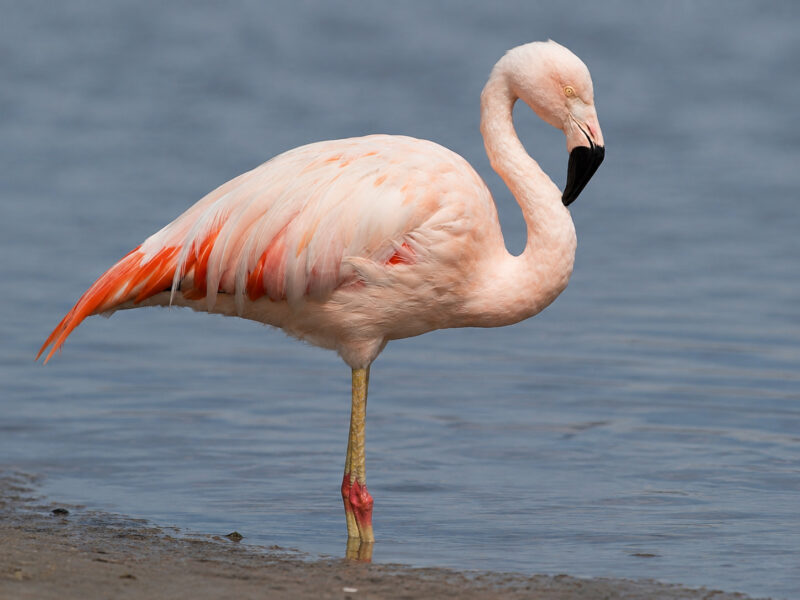
Chile’s wildlife is concentrated rather than plentiful: the altiplano lakes, the Strait of Magellan, and the Paine valleys where puma tracking actually works.




Chapter 6
Suggested itineraries
Three ways we actually travel here, day by day. They are samples rather than fixed products — the sequence is the useful part.
Chile & Argentina Patagonia Photography Tour | Torres del Paine to El Chaltén
10 days
- Day 1Sunset Photo Activity from Hotel Serrano (Hotel Rio Serrano)
- Day 2Sunrise Photo Activity from Hotel Rio Serrano, Stroll at golden hour and sunset from Mirador Pehoe (Hosteria Pehoe)
- Day 3Sunrise from Hotel Explora, Capturing Cuernos Reflections from Explora, Salto Grande Waterfall and Cuernos Trail (Hosteria Pehoe)
- Day 4Sunrise from Camping Lago Pehoe for amazing photos of the Cuernos in its complete glory, Capturing Mountain details with long lens in Torres Del Paine (Hotel Altiplanico Puerto Natales)
- Day 5Relax Walk in El Calafate (Mirador del Lago Hotel)
- Day 6Full day tour tour Perito Moreno Glaciar, Boat Navigation Perito Moreno Glaciar (Mirador del Lago Hotel)
- Day 7Sunset Photography Session from Cañadon Rio De Las Vueltas (Chalten Suites Hotel)
- Day 8Sunrise Photography Session at Cañadon Rio De Las Vueltas Spot 2, Visit of Chorillo Del Salto, Sunset from Mirador de los Condores with view over Fitz Roy and El Chalten (+ optional Drone pictures) (Chalten Suites Hotel)
Patagonia Autumn Photography Tour & Workshop
15 days
- Day 2Hike to Laguna Capri, Photo activity in Laguna Capri, Relax walk to Fitz Roy Mirador, Night photography session near the Capri campsite (Camping Laguna Capri)
- Day 3Hike to Cascada Escondida, Hike to Poincenot Campsite, Photo activity at the Japanese Garden near Poincenot Campsite, Night photography session near the Poincennot campsite (Camping Poincenot)
- Day 4Hike to Laguna de los 3, Sunset photo activity near Poincennot Campsite (Camping Poincenot)
- Day 5Hike from Poincennnot to Laguna Torre, Photography Session near De Agostini Campsite (Campamento De Agostini)
- Day 6Sunrise at Laguna Torre, Relax morning at Agostini Campsite, Hike to Mirador Maestri
- Day 7Sunrise at Laguna Torre, Hike from Agostini Campsite to El Chalten, Sunset Photography Session from Cañadon Rio De Las Vueltas (Senderos Aparts & Suites)
- Day 8Hike to Loma Pliegue Tumbado, Photos activities in Loma Pliegue Tumbado (Senderos Aparts & Suites)
- Day 9Sunrise Photography Session at Cañadon Rio De Las Vueltas Spot 1 (Hotel Posada Los Alamos)
Patagonia & Iguaçu Falls Photography Tour
10 days
- Days 1-3Iguazú Falls from Argentina and Brazil | Based at Gran Meliá Iguazú, this stage explores the Argentinian circuits, the Brazilian side of Iguazú, and a full moon photography session at the falls.
- Days 4-5El Calafate and Perito Moreno Glacier | From El Calafate, a full-day excursion to Los Glaciares National Park includes the Perito Moreno Glacier walkways and a boat navigation along its ice wall.
- Days 6-9Torres del Paine National Park | After crossing from El Calafate into Chile, this stage explores Torres del Paine from Hotel Rio Serrano and Hosteria Pehoe, with sunrise, sunset, and trail photography, ending with a scenic drive to Puerto Natales.
- Day 10Puerto Natales Departure | A leisurely morning in Puerto Natales is followed by the transfer to Puerto Natales Airport for the flight back home.
Chapter 7
Practical questions
The questions that arrive by email, answered once.
Santiago de Chile offers a blend of cultural, historical, and natural attractions. Must-sees include Plaza de Armas, the city's historic heart with the Metropolitan Cathedral; the lively La Moneda Palace, the seat of the president; and the vibrant Mercado Central, perfect for sampling local seafood. Visit Cerro San Cristóbal for panoramic views and explore Barrio Bellavista for its bohemian vibe and street art. The Museo Nacional de Bellas Artes hosts impressive art collections, while the pre-Columbian art museum provides deep cultural insights. For a touch of nature, Parque Bicentenario offers serene landscapes. Concha y Toro, in nearby Maipo Valley, is ideal for wine enthusiasts seeking Chilean flavors.
The best places to see penguins in Chile are the Humboldt Penguin National Reserve on Choros and Chañaral Islands, home to Humboldt penguins, and Magdalena Island in the Strait of Magellan, which hosts a large colony of Magellanic penguins. Additionally, Tierra del Fuego and Isla Martillo offer opportunities to spot penguins, including occasional sightings of King penguins. These locations provide guided tours and boat trips for visitors to observe penguins in their natural habitats.
Chilean wine is renowned for its quality due to a combination of favorable climate, diverse geography, and advanced viticultural practices. The country's long, narrow shape offers a variety of microclimates, ranging from the arid Atacama Desert in the north to the cooler and wetter regions in the south. This diversity allows Chile to produce a wide range of grape varieties, each suited to specific regions. The presence of the Andes Mountains provides irrigation from melted snow and protection from pests. Additionally, Chile's wine industry benefits from modern technology and expertise, enabling the production of wines with balance, complexity, and consistency that appeal to international markets.
Chile tends to be more expensive than other South American countries due to its stable and developed economy, which has led to a higher cost of living. Factors such as higher wages, better infrastructure, and a strong regulatory environment contribute to increased costs. The country has a relatively high level of economic growth and development, attracting foreign investment and boosting demand for goods and services. Additionally, Chile's geography and reliance on imports for various goods, along with its focus on exporting natural resources like copper, influence prices. The strong Chilean peso compared to other regional currencies also makes goods and services more expensive for visitors and expatriates.
The 19% increase when paying by debit card instead of credit card in Chile could be attributed to several factors. Debit card transactions might incur additional costs or fees due to processing differences, financial product regulations, or specific merchant agreements. Additionally, tax incentives or differences in VAT treatment between debit and credit card transactions might contribute to this discrepancy. Local banking practices and incentives to encourage credit card use could also play a role. Without specific regulatory or market context, these are potential explanations for the pricing variance.
Fuel stations along the Carretera Austral are relatively sparse compared to more urban areas. Travelers should plan their fuel stops carefully as some sections of the route can be long and remote. It is advisable to refuel whenever possible in towns such as Coyhaique, Cochrane, and Chaitén to avoid running out of fuel in less populated areas. Carrying extra fuel canisters is also a good precaution for this scenic but isolated journey.
Santiago de Chile has an average yearly temperature ranging from approximately 13°C to 15°C (55°F to 59°F). The city's climate is classified as a Mediterranean climate, characterized by hot, dry summers and mild, wet winters. During the summer months, temperatures can rise significantly, often exceeding 30°C (86°F) in January. In contrast, winter temperatures in July can drop to around 3°C to 5°C (37°F to 41°F) during the night, with average daytime highs reaching about 14°C (57°F). This moderate climate is influenced by Santiago's location in a valley surrounded by the Andes mountains and the coastal range.
Bringing food into Chile is prohibited to prevent the introduction of pests, diseases, and invasive species that could harm the country's diverse agricultural sector and unique ecosystem. Chile's economy heavily relies on agriculture, and its geographical isolation has helped maintain biosecurity. The introduction of foreign biological threats could severely impact local crops, livestock, and overall biodiversity. Strict regulations and inspections at borders help protect these natural resources and ensure food safety, supporting sustainable agricultural practices and conservation efforts. These measures are part of Chile's broader strategy to safeguard its environment and economy from potential ecological disruptions.
If you are weighing up a trip to Chile — how much Patagonia fits in one go, whether Atacama belongs in the same journey, when the wind drops — reply to the email this came in and tell me where you are in the thinking. I answer those myself.
Travel Chile with us
Small-group journeys, personally guided, with time to look properly.


