Tailor-made travel

Tailor-Made Trips to Chile

Private tailor-made trips to Chile — the Atacama, the lake country, Patagonia and Easter Island — designed and led by the same person, at your own pace.

Chile is 4,300 kilometres long and rarely more than 180 wide, and that shape decides the trip. The Atacama, the lake country around Puerto Varas and Torres del Paine are not neighbours in any practical sense — each is a flight, and what you leave out matters more than what you add.

I plan tailor-made Chile trips around that. You tell me whether you want desert and altitude, volcanoes and forests, or wind and granite at the end of the world, and how much ground you actually want to cover; I tell you what fits in your dates, what the internal flights and long road days cost in time, and where three nights in one place beats one night in three. Then we build the route together, and I make the bookings.

Some travellers come for the pumas, the condors and the light, with a long lens and an early alarm. Others come for the wine, the seafood, the markets, or the quiet of a lake at the end of a gravel road. Both work here. The trip is yours to shape, and nothing on this page assumes you carry a tripod.

Chilean Peso (CLP)Currency
SpanishLanguage
SantiagoCapital City
UTC-4, UTC-3Time zone

A country of contrasts

Get to know Chile

Discover its main regions, then explore the places that appeal to you.

Chile at a glance

Chile rewards travellers who venture far for landscapes of extraordinary contrast.

See sample journeys

Ways to spend your days

Activities in Chile

Experiences you can add to a tailor-made route, chosen for what this country does best.

6 activities

Photography

Capturing Mountain details with long lens in Torres Del Paine

A long-lens photography session to capture the intricate details and rugged beauty of Torres del Paine's iconic mountain peaks (100-400mm recommended)

Hiking

Salto Grande Waterfall and Cuernos Trail

A scenic walk along the Cuernos Trail to the Salto Grande Waterfall viewpoint, ending at photogenic dead trees framing the Cuernos peaks.

2 h 30 min Easy
Other

Puma Tracking in Torres del Paine with a professional Guide (activity for photographers)

A guided puma tracking excursion in Torres del Paine National Park, ideal for photographers to capture the elusive big cats in their natural habitat.

5 h 30 min Moderate
Photography

Stroll at golden hour and sunset from Mirador Pehoe

A sunset viewing from Mirador Camping Lago Pehoe to witness the vibrant colors reflecting on the lake and surrounding peaks.

2 h 30 min Easy
Other

Salto Grande Waterfall Viewpoint

A visit to the Salto Grande Waterfall viewpoint to admire the powerful cascade and stunning natural surroundings.

1 h 30 min Easy
Photography

Sunrise from Camping Lago Pehoe for amazing photos of the Cuernos in its complete glory

A sunrise photography session from Camping Lago Pehoe to capture the Cuernos bathed in golden morning light.

1 h 30 min Easy

Wildlife

What you can see in Chile

When to go

The best time for Chile

Chile is planned by latitude, not by season. The country is 4,300 kilometres long, and the north and the south are never doing the same thing at the same time.

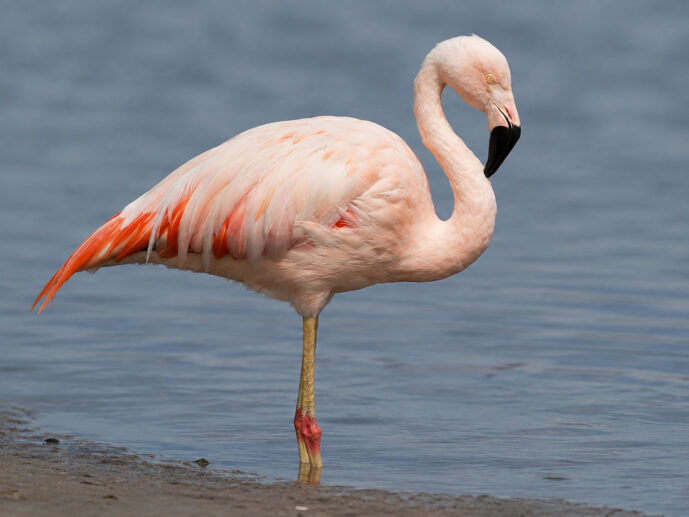
The Atacama works all year. April to October brings the clearest skies and cool nights; December to February is hotter and busier, with the altiplano lagoons at their best from January to March, when the rains fill them and the flamingos arrive.

Central Chile and the lake country run October to April. March and April are the quietest good months — warm days, the vineyards turning, far fewer people. July and August belong to the ski season and the rain.

Patagonia has a short season: November to March, with long days and the best chance of settled weather. February is the warmest and the busiest. Late March and April bring autumn colour at Torres del Paine and empty trails, at the price of shorter days.

Easter Island is warmest and driest from December to March, and at its busiest in February. May and September are quieter and still mild.

JAN
FEB
MAR
APR
MAY
JUN
JUL
AUG
SEP
OCT
NOV
DEC

A starting point for your journey

Find your route through Chile

Open a journey to follow its route, see how long each stage takes and what you would be doing.

Flight Overland Lines are schematic

Sample itineraries

Choose a journey to see its route and stops.

Services to Expect

Transportation

You will travel in comfort and style in a private minivan, exclusively for our group. Your dedicated driver is an expert in navigating Patagonia’s diverse terrain, ensuring convenient and flexible access to all national parks and key sites on our itinerary. Please note that for the border crossing between Argentina and Chile, we will switch to a new vehicle and driver. This is a standard procedure due to local regulations, and the transfer is pre-arranged to be seamless and efficient, allowing you to relax and enjoy the scenery.

Meals

Patagonian gastronomy is a delicious reflection of its rugged landscape, celebrated for its succulent beef, lamb, fresh king crab, and locally sourced ingredients. Our culinary journey is designed for you to experience the full spectrum of local flavors. Lunches will be an immersion into authentic culture, enjoying hearty, traditional dishes in charming, casual eateries. Evenings are an opportunity to explore the region’s more refined culinary scene, with curated dining experiences that showcase Patagonia’s finest flavors, often paired with exceptional local wines.

Practical Information

Weather in Patagonia

Summary: Visiting Patagonia in autumn is a magical experience for photographers and nature lovers. The landscape explodes in fiery autumn colours, the summer crowds disperse, and the weather, while unpredictable, offers a unique, dramatic beauty.

  • Stunning Autumn Foliage: This is the season’s main draw. The Lenga and Ñire beech forests turn brilliant shades of red, orange, and yellow, creating breathtaking vistas, especially around Torres del Paine and El Chaltén.
  • Unpredictable & Dynamic Weather: Always be prepared for “four seasons in one day.” You can experience sunshine, wind, rain, and even snow. The famous Patagonian wind is a constant factor.
  • Cooler Temperatures: Days are crisp and cool, while nights become cold, often dropping near or below freezing. Expect daytime highs from 5°C to 13°C (40s to mid-50s F).
  • Fewer Crowds: With the peak summer season over, you’ll find the trails and viewpoints much quieter, allowing for a more serene experience with nature.
  • Shorter Days: Daylight hours are decreasing, so plan your hikes and activities accordingly.

A Note on the Cost of Travel in Patagonia

It is essential to be financially prepared for your trip to Patagonia, as it stands as one of the most expensive travel destinations in South America. The prices for virtually everything—from restaurants and hotels to essential tours and activities—are significantly higher than in other parts of the continent, often rivaling costs in Western Europe or North America.

This premium is due to the region’s extreme remoteness, which drives up supply costs, combined with a very short and popular tourist season. Budgeting accordingly for these higher expenses is crucial for a stress-free adventure, allowing you to fully immerse yourself in the incredible landscapes that make Patagonia an unforgettable destination.

Visa Requirements for Patagonia

For travelers with passports from the United States, Canada, the UK, and most European Union countries, a tourist visa is typically not required to enter either Argentina or Chile, the two countries that share the Patagonian region. Visitors are usually granted a stay of up to 90 days upon arrival. However, it is crucial that your passport is valid for at least six months beyond your planned departure date. As visa policies can change without notice, we strongly recommend all travelers verify the most current entry requirements with the respective Argentine and Chilean embassies or consulates in their home country well before traveling.

Hiking & Fitness Level

A very good physical condition and hiking experience are required. Hikes are generally moderate (4-6 hours/day) but involve elevation gain and potentially challenging weather. Prepare with regular cardio and hiking.

Hike Segment Approx. Distance Elevation Gain Duration Terrain/Notes
El Chaltén -> Laguna Capri Camp ~7 km / 4.3 mi ~400m / 1300ft ~3 hrs Steady uphill, well-maintained trail.
Laguna Capri -> Poincenot Camp ~4 km / 2.5 mi Minimal ~2 hrs Mostly flat, scenic trail.
Poincenot Camp -> Laguna de los Tres ~2 km / 1.2 mi (one way) ~400m / 1300ft ~1.5-2 hrs (uphill) **Steepest section**, rocky, requires good fitness. Iconic view reward.
Poincenot Camp -> Laguna Torre Camp ~9 km / 5.6 mi Rolling hills ~3-4 hrs Varied terrain, stunning views opening up.
Laguna Torre Camp -> Mirador Maestri ~2 km / 1.2 mi (one way) ~200m / 650ft ~1 hr (one way) Rocky moraine scramble, optional.
Laguna Torre Camp -> El Chaltén ~9 km / 5.6 mi Mostly downhill ~3 hrs Well-maintained trail.
Loma del Pliegue Tumbado ~17 km / 10.5 mi (round trip) ~1100m / 3600ft ~6-8 hrs Longest day hike, steady climb, panoramic views.

Fitness & Preparation

To make the most of your Patagonia adventure, we recommend getting in good physical shape before the trip. While the hikes are not extreme, the terrain and weather can be demanding.

Start training a few months ahead with activities like hiking, cycling, or using a Stairmaster to build endurance. Even a 30–45 minute walk every other day on moderately steep terrain can make a big difference—and it’s a great way to break in your hiking boots.

Embracing the Patagonian Pace: The Luxury of Time

Our philosophy moves beyond simply checking sights off a list; it’s about forging a genuine connection with the landscape. With a more relaxed schedule, you have the freedom to truly be in a place. Linger at a breathtaking viewpoint long after other groups have departed. Find a quiet spot by a glacial lake to simply sit, listen, and absorb the profound silence of the wild. This flexibility is a gift for both the adventurer and the photographer. See a trail that sparks your curiosity? We have time to explore it. Want to wait for the fleeting alpenglow to paint the peaks in crimson light? You won’t be rushed. This is the difference between seeing Patagonia and truly feeling it, allowing your journey to unfold naturally and create a deeper, more personal story.

Adding Extra Buffer Days: Flexibility to maximize Your Patagonian Experience

Given Patagonia’s famously unpredictable weather, we highly recommend building buffer days into your private itinerary. Strong winds and low-pressure systems can sometimes settle in for several days, shrouding the iconic peaks in cloud. It would be a true pity to travel so far and miss the majestic Fitz Roy or Torres del Paine in their full glory. For photographers, this extra time is invaluable. It provides the flexibility to revisit key locations under different light conditions—from the soft glow of dawn to the dramatic mood of an approaching storm—ensuring you capture the perfect shot.  This flexibility is the key to transforming a great trip into an unforgettable one.

Clothing

  • Layering System: Base layers (merino/synthetic), Fleece/mid-layer, Waterproof/Windproof Outer Shell (Jacket & Pants)
  • Insulated Jacket (Puffy – down or synthetic)
  • Broken-in, waterproof Hiking Boots with ankle support
  • Hiking Socks (wool blend recommended, multiple pairs)
  • Warm Hat & Gloves/Mitts
  • Sun Hat, Sunglasses & Sunscreen (UV is strong)
  • Water Bottle or Hydration Reservoir (min 1.5L capacity)

Photography Gear

  • DSLR or Mirrorless Camera (weather-sealed recommended)
  • Lenses: Wide-angle (16-35mm), Mid-range zoom (24-105mm or 24-70mm), Telephoto (100-400mm or 70-200mm or for mountain details or wildlife)
  • Sturdy Tripod (essential for wind and low light)
  • Filters: Circular Polarizer (CPL), Neutral Density (ND 6-stop, 10-stop useful)
  • Plenty of Batteries & Memory Cards (cold drains batteries faster)
  • Camera Rain Cover
  • Remote shutter release (optional)
  • Lens cleaning kit
  • Headlamp with extra batteries
  • Laptop for potential editing sessions (optional)

Detailed Trip Notes, including practical tips, cultural insights, and a complete packing list will be sent to you 60 days before departure.

Booking this tour means you agree to our full Terms and Conditions. Below is a summary of the key points. As life is unpredictable, we strongly recommend purchasing comprehensive travel insurance.

  • Deposit: A 30% deposit is required to secure your booking. This deposit is refundable for 7 days (less transaction fees), after which it becomes a non-refundable credit, transferable to a future tour offered by Remote Expeditions within 4 years of the cancellation date, less any non-recoverable costs already paid on your behalf.
  • Final Payment: The remaining balance is due 90 days before the tour begins.
  • Cancellation more than 90 days before departure: You will receive a full refund of any payments made, except for the 30% deposit. Your deposit will be converted into a travel credit valid for 4 years on a future tour Remote Expeditions.
  • Cancellation within 90 days of departure: 100% of the tour price is forfeited. There are no refunds or credits.

* This is a summary only. Please read our complete Terms and Conditions for full details before booking.
** We strongly recommend all travelers purchase comprehensive travel insurance that covers trip cancellation, medical emergencies, and other unforeseen events.

Travel at a human pace

The difference is in the details

One person designs it and leads it.

The person who answers your first email is the person meeting you off the flight in Punta Arenas — no sales team, no handoff to a local agent after payment.

The plan moves with the weather.

A cancelled boat in Patagonia, a slow first day at altitude, a morning the light finally does something — I would rather shift a day than defend an itinerary.

Guides who live where they guide.

The puma trackers in Magallanes, the drivers on the Carretera Austral and the lodge owners in the Atacama are people I have chosen over years, not the cheapest bid.

Honest about the distance.

Chile looks short on a map and is not: I will tell you when a plan means two flights for one afternoon somewhere — before you book, rather than after.

Your Tour Guide

tristan profile picture for patagonia photography tour
His social medias

Tristan Quevilly

Tristan brings over 20 years of diverse travel experience, and has spent a bunch of time exploring and hiking in Patagonia. His deep knowledge of the terrain, weather patterns, and optimal photographic locations, combined with his passion for both photography and authentic travel, ensures a seamless and inspiring journey.

  • 23 years guiding
  • 75K followers
  • 16 countries guided in
  • 3,000+ activities led

Frequently Asked Questions

Santiago de Chile offers a blend of cultural, historical, and natural attractions. Must-sees include Plaza de Armas, the city's historic heart with the Metropolitan Cathedral; the lively La Moneda Palace, the seat of the president; and the vibrant Mercado Central, perfect for sampling local seafood. Visit Cerro San Cristóbal for panoramic views and explore Barrio Bellavista for its bohemian vibe and street art. The Museo Nacional de Bellas Artes hosts impressive art collections, while the pre-Columbian art museum provides deep cultural insights. For a touch of nature, Parque Bicentenario offers serene landscapes. Concha y Toro, in nearby Maipo Valley, is ideal for wine enthusiasts seeking Chilean flavors.

Valparaíso, a UNESCO World Heritage site in Chile, is famed for its vibrant street art and colorful hills. Must-see attractions include Cerro Alegre and Cerro Concepción, where winding streets reveal murals and quaint architecture. Visit La Sebastiana, the quirky hilltop home of poet Pablo Neruda, for stunning city and bay views. Ride the century-old funiculars, like Ascensor Artillería, for an authentic experience. Wander the bustling Mercado El Cardonal for local flavors. Don't miss Muelle Prat to observe the busy port or for a boat tour of the harbor. Valparaíso's artistic atmosphere and bohemian spirit make it unforgettable.

The Carretera Austral, Chile's scenic highway, features top attractions such as the breathtaking Marble Caves (Catedral de Mármol), the stunning Queulat National Park with its hanging glacier, and the expansive Pumalín Douglas Tompkins National Park. Other highlights include the fjords of Caleta Tortel, the Patagonia Park for its wildlife and conservation efforts, and the remote and beautiful Villa O'Higgins at the end of the highway. The route showcases pristine lakes, dense forests, and dramatic mountain landscapes, making it a paradise for nature lovers and adventure seekers.

Bringing food into Chile is prohibited to prevent the introduction of pests, diseases, and invasive species that could harm the country's diverse agricultural sector and unique ecosystem. Chile's economy heavily relies on agriculture, and its geographical isolation has helped maintain biosecurity. The introduction of foreign biological threats could severely impact local crops, livestock, and overall biodiversity. Strict regulations and inspections at borders help protect these natural resources and ensure food safety, supporting sustainable agricultural practices and conservation efforts. These measures are part of Chile's broader strategy to safeguard its environment and economy from potential ecological disruptions.

The 19% increase when paying by debit card instead of credit card in Chile could be attributed to several factors. Debit card transactions might incur additional costs or fees due to processing differences, financial product regulations, or specific merchant agreements. Additionally, tax incentives or differences in VAT treatment between debit and credit card transactions might contribute to this discrepancy. Local banking practices and incentives to encourage credit card use could also play a role. Without specific regulatory or market context, these are potential explanations for the pricing variance.

How it works

Let’s plan your journey together

You don’t need a finished itinerary to get started. Tell me what draws you to the destination, and we’ll take it from there.

01Share your ideasStart a conversation
Step 01

Start a conversation

Tell me where you would like to go, what you enjoy and roughly when you are thinking of travelling. It is fine if you are still figuring things out.

  1. Your interests and preferred pace
  2. Dates, group size and practical needs
  3. Questions you would like to discuss
02Shape the journeyBuild an itinerary together
Step 02

Build an itinerary together

We will talk through your ideas and refine an itinerary together until you feel ready to move forward.

  1. A route shaped around your interests
  2. Time to ask questions and discuss the details
  3. An itinerary refined with your feedback
03Confirm your tripMake the arrangements
Step 03

Make the arrangements

Once you are happy with the plan, I will explain the booking and payment details and arrange the services for your journey.

  1. Review your proposal and booking details
  2. Confirm the arrangements
  3. Receive the information relevant to your booking
04Prepare to travelGet ready for departure
Step 04

Get ready for departure

Before departure, you will receive the information you need to prepare, including your itinerary and practical advice.

  1. Your itinerary and travel information
  2. Practical advice for your journey
  3. A point of contact for your questions

Have a question about booking or payments? Ask me when we discuss your trip.