Chichicastenango
A vibrant hub of Mayan culture, Chichicastenango Market dazzles with its colorful textiles, handcrafted goods, and lively atmosphere, offering a deep dive into Guatemala’s indigenous traditions.
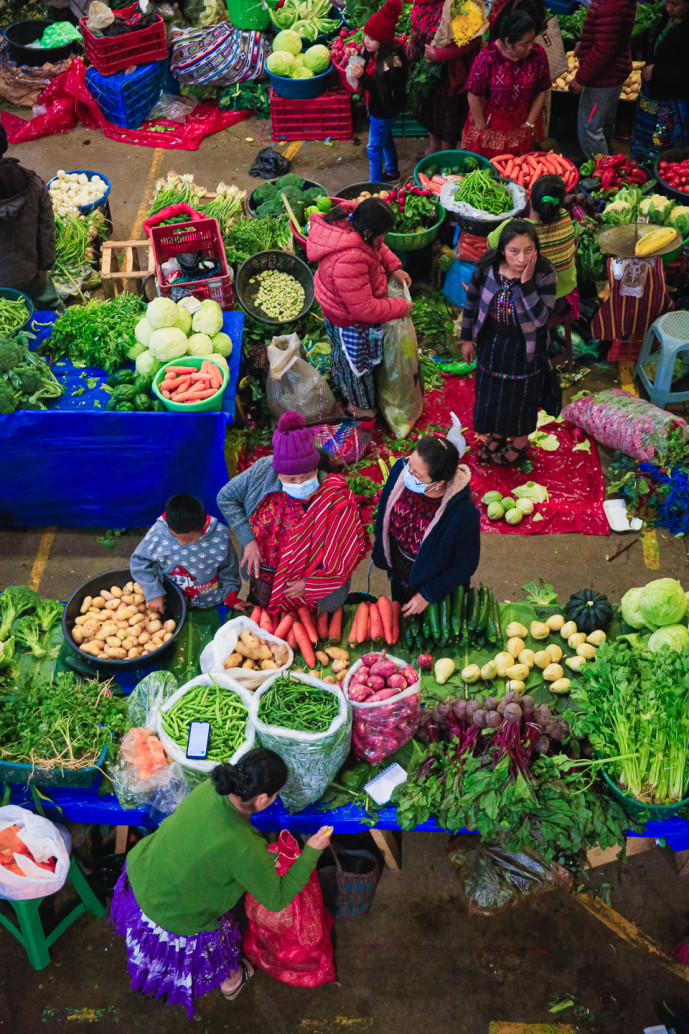
Nestled in Guatemala's Western Highlands, Chichicastenango is a vibrant tapestry of indigenous culture and tradition. Its famed market, a kaleidoscope of handwoven textiles and fragrant spices, pulses with life every Thursday and Sunday. Here, ancient Maya rituals blend seamlessly with colonial charm, offering travelers an authentic glimpse into a world where history and daily life intertwine with quiet, unassuming grace.
Destination Facts
- Official Name: Chichicastenango (formally: Santo Tomás Chichicastenango)
- Type of Destination: Town (with cultural and historical significance)
- Brief Description: A highland town renowned for its vibrant indigenous culture, traditional Maya rituals, and one of the most famous open-air markets in Central America.
- Location: Western Highlands of Guatemala, within the Quiché Department, approximately 145 km northwest of Guatemala City.
- Year Established/Founded: Pre-Columbian origins; formally established as a Spanish colonial town in the 16th century.
- Governing Body/Management: Municipal government of Chichicastenango.
- Significance/Known For:
- Home to the Chichicastenango Market, a centuries-old hub for Maya textiles, handicrafts, and local produce.
- Site of the Church of Santo Tomás, where syncretic Maya-Catholic rituals are practiced.
- Preservation of K'iche' Maya traditions, including the sacred text Popol Vuh.
- Population: Approximately 150,000 (town and surrounding rural areas).
- Main Attractions/Key Features:
- Chichicastenango Market (Thursdays and Sundays).
- Church of Santo Tomás and its iconic steps.
- Pascual Abaj, a hilltop Maya ceremonial site.
- Best Time to Visit: Dry season (November to April), particularly on market days (Thursday/Sunday).
- Entrance Fee/Ticket Info: Free to explore the town and market; small donations may be requested at religious sites.
- Operating Hours: Market operates from dawn to mid-afternoon on Thursdays and Sundays; church and ceremonial sites accessible during daylight hours.
- Website: N/A (no prominent official tourism site).
Essentials
- Top Attractions: Chichicastenango Market
- Best Months to Visit: December, February, January, November
History
History of Chichicastenango
Nestled in the Quiché Department of Guatemala's Western Highlands, Chichicastenango—often called "Chichi"—is a town steeped in indigenous Maya-K'iche' heritage and colonial history. Its name derives from the Nahuatl Chichicastenango, meaning "place of the nettles," a testament to its pre-Hispanic roots. Long before Spanish conquest, it was a significant ceremonial center for the K'iche' people, closely tied to the nearby ancient city of Gumarcaj (Utatlán). The arrival of the Spanish in the 16th century brought Dominican friars, who built the iconic Church of Santo Tomás atop a Maya temple, symbolizing the layered spiritual traditions that endure today. Chichicastenango's famed market, one of the largest in Central America, has been a hub of trade and cultural exchange for centuries, blending Maya traditions with colonial influences.
Key Historical Dates
- Pre-1524: Chichicastenango served as a vital religious and political center for the K'iche' Maya, with ties to the kingdom of Q'umarkaj (Utatlán).
- 1524: Spanish conquistador Pedro de Alvarado defeated the K'iche' forces, leading to the town's incorporation into the colonial system. The Dominicans established a presence, constructing the Church of Santo Tomás in the 1540s.
- 1700s: The market at Chichicastenango grew into a regional trading nexus, attracting merchants from across Guatemala and preserving indigenous economic practices.
- 1950s–1960s: The town became a focal point for anthropological studies, notably through the work of scholars like Oliver La Farge, who documented its enduring Maya rituals and syncretic Catholicism.
- Late 20th century: Chichicastenango emerged as a must-visit destination for travelers seeking authentic Maya culture, its market and festivals drawing global attention.
Tours and Day Trips
Chichicastenango Market & Cultural Immersion
The Chichicastenango Market is the beating heart of the town, a vibrant tapestry of colors, scents, and traditions. Held every Thursday and Sunday, this market offers an authentic glimpse into Mayan culture, with vendors selling textiles, ceramics, and fresh produce. Visitors can witness traditional rituals at the nearby Church of Santo Tomás, where Mayan and Catholic practices intertwine. Ideal for culture enthusiasts and photographers, this excursion requires no travel—it is the destination.
Day Trip to Lake Atitlán
A scenic drive of about two hours brings travelers to the breathtaking Lake Atitlán, often described as one of the most beautiful lakes in the world. Surrounded by volcanoes and dotted with indigenous villages like Panajachel and San Pedro La Laguna, the lake offers opportunities for boat rides, hiking, and visiting local cooperatives. This excursion suits those seeking natural beauty and a deeper understanding of Guatemala’s highland communities.
Pascual Abaj Ceremonial Site
Just a short walk from Chichicastenango’s center lies Pascual Abaj, a sacred Mayan shrine where traditional ceremonies are still performed. The site, perched on a hill, provides panoramic views of the town and a quiet retreat from the market’s bustle. Visitors may witness offerings of flowers, candles, or copal incense. This half-day visit is particularly meaningful for travelers interested in spirituality and indigenous traditions.
Textile Workshop in Nearby Villages
For those captivated by the intricate textiles of Chichicastenango, a visit to nearby weaving villages like Santa Cruz del Quiché or Nahualá offers a hands-on experience. Local artisans demonstrate traditional backstrap loom techniques, and visitors can try weaving themselves. These workshops, typically lasting a few hours, are perfect for families and craft lovers seeking a deeper connection to Mayan heritage.
Hike to the Caves of Chicoy
Adventure seekers will appreciate a guided hike to the Caves of Chicoy, located approximately an hour from Chichicastenango. These limestone caverns hold spiritual significance for the Maya and feature impressive stalactites and stalagmites. The moderate trek through lush highland scenery is rewarding, though sturdy footwear is advised. This excursion blends physical activity with cultural discovery.
When to visit
Best Time to Visit Chichicastenango
Seasonal Breakdown
Chichicastenango, nestled in Guatemala's Western Highlands, experiences a subtropical highland climate with distinct dry and wet seasons. The town's elevation (2,035 meters) ensures mild temperatures year-round, though weather patterns shift notably between seasons.
Dry Season (November–April)
Characterized by clear skies and minimal rainfall, this period offers the most comfortable conditions for exploration. Daytime temperatures hover between 18–22°C, dropping to 8–12°C at night.
- Pros: Ideal for visiting the famed Chichicastenango Market (Thursdays/Sundays), hiking nearby trails, and photography with crisp mountain light. Fewer disruptions from rain.
- Cons: Peak tourist season (especially December–January) brings larger crowds and higher accommodation prices.
Notable events: The vibrant Fiesta de Santo Tomás (December 13–21) blends Catholic and Maya traditions with processions, dances, and fireworks.
Wet Season (May–October)
Daily afternoon showers are common, with June–September seeing the heaviest rainfall. Temperatures remain mild (16–20°C daytime), but humidity rises.
- Pros: Lush landscapes, fewer tourists, and lower prices. The market operates year-round, with vibrant textiles contrasting against misty mornings.
- Cons: Muddy paths may hinder rural excursions. Some outdoor activities are weather-dependent.
Notable events: Día de los Muertos (November 1–2) spills into early wet season in nearby villages, with poignant cemetery vigils.
Overall Recommendation
The dry season (particularly late November–early December or March–April) strikes a balance between pleasant weather and manageable crowds. For a more solitary experience with dramatic scenery, the shoulder months of May or October offer a compelling alternative.
Considerations
Market days (Thursday/Sunday) are essential to Chichicastenango's rhythm—plan accommodations early during peak periods. Note that Semana Santa (Holy Week) draws regional travelers, while some businesses close during local Maya holidays like Waqxaqi’ B’atz’ (a sacred day in the Maya calendar).
What to pack
What to Pack for Chichicastenango
Chichicastenango, nestled in Guatemala’s Western Highlands, is renowned for its vibrant market and cool, mountainous climate. Packing thoughtfully ensures comfort while navigating its cobblestone streets and bustling stalls.
Clothing & Accessories
- Layered Clothing: Mornings and evenings are chilly, while midday can be warm. A light sweater or jacket is indispensable.
- Comfortable Walking Shoes: The market’s uneven terrain and long hours on foot demand sturdy, broken-in footwear.
- Rain Jacket or Poncho: Sudden showers are common, especially in the rainy season (May–October).
Market Essentials
- Small Daypack or Crossbody Bag: Keeps hands free for bargaining and items secure in crowded spaces.
- Local Currency (Quetzales) in Small Bills: Vendors rarely accept cards, and change for large bills can be scarce.
- Reusable Shopping Bag: Useful for carrying purchases and reducing plastic waste.
Practical Extras
- Sun Protection (Hat & Sunglasses): The highland sun is deceptively strong, even on cloudy days.
- Hand Sanitizer or Wet Wipes: Market stalls and street food require occasional freshening up.
- Camera or Smartphone with Extra Storage: The market’s colors and textures are a photographer’s delight.
Culture
The Living Tapestry of Chichicastenango
Chichicastenango, often called "Chichi" by locals, is a highland town where Maya-K'iche' traditions pulse with unbroken vitality. Unlike other Guatemalan markets, Chichi's Thursday and Sunday mercado is not merely a commercial hub but a sacred gathering place where rituals, commerce, and daily life intertwine. The air hums with the murmur of K'iche' dialects, and the scent of copal incense from the steps of Santo Tomás Church lingers over the kaleidoscopic stalls.
Market as Ritual
The Chichicastenango Market is a theater of cultural endurance. Vendors arrange their wares—handwoven huipiles with intricate geometric patterns, ceremonial masks carved from cedar, and bundles of medicinal herbs—with the same reverence as their ancestors. Before dawn, aj q'ij (Maya priests) perform fire ceremonies on the church steps, blending Catholic and Maya cosmovision. Visitors should observe quietly; this is not spectacle but spiritual practice.
Notable Market Customs
- Bargaining is expected, but always with respect. A smile and a few words in K'iche' ("Matyox" for thank you) bridge distances.
- Photography requires permission, especially of cofradía members in their ceremonial attire.
- Seek out the palo volador (flying pole) dancers on feast days—their dizzying descent symbolizes the connection between earth and sky.
Sacred Syncretism
Santo Tomás Church stands as a testament to layered faith. Inside, Catholic saints wear huipiles, and Maya altars smoke beside pews. The 18 steps leading to its entrance correspond to the 20-day cycle of the Maya calendar, intentionally left incomplete to signify perpetual renewal. On December 21 (Winter Solstice), the churchyard becomes a vortex of pilgrims honoring San Simón (Maximón), the cigar-smoking folk saint who embodies both mischief and protection.
Culinary Threads
Chichi's food tells stories of resilience. At market comedores, women simmer pepián—a complex stew of roasted squash seeds, chilies, and turkey—in clay pots over wood fires. The local variant is distinct for its use of milpa corn, cultivated in nearby terraced fields. For a taste of ritual, try atol de elote, a sweet maize drink offered to ancestors during ceremonies.
Dining Etiquette Notes
- Meals often begin with a hand-washing ritual; accept the bowl of scented water graciously.
- Leaving a few bites on your plate honors the host's abundance.
Textiles as Language
The huipiles of Chichicastenango are visual archives. Each motif—a double-headed eagle, a zigzag lightning bolt—encodes clan histories and natural philosophies. The distinctive corte (skirt) stripes here use deeper indigos and cochineal reds than neighboring towns, achieved through ancestral dye techniques. Visit the Cofradía de San Juan to see how textiles are ceremonially exchanged during village fiestas.
When to Witness Tradition
The feast of Tomás Patrón (December 18-21) transforms Chichi into a whirlwind of processions, marimba orchestras, and masked dancers portraying colonial-era morality tales. Less known but equally profound is Waqxaqi' B'atz (8 Monkey), the K'iche' New Year, when aj q'ij count the 260-day sacred calendar with colored seeds and candle flames.