Copacabana
A charming lakeside town on Bolivia's Lake Titicaca, Copacabana dazzles with its whitewashed basilica, vibrant pilgrim processions, and stunning sunsets over sacred waters—a spiritual and scenic gem near La Paz.
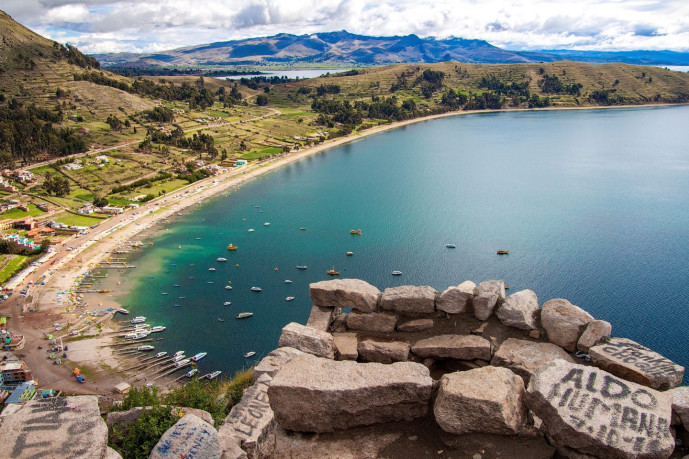
Nestled on the shores of Lake Titicaca, Copacabana is a tranquil Bolivian town where spirituality and natural beauty intertwine. Known for its iconic basilica and vibrant festivals honoring the Virgen de Copacabana, it offers a serene escape with breathtaking lake views and sacred Inca sites. A gateway to the Isla del Sol, it whispers of ancient legends under Andean skies.
Destination Facts
- Official Name: Copacabana
- Type of Destination: Town
- Brief Description: A serene lakeside town on the shores of Lake Titicaca, revered for its religious significance and colonial charm.
- Location: Western Bolivia, La Paz Department, on the southern shore of Lake Titicaca.
- Year Established/Founded: N/A
- Governing Body/Management: Municipal government of Copacabana
- Significance/Known For: Pilgrimage site for the Basilica of Our Lady of Copacabana, blending indigenous and Catholic traditions.
- Size/Area: Approximately 346 km² (municipality)
- Population: Around 6,000 (town proper)
- Main Attractions/Key Features:
- Basilica of Our Lady of Copacabana (home to the revered Virgin of Copacabana)
- Cerro Calvario (a hill with Stations of the Cross and panoramic lake views)
- Isla del Sol (sacred Inca island accessible by boat)
- Best Time to Visit: Dry season (May to October) for clear skies and festivals.
- Entrance Fee/Ticket Info: Free to enter town; attractions may have fees (e.g., boat tours to Isla del Sol).
- Operating Hours: N/A (town accessible year-round)
- Website: N/A (no prominent official tourism site)
Essentials
- Top Attractions: Lake Titicaca, Copacabana Cathedral
- Best Months to Visit: December, February, January, November, October
History
History of Copacabana
Nestled on the shores of Lake Titicaca, Copacabana is a town steeped in spiritual and cultural significance. Its history is intertwined with pre-Columbian traditions, colonial transformations, and its enduring role as a pilgrimage site. Long before Spanish conquest, the area was sacred to the Inca and earlier Andean civilizations, who revered it as a ceremonial center. The town's name derives from the Aymara phrase "Kota Kahuana," meaning "view of the lake," reflecting its profound connection to the landscape.
In the 16th century, Spanish missionaries reframed Copacabana's spiritual identity, constructing the Basilica of Our Lady of Copacabana, which houses the revered Virgin of Copacabana. This fusion of indigenous and Catholic traditions cemented the town's status as Bolivia's most important religious destination. Today, Copacabana remains a place where history, faith, and the serene beauty of Lake Titicaca converge.
Key Historical Dates
- Pre-15th Century: Sacred site for the Tiwanaku and Inca civilizations, known for its ceremonial importance and connection to Lake Titicaca.
- 1583: The Virgin of Copacabana statue is carved by Francisco Tito Yupanqui, blending indigenous and Catholic devotion, and becomes a focal point of pilgrimage.
- 17th Century: Construction of the Basilica of Our Lady of Copacabana, a masterpiece of Moorish-influenced colonial architecture, solidifies the town's religious prominence.
- 19th Century: Copacabana becomes a strategic stop for travelers and traders between Bolivia and Peru, further enriching its cultural tapestry.
- 20th Century-Present: Recognized as a national heritage site, Copacabana continues to attract pilgrims and travelers drawn to its spiritual aura and lakeside tranquility.
Tours and Day Trips
Isla del Sol: The Legendary Birthplace of the Sun
Embark on a boat journey across the shimmering waters of Lake Titicaca to Isla del Sol, a sacred island steeped in Inca mythology. This full-day excursion reveals terraced hillsides, ancient ruins like the Pilko Kaina temple, and panoramic views of the lake. Ideal for history enthusiasts and those seeking serene landscapes, the island’s walking trails connect quaint Aymara villages. Boats depart regularly from Copacabana’s harbor, with the crossing taking roughly 1.5 hours.
Cerro Calvario: A Pilgrimage with a View
A short but steep hike up Cerro Calvario rewards travelers with sweeping vistas of Copacabana and Lake Titicaca. This hillside pilgrimage route, marked by Stations of the Cross, is particularly atmospheric at sunset. Locals often leave offerings to Pachamama (Mother Earth) at the summit. Suitable for moderately active visitors, the climb takes about 30 minutes from the town center.
Yampupata Peninsula & the Inca Staircase
For a quieter alternative to Isla del Sol, venture to the Yampupata Peninsula, accessible by bike or taxi from Copacabana. Here, the Inca Staircase descends into the lake, a remnant of ceremonial pathways. The peninsula’s rugged beauty and isolated fishing communities offer an authentic glimpse of lakeside life. A half-day trip suffices, with options to combine it with a traditional reed boat ride.
Copacabana Basilica & Local Rituals
The Basilica of Our Lady of Copacabana is the heart of the town, blending colonial architecture with indigenous devotion. Witness the unique ritual of ch’alla, where locals bless vehicles with flower petals and alcohol. A brief visit here illuminates Bolivia’s syncretic spirituality. The basilica is steps from the main square, making it accessible for all travelers.
Horca del Inca: Celestial Observatory
This pre-Columbian stone structure, Horca del Inca, is believed to have been an astronomical observatory. A 20-minute walk from town, the site offers quiet reflection and a vantage point over the lake. Its enigmatic energy appeals to those drawn to archaeology or stargazing. Visit at dawn for soft light and fewer crowds.
When to visit
Best Time to Visit Copacabana
Seasonal Breakdown
Copacabana, nestled on the shores of Lake Titicaca in Bolivia, experiences a temperate climate influenced by its high altitude (3,841 meters). The town has two distinct seasons: the dry season (May to October) and the wet season (November to April). Each offers a unique experience for travelers.
Dry Season (May to October)
The dry season brings cool, crisp days with clear skies and minimal rainfall. Temperatures range from 5°C (41°F) at night to 18°C (64°F) during the day, making it ideal for outdoor exploration.
- Pros: Perfect for hiking, boat trips on Lake Titicaca, and visiting the Isla del Sol. The lack of rain ensures unobstructed views of the lake and surrounding Andes.
- Cons: Nights can be chilly, and the town sees more tourists, particularly in July and August.
- Events: The Fiesta de la Virgen de Copacabana (August 5-6) draws pilgrims and celebrants with vibrant processions and traditional dances.
Wet Season (November to April)
Warmer temperatures (8°C to 20°C / 46°F to 68°F) and frequent afternoon showers characterize this period. The landscape becomes lush, and the lake’s water levels rise.
- Pros: Fewer tourists, lower accommodation prices, and a serene atmosphere. The greenery enhances the beauty of the countryside.
- Cons: Rain can disrupt travel plans, and some trails may be muddy or slippery.
- Events: Semana Santa (Holy Week) in March or April features elaborate religious ceremonies and local traditions.
Overall Recommendation
The dry season (May to October) is the best time to visit for those seeking outdoor activities and cultural events. For travelers who prefer solitude and don’t mind occasional rain, the shoulder months of November or April offer a balance of pleasant weather and fewer crowds.
Considerations
Peak tourist months (July-August) can lead to higher prices and busier attractions. Weekdays outside these months provide a more relaxed experience. Note that some services may reduce hours during the wet season, though Copacabana remains accessible year-round.
What to pack
What to Pack for Copacabana
Perched on the shores of Lake Titicaca, Copacabana’s high-altitude charm calls for thoughtful packing. The town’s crisp Andean air, sunny days, and chilly nights demand layers, while its spiritual and outdoor activities require practical essentials.
For the Climate
- Layered Clothing: Days are warm, but temperatures drop sharply after sunset. A light fleece or sweater paired with a windproof jacket is ideal.
- Sun Protection: The high-altitude sun is intense—pack a wide-brimmed hat, UV-blocking sunglasses, and high-SPF sunscreen.
- Sturdy Walking Shoes: Cobblestone streets and hillside paths demand comfortable, grippy footwear.
For Local Activities
- Light Scarf or Shawl: Useful for visiting the Basilica of Our Lady of Copacabana, where modest attire is appreciated.
- Reusable Water Bottle: Altitude can cause dehydration; refill stations are available to avoid plastic waste.
- Small Daypack: For carrying essentials during boat trips to Isla del Sol or hikes along the lakeshore.
Practical Extras
- Basic First-Aid Kit: Include altitude sickness remedies like coca leaves or tablets, as the town sits at 3,841 meters.
- Portable Power Bank: Power outages occasionally occur; keep devices charged for navigation and photos.
Culture
A Spiritual and Lakeside Haven
Copacabana, perched on the shores of Lake Titicaca, is Bolivia’s most revered pilgrimage site, blending indigenous Andean spirituality with colonial Catholic traditions. Unlike its Brazilian namesake, this Copacabana is a place of quiet devotion, where the Virgin of Copacabana—patron saint of Bolivia—draws thousands to her basilica. The town’s rhythm is dictated by religious processions, candlelit vigils, and the murmur of yatiris (Andean priests) performing ancient blessings.
Rituals and Traditions
Copacabana’s cultural identity is deeply tied to syncretic rituals. Visitors often witness the ch’alla, a blessing ceremony for vehicles, homes, or new ventures, where offerings of coca leaves, alcohol, and flower petals are made to Pachamama (Mother Earth). The most striking tradition is the Fiesta de la Virgen de Copacabana, held in early February and August, when dancers in elaborate masks and costumes parade through streets to the sound of sikus (panpipes) and bombos (drums).
Local Etiquette
- Respect sacred spaces: Always ask before photographing ceremonies or entering the basilica during Mass.
- Participate modestly: If invited to a ch’alla, observe quietly or follow the lead of locals.
- Dress conservatively: Shoulders and knees should be covered when visiting churches.
Crafts and Artistry
Copacabana’s artisans specialize in retablos, miniature wooden altars depicting religious or rural scenes, and ceramics painted with motifs from Lake Titicaca. The town’s market is also known for llama wool textiles, often dyed with natural pigments like cochineal. Unlike the alpaca-focused crafts of other regions, here, llama fiber is prized for its durability.
Cuisine by the Lake
The local diet revolves around freshwater bounty. Trucha (rainbow trout), grilled or served in a spicy pejtu (herb sauce), is a staple, often accompanied by quinoa or papas a la huancaína (potatoes in a creamy cheese sauce). Street vendors sell humintas (sweet corn tamales) wrapped in corn husks—a taste distinct from neighboring Peru due to the use of Bolivian queso fresco.
Music and Dance
Copacabana’s soundscape is dominated by moseñadas, traditional ensembles combining Spanish guitars with indigenous wind instruments. During festivals, the diablada (dance of the devils) is performed, but here it carries a unique solemnity, reflecting the town’s devotional character. Unlike Oruro’s carnival version, Copacabana’s dancers wear simpler masks, often handmade by local carvers.