Santiago de Cuba
A vibrant blend of history and nature, Santiago de Cuba boasts Pico Turquino's lush trails, El Morro's coastal fortress views, and Castillo de San Pedro's UNESCO-listed colonial grandeur.
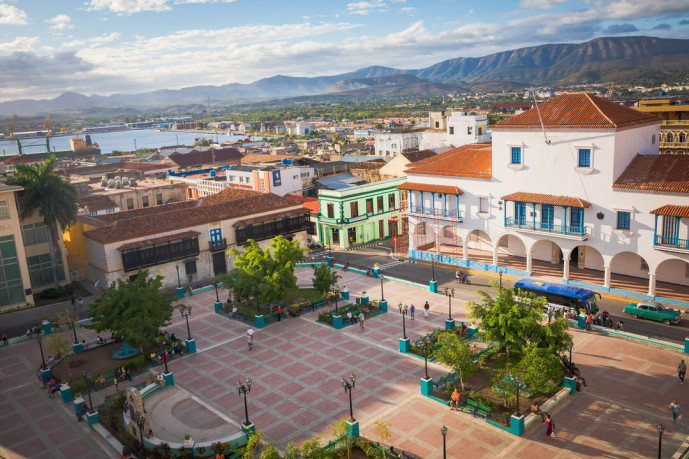
Santiago de Cuba, the island's fiery soul, pulses with Afro-Caribbean rhythms and revolutionary history. Nestled between the Sierra Maestra and the cobalt sea, this city seduces with its colonial charm, vibrant carnivals, and the fortress of El Morro guarding its bay. Here, rum flows freely, son music fills the streets, and the spirit of Cuba feels most alive.
Destination Facts
- Official Name: Santiago de Cuba
- Type of Destination: City
- Brief Description: A vibrant city steeped in revolutionary history and Afro-Cuban culture, known for its colonial architecture, lively music, and proximity to lush national parks.
- Location: Eastern Cuba, nestled between the Sierra Maestra mountains and the Caribbean Sea, near Pico Turquino National Park.
- Year Established/Founded: 1515 (one of the earliest Spanish settlements in Cuba)
- Governing Body/Management: Santiago de Cuba Municipal Government
- Significance/Known For: UNESCO-listed Castillo de San Pedro de la Roca, birthplace of the Cuban Revolution, and the Carnaval de Santiago de Cuba.
- Size/Area: Approximately 1,023 km² (city and municipality)
- Population: ~500,000 (second-largest city in Cuba)
- Main Attractions/Key Features:
- Castillo de San Pedro de la Roca (El Morro)
- Moncada Barracks (historic site of the 1953 revolution attack)
- Basilica de Nuestra Señora del Cobre (important pilgrimage site)
- Best Time to Visit: December to April (dry season), or July for Carnaval.
- Entrance Fee/Ticket Info: Varies by attraction (e.g., El Morro: ~$5 USD).
- Operating Hours: Most attractions open 9:00 AM–5:00 PM; museums often closed Mondays.
- Website: N/A (no prominent official tourism site; local guides recommended)
Essentials
- Top Attractions: Pico Turquino National Park, La Gran Piedra, Santa Ifigenia Cemetery, Baconao Park, El Morro de Santiago De Cuba
- Best Months to Visit: December, February, January, March, November
History
A Brief History of Santiago de Cuba
Santiago de Cuba, the island's second-largest city, is a crucible of Cuban history and culture. Founded in 1515 by Spanish conquistador Diego Velázquez de Cuéllar, it served as the capital of Cuba until 1556, when Havana assumed the role. Its strategic location on the southeastern coast made it a vital port for trade and military operations, particularly during the colonial era. The city's history is marked by its Afro-Caribbean influences, revolutionary fervor, and architectural legacy, blending Spanish colonial, French, and Caribbean styles.
Santiago played a pivotal role in Cuba's struggle for independence, notably during the Ten Years' War (1868–1878) and the Cuban Revolution (1953–1959). Fidel Castro launched his revolutionary campaign here with the failed attack on the Moncada Barracks in 1953, an event now commemorated at the Museo Histórico 26 de Julio. The city's vibrant cultural heritage, shaped by waves of Haitian, French, and African migrants, is evident in its music, dance, and religious traditions, particularly the annual Carnaval.
Key Historical Dates
- 1515: Founded by Diego Velázquez de Cuéllar, Santiago de Cuba becomes one of the first Spanish settlements in Cuba and briefly serves as the colonial capital.
- 1662: The city is sacked by British privateer Henry Morgan, leading to the construction of Castillo de San Pedro de la Roca (El Morro) to fortify the bay.
- 1868–1878: Santiago becomes a focal point of the Ten Years' War, Cuba's first major uprising against Spanish rule.
- 1953: Fidel Castro leads the failed assault on the Moncada Barracks, a catalyst for the Cuban Revolution.
- 1959: Castro declares victory in the revolution from Santiago's balcony, cementing the city's place in modern Cuban history.
Tours and Day Trips
Popular Tours & Day Trips from Santiago de Cuba
El Morro & Castillo de San Pedro de la Roca
Perched dramatically on a cliff overlooking the Caribbean, the Castillo de San Pedro de la Roca—a UNESCO World Heritage Site—offers a glimpse into Cuba's colonial past. This 17th-century fortress, also known as El Morro, was built to fend off pirates and invaders. Visitors can explore its ramparts, dungeons, and a small maritime museum while soaking in panoramic ocean views. The site is ideal for history enthusiasts and photographers. Located just 10 km southwest of Santiago, it’s easily accessible by taxi or organized tour.
Pico Turquino National Park Trek
For adventurous travelers, a day trip to Pico Turquino National Park promises rugged beauty and a challenging hike to Cuba’s highest peak (1,974 meters). The trail winds through lush forests, past waterfalls, and offers glimpses of endemic wildlife. The full ascent takes 6–8 hours, so it’s best suited for fit hikers. Guides are recommended, as the path can be steep and slippery. The park lies about 60 km from Santiago, making it a rewarding escape for nature lovers.
Baracoa: Cuba’s First Spanish Settlement
A longer but worthwhile excursion, Baracoa is a charming coastal town nestled between mountains and sea, accessible via a scenic 4-hour drive. Known for its cocoa plantations, coconut-infused cuisine, and the iconic El Yunque mountain, Baracoa feels worlds apart from Santiago’s bustle. Highlights include tasting cucurucho (a local coconut candy) and visiting the Río Toa, Cuba’s mightiest river. This trip suits those seeking culture, history, and tropical landscapes.
Gran Piedra & Coffee Plantations
The Gran Piedra (Great Rock) is a volcanic monolith towering over a lush biosphere reserve. A short but steep climb rewards visitors with sweeping views of the Sierra Maestra mountains and coastline. Nearby, the ruins of 19th-century French coffee plantations—like La Isabelica—reveal Cuba’s colonial agricultural history. The site is about 30 km from Santiago and appeals to both history buffs and outdoor enthusiasts.
Santiago de Cuba City Walking Tour
For a deeper understanding of the city’s Afro-Caribbean soul, a guided walking tour through Santiago’s historic center is essential. Stops typically include the Casa de Velázquez (Cuba’s oldest house), the vibrant Calle Heredia (a hub for live music), and the Santa Ifigenia Cemetery, where national heroes like José Martí rest. The tour, lasting 3–4 hours, is perfect for culture seekers and those interested in Santiago’s revolutionary legacy.
When to visit
Best Time to Visit Santiago de Cuba
Santiago de Cuba, a city steeped in history and vibrant culture, offers distinct seasonal experiences. Its tropical climate, influenced by its coastal location and proximity to the Sierra Maestra mountains, shapes the ideal times for exploration.
Seasonal Breakdown
Dry Season (November to April)
The dry season brings pleasant temperatures, averaging 24°C to 28°C (75°F to 82°F), with low humidity and minimal rainfall. This is the most comfortable period for sightseeing, hiking in Pico Turquino National Park, or exploring the UNESCO-listed Castillo de San Pedro de la Roca.
- Pros: Ideal weather for outdoor activities, fewer mosquitoes, and clear skies for photography.
- Cons: Higher tourist numbers, especially during December and January, leading to increased accommodation prices.
- Events: The Fiesta del Fuego (July) occasionally spills into early November, celebrating Afro-Caribbean culture with music and dance.
Wet Season (May to October)
Temperatures rise to 30°C (86°F) or higher, with frequent afternoon thunderstorms and higher humidity. While rainfall is heavy, it rarely lasts all day, leaving mornings and evenings often clear.
- Pros: Lush landscapes, fewer tourists, and lower prices. The sea is warmest for swimming.
- Cons: Hurricane risk peaks from August to October, and some rural roads may become impassable.
- Events: Carnaval de Santiago (late July) transforms the city into a riot of color and music, though it can be crowded.
Overall Recommendation
For those seeking balance, November to early December or late April offer mild weather with fewer crowds. Culture enthusiasts may prefer July for Carnaval, despite the heat, while budget travelers will find May-June or September-October more economical.
Considerations
Peak season (December-January) sees higher prices and booked-out accommodations, particularly around New Year’s. Many museums and sites maintain shorter hours during the wet season, though the city’s energy remains undiminished.
What to pack
Essentials for Santiago de Cuba
Santiago de Cuba's tropical climate, vibrant culture, and mix of urban and natural landscapes call for practical yet thoughtful packing. Here are the key items to enhance your experience in this dynamic city.
For the Climate
- Lightweight, Breathable Clothing: The humid heat demands loose, quick-drying fabrics like linen or cotton. A mix of short and long sleeves protects against sun and occasional evening breezes.
- Sturdy Sandals or Walking Shoes: Cobblestone streets and hilly terrain require comfortable footwear with good grip. Closed-toe options are ideal for exploring El Morro or Castillo de San Pedro.
- Compact Umbrella or Light Rain Jacket: Sudden tropical showers are common, especially from May to October.
For Exploration
- Small Daypack: Essential for carrying water, sunscreen, and souvenirs while navigating the city’s lively markets and historic sites.
- Reusable Water Bottle with Filter: Tap water isn’t always reliable; a filtered bottle ensures safe hydration during walks or hikes in Pico Turquino.
- Spanish Phrasebook or Offline Translation App: English is less widely spoken here than in Havana—basic Spanish phrases smooth interactions.
Cultural Considerations
- Modest Attire for Religious Sites: Shoulders and knees should be covered when visiting places like the Basilica de Nuestra Señora del Cobre.
- Cash in Small Denominations: Many local shops and paladares prefer CUP (Cuban pesos), and change for larger bills can be scarce.
Culture
The Soul of Santiago: A Cultural Mosaic
Santiago de Cuba is not merely a city—it is a living testament to the Afro-Caribbean heartbeat of Cuba. Unlike Havana’s colonial grandeur or Trinidad’s preserved pastel charm, Santiago pulses with an intensity shaped by its history as the cradle of revolutions, both political and musical. Here, the air hums with son and rumba, and the streets echo with the rhythms of carnaval santiaguero, a fiercer, more African-rooted celebration than its counterpart in the capital.
Music: The Birthplace of Son
In Santiago, music is not entertainment; it is lifeblood. The city claims the birth of son cubano, the genre that gave rise to salsa. Casa de la Trova on Heredia Street remains the temple of this tradition, where local musicians gather for impromptu jam sessions. The Festival del Caribe (Fiesta del Fuego) in July transforms the city into a stage for Afro-Cuban folklore, with conga processions that snake through the streets, their rhythms echoing off the colonial facades.
Where to Experience It
- Casa de la Trova: A must-visit for live son and bolero, where the old guard shares the stage with young talent.
- Tivoli District: The epicenter of street music, especially during carnival, where corneta china (a shrill Chinese-derived horn) leads the parades.
Cuisine: A Spice-Infused Legacy
Santiago’s cuisine carries the heat of its history. The ajiaco santiaguero, a hearty stew of meats, tubers, and peppers, reflects the mingling of Taíno, Spanish, and African influences. Unlike Havana’s milder flavors, dishes here are bolder, often laced with mojo criollo—a garlic-citrus marinade. The local ron (rum) is darker and sweeter, best sampled at the historic Rum Museum in the former Bacardí family home.
Must-Try Dishes
- Chivo al Monte: Slow-roasted goat, marinated in sour orange and cumin, a staple at countryside fincas.
- Dulce de Coco: Coconut sweets sold by vendors near the Cathedral, a legacy of French-Haitian influence.
Festivals: Fire and Faith
Santiago’s calendar revolves around two fiery spectacles: Carnaval (July) and the Fiesta de la Virgen del Cobre (September). Carnaval here is raw and rhythmic, with comparsas (dance troupes) in elaborate costumes and masks, while the pilgrimage to El Cobre’s basilica blends Catholic devotion with Santería rituals, a reminder of the city’s syncretic soul.
Social Customs: Warmth and Directness
Santiagueros are known for their franqueza (candor) and warmth. Greetings are effusive—a kiss on the cheek, even among strangers, is common. The city’s balcones (wrought-iron balconies) are social stages, where neighbors converse across streets, and impromptu debates about baseball (a local obsession) erupt in parks. Visitors are often drawn into these exchanges, welcomed not as tourists but as temporary participants in the city’s daily theater.
Historical Echoes: From Pirates to Revolution
The Castillo de San Pedro de la Roca, a UNESCO fortress, whispers tales of pirate sieges, while the Moncada Barracks bear the bullet scars of Castro’s failed 1953 attack, a prelude to the Revolution. Unlike Havana’s polished history, Santiago’s past feels immediate, etched into its streets and the defiant pride of its people.