A Beginner’s Guide to Birdwatching
Discover Minca's birds with Remote Expeditions. Contact us to arrange your specialized birding guide and tour today!
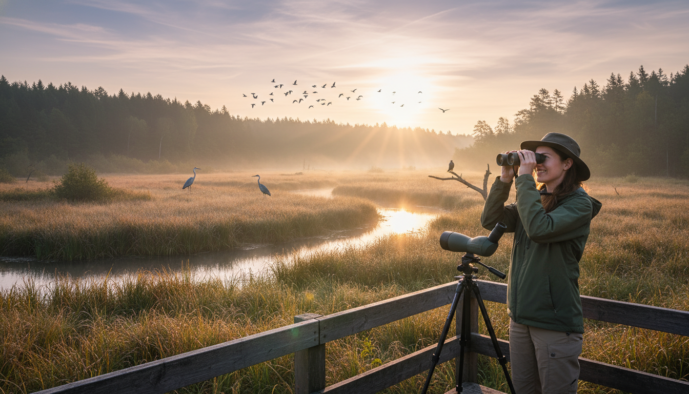
Nestled in the lush foothills of the Sierra Nevada de Santa Marta, Minca is a vibrant sanctuary where the air is filled with the songs of exotic species. You don't need to be an expert to appreciate the flash of a toucan’s beak or the shimmer of a hummingbird. This beginner’s guide to birdwatching in Minca is designed to help you start your journey into the world of birding with zero prior experience.
We will cover why Minca is a paradise for newcomers, provide a must-see bird checklist, and explain the simple gear you'll need to get started. At Remote Expeditions, we make it easy to discover Minca’s incredible avian biodiversity through expert-led tours tailored for beginners. Read on to turn your next jungle walk into an unforgettable wildlife adventure.
Essentials
Why Minca is a Birdwatcher’s Paradise (Especially for Beginners)
The Magic of the Sierra Nevada de Santa Marta
Minca is nestled in the foothills of the Sierra Nevada de Santa Marta, the world’s highest coastal mountain range. This unique geography means that as you ascend just a few hundred meters, the environment changes dramatically. This creates a tapestry of distinct microclimates and habitats, from humid lowland forests to cooler cloud forests, each hosting its own community of birds.
This altitudinal variation is the secret to Minca’s incredible avian richness. A short drive or hike can transport you to an entirely different ecological zone, revealing a new cast of feathered characters. It is a compact, vertical world of biodiversity.
An Explosion of Biodiversity in a Small, Accessible Area
The region boasts a staggering list of over 600 recorded bird species, a concentration that is remarkable for such a small, accessible area. This is not a destination where you must undertake arduous, multi-day treks into the wilderness to be rewarded.
Here, the spectacle is immediate. Extraordinary birds are not distant goals but a constant presence. You will find them along the town’s main road, in the gardens of local cafes, and right outside your window. The forest is not something you go to; it is something you are in.
Why “No Experience Required” is Actually True in Minca
For the novice, Minca is exceptionally welcoming. The avifauna includes many species that are relatively large, brilliantly colored, and surprisingly conspicuous. Flocks of Crested Oropendolas with their bright yellow tails, or the magnificent Keel-billed Toucan, are hard to miss even for the untrained eye.
Furthermore, many local lodges and cafes have established bird feeding stations. These platforms, laden with fruit, and nectar feeders for hummingbirds, act as natural theaters, drawing a spectacular variety of species out into the open for easy, prolonged observation. The birds, quite literally, come to you.
The “Must-See” Birds of Minca: A Beginner’s Checklist
The Jewels: Hummingbirds and Tanagers
Prepare to be mesmerized at a hummingbird feeder, where dozens of individuals from multiple species gather in a whirring, iridescent cloud. It is a chance to observe these flying emeralds and sapphires up close, their frenetic energy a spectacle in itself as they hover, feed, and chase one another.
Equally stunning are the tanagers, which often travel in rainbow-colored flocks through the forest canopy. Look for the brilliant cobalt and chestnut of the Bay-headed Tanager or the striking yellow nape of the Golden-naped Tanager. Seeing a mixed flock move through the trees is like watching a living kaleidoscope.
The Icons: Toucans and Motmots
The unmistakable profile of a toucan against the sky is a definitive Minca experience. Both the Keel-billed Toucan, with its rainbow beak, and the larger Channel-billed Toucan can be seen and heard as they move through the canopy, often in small, social groups.
Listen for a distinctive, rhythmic “whoop-whoop” call echoing from the forest undergrowth. This is the sound of the Whooping Motmot, a stunning bird with a turquoise brow and unique racquet-tipped tail feathers, which it often wags like a pendulum when perched.
The Endemics: Birds You’ll Only Find Here
An “endemic” species is one that is found in a specific geographic location and nowhere else on Earth. The isolation of the Sierra Nevada de Santa Marta has made it a cradle of evolution, resulting in dozens of birds that are unique to these mountains. This makes any sighting here particularly special.
While some endemics are famously elusive, others are quite approachable for the beginner. The Santa Marta Brushfinch, for example, is a handsome, inquisitive bird that can often be found foraging in the undergrowth along trails and roadsides.
Gearing Up for Your First Birdwatching Walk
What to Wear for Comfort and Stealth
- Wear lightweight, breathable clothing in neutral, earthy tones. Greens, browns, and grays help you blend into the forest environment and avoid startling the birds.
- Sturdy, comfortable walking shoes with good grip are essential. Trails can be uneven and occasionally muddy, especially after a rain shower.
- A wide-brimmed hat will protect you from the sun, and a light rain jacket is always a wise addition, as mountain weather can change quickly.
The Essential Birdwatching Toolkit
- Binoculars: This is your most important piece of equipment. For a beginner, a pair with numbers like 8×42 is an excellent choice. The ‘8x’ refers to the magnification, and the ’42’ refers to the lens diameter, which affects how much light they gather, making for a brighter image.
- A Field Guide or App: We highly recommend the Merlin Bird ID app from the Cornell Lab of Ornithology. It is a free, powerful, and user-friendly tool that can help you identify birds by sight or sound, right on your phone.
- A small notebook and pen: Jotting down what you see, where you see it, and any notable behaviors is a wonderful way to cement your memories and learn more quickly.
When to Go: The Early Bird Gets the Bird
Birds are most active during the cooler parts of the day. The first few hours after sunrise, roughly from 6 AM to 9 AM, are peak feeding times. Activity often picks up again in the late afternoon, from about 4 PM until dusk.
While Minca offers superb birding year-round, the dry season, from December to March, often provides the most comfortable weather for walking. The start of the wet seasons can also trigger breeding behaviors, adding another layer of interest.
Top Birdwatching Spots In and Around Minca
Well-Known Public Hotspots
For those wishing to explore independently, several accessible areas offer fantastic introductions to Minca’s birdlife. The walk along the unpaved road towards the Pozo Azul waterfalls or the trails around the Finca La Victoria coffee plantation are classic routes that reliably produce excellent sightings.
These locations serve as fine starting points and will give you a sense of the area’s rich potential. You will be sharing the path with other visitors, but the sheer abundance of birds means there is always something to see.
The Ultimate Basecamp: Birding from Our Ecolodge
For an immersive and seamless experience, there is no substitute for staying at our partner ecolodge. It is designed by birdwatchers, for birdwatchers, and positioned as the most convenient and rewarding base for your explorations. The experience begins the moment you arrive.
Strategically placed fruit and hummingbird feeders on the property’s verandas create a constant flurry of activity, allowing you to observe dozens of species in comfort. Our private, well-maintained trail system offers exclusive access to pristine habitats, ensuring your walks are peaceful, uncrowded, and productive.
Imagine waking not to an alarm, but to the rich symphony of the jungle—the calls of oropendolas and the distant drumming of a woodpecker. Enjoy your morning coffee on your private balcony while watching a pair of toucans forage in the canopy of a nearby tree. This is the reality of birding from our lodge.
Unlock Minca’s Secrets with a Professional Guide
Why a Guide is Your Best Investment
A local birding guide is the single most valuable asset you can have. Their expertise transforms a pleasant walk into a truly revelatory experience.
- A guide’s trained eyes and ears will detect birds you would certainly overlook. They can pick out a camouflaged trogon or identify a species from a single, faint chip note.
- They identify birds instantly by both sight and call, eliminating the time and frustration of thumbing through a field guide, allowing you to simply enjoy the sighting.
- They possess an intimate knowledge of the local ecosystem. They know the specific territories of sought-after species, their behaviors, and the precise times and places to find them.
The “Scope” Advantage
Professional guides carry a high-powered spotting scope, and this piece of equipment is a genuine game-changer. It offers views that are simply impossible with binoculars alone, bringing distant birds into sharp, intimate focus.
The moment a guide centers a tiny speck in the scope and you step up to see the intricate barring on a hawk’s feather or the vibrant iridescent gorget of a hummingbird in perfect detail is a moment of pure wonder you will not forget.
From Sighting to Snapshot: Bird Photography for Amateurs
Simple Tips for Better Bird Photos
Capturing the beauty of Minca’s birds is a rewarding challenge. As a preview of the techniques we explore on our tours, here are a few fundamental principles to improve your photography:
Takeaways