
Cuba Birding & Culture Photography Tour
Embark on a vibrant journey through Cuba, capturing its rich culture, colorful streets, and timeless architecture through your lens.
Discover the vibrant heart of Cuba through our meticulously crafted tour, designed especially for photography enthusiasts and amateurs alike. Immerse yourself in a journey that seamlessly blends street photography, iconic sites, and unique opportunities to engage with Cuban impromptu models all set to the captivating rhythms of Cuban music. Enjoy ample free time to explore the streets at your own pace, capturing the essence of Cuban life through your lens.
Embrace the flexibility of our Remote Expedition tour, which allows you to dive into the spontaneous spirit of Cuban culture and connect with the welcoming locals. This adventure is not just about capturing moments; it’s about becoming part of them.
Our commitment to ethical travel ensures that this tour is 100% compliant with the “Support for Cuban People” category. Experience authentic Cuban hospitality by staying in guest houses, traveling in comfortable private transportation, and dining in charming local restaurants. We also encourage you to bring gifts for the Cuban people, a gesture of goodwill that fosters deeper connections and enriches your travel experience.
Cuba Through Streets, Portraits and Landscapes
This journey follows Cuba through its streets, colonial towns, tobacco fields and changing landscapes, from Havana towards Baracoa. The camera becomes a way to notice colour, texture, architecture and the everyday life around us.
Time is set aside for portraits, street scenes and quieter landscape work, with guidance adapted to each place rather than a rigid sequence of photographic exercises.
Endemic Birds of Cuba
What We’ll Be Photographing
Cuba is home to over 25 endemic bird species that can be found nowhere else on Earth. This tour is specifically routed and paced to maximize your chances of capturing high-quality, portfolio-grade photographs of these unique species in their natural habitats. Our primary targets include:
- The Bee Hummingbird: As the world’s smallest bird, this tiny marvel is a true bucket-list subject. We will visit specific feeding hotspots where you can practice high-speed action photography to freeze its rapid wingbeats.
- The Cuban Tody: This pocket-sized, brilliantly colored forest dweller is famous for its bright pink throat, green upperparts, and surprisingly curious nature, making it an incredibly cooperative subject for close-up shots.
- The Cuban Trogon: Cuba’s national bird boasts striking red, white, and blue plumage that mirrors the national flag. Its habit of sitting motionless for long stretches offers excellent opportunities for sharp, beautifully composed portraits.
- Other Island Specialties: We will also seek out the elusive Zapata Wren, the endemic Cuban Pygmy-Owl, and the beautifully patterned Fernandina’s Flicker.
Is This Tour Right for You?
This is a photo-focused tour, which means our daily rhythm differs from a traditional birding trip. Instead of rushing to build a massive “trip list,” we prioritize patience, staying at key locations to wait for the best light, clean backgrounds, and natural behaviors. If you prefer a fast-paced hiking trip focused solely on species count, this slower, deliberate pace may not suit you. However, if you want the time and expert guidance needed to capture stunning images of rare birds, this tour is designed for you.
Physical and Gear Expectations
Most of our birding takes place on flat to gently sloping forest trails, requiring only a moderate level of physical fitness. To make the most of this experience, we recommend a camera setup with a telephoto lens of at least 400mm (or equivalent). Because we will often be shooting under dense forest canopies, lenses with fast apertures and cameras with good high-ISO performance are highly advantageous.
Expedition Highlights


Suitability & conditions
A practical overview of the pace, comfort, and conditions to expect on this journey.
Seasonality
What to expect
- Travel Style: a 70% photography and 30% Cultural Immersion
- Transportation: Transportation in confortable Vehicles
- Dining Options: Authentic Local Cuisine for Lunch and Upscale Dining Experiences in the Evening
- Physical Rating: Light walking and hiking suitable for most fitness levels. Nothing too challenging.
The journey at a glance
Following the route
The journey moves gradually through 5 chapters.
Route shown schematically for orientation.
Detailed itinerary
Havana’s Old Town – Havana
Arrival at José Martí airport brings a welcome from guide Tristan, followed by a 30-minute transfer into the heart of Havana Vieja, where classic cars and colonial facades offer first impressions. After hotel check-in and a short break, a tour orientation covers the itinerary and practical tips. The day closes with a relaxed photo walk through the city, including gentle street photography, guidance on approaching Cubans for portraits, and the Malecón boardwalk as evening light arrives, before dinner.
Key activities
-
First relax photo walk to get acquainted with the city
Havana’s Old Town – Havana
A day in Havana begins with breakfast before a slow stroll through Habana Vieja, passing the cathedral square, Plaza Vieja and Calle Obispo, meeting Cubans and making first portraits. The route continues with the iconic squares and landmarks of old Havana photographed in the everyday rhythm of the city, alongside the privilege of documenting a boxing training, Cuba’s national sport. Golden and blue hour photography around the Capitol and Central Park captures the last sun and first night lights, followed by dinner and Chacon 160.
Key activities
-
Stroll and street and portrait photography in Havana Vieja
-
Boxing training
-
Discover of the iconic sites and squares
-
Golden and Blue Hour shot in Havana


Havana Centro – Havana’s Old Town – Havana
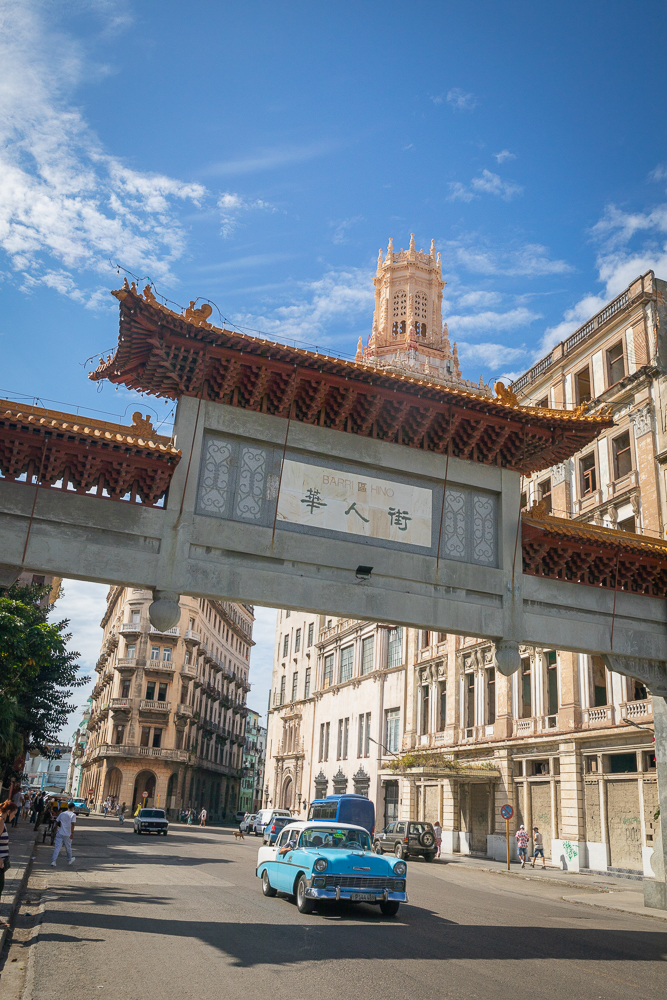
A quiet Sunday morning walk along Paseo Del Prado opens the day before a photography session in Barrio Chino, the colourful gateway to Havana Centro. Street photography continues through the lively heart of Havana Centro, followed by the Capitolio area with its golden light and classic cars. A ride in an American car passes the Plaza de la Revolución, the Malecón and the Christ of Havana, with a stop at Callejón de Hamel. The day closes with blue hour in Central Park and dinner at Chacon 160.
Key activities
-
Morning walk in Paseo Del Prado
-
Photography Session in Barrio Chino
-
Havana Centro for a street photo session
-
Capitolio Area
-
Riding in an American car & discovery of the surroundings of Havana
-
Blue hour in Central Park



Viñales
After breakfast and hotel check out in Havana, transfer to the Viñales valley, leaving the city for tobacco fields and limestone mogotes. Check in, relax, then join the Viñales Discovery Tour visiting the Indian Cave, the prehistoric mural and the iconic mogotes. Enjoy sunset from Hotel Jasmin, a renowned viewpoint over the valley, followed by dinner and an overnight stay at Hostal Buena Vista Viñales.
Key activities
-
Vinales Discovery Tour
-
Sunset from Hotel Jasmin


Viñales
Start with a sunrise from a viewpoint, photographing the mogotes of Viñales as light spreads over the valley and tobacco fields. A morning walk through the tobacco fields includes a visit to a little-frequented farm, with environmental portraits among the plants behind Cuba’s cigars. An optional horse carriage ride offers a slower look at the mogotes and fields. End with sunset from Hotel Jasmin, watching light move across the valley and its limestone hills.
Key activities
-
Sunrise from a nice viewpoint
-
Hike in Viñales’s tobacco field and visit of a farm
-
Horse Carriage Ride in Viñales Valley
-
Sunset from Hotel Jasmin


Pinar del Río – Playa Larga
Travel from Viñales to Parque Nacional Ciénaga de Zapata, a key wetland region on Cuba’s Zapata Peninsula. Settle into Casa Ana Birding, a family-run B&B in Playa Larga known for its garden feeders and access to endemic species including the Bee Hummingbird and Cuban Emerald. Enjoy birdwatching in Ciénaga de Zapata, with its rich habitat for Cuban birds, before meals including breakfast, lunch, and dinner. This route blends scenic transfer time with focused birding and a comfortable local stay.
Key activities
-
Birdwatching in Cienaga de Zapata Bee hummingbird


Pinar del Río – Playa Larga
Birdwatching in Cienaga de Zapata opens the day, with the Cuban Tody among the species sought in this wetland landscape. A visit to Cienaga de Zapata Crocodile Park follows, adding a different side of the Zapata Peninsula. At Casa Ana Birding in Playa Larga, a family-run B&B, garden feeders draw endemic Bee Hummingbird, Cuban Emerald and other Cuban birds. Breakfast, lunch and dinner round out the day between these experiences.
Key activities
-
Birdwatching in Cienaga de Zapata (Cuban Tody)
-
Visit of Cienaga de Zapata Crocodile Park
Trinidad – Cienfuegos
Check out from your Viñales hotel and transfer across Cuba to colonial Trinidad, with a lunch stop on the road. Break the long drive in Cienfuegos, stretching your legs along its elegant boulevard and main square, with time for photographs of this French-flavoured port. On arrival in Trinidad, check in and settle into your hotel before a first discovery walk through cobblestone streets, past colonial houses, classic cars and horse-drawn carriages. Golden and blue hour photographs follow, when Trinidad’s pastel facades catch the last warm light of the day, before dinner and your stay at Casa Colonial Torrado 1830.
Key activities
-
Stop Over in Cienfuegos
-
first walk in Trinidad to discover the city
-
Golden and blue hour photos in Trinidad


Havana’s Old Town – Trinidad
Start with a morning walk before breakfast to see Trinidad waking up, taking in life scenes, colonial architecture and soft early light. Visit the palaces and museums of Trinidad for architectural details and city panoramas, then join a relaxed street photography session with impromptu portraits. After free time, head out for a self-guided afternoon at Valle de los Ingenieros and Manaca Iznaga, enjoying panoramic valley views. Return to the centre as the light softens for more street photography, closing with golden and blue hour shots around Trinidad’s plazas.
Key activities
-
Morning walk before breakfast to see the city waking up
-
Visit of the palaces of Trinidad
-
Street Photography and impromptu portraits
-
Valle de los Ingenieros and Manaca Iznaga (Self Guided)
-
Back in the center for more street photography with impromptu models
-
Golden & Blue Hour shots


Trinidad – Havana Centro – Havana’s Old Town
A short transfer leads from Trinidad to Parque El Cubano at the foot of the Sierra del Escambray, where a 3.6 km self-guided hike along the Huellas de la Historia trail reaches the Javira waterfall, with a chance to swim and look for the Cuban trogon. Return to Trinidad for lunch and free time, then solo street photography through the colonial streets, a golden-hour photoshoot with a horse carriage, panoramic shots from a city viewpoint, and street photos with impromptu models until sunset and blue hour.
Key activities
-
Parque El Cubano Hike + Tocororo+ Javira Waterfall. Possibility to swim (Self Guided)
-
Free Solo Street Photography in Trinidad
-
Photoshoot with a Horse Carriage
-
Shooting from a High Vantage point of the city
-
Street photos with impromptu models until sunset and blue hour


Havana’s Old Town – Havana
Check out and travel from Trinidad back to Havana’s Old Town, a long road day with a lunch stop as the Cuban countryside rolls past. After checking in and a short break, take a last walk through Havana Centro and along the Malecón, with free time for street photography. Finish with a cocktail on a rooftop offering one of the best views of the city, followed by dinner.
Key activities
-
Last walk in Havana Centro & Malecon


Havana Airport (José Martí)
Enjoy a leisurely morning in Havana with time for resting, shopping or enjoying the hotel infrastructure, starting with a generic breakfast. Later, transfer from Havana’s Old Town to José Martí airport, ending the journey with one last look at the city. Drop-off at the airport follows for your flight back home, closing out the adventure.
Key activities

Target Species
A curated selection of the iconic species we aim to encounter and photograph throughout our journey.


Accommodation
Where you’ll stay
In our journeys around the world, we are known for selecting the finest available accommodations, ensuring both comfort and unique experiences. However, in Cuba, we adhere closely to the “Support for Cuban People” license guidelines, which means we stay exclusively in privately owned guesthouses known as casas particulares. This choice allows us to support local entrepreneurs directly, immersing you deeper into the vibrant Cuban culture.
These guesthouses offer a unique charm, especially in iconic cities like Havana and Trinidad, where you’ll find beautifully restored colonial homes and hospitable families eager to share their way of life. In more rural areas, such as the serene valley of Viñales, options can be more modest and limited. However, the warmth and hospitality of our Cuban hosts, combined with the character of these local homes, create an atmosphere that quickly makes us forget any lack of conventional luxury.
Please note that due to high demand, many of the most charming and sought-after casas particulares tend to get booked well in advance. To ensure we secure the best accommodations for you, we recommend confirming your booking as early as possible. This allows us to reserve the finest options, enhancing your experience with the comfort and authenticity that make our journeys in Cuba so unforgettable.


Gallery


Price Details
Our tour prices are based on a tiered pricing model. more guests = lower price, per person. That means the prices go down on a per-person basis as more people book onto a specific tour departure.
Price Base
- Price for 2 people: 7.995 EUR (666 EUR / day)
- Price for 3 to 4 people: 6.895 EUR (575 EUR / day)
- Price for 5 to 6 people: 5.595 EUR (466 EUR / day)
- Price for 7 to 8 people: 4.795 EUR (400 EUR / day)
** Prices are based on double occupancy / twin share basis.
Included
- Hotels mentioned in the program
i
Hotels mentioned in the program- Chacon 160 — 4 nights · Hotel Boutique
- Hostal Buena Vista Viñales — 2 nights · Guest House
- Casa Ana Birding — 2 nights · Mid-Range
- Casa Colonial Torrado 1830 — 3 nights · Guest House
- Transportation in comfortable vehicles (Car / Van), as well as Local Taxi
- Meals indicated in the program: 11 breakfasts, 8 lunchs, 11 dinners
- 1 cocktail before dinner
- Water is included
- Professional photographic guidance & instruction by Tristan Quevilly
- 1h skype session of photo editing in Lightroom or Photoshop
- Restaurant gratuities / tips
- Pre-trip planning assistance
- Detailed trip notes with practical information and cultural insights
- Access to Remote Expeditions custom travel app
Not Included
- Lunch on Arrival day, day 3, day 5 and Departure day
- Tips
- International flights
- Additional drinks and meals
- Medical insurance
- Expenses not specified in the program
- Tips
- Travel, Medical & Cancellation insurance
- Additional drinks and meals
- Expenses not specified in the program
- Camera Equipment
Deposit
- 30% (1.679 EUR approx)
Payment Options
- Bank Transfer (Recommended): Free
- Credit / Debit Card: Secure payment via Revolut. A 3% processing fee applies.
- Please note: Due to U.S. economic sanctions against Cuba, payment options such as Stripe, PayPal, and Wise are not available for this tour. Regular bank transfer might not work either.
Second Participant Discount
- Travelling with a companion who isn't a photographer? Their per-person price is reduced by 350 EUR.
Booking Conditions
- Deposit: 30% to secure your booking
- Final payment: Due 90 days before departure
- Cancellation more than 90 days before departure: Deposit retained as a 4-year travel credit
- Read the full Terms & Conditions ↗
Services to Expect
Casas Particulares, Local Meals and Transfers
Accommodation may include carefully selected casas particulares and small hotels, offering a more direct connection with local life than a uniform international chain. Meals are arranged through local paladares, homes or restaurants along the route.
Road transfers can be long and roads uneven. The local team helps us navigate the practical details while keeping the journey human and adaptable.
Why Cuba is a wonderful photography destination
Summary: Cuba offers an unparalleled visual feast for photographers, boasting a unique blend of colonial architecture, vibrant street life, classic cars, and stunning natural landscapes, making it an ideal destination for a dedicated photography tour.
Timeless Architecture and Urban Scenes
Wander through the cobblestone streets of Havana’s Old Havana, a UNESCO World Heritage site. Capture the essence of crumbling colonial facades, colorful buildings, and the daily lives unfolding in its plazas.
- Focus on the intricate details of balconies, doorways, and weathered walls.
- Photograph the iconic Plaza Vieja and Plaza de la Catedral for their architectural grandeur.
- Explore the vibrant Malecón seawall, especially during golden hour for dramatic light.
The Iconic Classic Cars
Cuba’s streets are a living museum of vintage American automobiles. These brightly colored, iconic cars are a photographer’s dream, offering endless opportunities for dynamic shots.
- Capture these classic beauties in motion or parked against colorful backdrops.
- Experiment with different angles and compositions to highlight their unique designs.
- Look for opportunities to photograph locals interacting with these vintage vehicles.
Vibrant Culture and People
The heart of Cuba lies in its people. Engage with locals and capture their stories, from musicians playing in the streets to the lively atmosphere of local markets and dance performances.
- Seek permission before photographing individuals, especially in close-up portraits.
- Document the energy of street musicians, dancers, and everyday interactions.
- Explore the markets for colorful produce, local crafts, and candid moments.
Diverse Natural Landscapes
Beyond the cities, Cuba presents breathtaking natural beauty, from the lush valleys of Viñales to pristine beaches and dramatic coastlines.
- Photograph the iconic mogotes (limestone karsts) of Viñales, often shrouded in morning mist.
- Capture the serene beauty of Cuba’s beaches and turquoise waters.
- Explore opportunities for landscape photography in national parks and rural areas.
Unique Light and Atmosphere
Cuba’s tropical climate provides unique lighting conditions throughout the day, from the soft, diffused light of early morning to the dramatic, warm hues of sunset. This, combined with the island’s palpable atmosphere, creates a truly inspiring photographic environment.
Meals
Summary: Experience the authentic flavors of Cuba with a mix of traditional local eateries and more refined dining options, catering to diverse dietary needs.
Midday Meals: Authentic Paladares
During the day, we’ll immerse ourselves in the local culinary scene by dining at paladares. These are typically private, family-run restaurants often located in converted homes, offering an intimate and authentic Cuban dining experience. Expect hearty, traditional dishes that showcase the island’s staple ingredients.
Evening Dining: Enhanced Flavors
As evening approaches, we shift to slightly more upscale or “better option” restaurants. These establishments often provide a more diverse menu, enhanced ambiance, and creative interpretations of Cuban cuisine. This allows for a broader exploration of the flavors and culinary artistry available in Cuba.
Dietary Considerations: Vegetarian and Gluten-Free Friendly
We understand that dietary needs vary. The restaurants selected for our tour are generally accommodating to vegetarians and those requiring gluten-free options. Cuba’s cuisine relies heavily on fresh produce, rice, and beans, which can often be adapted. Please inform your tour guide of any specific dietary requirements in advance, and we will do our best to ensure your meals are enjoyable and safe.
- Vegetarian Options: Many dishes can be prepared without meat, focusing on vegetables, rice, beans, and plantains.
- Gluten-Free Options: Rice, beans, and grilled meats/fish are naturally gluten-free. We’ll work with restaurants to ensure cross-contamination is minimized where possible.
- Communication is Key: Always communicate your needs clearly to your server or guide.


Transporation
Summary: Enjoy comfortable and convenient travel throughout your tour with our modern, well-maintained vehicles and professional private drivers, ensuring a seamless experience tailored to your group size.
Private Tours
For our private tours, you will be chauffeured in a recent model of a modern car. These vehicles are chosen for their comfort, reliability, and suitability for navigating various terrains you might encounter on your journey.
- Private Driver: A dedicated, experienced driver will be at your disposal for the duration of your tour, providing local insights and ensuring your safety and comfort.
- Vehicle Type: Expect a comfortable sedan or SUV, perfect for individuals or couples.
Tours for More Than Two People
Should your group consist of more than two travelers, we will arrange a larger vehicle to accommodate everyone comfortably. This ensures that all members of your party can travel together without compromise.
- Vehicle Capacity: Depending on the exact size of your group, we utilize vehicles with 6 to 9 seats. This provides ample space for passengers and luggage.
- Comfort and Space: These larger vehicles are also modern and well-maintained, offering a pleasant travel experience for all.


Transportation and Road Conditions
Our Fleet: From Classic Rides to Modern Coaches
Getting around Cuba is half the adventure. To give you the ultimate mix of comfort, utility, and classic Cuban charm, we use a variety of transport during this tour:
- Private Air-Conditioned Coach: For our longer travel days between cities, we use a modern, comfortable bus with plenty of space for you and your camera gear.
- Classic American Cars: You can’t visit Cuba without riding in style. We arrange iconic vintage convertibles for specific cultural photography sessions and city transfers in Havana.
- Local All-Terrain Vehicles: To reach the best birding habitats and remote photography reserves, we occasionally transition to rugged local vehicles or 4x4s.
What to Expect on the Road
While Cuba’s main highways are decent, rural roads are a different story. The search for endemic birds and pristine landscapes will take us off the beaten path. Expect bumpy, unpaved, and dusty roads as we approach birding hotspots. If you are prone to motion sickness, we highly recommend bringing your preferred preventative medication.
Photographers should also ensure their gear is securely packed in padded bags to protect against the vibrations and dust of rural travel.
Patience and Potential Delays
Travel in Cuba requires flexibility. Infrastructure challenges, slow-moving agricultural vehicles, livestock on the roads, and occasional fuel logistics mean that delays can happen. Our local guides are experts at navigating these quirks, but a relaxed attitude is your best travel companion. We build extra buffer time into our schedule so that these minor bumps don’t compromise your photography or birding opportunities.
What your will learn
Summary: This tour is designed to equip you with the skills and knowledge to capture stunning photographs of Cuba, focusing on its vibrant culture, iconic architecture, and breathtaking landscapes. You’ll learn practical techniques and gain insights into approaching your subjects respectfully and effectively.
Mastering Cuba’s Iconic Visuals
This section focuses on understanding and capturing the essence of Cuba through your lens.
- Compositional techniques tailored for Cuban street life, colonial architecture, and natural scenery.
- How to effectively use light, especially the golden hours, to enhance your Cuba photography.
- Capturing the spirit of Havana, from its classic cars to its colorful buildings.
- Photographing the lush landscapes of the Viñales Valley and other scenic regions.
Understanding Your Subjects and Culture
Learn how to connect with and photograph the people of Cuba responsibly.
- Ethical considerations and best practices for photographing people in Cuba.
- How to build rapport and gain permission for portraits.
- Understanding the cultural context behind the scenes you’re capturing.
- Tips for documenting local traditions and daily life in Cuba.
Technical Photography Skills for Cuba
Enhance your technical abilities to make your Cuba travel photos stand out.
- Optimizing camera settings for challenging lighting conditions common in Cuba.
- Leveraging different lenses to capture wide cityscapes and intimate portraits.
- Basic post-processing tips to bring out the vibrancy of your Cuban images.
- Shooting in different environments, from bustling markets to quiet rural settings.
Practical Information
The "No Hay" Reality: Scarcity in Cuba
Summary: Part of the unique, unfiltered experience of Cuba is understanding the concept of “No hay” (pronounced “no eye”), which means “there isn’t any.” Due to the long-standing US embargo and economic complexities, widespread shortages are a fact of daily life. Being well-prepared and self-sufficient is key to a smooth and enjoyable photography tour.
-
Be Prepared to Be Self-Sufficient: This is the golden rule for traveling in Cuba. Assume you will not be able to purchase essentials once you arrive. Pack everything you think you might need, from toiletries to snacks to memory cards. Shops are often empty, and finding specific items is nearly impossible.
-
Health & Medication are Your Responsibility: This is the most critical area for preparation. Pharmacies (farmacias) lack even the most basic supplies like painkillers or band-aids.
-
Prescriptions: Bring more than enough of any personal prescription medication to last your entire trip, along with a copy of your prescription.
-
First-Aid: Pack a comprehensive personal first-aid kit (pain relievers, allergy medication, stomach remedies, motion sickness pills, antiseptic wipes, etc.).
-
-
Flexibility is Key: The “No Hay” reality extends to all aspects of life. In a restaurant, the menu is often a list of what might be available, not a guarantee. Your guide might have to make last-minute changes to a plan due to a lack of gasoline. This is normal. Embracing this unpredictability is part of the adventure and a testament to the resilience of the Cuban people.
-
How We Handle It: Rest assured, our team on the ground are experts at navigating these challenges. We carefully plan our logistics, from securing fuel for our private transportation to working with paladares (private restaurants) that are best at sourcing ingredients. Your comfort and the smooth operation of the tour are our top priorities. Your role is simply to bring an open mind and a patient spirit.
Early Starts and a Flexible Photography Pace
Some mornings begin early to make the most of soft light and active streets, while other sessions are shaped by local life and the best moment to work with a subject. The pace leaves room for observation, conversation and repeated attempts.
Heat, transfers and changing light can affect the day. A flexible attitude is more useful than trying to force every photograph.
Electricity & Power Outages
Summary: For photographers, being self-sufficient with power is crucial in Cuba. The country uses US-style plugs, but the electrical grid is unreliable with frequent, often lengthy, power outages. Planning ahead is essential to keep your gear charged.
-
Plugs & Voltage: Cuba primarily uses 110V electricity with North American-style flat-pin plugs (Type A and B). Most modern chargers for cameras, phones, and laptops are dual-voltage (110-240V), so you likely won’t need a voltage converter, but always check your device’s label.
-
Frequent Power Outages: Power cuts, known locally as apagones, are a common part of daily life and can occur without warning. They can last from a few minutes to several hours, meaning you cannot rely on having consistent power to charge your equipment overnight.
-
Essential: Bring Power Banks: A high-capacity portable power bank (e.g., 20,000mAh or higher) is not just a recommendation; it’s a critical piece of gear. This will be your lifeline for charging camera batteries, your phone, and other electronics when the power is out. Consider bringing two if you have heavy power needs.
-
Pack Extra Camera Batteries: The best strategy is to arrive with multiple, fully-charged camera batteries. This allows you to simply swap them out during a long day of shooting without worrying about charging. When you do have electricity, make it an immediate priority to charge all your batteries and your power bank.
Terrain and Climate
The Terrains We Explore
This tour takes us through Cuba’s most biodiverse habitats, offering incredible backdrops for both birding and photography. You should be prepared for three main types of terrain:
- Humid Lowland Forests: These lush areas are rich with endemic birdlife but are naturally damp and warm. Trails here are generally well-defined but can feature exposed roots, leaf litter, and muddy patches.
- Coastal Mangroves: Home to spectacular waterbirds, these flat, coastal zones often involve walking on wooden boardwalks, sandy shores, or packed dirt paths that can become soft and slick after rain.
- Limestone Trails: In karst regions like the Viñales Valley, we will walk on uneven limestone paths. These tracks require steady footing and sturdy, closed-toe footwear with excellent grip, as the rock surfaces can be sharp and slippery.
Tropical Climate and Weather Conditions
Cuba features a warm, tropical climate. Understanding the daily weather patterns will help you prepare your gear and set realistic expectations for your time in the field:
- Heat and Humidity: Daily temperatures regularly reach the mid-to-high 80s°F (around 30°C), with high humidity levels that make it feel warmer. To maximize comfort and wildlife activity, we schedule our main birding and photography sessions during the cooler early mornings and late afternoons.
- Rain Risk: Passing tropical showers can occur at any time of year. While these rains are often brief, they can be heavy. Bringing reliable waterproof protection for your camera gear and a lightweight, breathable rain jacket is highly recommended.
Physical Expectations
You do not need to be an extreme hiker to enjoy this tour, but a baseline level of mobility is required. Most of our walks are conducted at a slow, deliberate pace to allow for spotting wildlife and setting up shots. You should be comfortable standing for extended periods and walking up to 2 to 3 miles a day on uneven, sometimes slippery surfaces while carrying your own camera equipment.
Compulsory Medical Insurance
Summary: Having valid medical insurance is a mandatory entry requirement for all foreign visitors to Cuba. This is a crucial step to ensure your health and safety, and proof of coverage may be requested upon arrival.
-
Mandatory Requirement: All non-Cuban travelers must have a medical insurance policy that covers medical expenses in Cuba. Immigration officials may ask you to present proof upon arrival at the airport.
-
Coverage Specifics: Your policy should explicitly state that it provides coverage in Cuba. It must cover medical emergencies, accidents, and repatriation. For a photography tour, this ensures peace of mind while you’re exploring cities and rural areas.
-
A Note for US Travelers: Due to the US embargo, many standard US health insurance and travel insurance policies are NOT valid in Cuba. It is essential to verify with your provider. If they don’t offer coverage, you must purchase a separate policy from a company that does.
-
Proof of Insurance: Carry a printed copy of your insurance policy certificate or an official letter from your insurer. The document should ideally be in English or Spanish and clearly state your name, the policy’s validity dates, and that it provides coverage in Cuba.
-
Purchasing Insurance in Cuba: If you arrive without valid insurance or cannot provide proof, you will be required to purchase a policy from the official Cuban state-run company, Asistur, at the airport before clearing immigration. While convenient, it’s often easier and potentially more comprehensive to arrange this in advance.
Money, Connectivity and Practical Conditions
Carry enough accessible cash for situations where cards or reliable internet are unavailable. Connectivity can be limited, particularly outside the main cities, so download essential information and keep important contacts available offline.
Keep medication, documents and valuables with you during transfers. Local conditions may be simple, but preparation makes the journey easier.
US Citizen Travel & Visa Process
Summary: While general tourism is restricted, US citizens can legally travel to Cuba under specific license categories. This tour qualifies under “Support for the Cuban People” (OFAC), and the process is straightforward.
-
The US License: You do not need to apply to the US government for a special license. By booking this tour, you are “self-certifying” that your full-time itinerary is dedicated to activities that support the Cuban people. We provide you with the compliant itinerary to prove this.
-
The Cuban Tourist Card (Visa): This is a separate mandatory document required by the Cuban government for entry. It is often called a “visa” but is technically a tourist card.
-
How to Get It: You can easily purchase this directly from your airline, either online when you book your flight or at the departure gate for your flight to Cuba.
-
The “Pink” Card: Travelers departing from the US must purchase the more expensive “pink” tourist card, which costs between $50 and $100, depending on the airline.
-
-
Record Keeping: Per US regulations, you are required to keep a copy of your full itinerary and related receipts for five years after your trip. We will provide you with the detailed final itinerary for your records.
-
Disclaimer: Regulations regarding travel to Cuba are subject to change. We recommend checking the latest guidance from the U.S. Department of State and the U.S. Embassy in Cuba before departure.
Visas and Entry Requirements
Passport Validity & Tourist Card
To join our photography and birding adventure, your passport must be valid for at least six months beyond your departure date from Cuba. Additionally, all travelers require a Tourist Card (Tarjeta de Turista) to enter the country:
- US Citizens & Residents: You will travel under the “Support for the Cuban People” travel category. You must secure a pink Tourist Card, which is typically purchased directly through your airline prior to boarding your flight.
- International Travelers: Travelers flying from non-US airports require a standard green Tourist Card, easily purchased online or through your airline.
Mandatory Health Insurance
The Cuban government requires all incoming travelers to have valid medical insurance that covers local medical emergencies. If you are flying directly from the United States, this mandatory insurance is almost always included in the price of your airline ticket (be sure to keep your boarding pass, as it serves as proof of insurance). Travelers flying from other countries must purchase a compliant travel medical policy prior to departure.
Pre-Arrival Digital Registration
All visitors must complete an online customs and health declaration via the official D’Viajeros portal within 72 hours of arrival in Cuba. Once submitted, you will receive a QR code to show at airport customs. We will send you a step-by-step reminder to complete this simple online form before we depart.
Weather in January & February
Summary: This period is Cuba’s “golden season” and arguably the best time of year for a photography tour. You’ll experience the driest, sunniest weather, comfortable temperatures, and the unique opportunity to document the peak of the tobacco harvest in the Viñales region.
-
Sunshine & Blue Skies: January and February are the heart of Cuba’s dry season. Expect day after day of brilliant sunshine and deep blue skies, creating perfect conditions with excellent light for capturing the island’s vibrant architecture and stunning landscapes. Rain is minimal.
-
A Photographer’s Dream: The Tobacco Harvest: This is the prime season for documenting one of Cuba’s most iconic traditions. In the Viñales Valley, the fields are lush and green, and you’ll have opportunities to photograph local farmers (campesinos) harvesting tobacco leaves by hand—a truly authentic and photogenic experience.
-
Pleasant Temperatures: The climate is idyllically warm, not oppressively hot. Daily highs average around 27°C (81°F), with lows dipping to a comfortable 18°C (64°F) in the evenings. This makes it perfect for walking and exploring cities and countryside all day long without the intense humidity of the summer months.
-
Peak Season: Be aware that this perfect weather makes it the most popular time to visit Cuba. You can expect a vibrant, lively atmosphere, but also more visitors in popular locations like Old Havana and Trinidad. Plan on bringing a light jacket or sweater for cooler evenings, especially in the countryside.
Getting in Shape
This is a bird-photography tour rather than a demanding trek, but you will walk on uneven ground, sometimes at altitude, and spend time standing with your camera.
Regular walking, gentle hiking or cycling in the weeks before departure will help. If possible, practice with the daypack and camera equipment you expect to carry.
Travel Insurance
Comprehensive travel insurance is strongly recommended. Check that your policy covers medical care, emergency assistance, trip interruption and the activities included in your itinerary.
Review the conditions before travelling and keep the assistance details accessible during the tour.
Respectful Portraits and Local Guidance
Ask before making portraits and take time to establish a human connection rather than photographing people as scenery. Follow local guidance in homes, markets, workshops and community settings.
Be attentive to the boundaries of each place, keep equipment discreet and remain open to photographs that emerge through conversation and trust.
Physical Preparation for Cuban Birding
Cardiovascular Fitness for Humid Walking
While we move at a slow, deliberate pace to spot and photograph wildlife, we will be walking on a variety of terrains, including unpaved forest trails, sandy tracks, and historic cobblestone streets. Cuba’s tropical humidity can make even gentle walks feel more strenuous than they would at home. To ensure your comfort, we recommend incorporating regular cardiovascular exercise—such as brisk walking, hiking, or using an elliptical—into your routine in the weeks leading up to the tour.
Core and Upper Body Strength for Photographers
Tracking fast-moving birds like the tiny Bee Hummingbird often requires holding heavy camera bodies and long telephoto lenses steady for extended periods. To prevent muscle fatigue and strain during long field days, we highly recommend focusing on your core and upper body strength before departure. Simple exercises that target your shoulders, back, and core—such as planks, light resistance training, or yoga—will make a significant difference when you are shooting handheld or adjusting gear on uneven ground.
Acclimatizing to the Tropical Heat
Cuba’s climate is consistently warm and humid. Although we schedule our primary birding sessions during the cooler early morning and late afternoon hours, you will still experience midday heat. You can prepare your body by:
- Spending time outdoors in warmer temperatures prior to the trip to help your body adapt.
- Practicing walking with your loaded camera pack to simulate the weight and warmth on your back.
- Planning to bring high-quality hydration supplements or electrolyte tablets to mix into your water during field sessions.
Gifts for the Cuban People
Summary: Bringing small, thoughtful gifts is a wonderful way to connect with the Cuban people and is deeply appreciated. Due to the ongoing US embargo and economic challenges, many everyday items are scarce and expensive, making your gesture both meaningful and genuinely helpful.
-
A Gesture of Solidarity: This isn’t about charity, but about sharing. Items that are simple for us to acquire can be luxuries in Cuba. A small, practical gift is often more valuable than money and serves as a powerful way to say “thank you” to your hosts at casas particulares, local guides, or new friends you’ll make.
-
Practical Gift Ideas: Focus on items that are difficult to find or prohibitively expensive on the island. Quality over quantity is key.
-
Health & Hygiene: Over-the-counter pain relievers (Ibuprofen, Tylenol), band-aids, antiseptic wipes, soap, toothbrushes, toothpaste, feminine hygiene products.
-
For the Home: Spices, sewing kits, small kitchen utensils, reusable shopping bags.
-
Creative & Hobby: Guitar/bass strings, art supplies, fishing line and hooks, reading glasses.
-
Photography Related: For fellow photographers you may meet, older memory cards, USB flash drives, or a lens cloth can be a wonderful and relevant gift.
-
-
How to Give: The best approach is to offer gifts personally and discreetly as a gesture of appreciation, for example, to the family of your casa particular at the end of your stay. It should feel like a natural thank you, not a handout.
-
Detailed List to Follow: As your departure date approaches, we will send a more detailed and updated list of suggested items based on current needs. This will help ensure your gifts are as impactful and welcome as possible.
Camera Gear for Cuban Bird Photography
Essential Lenses for Birds and Culture
To capture Cuba’s vibrant birdlife—including the tiny Bee Hummingbird and the colorful Cuban Trogon—you will need serious reach. We highly recommend a long telephoto lens with a focal length of at least 400mm (or a 100-400mm zoom). If you use a crop-sensor or micro four-thirds camera, ensure your equivalent reach gets you close to the forest canopy.
Because this tour also explores Cuba’s rich cultural heritage and historic streets, we suggest bringing a secondary, versatile mid-range zoom lens (such as a 24-70mm or 24-105mm) for street scenes, portraits, and classic cars.
Beating the Elements: Dust and Humidity
Cuba’s tropical climate and unpaved rural tracks present unique challenges for high-end camera gear. To keep your equipment functioning flawlessly throughout the tour, keep these environmental factors in mind:
- Weather-Sealed Bodies: If you are deciding between camera bodies, prioritize those with robust weather-sealing. Sudden tropical showers and humid forest trails are part of the adventure.
- Dust Protection: Traveling to remote birding habitats often involves dusty dirt roads. Keep a protective camera cover, sleeve, or a simple dry bag handy to shield your gear during transit.
- Humidity Control: High tropical humidity can cause lens fogging when moving from air-conditioned vehicles to the warm outdoors. Pack several silica gel packets in your gear bag and bring plenty of high-quality lens cloths to quickly clear moisture and condensation.
Photography Equipment
Summary: Prepare your camera gear for Cuba’s vibrant scenes, ensuring you capture the island’s unique light, colors, and moments with reliable equipment.
Essential Camera Body and Lenses
For Cuba’s diverse photographic opportunities, a versatile setup is key. Consider bringing your primary camera body and at least one, if not two, complementary lenses.
- Primary Camera Body: A DSLR or mirrorless camera will serve you well. Ensure it’s in good working order and you’re familiar with its settings, especially for manual control in varying light.
- Versatile Zoom Lens: A 24-70mm equivalent lens is excellent for street photography, portraits, and general scenes. It offers flexibility without needing to change lenses frequently.
- Wide-Angle Lens (Optional but Recommended): A 16-35mm or similar wide-angle lens is fantastic for capturing Cuba’s expansive landscapes, architectural details, and intimate street scenes where you want to include more context.
- Prime Lens (Optional): A 50mm f/1.8 or 85mm f/1.8 can be great for portraits with beautiful bokeh, especially in lower light conditions common in some Cuban interiors or evening shots.
Memory Cards and Storage
Reliable storage is crucial. Cuba’s beauty means you’ll be shooting a lot, so plan accordingly.
- High-Capacity SD Cards: Bring multiple 32GB or 64GB SD cards. Avoid using just one large card; spreading your photos across several cards provides a safeguard against data loss if one card fails.
- Fast Write Speeds: Opt for cards with good write speeds (e.g., UHS-I U3 or UHS-II) to ensure your camera can buffer images quickly, especially if you plan to shoot bursts of photos.
- Backup Storage: Consider a portable hard drive or a cloud syncing service (though reliable internet can be spotty in Cuba) for backing up your images during the trip. A small USB drive with critical documents is also wise.
Power and Accessories
Keep your gear powered up and protected.
- Extra Batteries: Bring at least two or three fully charged spare batteries for your camera. Power outlets can sometimes be scarce, and you don’t want to miss a shot due to a dead battery.
- Universal Travel Adapter: Cuba uses Type A and Type B outlets (same as the US and Canada), but voltage is typically 110V or 220V. Check your camera charger’s compatibility or bring a universal adapter that handles different voltages.
- Lens Cleaning Kit: A microfiber cloth, lens cleaning solution, and a small blower brush are essential for keeping your lenses free of dust and smudges, which can be prevalent in tropical environments.
- Camera Bag: A comfortable and secure camera bag is vital for carrying your gear throughout the day. Look for one that offers good padding and perhaps weather resistance. A backpack style is often best for comfort during extended walking tours.
- Tripod (Optional): While not essential for everyone, a lightweight travel tripod can be beneficial for capturing low-light scenes, long exposures of classic cars at night, or stable shots of colorful architecture.
General Packing list
Summary: Focus on lightweight, breathable clothing, sun protection, and comfortable footwear for exploring cities and enjoying the island’s natural beauty.
Clothing for Warm Weather and Exploration
Cuba is known for its tropical climate, so packing light and breathable fabrics is key. Consider the activities planned, from strolling through historic city streets to relaxing on the beach.
- Lightweight, breathable tops (cotton, linen blends)
- T-shirts and tank tops
- Comfortable shorts and skirts
- Lightweight trousers or capris for evenings or sun protection
- A few nicer outfits for evenings or dining out in more formal settings
- Swimwear for beach days and resort pools
- A light sweater or long-sleeved shirt for cooler evenings or air-conditioned spaces
Footwear for Comfort
You’ll be doing a lot of walking, so comfortable shoes are a must. Think about the different terrains you might encounter.
- Comfortable walking shoes or sneakers for exploring cities
- Sandals or flip-flops for the beach and casual wear
- Optional: Slightly dressier sandals or shoes for evenings
Sun Protection and Hydration
The Cuban sun can be intense. Protecting yourself from the sun is crucial for enjoying your trip to the fullest.
- High SPF sunscreen
- After-sun lotion or aloe vera
- A wide-brimmed hat or cap
- Sunglasses
- Reusable water bottle to stay hydrated and reduce plastic waste
Health and Personal Items
Be prepared for common travel needs and personal preferences.
- Personal medications (bring more than you think you’ll need, with prescriptions)
- Basic first-aid kit (band-aids, antiseptic wipes, pain relievers)
- Insect repellent, especially for evenings or rural areas
- Hand sanitizer
- Any personal toiletries you prefer
Documents and Money
Keep your essential documents and funds secure and accessible.
- Passport and visa (if required)
- Copies of important documents (stored separately)
- Credit and debit cards (inform your bank of your travel dates)
- Cash (Euros or Canadian Dollars are often preferred for exchange)
- Travel insurance details
Accessories and Miscellaneous
These items can enhance your comfort and convenience.
- A lightweight backpack or daypack for daily excursions
- A small umbrella or lightweight rain jacket, just in case of tropical showers
- Universal travel adapter (Cuba uses Type A and Type B outlets, 110V and 220V)
- Small Spanish phrasebook or translation app
- A sarong or light scarf can be versatile for sun protection, modesty, or warmth
What to Pack for Cuba’s Climate and Road Journey
Bring lightweight, breathable clothing, comfortable walking shoes, sun protection, a light rain layer and a small daypack. A camera with a versatile lens, spare batteries, memory cards and a simple rain cover will be useful.
Pack medication and essential documents in your hand luggage, and keep equipment protected from heat, humidity, dust and occasional rough roads.
Detailed Trip Notes, including practical tips, cultural insights, and a complete packing list will be sent to you 60 days before departure.
Booking this tour means you agree to our full Terms and Conditions. Below is a summary of the key points. As life is unpredictable, we strongly recommend purchasing comprehensive travel insurance.
- Deposit: A 30% deposit is required to secure your booking. This deposit is refundable for 7 days (less transaction fees), after which it becomes a non-refundable credit, transferable to a future tour offered by Remote Expeditions within 4 years of the cancellation date, less any non-recoverable costs already paid on your behalf.
- Final Payment: The remaining balance is due 90 days before the tour begins.
- Cancellation more than 90 days before departure: You will receive a full refund of any payments made, except for the 30% deposit. Your deposit will be converted into a travel credit valid for 4 years on a future tour Remote Expeditions.
- Cancellation within 90 days of departure: 100% of the tour price is forfeited. There are no refunds or credits.
* This is a summary only. Please read our complete
Terms and Conditions
for full details before booking.
** We strongly recommend all travelers purchase comprehensive travel insurance that covers trip cancellation, medical emergencies, and other unforeseen events.
A few kind words
Colorful photography tour in Cuba
We had a wonderful tour in Cuba with Tristan. He knows the island very well and can spot perfect photo opportunities. He is also a great and patient teacher, and spares no effort to make the traveler's experience memorable.

Thank you, Tristan, for this new experience by your side
Thank you, Tristan, for this new experience by your side. Cuba is truly a world of its own that is worth discovering. Thank you for all the wonderful encounters, for your patience, and for the valuable advice :-)
Traveling with you is always the best.
Hope to see you very soon.

Excellent Travel & Photography Guide
Tristan created a wonderful cultural experience for us over a 10 day visit to Cuba. From a photography perspective, he had researched people and locations to insure the best model, in the most cuban environment in the best light. Although we were focused on photography, he rounded out the tour with opportunities to experience the history (visit to old sugar plantation), the land (visit to a farm with oxen and a hike to waterfall), and the food (experiencing local food and drink in beautiful settings). I would highly recommend Tristan as a guide. We are already planning our next trip with him.

The difference is in the details
Journeys shaped by experience
Every route is built from time spent in the field: knowing when to linger, when to move on, and which small details are worth noticing.
Room for the unexpected
The best moments are not always on the itinerary. We leave enough flexibility to follow a good conversation, an unusual sighting, or a changing landscape.
Local relationships that open doors
Our journeys are grounded in long-term relationships with people who know their home intimately and are proud to share it in their own way.
A small group, properly looked after
With only a few travellers, decisions remain personal. We can adapt the pace, answer questions, and make sure everyone feels part of the journey.
Your Tour Guide

Tristan Quevilly
Cuba has pulsed through my life since childhood, thanks to my family's deep ties. I didn't just visit; I studied the language, lived and worked there coordinating activities and mastering salsa, and spent months scouting – even getting stranded during the 2020 lockdown! This profound immersion, combined with 25 years of inherited connections and dedicated exploration of local boxing gyms, dance schools, and communities, fuels my photography tours. My passion is crafting immersive journeys built on genuine relationships and extensive experience, allowing you to connect with and capture the true, vibrant spirit of Cuba through an insider's lens.
- Nationality: French
- Languages: English, French, Spanish, Portuguese
- Guiding since: 2003
- Specialties: Photography, Trekking, Indigenous Communities
Extend your journey
Optional extensions and add-ons you may consider for your trip. Each can be added to your itinerary on request — just let me know.

Frequently Asked Questions
Most Remote Expeditions journeys are arranged privately, so the pace and rhythm can be shaped around the people travelling together. When a scheduled group departure is offered, it is typically limited to four or five travellers.
No. Photography is one of the ways we observe and connect with a place, but it is not a requirement. Our journeys also welcome travellers drawn to slow travel, wildlife, culture, trekking, landscapes, and genuine encounters. You can join with professional equipment, a simple camera, or just your curiosity.
Every itinerary has its own rhythm. Some journeys are gently paced, while others include long walks, trekking, uneven terrain, altitude, or substantial travel days. The practical details on each tour page explain the expected walking, terrain, altitude, distances, and overall physical level so you can decide whether the journey suits you.
Tristan designs the itineraries and personally leads many Remote Expeditions journeys. Depending on the destination and the character of the trip, trusted local guides, drivers, cultural hosts, or specialist leaders may also join part of the route. This combination gives you direct personal support alongside local knowledge.
Often, yes. Private journeys can usually be shaped around your interests, pace, and available time. Fixed group departures have a defined route and dates, but it may still be possible to arrange additional nights, private extensions, or other travel before or after the main journey. Tell us what you have in mind and we will explain what is practical.


