Bolivia Birding Tour: Blue-throated and Red-fronted Macaws
A 22-day birding journey across Bolivia’s Amazonian lowlands, savannas, cloudforests, dry valleys and high Andes, with an optional six-day Apolo and Palkachupa Cotinga extension.


The main journey runs from Santa Cruz de la Sierra through Riberalta, Trinidad, Los Volcanes, the dry valleys, Cochabamba, Inquisivi, La Paz, the Yungas and Sorata. An optional six-day extension continues through Charazani and Atén in the Apolo valley for Palkachupa Cotinga and other local specialities.
Why This Tour: Two Macaws and Bolivia’s Regional Birdlife
This route brings together two of Bolivia’s most distinctive macaw landscapes. In the Llanos de los Moxos, the search focuses on the Critically Endangered Blue-throated Macaw among palm savanna and gallery woodland. Later, the dry valleys around the Río Mizque provide the setting for Red-fronted Macaw and a different group of regional specialties.
The journey is broader than a two-species search. It begins around Santa Cruz, travels north to Riberalta for Masked Antpitta and cerrado birding, continues through Trinidad’s wetlands, then crosses Amboró, the dry valleys, Cochabamba, the Chapare and the Yungas before ending around Sorata and Lake Titicaca.
It suits birders who enjoy seeing how a long route changes with vegetation and elevation, and who are happy to give the important targets time without expecting every sighting to be guaranteed.
Riberalta: Masked Antpitta, Cerrado and Amazonian Forest
Riberalta adds a distinct Amazonian and cerrado chapter before the route reaches Trinidad. Short-stature woodland patches are searched for the localised Masked Antpitta, while cerrado east of town brings targets such as Rufous-sided Pygmy Tyrant, Ocellated Crake and Black-masked Finch.
The surrounding forest can broaden the day considerably, with the possibility of tinamous, potoos, parrots, puffbirds, woodcreepers, antbirds, fruitcrows, becards, euphonias and tanagers. The itinerary deliberately leaves room for the less predictable possibilities that come with a still poorly known birding area.
This is a good example of the tour’s character: a specific target, a particular habitat and enough patience to notice what else is moving through the forest around it.
Expedition Highlights
Is this trip right for you?
A practical overview of the pace, comfort, and conditions to expect on this journey.
Seasonality
Transport
-
Modes of transport
i
Transport used on this trip- Road transport
- Airplane
-
Travel time:
Estimates incomplete
· at least 4 longer travel days
i
Travel time estimates- 3 flights
- Short transfers (up to 2 hours): at least 1
- Transfers over 2 hours, up to 5 hours: at least 5
- Transfers over 5 hours: at least 4
Some transfer times are still being confirmed; the daily average is not yet available.
Counts refer to individual road or boat transfers. The daily average includes all itinerary days, including days without transfers. Flights, walking and activity durations are excluded.
Flights are counted separately. Airport procedures, waiting and sightseeing stops are not added to the recorded transfer durations.
Times are approximate and depend on traffic and local conditions.
The journey at a glance
Following the route
The journey moves gradually through 8 chapters.
Route shown schematically for orientation.
Detailed itinerary
Santa Cruz de la Sierra
Arrive in Santa Cruz de la Sierra, Bolivia’s commercial capital and the gateway to the journey, with an airport transfer to your hotel included. The tour starts this evening in a city where a colonial red-tile centre meets modern glass and concrete, and where Amazonian rainforest, dry Chaco, Andean cloudforest and savanna converge. With more direct international connections than La Paz, including flights from the United States, Brazil and Argentina, Santa Cruz is a calm, practical first stop before the birding begins in earnest the next morning.
Key activities
-
Arrival and Overnight in Santa Cruz de la Sierra
Riberalta
Start with included breakfast before morning birding in Cerrado-like savanna near Santa Cruz de la Sierra, where grassy plains, sand dunes, bushy scrub, trees and pools offer chances to search weedy areas for the restricted-range White-bellied Nothura and near-endemic Bolivian Slaty Antshrike. After a local market lunch, take an afternoon flight to Riberalta in northernmost Bolivia, beginning the lowland phase with a two-night stay, then enjoy dinner.
Key activities
-
Cerrado-like Savanna Birding near Santa Cruz de la Sierra
Riberalta
Birding around Riberalta starts with breakfast before a focused search of the Masked Antpitta Woodlands, where short-stature woodland patches offer a chance at this localised endemic. The route then moves to the cerrado east of town, targeting Rufous-sided Pygmy Tyrant, Ocellated Crake and Black-masked Finch. The surrounding rainforest with Madeira-Tapajos affinities adds tinamous, potoos, parrots, puffbirds, woodcreepers, antbirds, fruitcrows, becards, euphonias and tanagers, with possible Amazonian Umbrellabird and White-banded Tanager. Lunch and dinner are included as listed.
Key activities
-
Masked Antpitta Woodlands (Riberalta)
-
Cerrado East of Town (Riberalta)
Riberalta – Trinidad
A final morning of birding around Riberalta closes the Amazonian phase of the tour, with time in the humid forest and cerrado before a flight south to Trinidad in Beni province. On arrival, the afternoon begins exploring the Pantanal-like country of the Llanos de los Moxos, a first taste of open, seasonally flooded grassland, palm savanna and gallery woodland. It is a relaxed introduction to a landscape of easy viewing and a very large list, setting up the full wetland day that follows.
Key activities
-
Final Birding around Riberalta
-
Afternoon Exploration of the Trinidad Region
Trinidad
After an included breakfast, head into the palm savanna and gallery woodland of central Beni for a focused search for the Critically Endangered Blue-throated Macaw, where Blue-and-yellow, Red-and-green, Golden-collared and Chestnut-fronted Macaws may also appear. Continue birding the marshes, oxbow lakes, open meadows and gallery woodland around Trinidad, looking for Orinoco Goose, Hudson’s Black Tyrant, Plain Softtail and Fawn-breasted Wren, with Capybaras and other mammals possible. Lunch at a local market and dinner round out the day.
Key activities
-
Loreto Road Blue-throated Macaw Search
-
Trinidad Wetlands Birding


Trinidad – Santa Cruz de la Sierra
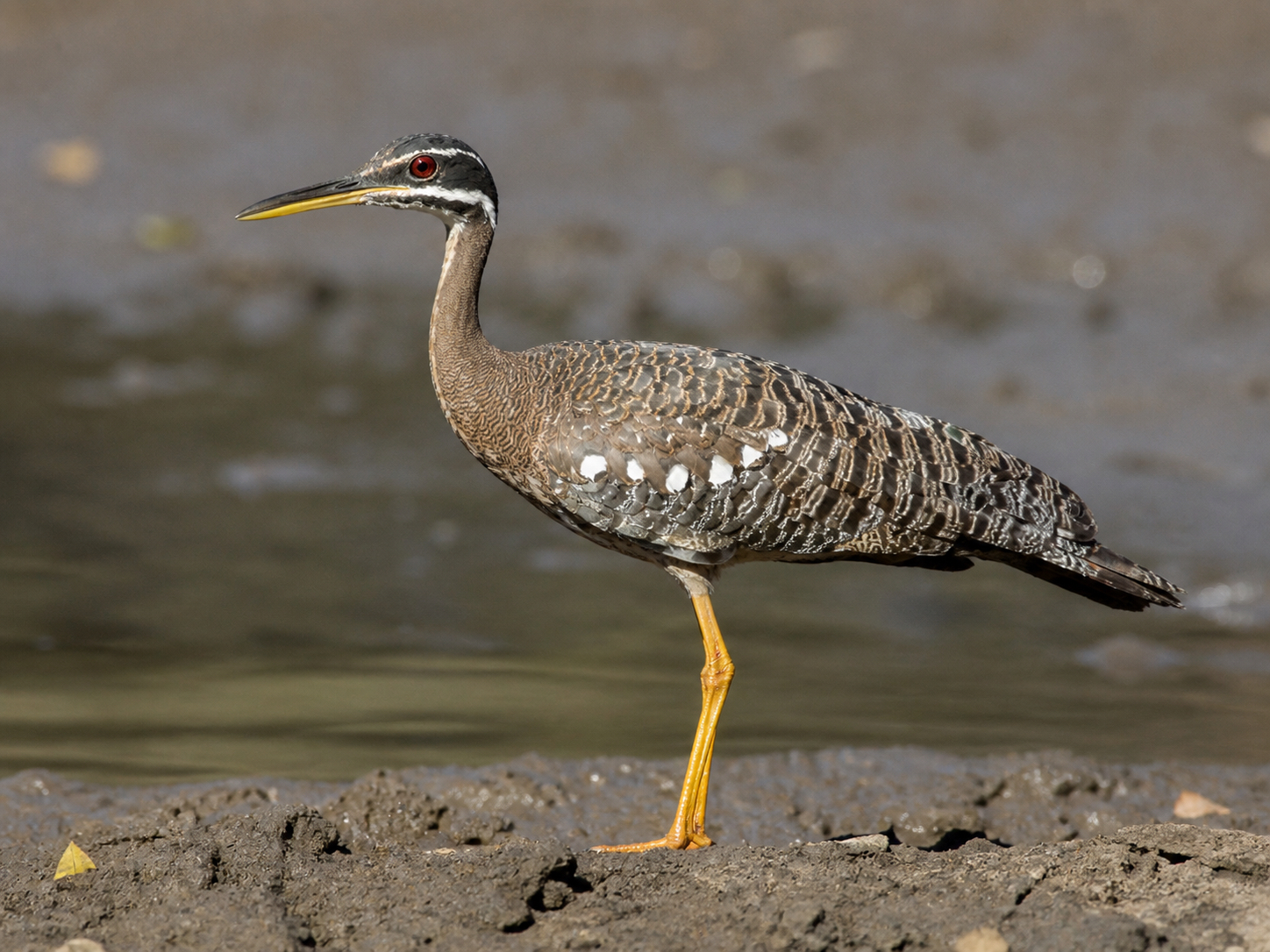
After breakfast, birding in the Trinidad Region explores the open habitats of the Beni floodplain, targeting Orinoco Goose, Hudson’s Black Tyrant and possibly Chaco Eagle, alongside riverine woodland species such as Plain Softtail, Fawn-breasted Wren and Velvet-fronted Grackle. The day’s list also includes screamers, Sunbittern, Jabiru, Hoatzin, herons, kingfishers, guans, raptors, antbirds and tyrants, with mammals like Crab-eating Fox, Brown Brocket Deer and Capybaras. A local market lunch and dinner follow before the flight from Trinidad to Santa Cruz de la Sierra closes the Llanos de los Moxos leg.
Key activities
-
Birding in the Trinidad Region
Samaipata
An early road transfer heads into the Andean foothills for a two-night stay at Refugio Los Volcanes, an ecolodge near Samaipata beside towering red cliffs and Amboró National Park. Most of the day is given to cloudforest birding on arrival, adding a first afternoon in the forested basin beneath the sandstone domes, where mixed flocks and near-endemics offer a calm introduction to the Andes. Breakfast is included, with lunch and dinner available separately.
Key activities
-
Cloudforest Birding on Arrival at Los Volcanes
Samaipata
Wake to a dawn chorus at Refugio Los Volcanes, an eco-lodge amid red cliffs bordering Amboró National Park. Birding trails around the cabins and entrance road offer Gray-throated Leaftosser, Rufescent Screech-Owl, Yungas Manakin, Amazonian Motmot and possible mixed tanager flocks, with a chance of the endemic Bolivian Recurvebill. Walk deeper into Amboró’s forested slopes toward a waterfall, watching for plants, lizards, monkeys and Tapirs. After lunch in a local market and dinner, return to the surrounding forests for night birding, listening for Band-bellied Owl, Rufous Nightjar and Ocellated Poorwill.
Key activities
-
Refugio Los Volcanes Birding Trails
-
Night Birding in the Forests around Los Volcanes


Samaipata
After included breakfast, a road transfer from Los Volcanes climbs into higher-elevation forest for Short-tailed Antthrush, then pauses at a crater lake where Masked Duck, Least Grebe and Pied-billed Grebe are usually present. The journey continues through a picturesque Andean farming valley toward Samaipata, birding cultivated and fallow fields, scrub and deciduous woodland where rare Mitred Parakeets move through cornfield country. A generic lunch in a local market and a generic dinner are available before the overnight stay in Samaipata.
Key activities
-
Higher-elevation Forest and Crater Lake Birding
-
Andean Farming Valley Birding to Samaipata
Saipina
Birding begins in a remnant Podocarpus forest, home to the Tucuman Amazon and Red-faced Guan. After an included breakfast and a local market lunch, the route drives from Samaipata into the Rio Mizque floodplain toward Saipina, birding open scrubby hills along the way. The dry valleys and Rio Misque area target Dot-fronted Woodpecker, Giant Antshrike, Olive-crowned Crescentchest, Bolivian Warbling Finch and Huayco Tinamou, with Andean Condors often seen overhead. Overnight is in the Saipina area, with dinner.
Key activities
-
Podocarpus Forest Remnant Birding
-
Dry Valleys and Rio Misque (to Saipina)
Saipina – Comarapa
After breakfast, visit the Red-fronted Macaw Reserve in the Rio Mizque valley, a tranquil spot where the rare Red-fronted Macaw, a Bolivian endemic, crosses between feeding and roosting areas, alongside the endemic Cliff Parakeet. Following a lunch stop in a local market, transfer to Comarapa for two nights. This provincial town beneath the Siberia massif enjoys a balmy inter-montane climate and offers easy access to some of Bolivia’s finest cloudforests inside Amboro National Park, with arrival possibly allowing initial exploration.
Key activities
-
Red-fronted Macaw Reserve (Rio Mizque)
Comarapa
Birding starts among the deep red and orange canyons and cactus-covered hills of Comarapa and Tambo Canyons, home to the endemic Bolivian Earthcreeper, with an evening search for Scissor-tailed Nightjar and Tropical Screech Owl. The route continues to Siberia Cloudforest in Amboro National Park, where epiphyte-laden trees, bamboo and flowering undergrowth contrast with the arid valleys. Search for Rufous-faced Antpitta, Trilling Tapaculo, Violet-throated Starfrontlet, mountain tanagers and, on the descent, Grey-bellied Flowerpiercer and Red-tailed Comet.
Key activities
-
Comarapa and Tambo Canyons Birding
-
Siberia Cloudforest (Amboro National Park)
Cochabamba
After breakfast, travel from Comarapa to Cochabamba on a long drive over the Siberia watershed, descending into dry valleys with birding stops along the way. Search Polylepis gullies for the endemic Black-hooded Sunbeam, Wedge-tailed Hillstar and Rufous-bellied Mountain Tanager. Continue toward Cochabamba, pausing for lunch in a local market and dinner en route. The journey blends scenic Andean crossings with focused birding in the dry valleys before arriving in Cochabamba.
Key activities
-
Siberia Watershed and Dry-valley Birding to Cochabamba
Days 14–16 — Quillacolla Road and Chapare
Birding along the Quillacolla Road climbs past Cerro Tunari to a high pass, targeting the endemic Cochabamba Mountain Finch, Giant Conebill, Wedge-tailed Hillstar and other high-Andean boulder-field birds. The Chapare Road then descends from puna through elfin, temperate and subtropical forest toward Villa Tunari, seeking specialists such as Hooded Mountain Toucan, Upland Antshrike and Yungas Tody-Tyrant. Breakfast is included, with lunch at a local market and dinner available along the route.
Key activities
-
Quillacolla Road Birding above the Cochabamba valley
-
Chapare Road Birding from puna to subtropical forest
Days 14–16 — Quillacolla Road and Chapare
Birding along the Quillacolla Road climbs past Cerro Tunari to a high pass, where the endemic Cochabamba Mountain Finch, Giant Conebill, Wedge-tailed Hillstar and other high-Andean boulder-field birds are targets. The Chapare Road then descends from puna through elfin, temperate and subtropical forest toward Villa Tunari, seeking specialists such as Hooded Mountain Toucan, Upland Antshrike and Yungas Tody-Tyrant. Breakfast is included, with lunch at a local market and dinner available as generic meals.
Key activities
-
Quillacolla Road Birding above the Cochabamba valley
-
Chapare Road Birding from puna to subtropical forest
Days 14–16 — Quillacolla Road and Chapare
Bird the Quillacolla Road above the Cochabamba valley, climbing past Cerro Tunari toward a high pass in search of the endemic Cochabamba Mountain Finch, Giant Conebill, Wedge-tailed Hillstar and other high-Andean boulder-field birds. Continue along the Chapare Road, which climbs out of the valley through puna before dropping through elfin, temperate and subtropical forests toward Villa Tunari, where specialists such as Hooded Mountain Toucan, Upland Antshrike and Yungas Tody-Tyrant may be found. Breakfast is included, with lunch at a local market and dinner available nearby.
Key activities
-
Quillacolla Road Birding above the Cochabamba valley
-
Chapare Road Birding from puna to subtropical forest
Cochabamba – Inquisivi
Start with an early outing near Cochabamba, searching eucalyptus trees for the endemic Bolivian Blackbird and the range-restricted Brown-backed Mockingbird. After breakfast and a local market lunch, the route heads west on a long road transfer from Cochabamba to Inquisivi, crossing puna habitat with stops for Ornate Tinamou, White-winged Cinclodes, Plain-mantled Tit-Spinetail, Cordilleran Canastero and Puna Yellow Finch before dinner.
Key activities
-
Cochabamba Eucalyptus for Bolivian Blackbird
Inquisivi – La Paz
Start with breakfast before birding the Inquisivi dry forest, a key site for the Critically Endangered Bolivian Spinetail and a newly described Green-cheeked Parakeet form, with dry-country and woodland species and another chance for Black-hooded Sunbeam. After a local market lunch, transfer toward La Paz with a few puna stops for canasteros, miners, ground tyrants and yellow finches. Arrive in the high-altitude capital beneath Mount Illimani, then enjoy dinner.
Key activities
-
Bolivian Spinetail (Inquisivi dry forest)
-
Puna Stops en route to La Paz
Days 19–20 — Coroico Road
Drive from La Paz to Coroico via the Coroico Road, descending from the high puna pass through cloudforest into verdant subtropical forest. Birding along this spectacular Yungas gradient offers the chance to revisit Yungas specialities, with stops along the route. Breakfast is included, while lunch in a local market and dinner are available at additional cost. The journey combines scenic mountain travel with focused birding through changing habitats on the way to Coroico.
Key activities
-
Coroico Road Birding (Yungas gradient)
Days 19–20 — Coroico Road
Birding along the Coroico Road takes you through the Yungas gradient, from a high puna pass down into cloudforest and verdant subtropical forest. This route revisits the Yungas specialities, offering a full day of birding across changing habitats. Breakfast is included in the package, with a lunch stop in a local market and dinner to round out the experience.
Key activities
-
Coroico Road Birding (Yungas gradient)
Sorata
Bird along the Coroico Road in the middle-elevation Yungas forest, searching for Diademed Tapaculo, Scimitar-winged Piha and other pass specialities, with a second chance to fill gaps in the list. After breakfast, a market lunch and continued birding, drive back through La Paz and on to Sorata at the base of the Illampa mountains, arriving for dinner and the night.
Key activities
-
Coroico Road Return Birding
Sorata – Copacabana – La Paz
Search the dry valley below the Illampa mountains for the localised Berlepsch’s Canastero, whose large stick nests stand out in taller eucalyptus, with a high-altitude lake adding Giant Coot and Silvery Grebe. Continue to Lake Titicaca, scanning reed edges for Titicaca (Short-winged) Grebe alongside Andean Goose, Crested Duck and Plumbeous Rail. A local market lunch precedes the drive from Sorata and Lake Titicaca to La Paz airport for a late afternoon departure.
Key activities
-
Sorata Berlepsch’s Canastero Search
-
Lake Titicaca Grebe Scan


Target Species
A curated selection of the iconic species we aim to encounter and photograph throughout our journey.




Hotels
Refugio Los Volcanes
Ecolodge | $$$$ | Altitude: 1,049m (3,442 ft)
Nestled in a spectacular sandstone canyon bordering Amboró National Park, Refugio Los Volcanes offers immediate access to pristine forest trails right from your doorstep. The lodge's lush gardens and active feeders attract diverse species, allowing for superb, close-up photography in excellent morning light. Spacious rooms provide ample area for organizing camera gear, while the tranquil natural setting ensures quiet, restful nights before early morning starts. It is the perfect comfortable haven to recharge after a rewarding day in the field.


Gallery


Price Details
Our tour prices are based on a tiered pricing model. more guests = lower price, per person. That means the prices go down on a per-person basis as more people book onto a specific tour departure.
Price Base
- Price for 2 people: 2.895 EUR (132 EUR / day)
- Price for 3 to 4 people: 2.495 EUR (113 EUR / day)
- Price for 5 to 6 people: 2.095 EUR (95 EUR / day)
- Price for 7 to 8 people: 1.995 EUR (91 EUR / day)
** Prices are based on double occupancy / twin share basis.
Included
- Hotels mentioned in the program
i
Hotels mentioned in the program- Refugio Los Volcanes — 2 nights · Ecolodge
- Meals indicated in the program: 21 breakfasts, 21 lunchs, 21 dinners
- 1 cocktail before dinner
- Water is included
- Professional photographic guidance & instruction by Tristan Quevilly
- Transportation in comfortable vehicles
- 1h skype session of photo editing in Lightroom or Photoshop
- Restaurant gratuities / tips
- Pre-trip planning assistance
- Detailed trip notes with practical information and cultural insights
- Access to Remote Expeditions custom travel app
Not Included
- Lunch on Arrival day
- Tips
- International flights
- Travel, Medical & Cancellation insurance
- Additional drinks and meals
- Expenses not specified in the program
- Camera Equipment
Deposit
-
30% (629 EUR approx)
i
Your depositThe deposit is used to secure services for your trip, such as hotels and flights.
Payment Options
- Bank Transfer (Recommended): Free
- Credit / Debit Card: Secure payment via Revolut. A 3% processing fee applies.
Second Participant Discount
- Travelling with a companion who isn't a photographer? Their per-person price is reduced by 250 EUR.
Booking Conditions
- Deposit: 30% to secure your booking
- Final payment: Due 90 days before departure
- Cancellation more than 90 days before departure: Deposit retained as a 4-year travel credit
- Read the full Terms & Conditions ↗
Where does your investment go?
A transparent look at how your bespoke itinerary is funded.
Practical Information
Altitude, Early Starts and Long Travel Days
The tour combines concentrated birding sessions with flights and long road transfers. Early starts are normal, especially when the group is working a particular habitat or trying to make the most of cool, active morning conditions.
The route rises gradually from Santa Cruz, Riberalta and Trinidad into Amboró, the Cochabamba highlands, the Yungas and the Lake Titicaca region. Some birding takes place near 4,000 metres, where cold, strong sun and reduced oxygen can make an ordinary walk feel demanding.
Come prepared to conserve energy between sightings, follow the guide’s pace and remain flexible when weather, road conditions or bird activity change the plan. Discuss relevant health concerns with a qualified professional before travelling.
Blue-throated Macaw in the Llanos de los Moxos
The Blue-throated Macaw search takes place around Loreto Road and the central Beni palm savanna, where gallery woodland and open country create the setting for one of Bolivia’s most important birding encounters. The itinerary also allows for other macaws, including Blue-and-yellow, Red-and-green, Golden-collared and Chestnut-fronted Macaws.
This is a focused field search, not a promise of a close approach. The group may spend patient time scanning palms, woodland edges and feeding areas, with the guide adjusting the route to current conditions and local knowledge.
Bird behaviour, weather and access all influence the result. The value of the day lies in working carefully through the landscape as well as in the possibility of finding the species that brought us there.
Red-fronted Macaw and the Río Mizque Valleys
The Río Mizque section moves into Bolivia’s dry inter-Andean valleys, where rocky slopes, canyon country and changing vegetation provide a very different setting from the lowland macaw habitats. The focus is the Red-fronted Macaw, with the surrounding valleys adding further dry-country birding.
The itinerary gives this part of the route time rather than treating it as a quick stop between destinations. Depending on conditions and access, the day may combine reserve birding, canyon landscapes and road-based observation.
As elsewhere on the tour, the macaws are wild birds. Sightings and views depend on where the birds are feeding or moving that day, so patience and flexibility matter more than a fixed checklist promise.
Respectful Birding and Local Communities
The route passes through landscapes used and cared for by local communities. Ask before photographing people or private activities, follow local guidance and let the guide explain when access or a particular stop needs to be handled with care.
Keep voices low around birds, avoid playback unless the guide specifically recommends it, and do not press closer when a bird is unsettled. Good field behaviour protects the quality of the encounter and leaves the same places workable for the people and guides who return after us.
Conditions and local arrangements can change. The guide’s briefing on the day is the reference for where to walk, when to wait and how to move through each site.
What to Bring for This Bolivia Birding Route
Bring binoculars, a field guide or offline reference, spare batteries, memory cards and a small daypack for water, medication, an extra layer and rain protection. A camera with a versatile telephoto lens is useful, but keep the complete setup manageable for road stops and short walks.
Pack layers for warm lowlands, cool forest mornings and cold, exposed highland areas. Comfortable walking shoes, a waterproof and windproof outer layer, sun protection, a hat and insect protection will all earn their place.
Protect equipment from dust, rain and condensation, and keep essential items with you during flights. The final packing list should follow the confirmed departure arrangements and accommodation details.
Detailed Trip Notes, including practical tips, cultural insights, and a complete packing list will be sent to you 60 days before departure.
Booking this tour means you agree to our full Terms and Conditions. Below is a summary of the key points. As life is unpredictable, we strongly recommend purchasing comprehensive travel insurance.
- Deposit: A 30% deposit is required to secure your booking. This deposit is refundable for 7 days (less transaction fees), after which it becomes a non-refundable credit, transferable to a future tour offered by Remote Expeditions within 4 years of the cancellation date, less any non-recoverable costs already paid on your behalf.
- Final Payment: The remaining balance is due 90 days before the tour begins.
- Cancellation more than 90 days before departure: You will receive a full refund of any payments made, except for the 30% deposit. Your deposit will be converted into a travel credit valid for 4 years on a future tour Remote Expeditions.
- Cancellation within 90 days of departure: 100% of the tour price is forfeited. There are no refunds or credits.
* This is a summary only. Please read our complete
Terms and Conditions
for full details before booking.
** We strongly recommend all travelers purchase comprehensive travel insurance that covers trip cancellation, medical emergencies, and other unforeseen events.
A few kind words
Colombia Photography Tour 2026
Top notch photographic experience for enthusiasts of nature, culture, and portraits. Tristan is well connected to the area and the local communities with a specialty in indigenous tribes and less-visited areas. Additionally, he is an excellent teacher and will provide incredibly helpful instruction on exposure, lighting, and composition. Our tour was incredibly well organized and ran on time, with full days of photography. I fully recommend Remote Expeditions for your photographic travels!

You are in good hands with Tristan!
Tristan does an amazing job at putting together a culturally rich experience. He also does a great job at adapting to his clients needs and interests. He responds well to feedback. He is both professional and personable. I feel as though I had the opportunity not only to photograph many different elements of Colombia, but that I truly experienced the country and its culture. Our adventure took us from birding in the mountains outside of Cali, to visiting remote indigenous tribes, to visiting active fishing villages, to learning about local and historical musicians and customs, to beautiful settings in the mountains and along the seashore.
I give Tristan the highest recommendation as a guide for Colombia.

Colombia Birding Tour
I visited Colombia with Tristan of Remote Expeditions and would highly recommend him. He put together a wonderful itinerary with great knowledge of the areas and attention to details to give us a wonderful sampling of the country. He is personally very gentle and fun by nature and you will return home feeling very happy and satisfied. Whatever your special interest is, I’m sure he can make an itinerary to exceed your goals.

The difference is in the details
Journeys shaped by experience
Every route is built from time spent in the field: knowing when to linger, when to move on, and which small details are worth noticing.
Room for the unexpected
The best moments are not always on the itinerary. We leave enough flexibility to follow a good conversation, an unusual sighting, or a changing landscape.
Local relationships that open doors
Our journeys are grounded in long-term relationships with people who know their home intimately and are proud to share it in their own way.
A small group, properly looked after
With only a few travellers, decisions remain personal. We can adapt the pace, answer questions, and make sure everyone feels part of the journey.
Your Tour Guide
Tristan Quevilly
Tristan has been to over 40 countries in his quest for the perfect adventure. He has biked all Guatemala, trekked alone across the Triglav in Slovenia, travelled through all the Amazon by boat. He also has worked and leaded tours in Senegal, Morroco, Croatia, Greece, Cuba, Colombia, Brazil and many more. Remote Expeditions is the fruit of his love for people and travel.
- 23 years guiding
- 75K followers
- 16 countries guided in
- 3,000+ activities led
Frequently Asked Questions
Most Remote Expeditions journeys are arranged privately, so the pace and rhythm can be shaped around the people travelling together. When a scheduled group departure is offered, it is typically limited to four or five travellers.
No. Photography is one of the ways we observe and connect with a place, but it is not a requirement. Our journeys also welcome travellers drawn to slow travel, wildlife, culture, trekking, landscapes, and genuine encounters. You can join with professional equipment, a simple camera, or just your curiosity.
Every itinerary has its own rhythm. Some journeys are gently paced, while others include long walks, trekking, uneven terrain, altitude, or substantial travel days. The practical details on each tour page explain the expected walking, terrain, altitude, distances, and overall physical level so you can decide whether the journey suits you.
Tristan designs the itineraries and personally leads many Remote Expeditions journeys. Depending on the destination and the character of the trip, trusted local guides, drivers, cultural hosts, or specialist leaders may also join part of the route. This combination gives you direct personal support alongside local knowledge.
Often, yes. Private journeys can usually be shaped around your interests, pace, and available time. Fixed group departures have a defined route and dates, but it may still be possible to arrange additional nights, private extensions, or other travel before or after the main journey. Tell us what you have in mind and we will explain what is practical.


