Brazil Grand Circuit
A 32-day journey across Brazil: Rio's forested peaks, both sides of Iguazú Falls, Afro-Brazilian Salvador, the canyons and caves of Chapada Diamantina, the dune crossing of Lençóis Maranhenses, and the jaguar rivers of the Pantanal.


This is the Brazil Grand Circuit: 32 days of continuous travel from Rio’s urban edges to the wild interior. We begin in Rio with Corcovado, Sugarloaf and a Tijuca forest hike, then fly south to Iguazu Falls for both the Brazilian and Argentine sides, including the Devil’s Throat walkways and the Gran Aventura boat ride. In Salvador we walk Pelourinho, visit the São Joaquim fair and meet the Alagados community project.
From Bahia we turn inland to the Chapada Diamantina. Based in Lençóis, we explore caves and climb Pai Inácio for sunset, then set out on the Vale do Pati trek, sleeping in native family homes and bathing below waterfalls. A flight north brings us to São Luís and the Lençóis Maranhenses dune crossing: hammock nights, the Preguiças River boat ride, and multi-day walks between oasis communities. The final chapter is the Pantanal jaguar safari, with full days on the Cuiabá River from Porto Jofre.
Photographers and birders will appreciate the early starts and long walking days. Moderate-to-advanced trekking days of 8–20 km alternate with city, boat and safari days, and accommodation ranges from hotels to simple shared homestays and hammocks. We keep the group to eight travellers.
Why This Tour: Brazil from Atlantic Cities to Wild Landscapes
This is a 32-day journey across several very different Brazils. It begins with Rio de Janeiro’s mountains, forests and beaches, continues to the immense landscapes of Iguaçu, then moves through Salvador and Bahia before reaching the trails and waterfalls of Chapada Diamantina.
The route continues north to the dunes and seasonal lagoons of Lençóis Maranhenses, then finishes with river safaris and wetland wildlife in the Pantanal. Each region has its own rhythm, climate and way of travelling.
The appeal is the progression between them: urban culture, Afro-Brazilian history, dramatic geology, long-distance landscapes, village hospitality and patient wildlife observation, all held together by careful logistics and local knowledge.
Expedition Highlights


Is this trip right for you?
A practical overview of the pace, comfort, and conditions to expect on this journey.
Seasonality
Travel style
- Blend of activities, free time and cultural immersion
Accommodation
- Comfortable tourist-class accommodations with character, Rustic Camping & confortable Accommodation
Transport
-
4x4 expeditions on epic roads, Transportation in confortable Vehicles
i
Transport used on this trip- Road transport
- Airplane
- Car
-
Travel time:
Estimates incomplete
· at least 2 longer travel days
i
Travel time estimates- 4 flights
- Short transfers (up to 2 hours): at least 2
- Transfers over 2 hours, up to 5 hours: at least 1
- Transfers over 5 hours: at least 2
Some transfer times are still being confirmed; the daily average is not yet available.
Counts refer to individual road or boat transfers. The daily average includes all itinerary days, including days without transfers. Flights, walking and activity durations are excluded.
Flights are counted separately. Airport procedures, waiting and sightseeing stops are not added to the recorded transfer durations.
Times are approximate and depend on traffic and local conditions.
Who is it for
- Travellers who want one continuous Brazil program rather than separate trips
- Photographers and birders comfortable with early starts and long walking days
- Anyone drawn to homestay and hammock experiences in the Vale do Pati and Lençóis Maranhenses
- Travellers who can manage moderate-to-advanced trekking days
Who is it not for
- Travellers wanting a relaxed city-only pace: the Chapada and dune sections include 8–20 km walking days
- Anyone expecting hotels on every night: Vale do Pati and Lençóis Maranhenses include simple shared homestay and hammock nights
The journey at a glance
Following the route
The journey moves gradually through 11 chapters.
Route shown schematically for orientation.
Detailed itinerary
Rio de Janeiro: Arrival, Corcovado and Arpoador
Arrive in Rio de Janeiro with a private transfer to Copacabana, then settle in before an afternoon ascent of Corcovado. The train climbs through the forested slopes of Tijuca to the Christ the Redeemer statue, where views open across Ipanema, Leblon, Sugarloaf and the north zone. Later, head to the Arpoador rocks to watch the sunset over the ocean between Copacabana and Ipanema, an easygoing introduction to the city.
Key activities
-
Corcovado and Christ the Redeemer Climb
-
Sunset at Arpoador
Rio de Janeiro: Tijuca / Sugarloaf and Santa Teresa–Lapa
Start with sunrise photography at Mirante Dona Marta, then hike shaded trails through Tijuca Forest past waterfalls and forest openings. Continue to Sugarloaf Mountain via the Claudio Coutinho track and cable car, with views over Guanabara Bay. Walk the historic streets of Santa Teresa and Lapa, then visit a samba school carnival workshop for percussion and steps. Close with an optional panoramic helicopter flight and a late-afternoon Sugarloaf cable car visit timed for sunset over the city.
Key activities
-
Mirante Dona Marta Sunrise Photography
-
Tijuca Forest Hike
-
Sugarloaf Mountain Hike and Cable Car (Pão de Açúcar)
-
Santa Teresa and Lapa District Walk
-
Samba School Carnival Workshop Visit
-
Rio de Janeiro Panoramic Helicopter Flight
-
Sugarloaf Cable Car Sunset Visit
Foz do Iguaçu: Brazilian Side of the Falls
Fly from Rio de Janeiro to Foz do Iguaçu and transfer to your hotel before exploring Iguaçu National Park on the Brazilian side. An easy two-hour bike ride winds through tropical forest, ending at a panorama over the 275 falls, followed by a short walking trail with viewpoints toward Argentina. Continue along the Brazilian side’s panoramic walkway for sweeping, up-close views of Iguazu Falls, with an optional ten-minute helicopter flight offering an aerial perspective of the cascade system.
Key activities
-
Iguaçu National Park Bike Ride (Brazilian Side)
-
Brazilian side falls panoramic walkway
-
Iguazu Falls Helicopter Flight


Iguazú: Argentine Side, Devil's Throat and Gran Aventura
Explore the Argentine side of Iguazú Falls, starting with a full-day visit along the park train, walkways and the dramatic Devil’s Throat. Continue on the Lower Circuit for close views of the cascades before the Gran Aventura boat ride takes you through the lower river canyon to the base of the falls. A Guarani community visit near Iguazú adds a forest walk, medicinal plants, woodcarving and a cooking workshop with tasting. Transfers from Foz do Iguaçu to Puerto Iguazú connect the day.
Key activities
-
Iguazú Falls Argentine Side Full-Day Visit (Walkways and Devil’s Throat)
-
Visit of Iguaçu National Park (Lower Circuit A)
-
Boat Ride Under the Falls (Gran Aventura)
-
Guarani Community Visit Near Iguazú


Foz do Iguaçu → Salvador
Begin with breakfast before visiting Parque das Aves in Brazil, where you can explore vibrant birdlife and walk through lush aviaries near Iguaçu Falls. A private transfer then takes you from your Foz do Iguaçu hotel to the airport for a flight to Salvador. On arrival, a transfer brings you to Pelourinho, where dinner is available and you stay at Casa Di Vina.
Key activities
-
Bird Park (Optional)

Salvador: Pelourinho and Rio Vermelho
Explore Salvador’s Upper City and Pelourinho on a guided walk past colonial houses and baroque churches, with batuque, berimbau and capoeira echoing Bahia’s history, plus the Elevador Lacerda and the Afro-Brazilian culture museum. An early-afternoon visit to the Alagados Community Project and Escola Luiza Mahin shows social life beyond the historic centre. In the evening, a Rio Vermelho culture walk reveals Salvador’s bohemian quarter, where bars, botecos and live music fill the streets, with beer, petiscos and baianas de acarajé in traditional dress.
Key activities
-
Salvador Upper City and Pelourinho Guided Tour
-
Alagados Community Project and Escola Luiza Mahin
-
Rio Vermelho Evening Culture Walk


Salvador: São Joaquim Fair and Moqueca
Explore Salvador’s largest municipal market, the São Joaquim Fair, gathering cilantro, lime, garlic, coconut milk and dendê oil before a moqueca cooking demonstration at a local restaurant. Continue up the Green Line to Praia do Forte, a former fishing village, and the Projeto TAMAR sea-turtle conservation station with its coconut-palm beaches. An optional evening walk reveals the illuminated churches, squares and colonial facades of Salvador’s historic centre.
Key activities
-
São Joaquim Fair Market Tour and Moqueca Cooking Demonstration
-
Praia do Forte and Projeto TAMAR Full-Day Excursion
-
Salvador Historic Centre Evening Walk
Lençóis: Gateway to Chapada Diamantina
After breakfast, transfer from Pelourinho to Lençóis and settle in at Estalagem do Alcino. Lunch is followed by the Muritiba Park River Trail, a riverside walk through shaded forest with bathing pools near town. Continue to the Mirante de Lençóis Lookout for views over the diamond town and the serra skyline framing Chapada Diamantina. Dinner rounds out the day in Lençóis.
Key activities
-
Muritiba Park River Trail
-
Mirante de Lençóis Lookout
Lençóis: Mosquito, Mucugêzinho and Poço do Diabo
Explore the Chapada Diamantina around Lençóis with visits to Mosquito Waterfall and Poço do Diabo, followed by a refreshing swimming stop at the Rio Mucugêzinho, a deep pool framed by rocky walls in the region’s river system. The day includes breakfast in the package, with lunch and dinner available as separate options, and returns to Estalagem do Alcino in Lençóis. It is a relaxed mix of waterfall scenery, natural pools and riverside time, ideal for travellers wanting an active but unhurried day in the Chapada.
Key activities
-
Mosquito Waterfall & Poço do Diabo
-
Rio Mucugêzinho Swimming Stop
Iraquara: Caves and Pai Inácio Sunset
From Lençóis, a private transfer heads out to Iraquara for a day of Chapada Diamantina caves and viewpoints. Explore Gruta da Lapa Doce on a guided walk through wide chambers lined with stalagmites, stalactites and speleothems. At Pratinha, swim in the crystal-clear river and visit the Blue Cave, with optional floating and zipline activities on site, then see Gruta Azul’s bluish waters beside Fazenda Pratinha. The route finishes with the short, steep climb up Morro do Pai Inácio for sunset over the park’s peaks and valleys.
Key activities
-
Gruta da Lapa Doce Cave Tour
-
Pratinha River Swim and Blue Cave Visit
-
Gruta Azul Cave Visit
-
Morro do Pai Inácio Sunset Climb
Vale do Capão: Cachoeira da Fumaça
After breakfast, transfer from Lençóis to Caeté-Açu in Vale do Capão and settle into your hotel. The Cachoeira da Fumaça full-day hike follows the Caeté-Açú Trail through the Cânion da Fumaça to the rim above one of Brazil’s highest free-falling waterfalls, where wind sometimes turns the water to smoke. A visit to Riachinho Waterfall offers natural pools, gentle trails and shaded picnic spots, followed by a picnic in nature and dinner.
Key activities
-
Cachoeira da Fumaça Full-Day Hike (Caeté-Açú Trail)
-
Visit of Riachinho Waterfall
Vale do Capão → Lençóis
Leave Vale do Capão after breakfast and, if you choose, take an optional morning walk on the Águas Claras Natural Pools Trail near Palmeiras, where clear water sits among open cerrado views at Morrão. Continue with a return transfer from Vale do Capão to Lençóis, settling in at Estalagem do Alcino. Lunch and dinner are available along the way, rounding out a day that blends a gentle nature walk with the journey between these Chapada Diamantina bases.
Key activities
-
Águas Claras Natural Pools Trail (Palmeiras)

Vale do Pati: Entry via Guiné
Enter the Vale do Pati from Vila de Guiné after breakfast and a private transfer from Lençóis. The trek opens with the steep ascent of Aleixo, a demanding climb rewarded by panoramic views. Cross the Gerais do Rio Preto tableland to a refreshing bath in the Rio Preto, then continue to the Mirante do Pati, which opens over the whole valley. A picnic in nature precedes the steep descent through the Rampa to the valley floor, ending at a native-family home in Vale do Pati.
Key activities
-
Ascent of Aleixo
-
Geraes do Rio Preto River Bath
-
Mirante do Pati Viewpoint
-
Descent Through the Rampa to Your Native-Family Home


Vale do Pati: Morro do Castelo and Cachoeira do Funil
Breakfast precedes the Morro do Castelo Trek, a roughly two-hour climb through Gruta do Castelo cave to one of the highest points of Vale do Pati, opening onto panoramic views over the valley and Vale do Calixto. After descending, cool off with a river swim at Cachoeira do Funil, where crystalline waters fall into an emerald-green pool. A picnic in nature follows in camping mode, with dinner and stays at native family homes in Vale do Pati rounding out the experience.
Key activities
-
Morro do Castelo Trek
-
Cachoeira do Funil River Swim
Vale do Pati: Cachoeira do Calixto
Walk through the Lapinha river valley to Cachoeira do Calixto, one of the named waterfalls of the Vale do Pati circuit. The day is spent on foot among the landscapes of the Pati, with a picnic in nature along the way, before returning in the evening to stay with a local host family in the Vale do Pati native family homes. Breakfast is included in the package, and dinner is available separately.
Key activities
-
Lapinha River Valley Walk to Cachoeira do Calixto
Vale do Pati: Poço da Árvore and the Tree Well
Start with breakfast before visiting Poço da Árvore, a wild valley spot where two large rivers meet in deep forest; leave backpacks at the support house before continuing. The Tree Well Trek then follows roughly ten kilometres through Vale do Pati landscapes toward the next homestay, with a stop to cool off in a natural bath found in a tree well. A picnic in nature is part of camping mode, followed by dinner and a stay with a native family home in Vale do Pati.
Key activities
-
Poço da Árvore River and Forest Visit
-
Tree Well Trek (Vale do Pati)
Vale do Pati: Cachoeirão and Aleixo Sunset
After breakfast, trek to Cachoeirão, where a canyon rim viewpoint reveals an abyss of roughly 260–280 metres and, in rainy periods, more than twenty waterfalls pouring over the walls. Enjoy a picnic in nature before returning toward Guiné, pausing at the Aleixo viewpoint for a quiet farewell sunset. A private transfer then continues from Vila de Guiné to Lençóis, with dinner and a stay at Estalagem do Alcino.
Key activities
-
Cachoeirão Waterfall Trek
-
Return to Guiné and Sunset at the Aleixo Viewpoint


Chapada: Poço Encantado and Poço Azul
From Lençóis, a private transfer leads first to Poço Encantado, a limestone cave pool with exceptionally transparent water, viewed contemplatively without swimming and open to visitors over twelve. Next is Poço Azul, another remarkably clear cave pool where floating with a life vest and snorkel is possible after a de-oiling shower; submerged giant ground sloth bones were found here. The day includes breakfast, lunch and dinner, with an optional floating and underwater observation session at Poço Azul, returning to Estalagem do Alcino in Lençóis.
Key activities
-
Poço Encantado Visit
-
Poço Azul Visit
-
Poço Azul Floating and Underwater Observation
São Luís: Old Town
After breakfast, travel by private land transfer from Lençóis to Salvador, then fly to São Luís. A private transfer brings you from the airport to your hotel, the beachfront Hotel Luzeiros. In the afternoon, join a walking tour of the Old Town of São Luís, a UNESCO-listed colonial centre shaped by native legends, African influence and Maranhão customs. Lunch and dinner are included as generic meals, rounding out a day that moves from Bahia to the historic heart of Maranhão.
Key activities
-
São Luís Old Town Walking Tour


São Luís: São João Festival
Experience the São João Festival in São Luís over two days of celebration, with breakfast included at your stay. Between the festivities, enjoy lunch and dinner, and rest at the beachfront Hotel Luzeiros, which pairs ocean views with easy access to the historic charm and cultural heritage of Maranhão. This route blends festival atmosphere with the relaxed coastal setting of São Luís.
Key activities
-
Sao Joao Day 1
-
Sao Joao Day 2

Barreirinhas and the Preguiças River
Travel from São Luís to Barreirinhas, the gateway town for Lençóis Maranhenses National Park, on a private road transfer. From there, a small motorboat carries you along the Preguiças River toward Atins, with a stop at Pequenos Lençóis for the panoramic view from the Preguiças Lighthouse. The route crosses mangroves and passes the village of Caburé before landing at Atins Beach. Dinner and a stay at Morada das Dunas Atins complete the day.
Key activities
-
Boat Ride on the Preguiças River to Atins
Atins and Canto de Atins
A shared 4×4 tour follows a sandy trail for just over an hour, stopping in the village of Atins to cool off at the mouth of the Rio Preguiças before continuing to local restaurants in Canto de Atins. The evening is spent in the hammock areas of Canto de Atins village, where the isolation of the Lençóis makes strong astrophotography possible after dark.
Key activities
-
4×4 Tour to Atins and Canto de Atins
-
Canto de Atins Hammock Rest and Astrophotography
Lençóis Maranhenses: Rio Negro to Oásis da Baixa Grande
After breakfast, a 4×4 ride reaches Rio Negro at the edge of Lençóis Maranhenses National Park, where the trek begins along a long beach rich with seabirds. The first day of trekking through Lençóis leads to a picnic in nature, camping style. From a dune above Oásis da Baixa Grande, watch the sun set over the park as the day’s lagoons catch the last light, followed by dinner and a hammock camp at Oásis da Baixa Grande.
Key activities
-
4×4 Access to the Lençóis Maranhenses Trek Start (Rio Negro)
-
Trek Lençois day 1
-
Sunset from a Dune Above Oásis da Baixa Grande

Lençóis Maranhenses: Baixa Grande to Queimada dos Britos
Trek through the Lençóis Maranhenses from Baixa Grande toward Queimada dos Britos, starting with breakfast before a full day on the dunes. A picnic in nature keeps the camping-mode journey going. At Oásis Queimada dos Britos, stow your bags, meet local families and watch the sunset over the dunes before dinner, then settle in at the hammock camp.
Key activities
-
Trek Lencois day 2
-
Sunset and Evening at Oásis Queimada dos Britos
Lençóis Maranhenses: Dunes Trek to Betânia
Trek through the Lençóis Maranhenses dunes toward Betânia, where the journey opens onto village life and wide park views. A farewell lunch at Casa da Dona Terezinha brings everyone together, followed by free time to wander Betânia, meet residents, and climb a nearby dune as daylight fades over the park. Dinner and a hammock stay round out the experience, closing the crossing with quiet time among the dunes and the community.
Key activities
-
trek lencois day 3
-
Casa da Dona Terezinha Farewell Lunch
-
Betânia Village Time and Dune Sunset


Santo Amaro Exit and Return to São Luís
Begin with breakfast before a 4×4 transfer from Betânia to Santo Amaro do Maranhão. In Santo Amaro, enjoy a farewell stop at the dunes and lagoon waters of Lençóis Maranhenses, with time for photographs. After a generic lunch, take a road transfer from Santo Amaro to São Luís, timed to reach the airport by mid-afternoon. A generic dinner is available, followed by a stay at Hotel Luzeiros, a beachfront property in São Luís.
Key activities
-
Santo Amaro Dunes and Lagoon Farewell Stop
Modern São Luís and Flight to Cuiabá
Explore the modern side of São Luís on a morning city circuit covering the Lagoa da Jansen waterfront, the oceanfront Avenida Litorânea and the Espigão Costeiro pier, before returning to the hotel. After lunch, transfer to São Luís Airport for a flight to Cuiabá. On arrival, a private transfer takes you to your hotel, where dinner and an overnight stay in Cuiabá conclude the journey.
Key activities
-
Modern São Luís City Circuit (Lagoa da Jansen, Avenida Litorânea, Espigão Costeiro)
Pantanal: Transpantaneira to Porto Jofre
After breakfast, travel the Transpantaneira Road from Cuiabá to Porto Jofre, the corridor crossing the northern Pantanal. Roadside pools draw jabiru and wood storks, herons, caiman and seasonal mammals, making the drive itself part of the wildlife experience. Stop for lunch on the road before continuing to Hotel Porto Jofre Pantanal Norte, a base beside the Cuiabá River for river safaris and jaguar country, surrounded by wetlands and birdlife. Dinner is available at the hotel.
Key activities
-
Transpantaneira Road Wildlife and Birding Drive (Cuiabá to Porto Jofre)
Pantanal: Full-Day Jaguar Boat Safaris
From Hotel Porto Jofre Pantanal Norte, set out on a full-day jaguar boat safari along the Cuiabá River, scanning the Pantanal wetlands for jaguars in their natural habitat. Continue navigating the quieter São Lourenço River, where the calmer setting allows more time with individual wildlife; jaguars remain the focus, while Giant Otters, tapirs, caimans and abundant birds shape the afternoon. Breakfast is included, with lunch and dinner available. This is a full day of river-based wildlife observation and photography from this remote Pantanal gateway.
Key activities
-
Full-day Jaguar Boat Safari on the Cuiabá River
-
Time with the Wildlife


Pantanal: Cuiabá River and Encontro das Águas
Your day in the Pantanal starts with breakfast before choosing between a morning boat safari on the Cuiabá River or birding along the Transpantaneira at Porto Jofre, both offering chances to spot jaguars and diverse birdlife. After lunch, an afternoon jaguar boat safari departs mid-afternoon into Encontro das Águas State Park, exploring varied habitats and returning at sunset. Dinner follows, and you stay at Hotel Porto Jofre Pantanal Norte, a base with direct access to river safaris and the surrounding wetlands.
Key activities
-
Morning Boat Safari or Transpantaneira Birding at Porto Jofre
-
Encontro das Águas Afternoon Jaguar Boat Safari


Pantanal: Meeting of the Waters State Park
Explore the Meeting of the Waters State Park by boat along the Cuiabá River and its tributaries, with full-day safaris focused on observing and photographing jaguars, giant river otters and other wildlife. Continue onto the quieter São Lourenço River, where the route adapts to the day’s activity and jaguars remain the primary focus alongside Giant Otters, tapirs, caimans and varied birdlife. Stay at Hotel Porto Jofre Pantanal Norte, a gateway to the wild Pantanal with river access, surrounded by wetlands and vibrant wildlife.
Key activities
-
Cuiabá River Jaguar Boat Safari (Meeting of the Waters State Park)
-
Time with the Wildlife
Pantanal: Final Morning and Return to Cuiabá
A final morning safari along the Transpantaneira lets you take in the Pantanal’s wildlife in soft dawn light before the return journey to Cuiabá. After breakfast in the wetlands, the drive back toward Poconé offers chances to spot giant anteater, marsh deer and roadside birds, with stops at key bridges. A lunch stop is included before the private transfer to Cuiabá Airport for departure.
Key activities
-
Final Morning Safari on the Transpantaneira


Target Species
A curated selection of the iconic species we aim to encounter and photograph throughout our journey.


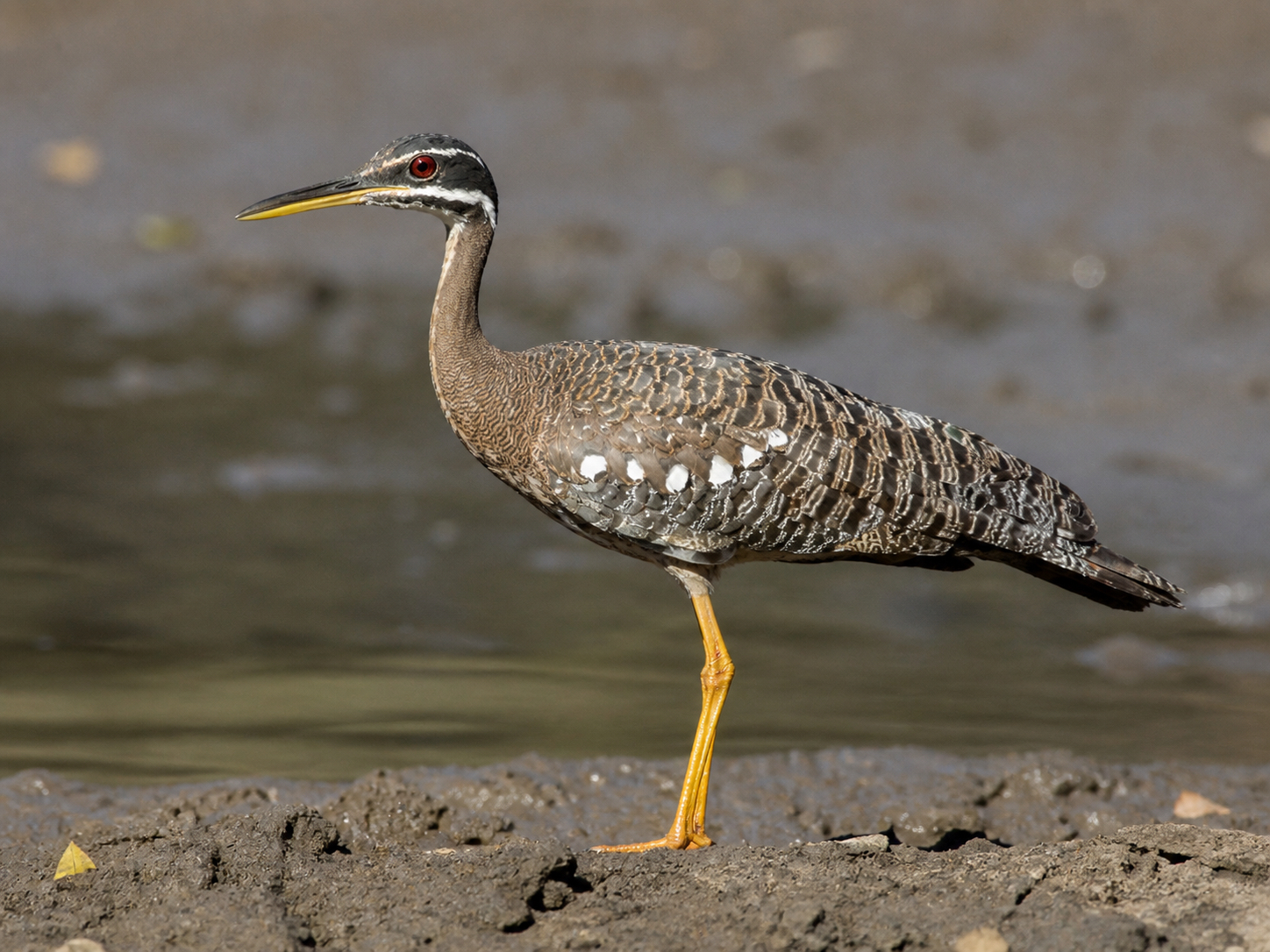


Accommodation
Where you’ll stay


Gallery


Price Details
Our tour prices are based on a tiered pricing model. more guests = lower price, per person. That means the prices go down on a per-person basis as more people book onto a specific tour departure.
Price Base
- Price for 2 people: 12.995 USD (406 USD / day)
- Price for 3 to 4 people: 10.995 USD (344 USD / day)
- Price for 5 to 6 people: 9.995 USD (312 USD / day)
- Price for 7 to 8 people: 7.995 USD (250 USD / day)
** Prices are based on double occupancy / twin share basis.
Included
- Hotels mentioned in the program
i
Hotels mentioned in the program- Royal Rio Palace Hotel — 2 nights · Uncategorized Hotel
- Viale Cataratas Hotel, Foz do Iguaçu — 2 nights · Uncategorized Hotel
- Casa Di Vina, Salvador — 3 nights · Uncategorized Hotel
- Estalagem do Alcino, Lençóis — 6 nights · Uncategorized Hotel
- Hotel in Vale do Capão (TBD) — 1 night · Uncategorized Hotel
- Vale do Pati Native Family Homes (TBD) — 4 nights · Uncategorized Hotel
- Hotel Luzeiros — 3 nights · Upscale Hotel
- Morada das Dunas Atins — 1 night · Uncategorized Hotel
- Canto de Atins Village Hammocks (TBD) — 1 night · Uncategorized Hotel
- Oásis da Baixa Grande Hammock Camp (TBD) — 1 night · Uncategorized Hotel
- Oásis Queimada dos Britos Hammock Camp (TBD) — 1 night · Uncategorized Hotel
- Betânia Hammock Network (TBD) — 1 night · Uncategorized Hotel
- Hotel in Cuiaba (TBD) — 1 night · Uncategorized Hotel
- Hotel Porto Jofre Pantanal Norte — 4 nights · Ecolodge
- Transportation included
i
Included transportation- Car, SUV or minivan
- Meals indicated in the program: 31 breakfasts, 29 lunchs, 31 dinners
- 1 cocktail before dinner
- Water is included
- Professional photographic guidance & instruction by Tristan Quevilly
- 1h skype session of photo editing in Lightroom or Photoshop
- Restaurant gratuities / tips
- Pre-trip planning assistance
- Detailed trip notes with practical information and cultural insights
- Access to Remote Expeditions custom travel app
Not Included
- Lunch on day 5, day 21 and day 25
- Tips
- International flights
- Private airport transfers outside the scheduled group transfers are not included. If you arrive or depart separately from the group, please arrange and pay for your own transfer.
- Travel, Medical & Cancellation insurance
- Additional drinks and meals
- Expenses not specified in the program
- Camera Equipment
Deposit
-
30% (2.999 USD approx)
i
Your depositThe deposit is used to secure services for your trip, such as hotels and flights.
Payment Options
- Bank Transfer (Recommended): Free
- Credit / Debit Card: Secure payment via Revolut. A 3% processing fee applies.
Booking Conditions
- Deposit: 30% to secure your booking
- Final payment: Due 90 days before departure
- Cancellation more than 90 days before departure: Deposit retained as a 4-year travel credit
- Read the full Terms & Conditions ↗
Services to Expect
Jaguar Safari Photography Guide
Summary: Cuba offers an unparalleled visual feast for photographers, boasting a unique blend of colonial architecture, vibrant street life, classic cars, and stunning natural landscapes, making it an ideal destination for a dedicated photography tour.
Timeless Architecture and Urban Scenes
Wander through the cobblestone streets of Havana’s Old Havana, a UNESCO World Heritage site. Capture the essence of crumbling colonial facades, colorful buildings, and the daily lives unfolding in its plazas.
- Focus on the intricate details of balconies, doorways, and weathered walls.
- Photograph the iconic Plaza Vieja and Plaza de la Catedral for their architectural grandeur.
- Explore the vibrant Malecón seawall, especially during golden hour for dramatic light.
The Iconic Classic Cars
Cuba’s streets are a living museum of vintage American automobiles. These brightly colored, iconic cars are a photographer’s dream, offering endless opportunities for dynamic shots.
- Capture these classic beauties in motion or parked against colorful backdrops.
- Experiment with different angles and compositions to highlight their unique designs.
- Look for opportunities to photograph locals interacting with these vintage vehicles.
Vibrant Culture and People
The heart of Cuba lies in its people. Engage with locals and capture their stories, from musicians playing in the streets to the lively atmosphere of local markets and dance performances.
- Seek permission before photographing individuals, especially in close-up portraits.
- Document the energy of street musicians, dancers, and everyday interactions.
- Explore the markets for colorful produce, local crafts, and candid moments.
Diverse Natural Landscapes
Beyond the cities, Cuba presents breathtaking natural beauty, from the lush valleys of Viñales to pristine beaches and dramatic coastlines.
- Photograph the iconic mogotes (limestone karsts) of Viñales, often shrouded in morning mist.
- Capture the serene beauty of Cuba’s beaches and turquoise waters.
- Explore opportunities for landscape photography in national parks and rural areas.
Unique Light and Atmosphere
Cuba’s tropical climate provides unique lighting conditions throughout the day, from the soft, diffused light of early morning to the dramatic, warm hues of sunset. This, combined with the island’s palpable atmosphere, creates a truly inspiring photographic environment.
Meals and Dietary Needs
Dining in the Atlantic Forest
Because bird photography requires us to be in the field during the best light, most of your meals on this tour will be enjoyed directly at our specialized eco-lodges. These lodge kitchens specialize in home-style, locally sourced cooking that is both comforting and convenient, saving you from long drives to town between photography sessions. On travel days, we may stop at local road-side restaurants to experience authentic regional fare.
Typical Brazilian Fare
Meals in Brazil are hearty, flavorful, and excellent for keeping your energy up during long days with your camera. A typical lunch or dinner features:
- Staples: Fluffy white rice and savory black or brown beans form the foundation of almost every Brazilian meal.
- Proteins: Freshly prepared grilled chicken, beef, or pork, seasoned simply with garlic and herbs.
- Fresh Produce: An abundance of fresh salads and tropical fruits—such as papaya, mango, pineapple, and guava—served daily, especially at breakfast.
Vegetarian and Dietary Accommodations
While Brazil is traditionally a meat-centric country, our partner lodges are highly accommodating to vegetarian, vegan, and gluten-free travelers. Because we operate in remote forest locations, vegetarian options may be simpler than in major cities (often focusing on eggs, cheese, rice, beans, fresh vegetables, and tropical fruits rather than meat substitutes). Please let us know your dietary needs at the time of booking so we can coordinate with the lodge kitchens in advance to ensure you are well-fed and ready for the trails.
Travel Logistics & Meals
Food is a highlight of any trip to Brazil, and your tour is designed to let you experience it without fuss. You won’t be eating standard tourist fare. Instead, expect a genuine taste of regional Brazilian cuisine, tailored to your daily activities.
Lodges & Wildlife Tours: During birding and wildlife-focused legs, your meals are typically included at the lodge. These are often the culinary highlight of the trip—hearty, well-prepared dishes featuring local ingredients. Think fresh fish, tropical fruits, and traditional stews, served family-style in a relaxed setting.
Exploration & Trekking Tours: On days when you are actively exploring by vehicle or on foot, the rhythm changes. Expect a substantial local lunch at a trusted, simple restaurant or roadside spot. This is where you’ll try authentic prato feito (set meals), grilled meats, beans, rice, and fresh salads. Dinners are typically at well-chosen local addresses—good restaurants that offer quality without being overly formal.
Key Practical Points:
- Breakfast is almost always included and varies from fresh breads and fruits to heartier options.
- Dietary restrictions? Let us know at booking. Lodges are generally flexible; city restaurants can accommodate most needs with advance notice.
- Street food is abundant and safe in the areas we visit—try a pastel or fresh coconut water, but use common sense.
- Hydration is key. Your guide will ensure you have access to clean drinking water throughout the day.
Transportation: What to Expect
Getting around Brazil is part of the adventure, and we handle the logistics so you can focus on the experience. Here’s the practical reality of moving between destinations and activities.
Vehicle Travel: Most touring is done in comfortable, air-conditioned minivans or 4×4 vehicles, depending on group size and terrain. Roads vary—expect smooth highways between major cities and rougher, unpaved tracks when heading into remote lodges or national parks. Your driver is experienced with local conditions. Travel times can be longer than maps suggest due to road conditions and traffic, but we build in buffer time.
Domestic Flights: For longer distances (e.g., between the Pantanal and the Amazon), we use scheduled domestic flights. These are pre-booked and included in your tour cost. Be prepared for luggage weight limits (typically 23 kg checked, 8 kg carry-on) and potential delays during rainy season.
Boat Transfers: In the Amazon and Pantanal, boats are essential. These are motorized, covered, and safe. You’ll be on the water for wildlife spotting, not just transport. Expect basic seating and sun protection.
What This Means for You:
- Pace yourself. Some days involve early starts and long drives to reach remote highlights.
- Pack a small day bag for essentials (water, camera, layers) as your main luggage stays in the vehicle.
- Motion sickness? Bring medication if you’re prone, especially for boat rides and winding mountain roads.
- Your guide manages all transitions—you simply follow their lead. No rental car stress, no navigation worries.
Meals
What’s Included and What’s on Your Own
To give you the perfect balance of convenience and culinary freedom, daily breakfast is fully included at your accommodations. For lunches and dinners, we leave most days open so you can explore Brazil’s vibrant food scene at your own pace. Your tour leader will always be on hand to recommend the best local spots, from casual beachside kiosks to high-end dining.
The Brazilian Dining Experience
Brazilian cuisine is diverse, hearty, and incredibly flavorful. Here is what you can look forward to on the ground:
- Churrasco (Barbecue): Brazil is world-famous for its slow-cooked, skewered meats. You will have plenty of opportunities to visit traditional rodízio-style steakhouses where carvers bring cuts directly to your table.
- “Por Kilo” Buffets: A staple of Brazilian daily life, these pay-by-weight buffet restaurants offer an incredible variety of hot dishes, salads, and meats. It is the perfect, budget-friendly way to sample local dishes at lunch.
- Fresh Tropical Fruits: Expect an abundance of fresh juices, acai bowls, and exotic fruits like mango, papaya, and passionfruit, especially during your included breakfasts.
Dietary Requirements & Allergies
While Brazil is a paradise for meat lovers, vegetarians and travelers with dietary restrictions can still eat very well. The widespread por kilo buffets offer an abundance of fresh salads, rice, beans, and vegetable dishes, making it easy to control what goes onto your plate. If you are vegan or have severe gluten allergies, please notify us upon booking so we can advise our local guides to assist you with menu translations and selections.
Water and Food Safety
To ensure a comfortable trip, we recommend drinking bottled or filtered water, which is cheap and readily available everywhere. Ice in established restaurants and hotels is made from purified water and is perfectly safe, as are fresh salads and peeled fruits in the venues selected for this tour.
Transportation and Road Conditions
Navigating the Atlantic Forest Terrain
To reach the best bird photography hotspots, we must venture off the beaten path. The Atlantic Forest features rugged, mountainous terrain, and many of the roads leading to our target lodges and reserves are unpaved, steep, and can become muddy or bumpy. While the bumpy rides are a necessary trade-off for accessing pristine habitats, they require a reasonable level of physical tolerance for motion and uneven roads.
Our Vehicles and Expert Drivers
Your safety and comfort—along with the protection of your camera gear—are our top priorities. For the rougher and more remote stretches of this tour, we utilize rugged, air-conditioned 4×4 vehicles specifically suited for challenging terrain. You will be accompanied by highly experienced, professional local drivers who know these forest roads intimately and navigate them with the utmost care.
Drive Times and Logistics
Connecting the diverse ecological zones of the Atlantic Forest requires some long drives between lodges, occasionally lasting four to six hours. We plan these transfers with plenty of stops, but we highly recommend keeping your essential camera gear securely packed in padded bags to cushion it from vehicle vibrations. If you are prone to motion sickness, please prepare accordingly with appropriate remedies for the winding mountain roads.
Private Minivan Service
This tour gets you from point A to point B in a comfortable, private minivan with your own dedicated driver. It is not a luxury limousine service, but it is reliable, air-conditioned, and designed for practical, stress-free travel. Think of it as your group’s personal ride for the entire journey.
What This Means for You
You will not be navigating buses, hailing taxis, or renting a car. Your driver handles all the roads, traffic, and parking. This gives you back time to relax, look out the window, or chat with your travel companions. The minivan is spacious enough for your group and luggage, but keep in mind that this is a straightforward vehicle, not a VIP coach.
Key Practical Details
- Private & exclusive: The van and driver are for your group only. You will not share the ride with strangers.
- Comfortable but basic: Expect standard seats, good air conditioning, and clean conditions. Do not expect onboard entertainment, Wi-Fi, or reclining seats.
- Driver, not a guide: Your driver is a professional and knows the routes, but they do not provide guided commentary. Your full itinerary packet will include all navigation and stop details.
- No surprises: All transfers between destinations within the tour are included. You will not face extra charges for standard driving time or mileage.
When This Matters Most
If you value convenience over flash, this is a perfect fit. You trade a little glamour for a lot of ease. The main trade-off is that you are on the driver’s schedule, not your own. However, for a 15-day tour covering multiple regions, having a constant, dependable vehicle waiting for you removes the biggest logistical headache of traveling in Brazil.
Transportation
Domestic Flights & Luggage Limits
Brazil is a continent-sized country, so we utilize internal flights to connect major destinations efficiently. These domestic flights are included in your tour package. However, please keep in mind that local airlines enforce stricter luggage limits than international carriers. Your checked bag must not exceed 23 kg (50 lbs), and carry-on bags are limited to 10 kg (22 lbs). Packing light will ensure hassle-free transit days.
Private, Air-Conditioned Road Travel
For ground transfers and day excursions, you will travel in private, modern, air-conditioned mini-buses or motorcoaches reserved exclusively for our group. While major highways are well-maintained, some routes—especially those leading to coastal towns or national parks—can be winding or bumpy. If you are prone to motion sickness, we recommend bringing your preferred remedy.
Water Transits and Boat Transfers
Many of Brazil’s highlights require getting out on the water. Depending on your specific route, you may board speedboats, schooners, or motorized canoes (particularly in the Amazon or coastal regions). These transfers are highly scenic but require a basic level of mobility to step on and off the vessels safely, sometimes from wet docks or sandy beaches.
At-a-Glance Transport Facts
- Travel Times: Brazil is vast. Expect a few longer travel days of 4 to 6 hours, combining flights and road transfers to reach more remote highlights.
- Climate Control: All our private road vehicles are fully air-conditioned to keep you comfortable in the tropical heat.
- Boarding Accessibility: You should be comfortable boarding domestic aircraft via stairs on the tarmac and stepping into small boats.
Practical Information
Safety
Our Built-In Safety Net
While Brazil often gets mixed press regarding safety, traveling on a structured tour significantly minimizes your risks. From the moment you land, we have vetted every step of your journey. You will be accompanied by professional local guides who know the neighborhoods intimately, and all major transfers are handled via private, secure transport. We only book accommodations in well-lit, reputable areas with 24/7 security, giving you a safe haven throughout your trip.
Staying Smart on the Ground
Most visits to Brazil are completely trouble-free, but opportunistic street crime (like pickpocketing) does occur in major cities. To ensure a seamless trip, we ask our travelers to adopt a few simple habits:
- Leave the valuables at home: Keep expensive jewelry, high-end watches, and flashy accessories at home. A simple rule of thumb is to look low-key.
- Smart phone usage: Avoid walking down the street with your phone in your hand. If you need to check maps or take a photo, step into a shop, lobby, or cafe first.
- Card security: We recommend using a secure crossbody bag or money belt, and keeping a digital copy of your passport on your phone while leaving the physical document in your hotel safe.
Health and Medical Preparation
Your physical well-being is just as important as your personal security. Before booking, please keep the following in mind:
- Vaccinations: Depending on your specific destination within Brazil (such as the Amazon basin or certain rural areas), a Yellow Fever vaccination may be highly recommended or required for entry. Check with your local travel clinic at least six weeks before departure.
- Water and Food Safety: To avoid any travel bugs, we advise drinking bottled or filtered water throughout the trip. Your guide will always point out safe, vetted dining options during your free time.
Is this tour right for you?
If you want to experience the vibrant culture, beaches, and nature of Brazil but feel hesitant about navigating the logistics and safety nuances on your own, this tour is the perfect fit. We provide the structure and local expertise so you can travel with peace of mind. However, if you are uncomfortable with basic urban safety precautions or the sensory bustle of major South American cities, you may want to speak with one of our travel specialists before booking.
Weather in June / July / August
Winter in the Tropics: An Overview
June, July, and August mark the winter season in the Southern Hemisphere. However, “winter” in Brazil is vastly different from North America or Europe. For most of the country, this period brings some of the most pleasant weather of the year, characterized by lower humidity, minimal rainfall, and highly comfortable temperatures.
Regional Weather Variations
Because Brazil is continental in size, the weather varies significantly by region during these months. Here is what you can expect on our typical routes:
- Rio de Janeiro & the Southeast: Expect beautiful, spring-like weather. Daytime temperatures usually hover around 24°C (75°F) with plenty of sunshine, cooling down to a comfortable 18°C (64°F) at night. It is ideal for sightseeing and walking tours without the stifling summer heat.
- Iguazu Falls: Located further south, Iguazu is notably cooler. Highs reach about 22°C (72°F), but evenings can drop to 13°C (55°F) or lower. You will definitely want to pack layers for early morning excursions.
- The Amazon & Pantanal: This is the dry season. While still warm, rainfall is at its lowest. In the Pantanal, lower water levels concentrate wildlife around remaining water sources, making this the absolute best time of year for spotting jaguars and exotic birds.
Quick Packing Tips for This Season
To stay comfortable throughout your journey, we recommend packing with versatility in mind:
- Bring breathable, lightweight clothing for warm afternoons.
- Pack a medium-weight jacket or sweater and long pants for cooler evenings in Rio and Iguazu.
- Do not forget high-quality sunscreen and polarized sunglasses, as the winter sun remains very bright.
A Note on the Iguazú Falls Day Trip to Argentina
To experience the full grandeur of Iguazú, we will cross the border for a day trip to the Argentinian side of the falls. Please be aware that this involves a formal international border crossing. You must carry your passport with you, and it will be processed and stamped by immigration officials from both Brazil and Argentina. While some travelers on day tours may occasionally experience an expedited process, all participants must be prepared for standard immigration procedures. Our team will facilitate the crossing to ensure it is as smooth and efficient as possible.
Power & Connectivity
Electricity & Plug Types
Brazil can be a bit unique when it comes to powering your devices. The country uses two different voltages—127V and 220V—depending on the state and sometimes even the specific hotel. While most modern smartphones, laptops, and camera chargers are dual-voltage (110V-240V) and will work safely on both, you should double-check high-draw appliances like hair dryers or straighteners before plugging them in.
The standard socket in Brazil is Type N, which features three round pins. This outlet is also compatible with the common European Type C plug. To ensure you can charge your devices anywhere on the tour, we highly recommend bringing a universal adapter.
Internet & Mobile Coverage
Staying in touch with family or sharing your travel photos is easy in Brazil, but coverage varies by location:
- Wi-Fi: You will find complimentary Wi-Fi at almost all of our tour hotels, as well as in modern cafes and restaurants in major cities.
- Mobile Data: For seamless connectivity on the go, we recommend activating an international roaming plan or purchasing an eSIM before you arrive. Local physical SIM cards can also be purchased at major airports.
- Remote Areas: If our itinerary takes us into deeper nature reserves or remote regions, expect cellular service to be limited or temporarily unavailable. It is a great opportunity to unplug and enjoy the surroundings.
Power and Connectivity
Electricity & Charging Your Gear
Keeping your camera batteries charged is critical for a successful photography tour. Brazil primarily uses Type N electrical outlets (three round pins), which also accommodate the standard European Type C plug. You will need a plug adapter to fit your equipment into these outlets.
Voltage in Brazil is not standardized. Most major cities and some lodges operate on 110V, while others—especially remote eco-lodges in the Atlantic Forest—run on 220V. While most modern camera battery chargers and laptops are dual-voltage (100V-240V), you must verify this on your specific devices before plugging them in. To ensure you are always ready for the field, we highly recommend bringing:
- At least two Type N plug adapters.
- A compact power strip or multi-port USB charger, allowing you to charge multiple camera batteries and devices simultaneously from a single lodge outlet.
- Several spare camera batteries, as remote charging stations can occasionally be in high demand.
Internet & Cell Coverage in the Field
Our search for rare and endemic bird species takes us deep into the Atlantic Forest. While this isolation offers unparalleled photography opportunities, it also means connectivity is highly limited.
Many of our remote field locations and forest lodges have weak cell service or no coverage at all. Wi-Fi, if available, is often restricted to common areas, relies on satellite connections, and can be slow or intermittent. We recommend preparing to be offline for several days at a time. Please plan to handle any heavy data uploads (such as backing up raw photos to the cloud) before or after the tour, and advise family or clients of your limited connectivity during the journey.
Vaccines
Yellow Fever Vaccination
While Brazil does not universally require a Yellow Fever vaccine certificate for all incoming travelers, it is highly recommended for most visitors due to the regional destinations featured in our itineraries. Additionally, if you are entering Brazil from a country with a risk of Yellow Fever transmission (including several neighboring South American and African nations), you will be required to present an International Certificate of Vaccination or Prophylaxis (ICVP) upon arrival.
Recommended Routine & Travel Vaccines
To ensure a safe and worry-free journey, health authorities generally advise that travelers to Brazil are up-to-date on standard routine immunizations, as well as the following travel-specific vaccines:
- Hepatitis A: Highly recommended for all travelers to prevent food and water-borne transmission.
- Typhoid: Recommended for most travelers, particularly those who enjoy sampling local street food or visiting smaller towns.
- Hepatitis B & Tetanus: Ensure your routine boosters are current before departure.
When to See a Travel Doctor
We strongly recommend scheduling a consultation with a travel clinic or your healthcare provider at least 4 to 6 weeks before your trip. Some vaccines require multiple doses spaced weeks apart, or take time to become fully effective in your system. This visit is also the perfect time to discuss prescription preventative measures for mosquito-borne illnesses, such as Malaria, depending on your personal medical history and any pre- or post-tour independent travel plans.
Brazil Visa & Entry Requirements
Entry requirements for Brazil vary depending on your nationality.
- For U.S. Citizens: Effective since April 10, 2025, Brazil require U.S. citizens to obtain an electronic visa (e-visa) prior to arrival. This must be applied for and approved online before you travel. We recommend starting this process well in advance.
- For E.U. & U.K. Citizens: Citizens of the European Union and the United Kingdom generally do not need a visa for tourist stays of up to 90 days.
For all travelers, it is essential that your passport is valid for at least six months beyond your planned departure date from Brazil. As regulations can change, we strongly advise you to personally verify the latest entry requirements with the official Brazilian consulate or embassy in your country of residence.
Visas and Entry Requirements
Passport Validity Requirements
Before booking your spot on our Atlantic Forest photography adventure, please check your passport’s expiration date. To enter Brazil, your passport must be valid for at least six months from your date of arrival and contain at least two blank pages for entry stamps.
New Visa Rules for US, Canada, Australia, and Japan Citizens
If you hold a passport from the United States, Canada, Australia, or Japan, you are now required to obtain a visa to enter Brazil. Fortunately, the process is fully digital, meaning you do not need to visit a consulate or mail in your physical passport.
The E-Visa Process
The electronic visa (e-visa) is a convenient online application that connects directly to your passport. To ensure a smooth journey, keep these key details in mind before booking your tour:
- Apply in Advance: We highly recommend submitting your online e-visa application at least 30 days prior to your departure to allow ample time for processing.
- Simple Documentation: You will only need to upload a few digital documents, including your passport bio page, a standard passport-style photo, and your flight confirmation.
- Long-Term Validity: Once approved, the e-visa allows for multiple entries over several years (depending on your nationality), giving you plenty of time to return for future South American photography trips.
Travelers holding passports from the United Kingdom, the European Union, and New Zealand do not currently require a visa for tourist stays of up to 90 days. If you hold citizenship in any other country, please verify your specific visa requirements with your local Brazilian consulate before reserving your spot.
Field Etiquette and Hide Behavior
What to Expect in the Hides
The lush Atlantic Forest of Brazil offers some of the most spectacular bird photography on Earth, largely thanks to a network of established feeding stations and specialized photography hides. To capture tack-sharp, natural shots of dazzling tanagers, toucans, and hummingbirds, we operate under a strict code of field etiquette. Understanding these expectations beforehand will help you decide if this style of photography aligns with your travel preferences.
Key Rules for Photographic Success
To ensure the best photographic opportunities for everyone in the group and to maintain the welfare of the birds, all participants must adhere to the following guidelines:
- Absolute Silence and Stillness: Birds are highly sensitive to sudden movements and unfamiliar sounds. Inside the hides, you will need to practice patience, speak only in low whispers, and transition your camera gear slowly and smoothly.
- Respecting the Setup: Feeding stations and perches are meticulously arranged by local experts to maximize natural light and clean backgrounds. Please do not alter, move, or add elements to the setups without explicit permission from your guide.
- Minimizing Bird Disturbance: Our priority is the well-being of the wildlife. The use of flash, artificial lights, and bird call playbacks is strictly controlled and only permitted under the direct supervision of your professional guide.
- Deferring to Your Guide: Our local guides understand the unique temperaments of the Atlantic Forest species. Following their real-time instructions regarding positioning, lens movement, and quiet periods is essential for securing the best shots for the entire group.
Is This Tour a Good Fit for You?
This itinerary is designed for dedicated photographers who find joy in the quiet anticipation of wildlife behavior. If you enjoy sitting comfortably but quietly for extended periods to get the perfect shot, you will thrive on this tour. However, if you prefer high-energy hiking or find it difficult to remain still and silent in close quarters with other photographers, this specialized hide-based tour may not be the ideal fit.
Getting in Shape
This is a bird-photography tour rather than a demanding trek, but you will walk on uneven ground, sometimes at altitude, and spend time standing with your camera.
Regular walking, gentle hiking or cycling in the weeks before departure will help. If possible, practice with the daypack and camera equipment you expect to carry.
Travel Insurance
Comprehensive travel insurance is strongly recommended. Check that your policy covers medical care, emergency assistance, trip interruption and the activities included in your itinerary.
Review the conditions before travelling and keep the assistance details accessible during the tour.
Camera Gear and Field Equipment
Essential Lenses and Camera Bodies
The dense canopy and fast-paced action of the Atlantic Forest demand specialized gear. To capture stunning, detailed shots of colorful tanagers, hummingbirds, and toucans, we highly recommend a long lens in the 400mm to 600mm range (or a 300mm lens paired with a high-quality teleconverter). Because we will be operating in a humid tropical rainforest where sudden downpours are common, weather-sealed camera bodies are strongly advised to protect your investment and keep you shooting through passing showers.
Support and Stability
Shooting beneath the forest canopy often means working in challenging, low-light conditions where slower shutter speeds are necessary. To ensure sharp images, a sturdy tripod is essential. A tripod equipped with a gimbal head is highly recommended for tracking birds smoothly, especially at our dedicated photography blinds and feeding stations.
Moisture Protection and Maintenance
The Atlantic Forest is spectacularly lush because of its moisture. Protecting your gear from high humidity and sudden rain is key to a successful shoot. Be sure to pack:
- Rain covers: High-quality, quick-deploy rain covers designed specifically for your camera body and long telephoto lenses.
- Silica gel packs: Place several large silica gel sachets in your camera bag to absorb ambient moisture and prevent lens fogging overnight.
- Lens cloths: Bring an abundant supply of microfiber lens cloths to quickly wipe away condensation, mist, and water droplets while in the field.
Storage and Power
With incredible bird activity at our active feeding stations, you will easily shoot thousands of frames a day. Ensure you bring plenty of high-capacity, fast memory cards to handle high-speed burst shooting. Don’t forget to pack multiple spare batteries, as the damp forest air can sometimes deplete battery life faster than normal.
Clothing and Weather Protection
What to Pack for the Atlantic Forest
The Atlantic Forest is humid, unpredictable, and full of life. Your clothing choices will directly impact your comfort and success in the field. The golden rule is lightweight and quick-dry. Cotton traps moisture and chafes; synthetics or merino wool will keep you comfortable through sudden downpours and sweaty hikes.
Core Clothing Strategy
- Long sleeves and pants are non-negotiable. They protect against sun, biting insects, and scratchy undergrowth. Choose light colors (tan, olive, khaki) to stay cooler and blend into the environment.
- A reliable waterproof jacket is essential. Afternoon rain is common, and a breathable shell lets you keep shooting without overheating.
- A wide-brimmed hat shields your face and neck from intense equatorial sun and keeps rain off your lens when paired with a jacket hood.
- Sturdy, closed-toe hiking shoes with good grip are critical for muddy trails. Waterproof boots are a strong advantage.
Protection You Shouldn’t Skip
Mosquito repellent (with DEET or Picaridin) is mandatory, especially at dawn and dusk. Reapply after sweating. Sunscreen is equally vital—the tropical sun burns fast even under cloud cover. Bring a small pack for quick reapplication between birding stops.
Pro Tip for Photographers
Consider a lightweight, packable rain cover for your camera bag. A dry lens is a happy lens. Also, a buff or bandana can double as a sweatband and neck protection.
Photography Gear
Luggage Limits and Portability
Internal flights within Brazil enforce strict weight limits, typically allowing only 10kg (22 lbs) for carry-on baggage. Since you will want to keep your expensive camera gear with you at all times, we highly recommend a compact, lightweight setup. A single versatile zoom lens (such as a 24-70mm or 24-105mm equivalent) is often much more practical than carrying multiple heavy prime lenses.
Protecting Your Gear from the Elements
Whether we are misted by the spray of Iguaçu Falls, navigating the humid Amazon basin, or kicking up dust in the Pantanal, Brazil’s diverse environments demand gear protection. To ensure your equipment survives the journey, make sure to pack:
- A high-quality dry bag: Essential for boat excursions to protect your camera from sudden downpours or splashes.
- Lens cleaning supplies: Pack plenty of microfiber cloths and a blower brush, as humidity and dust can quickly smudge your glass.
- Silica gel packets: Keep these in your camera bag to absorb excess moisture in humid tropical regions.
Safety and Discretion
While Brazil is a photographer’s dream, safety requires a common-sense approach, especially in bustling cities like Rio de Janeiro or Salvador. We advise bringing a non-descript camera bag that does not scream “expensive equipment.” A simple backpack or messenger bag is ideal for keeping your gear secure and out of sight when not actively shooting.
Power and Voltage Compatibility
Brazil uses Type N (and sometimes Type C) outlets, and the voltage varies by region, ranging from 127V to 220V. Before you depart, verify that your camera battery chargers are dual-voltage (100-240V) and pack a universal adapter so you never miss a shot due to a dead battery.
General Packing List
The Golden Rule: Pack Light and Layer
Brazil’s climate varies dramatically by region and season. Whether you are exploring the tropical north, strolling the streets of Rio, or visiting the cooler southern regions, the key is versatile layering. Opt for breathable, quick-drying fabrics that keep you cool in the humidity but can be layered if temperatures drop in the evening.
Internal Flight Luggage Limits
If your tour includes domestic flights within Brazil, please note that local airlines enforce strict luggage limits. Typically, you are allowed one checked bag up to 23 kg (50 lbs) and one cabin bag up to 10 kg (22 lbs). We highly recommend using a lightweight, durable suitcase or duffel bag with wheels to make transit seamless.
Essential Footwear
You do not need heavy hiking boots unless you plan on extreme trekking. For this tour, we recommend:
- Comfortable walking shoes or sneakers with good grip for city tours and light nature walks.
- Sturdy sandals for warmer days.
- A pair of flip-flops (though you can easily buy world-famous Havaianas locally!).
Power and Electronics
Brazil uses Type N and Type C outlets. The voltage is not uniform across the country—some cities use 110V while others use 220V. We recommend packing a universal adapter and checking if your personal electronics are dual-voltage before plugging them in.
Detailed Trip Notes, including practical tips, cultural insights, and a complete packing list will be sent to you 60 days before departure.
Booking this tour means you agree to our full Terms and Conditions. Below is a summary of the key points. As life is unpredictable, we strongly recommend purchasing comprehensive travel insurance.
- Deposit: A 30% deposit is required to secure your booking. This deposit is refundable for 7 days (less transaction fees), after which it becomes a non-refundable credit, transferable to a future tour offered by Remote Expeditions within 4 years of the cancellation date, less any non-recoverable costs already paid on your behalf.
- Final Payment: The remaining balance is due 90 days before the tour begins.
- Cancellation more than 90 days before departure: You will receive a full refund of any payments made, except for the 30% deposit. Your deposit will be converted into a travel credit valid for 4 years on a future tour Remote Expeditions.
- Cancellation within 90 days of departure: 100% of the tour price is forfeited. There are no refunds or credits.
* This is a summary only. Please read our complete
Terms and Conditions
for full details before booking.
** We strongly recommend all travelers purchase comprehensive travel insurance that covers trip cancellation, medical emergencies, and other unforeseen events.
A few kind words
Colombia Photography Tour 2026
Top notch photographic experience for enthusiasts of nature, culture, and portraits. Tristan is well connected to the area and the local communities with a specialty in indigenous tribes and less-visited areas. Additionally, he is an excellent teacher and will provide incredibly helpful instruction on exposure, lighting, and composition. Our tour was incredibly well organized and ran on time, with full days of photography. I fully recommend Remote Expeditions for your photographic travels!

You are in good hands with Tristan!
Tristan does an amazing job at putting together a culturally rich experience. He also does a great job at adapting to his clients needs and interests. He responds well to feedback. He is both professional and personable. I feel as though I had the opportunity not only to photograph many different elements of Colombia, but that I truly experienced the country and its culture. Our adventure took us from birding in the mountains outside of Cali, to visiting remote indigenous tribes, to visiting active fishing villages, to learning about local and historical musicians and customs, to beautiful settings in the mountains and along the seashore.
I give Tristan the highest recommendation as a guide for Colombia.

Colombia Birding Tour
I visited Colombia with Tristan of Remote Expeditions and would highly recommend him. He put together a wonderful itinerary with great knowledge of the areas and attention to details to give us a wonderful sampling of the country. He is personally very gentle and fun by nature and you will return home feeling very happy and satisfied. Whatever your special interest is, I’m sure he can make an itinerary to exceed your goals.

The difference is in the details
Journeys shaped by experience
Every route is built from time spent in the field: knowing when to linger, when to move on, and which small details are worth noticing.
Room for the unexpected
The best moments are not always on the itinerary. We leave enough flexibility to follow a good conversation, an unusual sighting, or a changing landscape.
Local relationships that open doors
Our journeys are grounded in long-term relationships with people who know their home intimately and are proud to share it in their own way.
A small group, properly looked after
With only a few travellers, decisions remain personal. We can adapt the pace, answer questions, and make sure everyone feels part of the journey.
Your Tour Guide

Tristan Quevilly
Lorem ipsum dolor sit amet, consectetur adipiscing elit. Aenean ac nibh mattis, egestas libero eu, aliquet est. Pellentesque imperdiet vehicula nunc, id auctor est fringilla vehicula. Quisque finibus, nisi nec euismod interdum, lorem sapien convallis dui, vitae fermentum diam nisi quis nisl. Sed pretium sit amet libero sit amet iaculis. Curabitur finibus consequat lorem at convallis. Ut auctor lectus quis metus consectetur viverra. Maecenas id enim sit amet enim ultrices cursus vel a velit. Praesent eget erat in felis consequat pretium vel vel erat. Cras pellentesque leo lacus, ac lacinia turpis aliquet ac. Quisque eu dolor sed justo blandit tincidunt. Morbi auctor, quam eget ullamcorper lacinia, ex ipsum porta enim, in feugiat nisl leo vel mi. Cras magna ligula, aliquam non purus id, blandit tristique justo. Donec ut molestie libero.
- 23 years guiding
- 75K followers
- 16 countries guided in
- 3,000+ activities led
Extend your journey
Optional extensions and add-ons you may consider for your trip. Each can be added to your itinerary on request — just let me know.

Frequently Asked Questions
Most Remote Expeditions journeys are arranged privately, so the pace and rhythm can be shaped around the people travelling together. When a scheduled group departure is offered, it is typically limited to four or five travellers.
No. Photography is one of the ways we observe and connect with a place, but it is not a requirement. Our journeys also welcome travellers drawn to slow travel, wildlife, culture, trekking, landscapes, and genuine encounters. You can join with professional equipment, a simple camera, or just your curiosity.
Every itinerary has its own rhythm. Some journeys are gently paced, while others include long walks, trekking, uneven terrain, altitude, or substantial travel days. The practical details on each tour page explain the expected walking, terrain, altitude, distances, and overall physical level so you can decide whether the journey suits you.
Tristan designs the itineraries and personally leads many Remote Expeditions journeys. Depending on the destination and the character of the trip, trusted local guides, drivers, cultural hosts, or specialist leaders may also join part of the route. This combination gives you direct personal support alongside local knowledge.
Often, yes. Private journeys can usually be shaped around your interests, pace, and available time. Fixed group departures have a defined route and dates, but it may still be possible to arrange additional nights, private extensions, or other travel before or after the main journey. Tell us what you have in mind and we will explain what is practical.


