
Colombia Bird Photography Tour | Coffee Region & Western Andes
From misty coffee fincas of the Eje Cafetero to Cali’s vibrant salsa rhythm—a journey through Colombia’s contrasting heart.
Thirteen days and twelve nights take us through the Coffee Region and Western Andes on a small-group Colombia bird photography tour. With no more than eight participants and an easy physical level, the pace is designed for photographers who want to work slowly with light and composition. We begin in Pereira at a colonial coffee-farm hacienda, then move through cloud forest sanctuaries, high-Andean páramo, and the Chocó foothills.
Each day blends birding and photography: antpitta feeding stations in Río Blanco, hummingbird gardens at Termales del Ruiz, the high trails of Los Nevados and Tatamá, and the forests around Montezuma. Afternoons are spent at forest feeders and quiet trails, guided by local experts and the day’s bird activity. A visit to Hacienda Venecia and a soak in thermal hot springs give the journey a restful rhythm.
Later, near Cali, dawn sessions at La Florida, the Andean Cock-of-the-Rock lek near Doña Dora, and the feeding stations at San Felipe offer intimate encounters with Chocó and Andean birds. We finish at Laguna de Sonso, the Cauca Valley’s largest natural wetland, before returning to Cali airport. Throughout, we keep a calm, flexible approach, leaving room for image review and reflection.
Why Colombia for Bird Photography ?
The World’s Top Destination for Bird Diversity
Colombia is home to over 1,900 bird species—more than any other country on Earth. For photographers, this means an unparalleled variety of colors, behaviors, and species, from dazzling hummingbirds to rare toucanets, often within just a few miles of each other.
Tailored for Photographers, Not Just Birdwatchers
Standard birding tours focus on quick sightings and long checklists. This tour is specifically designed for the patience and setups that photography requires:
- Established Feeder Stations: We visit key private reserves with active feeding stations, allowing you to capture clean, close-up shots of elusive species without deep-jungle trekking.
- Optimized Pace: Instead of rushing to the next trail, we spend quality time at prime locations to wait for the perfect light and natural perches.
- Specialist Local Guides: Our guides understand camera angles, lighting conditions, and bird behavior, helping position you for the best possible shots.
Expedition Highlights


Suitability & conditions
A practical overview of the pace, comfort, and conditions to expect on this journey.
Seasonality
What to expect
- Lodging: Comfortable accommodations with character
- Transportation: Transport in a comfortable minivan with air conditioning
The journey at a glance
Following the route
The journey moves gradually through 5 chapters.
Route shown schematically for orientation.
Detailed itinerary
Pereira
Arrive in Pereira, where guide Tristan meets you at the airport after luggage collection. A transfer brings you to Hotel Hacienda San Jose, a serene colonial hacienda outside the city with lush gardens, a tranquil pool and coffee farm immersion. Check in, settle into your rooms and relax before a tour orientation meeting. Tristan covers the itinerary’s key points and shares initial tips for making the most of your trip through Risaralda’s landscape, followed by dinner.
Key activities
Pereira – Risaralda – Manizales
Check out from Hotel Hacienda San Jose and transfer to Otún Quimbaya Flora and Fauna Sanctuary, where guided forest trails reveal Andean cloud forest and sought-after endemic species such as Cauca Guan, Red-ruffed Fruitcrow and Multicolored Tanager. After lunch, continue to Tinamu Birding and Nature Lodge for an afternoon of feeder and forest bird photography, working with changing light and compositions. The route then transfers to Recinto del Pensamiento for hotel check-in and dinner, closing a day balanced between cloud forest exploration and relaxed birding.
Key activities
-
Birdwatching at Otún Quimbaya Flora and Fauna Sanctuary
-
Feeders & Forest Bird Photography


Manizales
Breakfast is followed by morning birdwatching at Rio Blanco’s Antpitta Feeding Stations, where managed sites offer close views of Bicolored, Chestnut-crowned, Slate-crowned and Brown-banded Antpittas alongside mixed cloud forest flocks. After lunch, afternoon birding continues around the hummingbird and fruit feeders and forest trails, with chances for Long-tailed Sylph, Collared Inca, Bronzy Inca, Tourmaline Sunangel, Masked Saltator, Rusty-faced Parrot and Andean Motmot. Dinner rounds out the day before resting at Estelar Recinto del Pensamiento.
Key activities
-
Antpitta Feeding Stations
-
Cloud Forest Feeders & Trail Birding


Manizales – Villa Maria
After breakfast and hotel check-out, transfer from Recinto del Pensamiento to Hacienda El Bosque for a morning focused on the Equatorial Antpitta at a managed feeding station, with chances to watch for Grey-breasted Mountain-Toucan, mountain tanagers and brushfinches. Continue to Hotel Termales Del Ruiz, check in and relax, then spend time at the hummingbird feeders observing Great Sapphirewing, Shining Sunbeam, Golden-breasted Puffleg and Buff-winged Starfrontlet. Lunch and dinner are included before an overnight stay at Hotel Termales Del Ruiz.
Key activities
-
Equatorial Antpitta Experience
-
Hummingbird Photography at the Feeders of Termales Del Ruiz


Norcasia – Villa Maria – Parque Nacional Natural Los Nevados
After breakfast, explore the high-altitude páramo of Los Nevados National Park from Termales del Ruiz, searching for Buffy Helmetcrest, Rainbow-bearded Thornbill and Rufous-fronted Parakeet amid volcanic scenery. In the afternoon, wander elfin forest trails near the lodge for mountain tanagers, flowerpiercers, brushfinches and the elusive Tawny Antpitta. Lunch and dinner are included before unwinding in the natural thermal pools, surrounded by the Andean landscape, reflecting on the day’s sightings. Overnight at Hotel Termales del Ruiz.
Key activities
-
Birdwatching in Los Nevados National Park (Buffy Helmetcrest Quest)
-
Elfin Forest Birdwatching
-
Relax at the Thermal Hot Springs


Manizales – Pueblo Rico
After breakfast and hotel check-out, transfer to Hacienda Venecia Coffee Farm Experience to walk the plantation and processing areas, learn how coffee is grown and harvested, and finish with a tasting. Continue to Montezuma Rainforest Ecolodge Reserve near Manizales, check in and settle in, then join an arrival birding session around the gardens, feeders and nearby forest, looking for tanagers, toucans and hummingbirds. Lunch and dinner are included before an evening at the cloud forest ecolodge.
Key activities
-
Hacienda Venecia Coffee Farm Experience
-
Arrival Birding at Montezuma Ecolodge


Pueblo Rico
Explore the cloud forests of Tatamá National Park along the Montezuma Road, searching for Gold-ringed Tanager, Black-and-gold Tanager, tapaculos, flowerpiercers, and mountain tanagers. A packed lunch keeps you in the field before continuing through the upper forest, where routes adapt to recent sightings and mixed flocks. The afternoon brings more chances to watch Chocó-Andean specialties in one of the world’s premier birding destinations. The day closes at Montezuma Rainforest Ecolodge Reserve near Manizales, with cloud forest hikes, wildlife, and Andean views.
Key activities
-
High-Elevation Birding in Tatamá National Park
-
High-Elevation Forest Exploration


Pueblo Rico
Birding along the Montezuma Road in Tatamá National Park explores mid-elevation cloud forests alive with Chocó and Andean species, including Toucan Barbet, Black-chinned Mountain Tanager and Orange-breasted Fruiteater. A packed lunch keeps the focus on mixed flocks moving through the canopy. Later, lower-elevation Chocó forests around Montezuma offer a different bird community, with Club-winged Manakin, Beautiful Jay, Chocó Vireo, tanagers, woodcreepers and flycatchers. The day closes at Montezuma Rainforest Ecolodge Reserve near Manizales, surrounded by cloud forest, wildlife and Andean views.
Key activities
-
Mid Elevation Birding in Tatamá National Park
-
Low-Elevation Birding in Tatamá National Park


Pueblo Rico – Dagua
Enjoy a final morning birding around Montezuma, revisiting productive forest trails near the lodge in the Chocó Andes before checking out of Montezuma Rainforest Ecolodge Reserve. Transfer to Pueblo Rico, stop for lunch, then continue to Araucana Lodge. Check in, settle into your room and relax before dinner at the lodge.
Key activities
-
Final Morning Birding at Montezuma
Cali – Dagua
After breakfast and a transfer from Araucana Lodge to La Florida – El Bosque de las Aves, birdwatching begins before sunrise at the feeders, where hummingbirds, tanagers and flowerpiercers gather and the resident Chestnut Wood-Quail may appear. Lunch is followed by an afternoon session focused on the elusive Little Tinamou and forest hummingbirds feeding at flowering plants, with chances of woodcreepers, foliage-gleaners and antpittas. The day closes with a return transfer to Araucana Lodge and dinner.
Key activities
-
Dawn Birdwatching at the Feeders
-
Little Tinamou Observation & Forest Hummingbirds


Dagua – Cali
After breakfast, transfer from Araucana Lodge to the tropical garden at Doña Dora, a renowned birding site between the Western Andes and the Pacific. A short trail leads to a lek where Andean Cock of the Rock males display. Continue birdwatching around the farmhouse with hummingbirds and exotic species, then transfer to San Felipe for guided birding at feeding stations and water mirrors. Return to Araucana Lodge for dinner.
Key activities
-
Andean Cock of the Rock near Doña Dora
-
Birdwatching in Doña Dora farmhouse
-
Birdwatching in San Felipe


Dagua – Buga
After breakfast and hotel check out, transfer from Araucana Lodge to Bosque de Niebla Birding & Nature for an early morning birdwatching exploration of La Elvira’s cloud forests. The route includes a garden lookout and balcony, a 360° observation hide, and a handmade forest hide along internal trails. Continue with a transfer to Buga, check in at Guadalajara de Buga Hotel, then enjoy an evening backup and image review before dinner.
Key activities
-
Birdwatching in Bosque de Niebla
-
Evening backup and image review

Yotoco – Cali Airport
Explore Laguna de Sonso, Colombia’s largest remaining natural wetland in the Cauca Valley, with a local guide along its trails and observation points. Search the lagoons, reedbeds and gallery forest for herons, jacanas, kingfishers, ibises, raptors and migratory birds, with the Ruby-topaz Hummingbird a highlight for birders and photographers. Afterwards, transfer to Cali Airport for your departure, where you are dropped off for your flight home.
Key activities
-
Birdwatching at Laguna de Sonso


Target Species
A curated selection of the iconic species we aim to encounter and photograph throughout our journey.


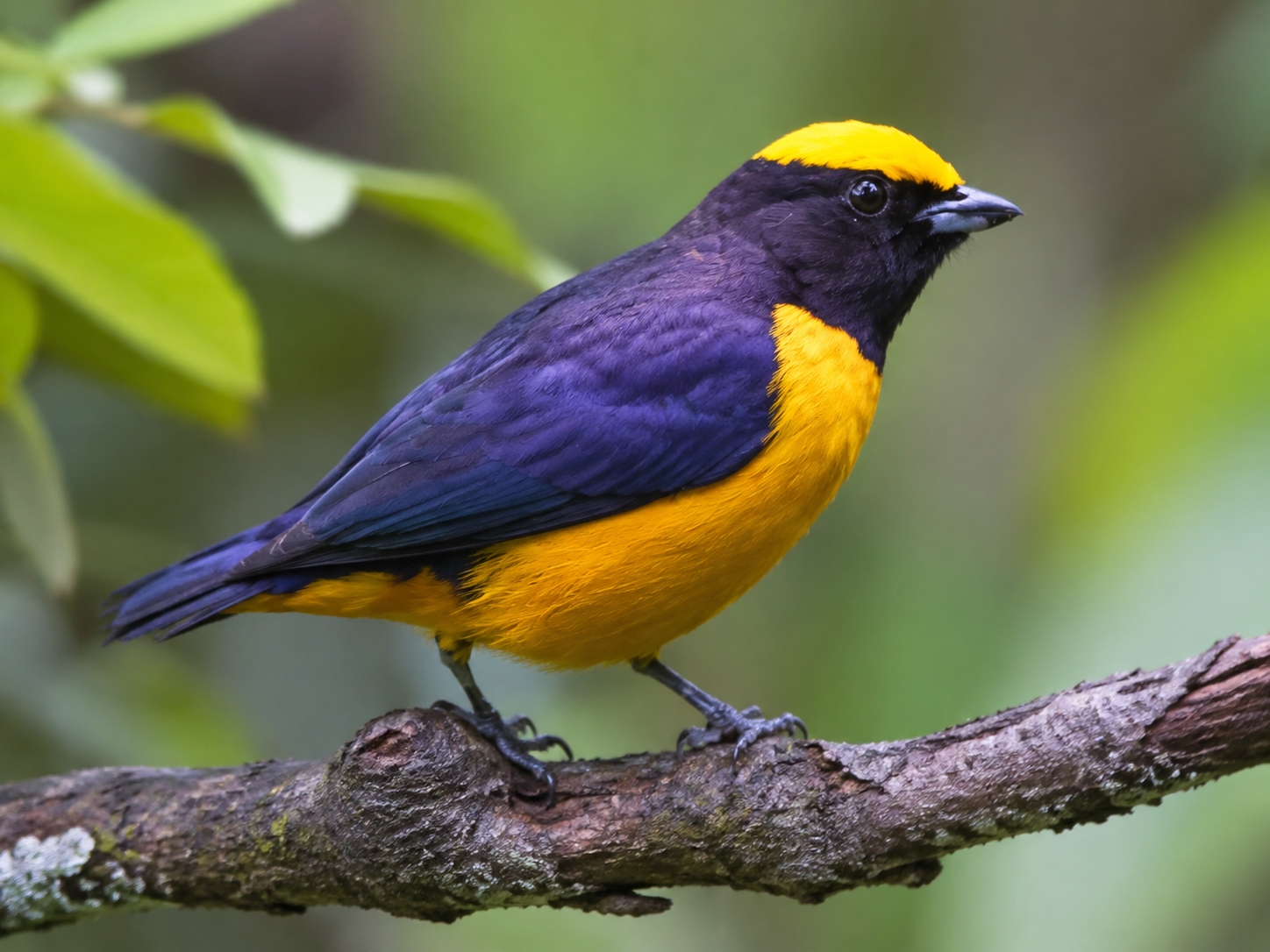
Rufous-throated Tanager
- Avistamiento de aves Doña Dora, Montezuma Road (Middle Section)


Accommodation
Where you’ll stay


Gallery


Price Details
Our tour prices are based on a tiered pricing model. more guests = lower price, per person. That means the prices go down on a per-person basis as more people book onto a specific tour departure.
Price Base
- Price for 2 people: 8.595 USD (661 USD / day)
- Price for 3 to 4 people: 7.495 USD (577 USD / day)
- Price for 5 to 6 people: 5.995 USD (461 USD / day)
- Price for 7 to 8 people: 5.195 USD (400 USD / day)
** Prices are based on double occupancy / twin share basis.
Included
- Hotels mentioned in the program
i
Hotels mentioned in the program- Hotel Hacienda San Jose — 1 night · Historic Hotel
- Estelar – Recinto del Pensamiento — 2 nights · Ecolodge
- Hotel Termales Del Ruiz — 2 nights · Charming Hotel with Character
- Montezuma Rainforest Ecolodge Reserve — 3 nights · Ecolodge
- Araucana Lodge — 3 nights · Ecolodge
- Guadalajara de Buga Hotel — 1 night · Hotel Boutique
- Local guides for selected activities
i
Local guides are included for- Manizales
- Antpitta Feeding Stations
- Hacienda Venecia Coffee Farm Experience
- Norcasia
- Birdwatching in Los Nevados National Park (Buffy Helmetcrest Quest)
- Dagua
- Little Tinamou Observation & Forest Hummingbirds
- Andean Cock of the Rock near Doña Dora
- Birdwatching in San Felipe
- Birdwatching in Bosque de Niebla
- Cali
- Andean Cock of the Rock near Doña Dora
- Birdwatching in Doña Dora farmhouse
- Yotoco
- Birdwatching at Laguna de Sonso
- Manizales
- Transportation in comfortable vehicles (Car / Van, 4x4)
- Meals indicated in the program: 11 breakfasts, 11 lunchs, 12 dinners
- 1 cocktail before dinner
- Water is included
- Professional photographic guidance & instruction by Tristan Quevilly
- 1h skype session of photo editing in Lightroom or Photoshop
- Restaurant gratuities / tips
- Pre-trip planning assistance
- Detailed trip notes with practical information and cultural insights
- Access to Remote Expeditions custom travel app
Not Included
- Breakfast on Departure day, Lunch on Arrival day and Departure day
- Tips
- International flights
- Travel, Medical & Cancellation insurance
- Additional drinks and meals
- Expenses not specified in the program
- Camera Equipment
Deposit
-
30% (1.799 USD approx)
i
Your depositThe deposit is used to secure services for your trip, such as hotels and flights.
Payment Options
- Bank Transfer (Recommended): Free
- Credit / Debit Card: Secure payment via Revolut. A 3% processing fee applies.
Second Participant Discount
- Travelling with a companion who isn't a photographer? Their per-person price is reduced by 350 USD.
Booking Conditions
- Deposit: 30% to secure your booking
- Final payment: Due 90 days before departure
- Cancellation more than 90 days before departure: Deposit retained as a 4-year travel credit
- Read the full Terms & Conditions ↗
Services to Expect
Meals overview
Colombian cuisine is hearty, colorful, and generally mild, with staples such as rice, beans, plantains, arepas, fresh meats, and an incredible variety of tropical fruits and juices. At midday, we typically eat at authentic local restaurants, enjoying simple regional dishes and traditional flavors. In the evening, we allow a more comfortable dining budget to explore Colombia’s more refined and gastronomic cuisine. Vegetarian, vegan, and gluten-free options are readily available in larger cities but can be more limited in rural areas. Please let us know in advance about any dietary restrictions or allergies so we can make the necessary arrangements.


Transportation Overview
Road travel in Colombia is part of the adventure, with routes ranging from modern highways to winding mountain roads and remote rural tracks. Private SUVs are generally used for two travelers, while groups of three or more travel by comfortable minivan. Many of Colombia’s most interesting rural areas are reached by tertiary roads, where conditions can be rough and a 4×4 vehicle is required. Vehicles are selected according to the route, group size, and local conditions to ensure the best balance of comfort and accessibility.


Practical Information
Safety in Colombia
Is Colombia safe for travelers?
Yes, Colombia is a vibrant and welcoming destination. While the country’s past still lingers in popular media, the modern reality is vastly different, with millions of international tourists visiting safely each year. Like any major global destination, safety here is about awareness. Traveling on a curated tour adds an exceptional layer of security, making it easy for you to relax and enjoy the experience.
How this tour protects you
This itinerary is designed from the ground up with your security and comfort in mind. We minimize typical travel risks through careful planning:
- Safe Neighborhoods: We select hotels located exclusively in secure, well-lit, and highly monitored districts.
- Private Transport: All group transfers are conducted in private, vetted vehicles with professional drivers, completely bypassing unregulated public transit.
- Local Expert Guides: Our bilingual guides live in the areas you will visit. They know the local dynamics intimately and ensure you navigate every stop safely.
What to expect on the ground
The most common safety concern in Colombia’s urban areas is opportunistic petty theft, such as pickpocketing. You can easily mitigate this by practicing basic street smarts:
- Keep a low profile: Leave expensive jewelry, high-end watches, and flashier valuables at home.
- Secure your devices: Avoid walking down the street with your phone in your hand, and keep your bag zipped and in front of you in crowded markets or plazas.
- No dar papaya: Colombians have a famous local expression, “don’t give papaya,” which simply means don’t put your valuables on display or invite unnecessary attention.
Booking requirements
To ensure peace of mind for everyone on the trip, we require all participants to purchase comprehensive travel insurance that covers medical emergencies and trip interruption before departure.
Navigating the roads along Colombia
What to Expect on the Road
Driving in Colombia is not like driving at home. On this tour, you will experience roads where the local style is fast, fluid, and governed by a different set of rules. This is especially true on the Caribbean coast, where the horn is king and lane markings are treated as suggestions. Expect sudden stops, overtaking on curves, and a general lack of strict traffic enforcement. This is not chaos—it is a local system of communication and negotiation. Your driver will be experienced with these conditions, and your job is to relax and embrace the ride as part of the adventure.
What This Means for Your Trip
This is not a tour for nervous passengers. If you are prone to motion sickness or anxiety in fast, unpredictable traffic, plan ahead with medication or a front seat. The driving style is a cultural immersion—expect to hear the horn used as a greeting, a warning, and a friendly “I’m here.” It adds a layer of energy and authenticity to your journey. You will arrive at each destination with stories, not just photos.
Power and connectivity
Keeping Your Devices Charged
Colombia uses Type A and Type B electrical outlets with a standard voltage of 110V and a frequency of 60Hz. This is the exact same system used in the United States and Canada, meaning North American travelers will not need any adapters or voltage converters.
If you are traveling from Europe, the United Kingdom, Australia, or Asia, you will need to bring a standard travel adapter. Additionally, please check that your devices (especially hair dryers or curling irons) are dual-voltage (110V-240V) before plugging them in.
Internet & Mobile Coverage
While you will have complimentary Wi-Fi access at all our major tour hotels, connection speeds and reliability can vary, particularly when we travel into more remote or mountainous regions. To ensure you stay connected throughout the journey, we recommend preparing your mobile setup before departure.
- Local SIMs & eSIMs: Purchasing an eSIM online before you fly, or buying a local physical SIM card (from providers like Claro or Movistar) upon arrival, is the most cost-effective way to secure reliable 4G data.
- Offline Maps: We suggest downloading offline Google Maps for our destinations prior to day trips, as cellular signals can dip in rural areas.
- Power Banks: Bring a portable power bank for long days of sightseeing and photography to ensure your phone lasts until we return to the hotel.
Vaccines
Yellow Fever Vaccination
The most important vaccine to consider for Colombia is Yellow Fever. While it is not always required for entry into the country if you are arriving directly from North America or Europe, it is highly recommended—and often mandatory—if your itinerary includes coastal national parks (such as Tayrona), the Amazon, or other low-altitude regions under 2,300 meters. If this applies to your tour, you must receive the vaccine at least 10 days prior to arrival and carry your physical International Certificate of Vaccination (the yellow card) with you.
Routine and Recommended Immunizations
To ensure a safe and comfortable trip, health authorities generally recommend being up-to-date on standard childhood vaccines, along with a few travel-specific boosters:
- Hepatitis A and Typhoid: Highly recommended for all travelers to Colombia to protect against food and water-borne illnesses.
- Tetanus: Ensure your booster is up to date (within the last 10 years) before departure.
- Malaria: Depending on the specific destinations on your tour (especially low-lying rural or jungle areas), malaria preventative medication may be advised.
When to Consult a Professional
Because vaccine requirements can change and depend heavily on your personal medical history, we recommend scheduling an appointment with a travel clinic or your doctor at least 4 to 6 weeks before your departure. This ensures you have plenty of time to get any required doses and that they are fully effective by the time you land.
Weather in Colombia in February / March
The Peak Dry Season
February and March are widely considered the absolute best months to travel to Colombia. This period falls squarely within the region’s dry season, meaning you will experience the most sunshine and the least rainfall of the year across almost all of our tour destinations. It is the ideal window for outdoor exploration, city walking tours, and beach days.
What to Expect by Region
Because Colombia’s climate is dictated by altitude rather than seasons, you will experience several distinct weather zones on this 15-day journey:
- Bogotá and the Andes: Expect crisp, spring-like days (averaging 18°C / 64°F) and chilly nights that require a warm jacket or sweater.
- Medellín and the Coffee Region: Enjoy incredibly pleasant, mild weather (averaging 26°C / 78°F) with warm afternoons and comfortable evenings.
- The Caribbean Coast: Expect hot, sunny, and tropical conditions (averaging 31°C / 88°F). Strong coastal trade winds in February and March help keep the humidity feeling manageable.
Is This Season Right for You?
While the weather is nearly perfect for sightseeing, there are a few practical trade-offs to consider before booking your spot:
- Peak Travel Demand: Because of the excellent weather, this is the most popular time of year to visit. Popular sights and national parks will be livelier, and flights should be booked well in advance.
- Layering is Essential: You must be comfortable packing for two different climates—lightweight, breathable clothing for the coast, and warm layers with a light jacket for the highlands.
Travel Insurance
Comprehensive travel insurance is strongly recommended. Check that your policy covers medical care, emergency assistance, trip interruption and the activities included in your itinerary.
Review the conditions before travelling and keep the assistance details accessible during the tour.
Getting in Shape
This is a bird-photography tour rather than a demanding trek, but you will walk on uneven ground, sometimes at altitude, and spend time standing with your camera.
Regular walking, gentle hiking or cycling in the weeks before departure will help. If possible, practice with the daypack and camera equipment you expect to carry.
Packing List (General)
Prepare for Multiple Climates
Colombia is a country of remarkable geographical diversity, and your tour may take you through several climate zones in just a few days. Depending on the itinerary, you could experience cool mountain mornings in Bogotá (around 14°C / 57°F), mild spring-like temperatures in the Andes, humid cloud forests, and tropical heat exceeding 30°C (86°F) in lower elevations.
The key to packing comfortably is layering rather than bringing bulky clothing. Lightweight, breathable layers allow you to adapt quickly to changing temperatures throughout the day.
Luggage Recommendations
To make travel easier on domestic flights and during road transfers, we strongly recommend packing as lightly as possible.
- Checked luggage: Maximum 20 kg (44 lbs), as regional airlines often enforce strict baggage limits.
- Daypack: A comfortable 20–30L backpack is essential for carrying your camera, water, jacket, and personal items during daily excursions.
Clothing Essentials
A detailed packing checklist will be provided after booking, but we recommend bringing:
- Comfortable walking or light hiking shoes with good grip
- Lightweight waterproof jacket or quality rain poncho
- Breathable clothing suitable for warm, humid weather
- One or two warmer layers (fleece or light insulated jacket) for high elevations
- Sun hat or cap
- Sunglasses
- Reef-safe sunscreen
- Insect repellent containing DEET or Picaridin for tropical regions
- Reusable water bottle
Remember that laundry services are widely available throughout Colombia, so there’s no need to overpack.
Photography Gear Packing List
Travel Light
Photography tours involve frequent vehicle transfers, domestic flights, and walking between shooting locations. We recommend bringing only the equipment you genuinely expect to use.
A lighter kit makes travel more enjoyable and allows you to react faster when photographic opportunities appear.
Protect Your Equipment
Colombia’s changing environments expose camera gear to humidity, rain, dust, and temperature changes.
We recommend bringing:
- Rain cover for both your camera and backpack
- Waterproof backpack cover
- Several silica gel packs to reduce moisture inside your camera bag
- Lens cleaning cloths and blower
- Extra batteries (cold mornings and long shooting days drain batteries faster)
- Plenty of memory cards rather than relying on one large card
If possible, weather-sealed camera bodies and lenses provide extra peace of mind.
Recommended Camera Setup
For most photographers, we recommend carrying:
- Standard zoom (24–70mm or 24–105mm equivalent)
- Telephoto zoom (70–200mm or 100–400mm equivalent)
- Fast prime lens for low-light situations, portraits, or creative photography
Try to minimize lens changes outdoors whenever possible, especially in humid forests or dusty environments.
Tripod
A lightweight travel tripod is recommended if you enjoy:
- Landscapes
- Long exposures
- Waterfalls
- Blue hour photography
- Night photography
However, many street photography sessions are easier without one.
Power & Storage
Bring enough batteries and storage for a full day of shooting.
We recommend:
- 2–4 camera batteries
- Battery charger
- Portable power bank
- Universal travel adapter
- External SSD or laptop for backing up images (optional but recommended)
Security
Colombia is generally safe when traveling with experienced local guides, but common sense remains important.
Avoid displaying expensive equipment unnecessarily between shooting locations, and consider using a discreet backpack rather than one that clearly advertises expensive camera gear.
Your guide will always advise when it is appropriate to photograph and when it’s better to keep equipment packed away.
Bird Photography Equipment & Clothing
Bird Photography in Colombia
Colombia is home to more bird species than any other country on Earth, offering exceptional opportunities to photograph hummingbirds, toucans, tanagers, parrots, owls, and many rare endemic species.
Bird photography requires slightly different preparation than general travel photography.
Recommended Lenses
While any camera can capture memorable bird photographs, longer focal lengths provide significantly more flexibility.
Recommended options include:
- 100–400mm
- 150–500mm
- 150–600mm
- 200–600mm
- 400mm, 500mm, or 600mm prime lenses
If your camera has an APS-C sensor, a 70–300mm or 100–400mm lens often provides excellent reach.
Camera Settings
Birds rarely stay still for long.
We recommend becoming familiar with:
- Continuous autofocus (AF-C / AI Servo)
- Subject or Bird Eye Detection (if available)
- High-speed continuous shooting
- Fast shutter speeds (typically 1/1000s or faster)
Practicing these techniques before the tour will greatly improve your success rate.
Clothing
Birds are sensitive to movement and bright colors.
For photography sessions, we recommend:
- Neutral or earth-tone clothing (green, brown, gray, or black)
- Avoid bright reds, oranges, yellows, or white clothing whenever possible
- Lightweight long sleeves and long pants for protection against insects and vegetation
- Waterproof hiking shoes with good grip
- Lightweight rain jacket
Quiet fabrics are preferable to noisy waterproof materials that can produce sound while moving.
Accessories
Useful accessories include:
- Lens hood
- Lens rain cover
- Microfiber cloth
- Small towel for wiping condensation
- Binoculars (optional but highly recommended)
- Comfortable camera strap or harness for long shooting sessions
Most importantly, remember that patience is one of the most valuable tools in bird photography. Many of Colombia’s most rewarding wildlife encounters come to those who are willing to wait quietly and observe nature.
Detailed Trip Notes, including practical tips, cultural insights, and a complete packing list will be sent to you 60 days before departure.
Booking this tour means you agree to our full Terms and Conditions. Below is a summary of the key points. As life is unpredictable, we strongly recommend purchasing comprehensive travel insurance.
- Deposit: A 30% deposit is required to secure your booking. This deposit is refundable for 7 days (less transaction fees), after which it becomes a non-refundable credit, transferable to a future tour offered by Remote Expeditions within 4 years of the cancellation date, less any non-recoverable costs already paid on your behalf.
- Final Payment: The remaining balance is due 90 days before the tour begins.
- Cancellation more than 90 days before departure: You will receive a full refund of any payments made, except for the 30% deposit. Your deposit will be converted into a travel credit valid for 4 years on a future tour Remote Expeditions.
- Cancellation within 90 days of departure: 100% of the tour price is forfeited. There are no refunds or credits.
* This is a summary only. Please read our complete
Terms and Conditions
for full details before booking.
** We strongly recommend all travelers purchase comprehensive travel insurance that covers trip cancellation, medical emergencies, and other unforeseen events.
A few kind words
Colombia Photography Tour 2026
Top notch photographic experience for enthusiasts of nature, culture, and portraits. Tristan is well connected to the area and the local communities with a specialty in indigenous tribes and less-visited areas. Additionally, he is an excellent teacher and will provide incredibly helpful instruction on exposure, lighting, and composition. Our tour was incredibly well organized and ran on time, with full days of photography. I fully recommend Remote Expeditions for your photographic travels!

The difference is in the details
Journeys shaped by experience
Every route is built from time spent in the field: knowing when to linger, when to move on, and which small details are worth noticing.
Room for the unexpected
The best moments are not always on the itinerary. We leave enough flexibility to follow a good conversation, an unusual sighting, or a changing landscape.
Local relationships that open doors
Our journeys are grounded in long-term relationships with people who know their home intimately and are proud to share it in their own way.
A small group, properly looked after
With only a few travellers, decisions remain personal. We can adapt the pace, answer questions, and make sure everyone feels part of the journey.
Your Tour Guide

Tristan Quevilly
Since my first transformative visit in 2005, Colombia has held a special place in my heart. I returned to build a life here for 10 years, managing and leading tours which allowed me unparalleled access and deep exploration across the country. My expertise is particularly strong in the stunning Sierra Nevada de Santa Marta, where I've cultivated relationships and understanding with the land and its indigenous Kogi communities. My photography tours are born from this passion and extensive insider knowledge, offering you a unique opportunity to authentically capture the vibrant spirit and hidden beauty of Colombia.
- 23 years guiding
- 75K followers
- 16 countries guided in
- 3,000+ activities led
Extend your journey
Optional extensions and add-ons you may consider for your trip. Each can be added to your itinerary on request — just let me know.


Frequently Asked Questions
Most Remote Expeditions journeys are arranged privately, so the pace and rhythm can be shaped around the people travelling together. When a scheduled group departure is offered, it is typically limited to four or five travellers.
No. Photography is one of the ways we observe and connect with a place, but it is not a requirement. Our journeys also welcome travellers drawn to slow travel, wildlife, culture, trekking, landscapes, and genuine encounters. You can join with professional equipment, a simple camera, or just your curiosity.
Every itinerary has its own rhythm. Some journeys are gently paced, while others include long walks, trekking, uneven terrain, altitude, or substantial travel days. The practical details on each tour page explain the expected walking, terrain, altitude, distances, and overall physical level so you can decide whether the journey suits you.
Tristan designs the itineraries and personally leads many Remote Expeditions journeys. Depending on the destination and the character of the trip, trusted local guides, drivers, cultural hosts, or specialist leaders may also join part of the route. This combination gives you direct personal support alongside local knowledge.
Often, yes. Private journeys can usually be shaped around your interests, pace, and available time. Fixed group departures have a defined route and dates, but it may still be possible to arrange additional nights, private extensions, or other travel before or after the main journey. Tell us what you have in mind and we will explain what is practical.


