
Costa Rica Photo Tour
Discover the stunning landscapes and vibrant wildlife on our Costa Rica photo tour. Capture unforgettable memories!
Costa Rica is a destination with varied landscapes composed of valleys, mountains, volcanoes, sandy beaches, mangroves, exuberant tropical forests. A country rich in natural diversity, with 6% of the world’s biodiversity present in the territory, and a welcoming population with the motto “Pura Vida”.
Jul 11, 2028 Next departures
Why Costa Rica for Bird Photography Tours
Unrivaled Biodiversity in a Compact Destination
Costa Rica is globally renowned as a premier destination for bird photography, packing over 900 avian species into a country of remarkably manageable size. For photographers, this means minimal travel time between distinct ecosystems and an incredibly high density of active, colorful subjects to fill your memory cards.
Iconic Species and Accessible Cloud Forests
This tour is specifically designed to get you up close with Central America’s most sought-after species. We will explore the misty, high-altitude cloud forests—famed for being highly accessible without requiring grueling, long-distance treks. Here, you will have dedicated opportunities to photograph:
- The legendary Resplendent Quetzal, with its vibrant green plumage and long, elegant tail feathers.
- Multiple species of toucans, including the Keel-billed and Chestnut-mandibled, often feeding at eye-level.
- An astonishing variety of brilliant hummingbirds, tanagers, and macaws flashing through the canopy.
Well-Established Hides and Controlled Setups
To ensure portfolio-grade shots, we utilize private reserves featuring well-established photography hides. These specialized setups offer several distinct advantages for our guests:
- Optimal Backgrounds: Perches are carefully curated to ensure clean, uncluttered backgrounds and excellent natural light.
- Multi-Flash Stations: Access to professional multi-flash setups designed specifically to freeze the high-speed wingbeats of hovering hummingbirds.
- Proximity and Comfort: Shoot from comfortable, shaded vantage points that allow you to remain stationary while the birds come to you.
What to Expect on This Tour
This is a photography-first expedition. We prioritize early mornings to catch the best light and peak bird activity. While the cloud forest paths are well-maintained and accessible for anyone with moderate mobility, you should be comfortable standing for extended periods and carrying your own camera gear (a telephoto lens of at least 300mm to 400mm is highly recommended).
Why Explore Costa Rica Beyond the Classic Route
This journey follows Costa Rica through a broad sequence of habitats, from Sarapiquí and Caribbean wetlands to Boca Tapada, volcano country, cloud forest and the Pacific coast. It is a route for seeing how forests, rivers, mountains and coastlines shape the country’s wildlife.
The slower rhythm allows time for local places and less familiar corners, with space for birding, mammals, frogs, landscapes and the everyday character of each region.
Is this trip right for you?
A practical overview of the pace, comfort, and conditions to expect on this journey.
Seasonality
Transport
-
Modes of transport
i
Transport used on this trip- Road transport
- Boat / ferry
-
Travel time:
Estimates incomplete
i
Travel time estimates- Short transfers (up to 2 hours): at least 2
- Transfers over 2 hours, up to 5 hours: at least 2
Some transfer times are still being confirmed; the daily average is not yet available.
Counts refer to individual road or boat transfers. The daily average includes all itinerary days, including days without transfers. Flights, walking and activity durations are excluded.
Flights are counted separately. Airport procedures, waiting and sightseeing stops are not added to the recorded transfer durations.
Times are approximate and depend on traffic and local conditions.
The journey at a glance
Following the route
The journey moves gradually through 5 chapters.
Route shown schematically for orientation.
Detailed itinerary
San Jose
Begin day 1 with breakfast included in the package before transferring from Juan Santamaría International Airport Costa Rica to the Holiday Inn Aurola in San José. Settle in at the Holiday Inn Aurola, then enjoy a generic lunch and a generic dinner, each listed at a set price. This arrival day keeps the route simple: airport transfer, hotel check-in, and meals, offering an easy introduction to Costa Rica before the rest of the tour continues.
Key activities
Guapiles – Puerto Limon
After an included breakfast, travel from San José to Guápiles, then continue by boat to Tortuguero. Enjoy a village visit to experience local life before dinner. Overnight at Evergreen Ecolodge.
Key activities
-
Tortuguero Village Visit
Puerto Limon
Day 3 begins with breakfast included in the package before a Tortuguero Canals Wildlife Boat Excursion, exploring the waterways and surrounding rainforest. The route continues with an Evergreen Ecolodge Nature Walk, offering a closer look at the lodge’s natural setting. A generic lunch and generic dinner are available during the day, and the stay is at Evergreen Ecolodge ***. This itinerary combines boat-based canal exploration, an on-foot nature experience and time at the lodge in Tortuguero.
Key activities
-
Tortuguero Canals Wildlife Boat Excursion
-
Evergreen Ecolodge Nature Walk
Guapiles – Bribri Reserve
Day 4 begins with breakfast before leaving Tortuguero by boat transfer to Guápiles. From there, continue by transfer to the Bribri Community, a meaningful shift from Caribbean waterways to Indigenous territory. A lunch stop is included en route, followed by dinner later in the day. The journey ends with overnight at Ditsowo Inn. This day is largely a travel day, connecting Tortuguero with the Bribri Community through Guápiles, with meals and rest at Ditsowo Inn.
Key activities
Bribri Reserve – Puerto Limon
Day 5 begins with breakfast before a Bribri Cocoa and Medicinal Plants Experience, followed by a Bribri Community Waterfall Visit. After lunch, transfer from the Bribri community to Puerto Viejo de Talamanca. The day ends with dinner and an overnight stay at Kukula Ecolodge.
Key activities
-
Bribri Cocoa and Medicinal Plants Experience
-
Bribri Community Waterfall Visit
Puerto Limon
Day 6 begins with breakfast included in the package before a guided visit to Cahuita National Park. After a generic lunch, the route continues to the Gandoca-Manzanillo Wildlife Refuge for more coastal nature. The day closes with a generic dinner and an overnight stay at Kukula Ecolodge ***. This itinerary combines two protected Caribbean areas with meals and lodge-based rest, keeping the focus on parks, refuge scenery and a steady travel pace.
Key activities
-
Guided Cahuita National Park Visit
-
Gandoca-Manzanillo Wildlife Refuge Visit
Puerto Limon
Day 7 centres on Kukula Ecolodge, with breakfast included in the package to start the day. A generic lunch is available at 30 USD, followed later by a generic dinner at 35 USD. The day is a relaxed stay at Kukula Ecolodge, giving travellers time to settle in and enjoy the surroundings between meals. No activities beyond breakfast, lunch, dinner and the ecolodge stay are specified for this day.
Key activities
La Fortuna
Day 8 begins with breakfast included in the package before transferring from Puerto Viejo de Talamanca to La Fortuna, a journey that shifts the route from the Caribbean coast toward the Arenal area. Along the way, a generic lunch is available, followed later by a generic dinner. The day ends with a stay at Arenal Oasis Ecolodge ***, giving travellers a comfortable base in La Fortuna after the transfer.
Key activities
La Fortuna
Begin with breakfast before a guided walk across the Arenal Hanging Bridges, where suspension spans offer views over the rainforest canopy. Continue to Arenal Volcano National Park for its entrance and a trail walk beneath the volcano’s slopes. A lunch stop is planned, followed later by dinner, both at your own expense. The day ends with an overnight stay at Arenal Oasis Ecolodge. This route combines hanging bridges, national park trails and volcano scenery in one full day.
Key activities
-
Arenal Hanging Bridges Guided Walk
-
Arenal Volcano National Park Trail Walk
La Fortuna
Day 10 begins with breakfast included in the package before a visit to Tenorio Park, a meaningful stop for experiencing the area’s volcanic landscapes and rainforest. After the park visit, the day continues with a generic lunch priced at 30 USD and a generic dinner priced at 35 USD. The route then leads to Arenal Oasis Ecolodge ***, where the day’s activities conclude. This itinerary combines Tenorio Park with an evening arrival at Arenal Oasis Ecolodge, offering a balanced day of exploration, meals, and rest.
Key activities
-
Tenorio Park Visit
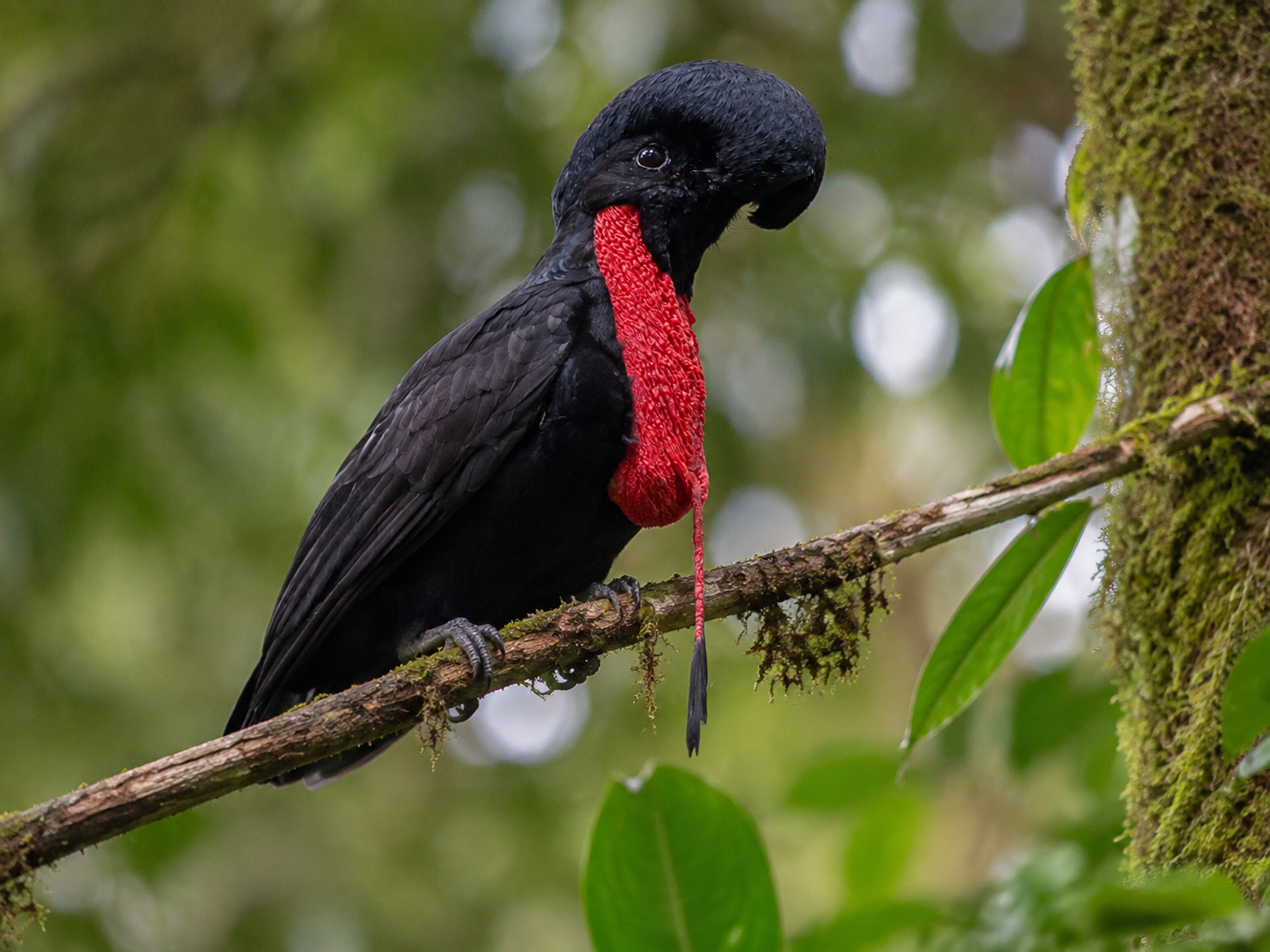
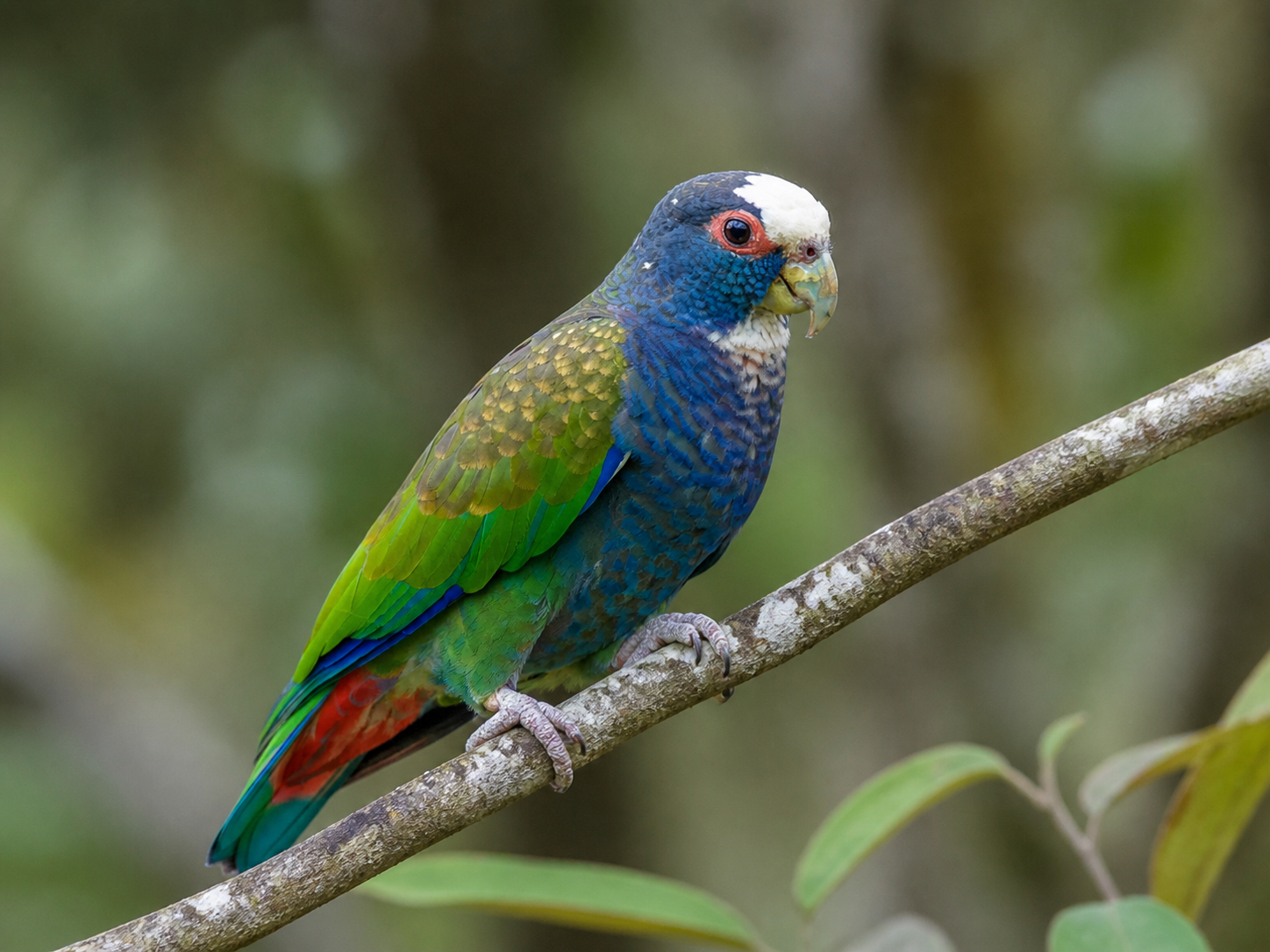
Target Species
A curated selection of the iconic species we aim to encounter and photograph throughout our journey.






Accommodation
Where you’ll stay


Price Details
Our tour prices are based on a tiered pricing model. more guests = lower price, per person. That means the prices go down on a per-person basis as more people book onto a specific tour departure.
Price Base
- Price for 2 people: 1.895 EUR (190 EUR / day)
- Price for 3 to 4 people: 1.595 EUR (160 EUR / day)
- Price for 5 to 6 people: 1.295 EUR (130 EUR / day)
- Price for 7 to 8 people: 1.195 EUR (120 EUR / day)
** Prices are based on double occupancy / twin share basis.
Included
- Hotels mentioned in the program
i
Hotels mentioned in the program- Holiday Inn Aurola — 1 night · Uncategorized Hotel
- Evergreen Ecolodge *** — 2 nights · Uncategorized Hotel
- Ditsowo Inn — 1 night · Uncategorized Hotel
- Kukula Ecolodge *** — 3 nights · Uncategorized Hotel
- Arenal Oasis Ecolodge *** — 3 nights · Uncategorized Hotel
- Meals indicated in the program: 10 breakfasts, 10 lunchs, 10 dinners
- 1 cocktail before dinner
- Water is included
- Professional photographic guidance & instruction by Tristan Quevilly
- 1h skype session of photo editing in Lightroom or Photoshop
- Restaurant gratuities / tips
- Pre-trip planning assistance
- Detailed trip notes with practical information and cultural insights
- Access to Remote Expeditions custom travel app
Not Included
- Tips
- International flights
- Private airport transfers outside the scheduled group transfers are not included. If you arrive or depart separately from the group, please arrange and pay for your own transfer.
- Travel, Medical & Cancellation insurance
- Additional drinks and meals
- Expenses not specified in the program
- Camera Equipment
Deposit
-
30% (359 EUR approx)
i
Your depositThe deposit is used to secure services for your trip, such as hotels and flights.
Payment Options
- Bank Transfer (Recommended): Free
- Credit / Debit Card: Secure payment via Revolut. A 3% processing fee applies.
- paypal
Booking Conditions
- Deposit: 30% to secure your booking
- Final payment: Due 90 days before departure
- Cancellation more than 90 days before departure: Deposit retained as a 4-year travel credit
- Read the full Terms & Conditions ↗
Where does your investment go?
A transparent look at how your bespoke itinerary is funded.
Services to Expect
Meals, Guides, and Field Pace
Fueling Your Shots: Tico Cuisine & Early Starts
Great photography requires energy, and Costa Rica’s vibrant culinary scene delivers. You will enjoy fresh, hearty, and authentic local Tico cuisine, featuring tropical fruits, black beans, rice, sweet plantains, and fresh local meats and seafood. Because the best wildlife activity and golden morning light happen at dawn, we often head out before sit-down restaurants open. On these early mornings, we provide convenient packed breakfasts to take into the field, ensuring you are fueled up without missing the peak shooting hours.
Expert Naturalist Guides with Spotting Scopes
Spotting a camouflaged sloth or a tiny colorful frog in a dense rainforest requires years of practice. You will travel with expert Costa Rican naturalist and birding guides who possess an uncanny ability to hear and locate wildlife. Our guides carry high-end spotting scopes, allowing you to easily view distant subjects, learn about their behavior, and even shoot incredible telephoto reference images directly through the scope lens.
A Deliberate, Photography-First Pace
This is not a rushed sightseeing tour. Our daily pace is slow, deliberate, and entirely optimized for camera work. We build flexible photography stops into every day. If we encounter a cooperative troop of howler monkeys or a rare hummingbird nesting near the trail, we stop and stay. You will have the time you need to adjust your settings, experiment with composition, and wait for the perfect moment without feeling rushed.
Private Transfers and Ecolodge Bases
Private vehicles connect the route’s widely separated regions, including winding mountain roads and occasional rough tracks to lodges. Accommodation is selected for access to habitats and may range from comfortable hotels to simpler ecolodges.
Local teams and guides contribute knowledge of trails, wildlife behaviour and the best times to visit each site. The day’s pace remains responsive to conditions and the group.
Practical Information
Safety, Roads, and Wildlife Etiquette
Safe and Welcoming Photography Zones
Costa Rica is celebrated as one of the safest and most stable destinations in Latin America. Our carefully planned route stays within well-established eco-tourism corridors, private reserves, and secure lodge properties. While standard travel precautions apply regarding your high-end camera gear in public transit hubs, you can expect a highly secure, welcoming environment throughout the actual photography locations on this tour.
On the Road: What to Expect
Reaching the country’s most spectacular cloud forests and volcanic valleys requires navigating winding mountain roads and occasional unpaved terrain. While our private transport is spacious and driven by seasoned professionals, the routes can be twisty. If you are prone to motion sickness, we highly recommend packing your preferred preventative remedies so you can enjoy the stunning scenery comfortably.
Ethical Wildlife Photography Etiquette
To capture truly spectacular images without disrupting the delicate ecosystems we visit, we practice strict ethical photography. This is a non-negotiable standard for all participants on this tour:
- Respecting nesting birds: We maintain a strict, respectful distance from active nests. Flash photography and call-playback devices are prohibited to ensure parent birds do not abandon their young.
- Using hides responsibly: When shooting from specialized birding hides, we remain quiet, minimize sudden movement, and allow wildlife to approach naturally without using artificial lures or causing distress.
- Leaving no trace: We stick to designated trails and platforms to protect fragile undergrowth and nesting habitats.
Humidity, Trails and Early Starts
Costa Rica’s lowlands are warm and humid, while volcano and cloud-forest areas can be cooler, wetter and more exposed. Trails may be muddy, uneven or steep, and rain is possible at any time.
Some days begin before dawn for wildlife activity and soft light. A steady pace, suitable footwear and flexibility around weather will make the field days more enjoyable.
Costa Rica Entry and Health Requirements
Passport and Visa Entry Rules
For most travelers, entering Costa Rica is straightforward. Citizens of the United States, Canada, the United Kingdom, the European Union, and Australia do not require a visa for tourist stays of up to 180 days. To clear immigration smoothly, you will simply need:
- A passport that is valid for the duration of your stay.
- Proof of onward travel, such as a confirmed return flight ticket.
Vaccination and Health Requirements
To ensure you are fully prepared for our outdoor photography sessions in the rainforests and coastal regions, please review these key health guidelines before booking:
- Yellow Fever Vaccine: This is only mandatory if you are arriving from an endemic country (such as certain nations in South America or Africa). If you are flying directly from the US, Canada, or Europe, you do not need this vaccine.
- Routine Immunizations: We highly recommend being up-to-date on standard vaccinations, including Hepatitis A, Hepatitis B, and Tetanus, which are beneficial for any active outdoor travel.
- COVID-19 Policy: Costa Rica has lifted all COVID-19 entry requirements. There is currently no mandate to show proof of vaccination, negative test results, or specific travel insurance to enter the country.
Weather, Connectivity and Field Conditions
Expect changing microclimates, sudden showers and high humidity, especially around rainforest and cloud forest lodges. Mobile coverage and Wi-Fi may be limited in remote areas, so keep essential information and contacts available offline.
Protect cameras from rain and condensation, and allow equipment to acclimatize when moving between air-conditioned rooms and humid forest.
Getting in Shape
This is a bird-photography tour rather than a demanding trek, but you will walk on uneven ground, sometimes at altitude, and spend time standing with your camera.
Regular walking, gentle hiking or cycling in the weeks before departure will help. If possible, practice with the daypack and camera equipment you expect to carry.
Travel Insurance
Comprehensive travel insurance is strongly recommended. Check that your policy covers medical care, emergency assistance, trip interruption and the activities included in your itinerary.
Review the conditions before travelling and keep the assistance details accessible during the tour.
Wildlife Etiquette and Local Guidance
Wildlife is best approached quietly and without pressure. Follow guide instructions, keep a respectful distance, avoid flash around sensitive animals and remain on established trails or in designated hides.
Local guides and communities make this journey possible. Ask before photographing people, respect local customs and leave each forest, riverbank and beach as we found it.
Physical Preparation
Suggested Fitness Level
To fully enjoy this photo tour, you should be comfortable with a moderate level of physical activity. Our days are long, often starting before dawn to catch the best light and extending into the evening for night shoots. You can expect to be on your feet for several hours a day, walking at a slow, photographer-friendly pace but with sustained activity throughout the trip.
Navigating the Terrain
We will be shooting in diverse ecosystems, from misty cloud forests to coastal rainforests. This means you will encounter:
- Uneven trails with exposed tree roots, loose rocks, and muddy patches.
- Suspended hanging bridges and occasional steep wooden or dirt steps.
- Slippery conditions, especially after the frequent tropical rain showers that keep Costa Rica so lush.
Carrying Your Gear in the Heat
Costa Rica is warm and highly humid. Carrying your camera body, multiple lenses, and a tripod can quickly become exhausting under these conditions. We recommend:
- Practicing hikes at home while carrying your full, loaded camera pack to build stamina.
- Investing in a comfortable, ergonomic backpack with a waist strap to distribute weight off your shoulders.
- Keeping your gear setup as lightweight as possible—only pack the essentials for daily excursions.
Is This Tour Right for You?
You do not need to be an elite athlete, but you should be able to walk 2 to 3 miles a day on uneven ground while carrying your personal gear. If you can manage a steady, slow-paced hike with a weighted daypack in warm weather, you will do wonderfully on this adventure.
Bird Photography Equipment & Clothing
Bird Photography in Colombia
Colombia is home to more bird species than any other country on Earth, offering exceptional opportunities to photograph hummingbirds, toucans, tanagers, parrots, owls, and many rare endemic species.
Bird photography requires slightly different preparation than general travel photography.
Recommended Lenses
While any camera can capture memorable bird photographs, longer focal lengths provide significantly more flexibility.
Recommended options include:
- 100–400mm
- 150–500mm
- 150–600mm
- 200–600mm
- 400mm, 500mm, or 600mm prime lenses
If your camera has an APS-C sensor, a 70–300mm or 100–400mm lens often provides excellent reach.
Camera Settings
Birds rarely stay still for long.
We recommend becoming familiar with:
- Continuous autofocus (AF-C / AI Servo)
- Subject or Bird Eye Detection (if available)
- High-speed continuous shooting
- Fast shutter speeds (typically 1/1000s or faster)
Practicing these techniques before the tour will greatly improve your success rate.
Clothing
Birds are sensitive to movement and bright colors.
For photography sessions, we recommend:
- Neutral or earth-tone clothing (green, brown, gray, or black)
- Avoid bright reds, oranges, yellows, or white clothing whenever possible
- Lightweight long sleeves and long pants for protection against insects and vegetation
- Waterproof hiking shoes with good grip
- Lightweight rain jacket
Quiet fabrics are preferable to noisy waterproof materials that can produce sound while moving.
Accessories
Useful accessories include:
- Lens hood
- Lens rain cover
- Microfiber cloth
- Small towel for wiping condensation
- Binoculars (optional but highly recommended)
- Comfortable camera strap or harness for long shooting sessions
Most importantly, remember that patience is one of the most valuable tools in bird photography. Many of Colombia’s most rewarding wildlife encounters come to those who are willing to wait quietly and observe nature.
Camera Gear and Field Equipment
Essential Lenses for Wildlife
To capture Costa Rica’s spectacular birdlife—including resplendent quetzals, toucans, and scarlet macaws—a long telephoto lens is absolutely essential. We recommend a focal length of at least 300mm to 400mm, though a 150-600mm or 200-600mm zoom lens offers the ultimate flexibility for capturing active wildlife high in the canopy.
Camera Bodies and Weather Protection
The tropical rainforest is incredibly rewarding, but it is also wet and highly humid. We strongly advise bringing weather-sealed camera bodies. While we shoot from sheltered spots whenever possible, sudden downpours are common, and high-quality rain covers or dry bags are vital to protect your investment.
Stability in the Shadows
The rainforest floor can be surprisingly dark, even in the middle of the day. To keep your shots sharp at lower shutter speeds, a sturdy but lightweight tripod or monopod is highly recommended. A tripod is also indispensable for capturing long-exposure shots of waterfalls and macro photography of frogs and insects in low-light conditions.
Managing Humidity and Condensation
Moving from an air-conditioned vehicle or hotel room into the warm, humid jungle causes instant lens fogging. Keep plenty of high-quality lens cloths and pre-moistened lens wipes easily accessible in your daypack to quickly clear condensation without scratching your glass.
Power and Storage Capacity
You will be shooting more frames than you anticipate. Bring plenty of high-capacity memory cards (and a way to back them up daily) so you never have to pause to delete photos in the field. Additionally, pack extra camera batteries, as the humid conditions and active shooting can drain power faster than usual.
What to Pack for Costa Rica’s Habitats
Bring lightweight, quick-drying clothing, a light fleece or warmer layer for the highlands, sturdy walking shoes, a waterproof jacket, sun protection and insect protection. A soft-sided bag and small daypack are practical for transfers and field days.
Binoculars, spare batteries, memory cards and dependable rain protection for camera equipment are useful throughout the route.
Detailed Trip Notes, including practical tips, cultural insights, and a complete packing list will be sent to you 60 days before departure.
Booking this tour means you agree to our full Terms and Conditions. Below is a summary of the key points. As life is unpredictable, we strongly recommend purchasing comprehensive travel insurance.
- Deposit: A 30% deposit is required to secure your booking. This deposit is refundable for 7 days (less transaction fees), after which it becomes a non-refundable credit, transferable to a future tour offered by Remote Expeditions within 4 years of the cancellation date, less any non-recoverable costs already paid on your behalf.
- Final Payment: The remaining balance is due 90 days before the tour begins.
- Cancellation more than 90 days before departure: You will receive a full refund of any payments made, except for the 30% deposit. Your deposit will be converted into a travel credit valid for 4 years on a future tour Remote Expeditions.
- Cancellation within 90 days of departure: 100% of the tour price is forfeited. There are no refunds or credits.
* This is a summary only. Please read our complete
Terms and Conditions
for full details before booking.
** We strongly recommend all travelers purchase comprehensive travel insurance that covers trip cancellation, medical emergencies, and other unforeseen events.
A few kind words
Colombia Photography Tour 2026
Top notch photographic experience for enthusiasts of nature, culture, and portraits. Tristan is well connected to the area and the local communities with a specialty in indigenous tribes and less-visited areas. Additionally, he is an excellent teacher and will provide incredibly helpful instruction on exposure, lighting, and composition. Our tour was incredibly well organized and ran on time, with full days of photography. I fully recommend Remote Expeditions for your photographic travels!

You are in good hands with Tristan!
Tristan does an amazing job at putting together a culturally rich experience. He also does a great job at adapting to his clients needs and interests. He responds well to feedback. He is both professional and personable. I feel as though I had the opportunity not only to photograph many different elements of Colombia, but that I truly experienced the country and its culture. Our adventure took us from birding in the mountains outside of Cali, to visiting remote indigenous tribes, to visiting active fishing villages, to learning about local and historical musicians and customs, to beautiful settings in the mountains and along the seashore.
I give Tristan the highest recommendation as a guide for Colombia.

Colombia Birding Tour
I visited Colombia with Tristan of Remote Expeditions and would highly recommend him. He put together a wonderful itinerary with great knowledge of the areas and attention to details to give us a wonderful sampling of the country. He is personally very gentle and fun by nature and you will return home feeling very happy and satisfied. Whatever your special interest is, I’m sure he can make an itinerary to exceed your goals.

The difference is in the details
Journeys shaped by experience
Every route is built from time spent in the field: knowing when to linger, when to move on, and which small details are worth noticing.
Room for the unexpected
The best moments are not always on the itinerary. We leave enough flexibility to follow a good conversation, an unusual sighting, or a changing landscape.
Local relationships that open doors
Our journeys are grounded in long-term relationships with people who know their home intimately and are proud to share it in their own way.
A small group, properly looked after
With only a few travellers, decisions remain personal. We can adapt the pace, answer questions, and make sure everyone feels part of the journey.
Your Tour Guide

Tristan Quevilly
Tristan has been to over 40 countries in his quest for the perfect adventure. He has biked all Guatemala, trekked alone across the Triglav in Slovenia, travelled through all the Amazon by boat. He also has worked and leaded tours in Senegal, Morroco, Croatia, Greece, Cuba, Colombia, Brazil and many more. Remote Expeditions is the fruit of his love for people and travel.
- 23 years guiding
- 75K followers
- 16 countries guided in
- 3,000+ activities led
Frequently Asked Questions
Most Remote Expeditions journeys are arranged privately, so the pace and rhythm can be shaped around the people travelling together. When a scheduled group departure is offered, it is typically limited to four or five travellers.
No. Photography is one of the ways we observe and connect with a place, but it is not a requirement. Our journeys also welcome travellers drawn to slow travel, wildlife, culture, trekking, landscapes, and genuine encounters. You can join with professional equipment, a simple camera, or just your curiosity.
Every itinerary has its own rhythm. Some journeys are gently paced, while others include long walks, trekking, uneven terrain, altitude, or substantial travel days. The practical details on each tour page explain the expected walking, terrain, altitude, distances, and overall physical level so you can decide whether the journey suits you.
Tristan designs the itineraries and personally leads many Remote Expeditions journeys. Depending on the destination and the character of the trip, trusted local guides, drivers, cultural hosts, or specialist leaders may also join part of the route. This combination gives you direct personal support alongside local knowledge.
Often, yes. Private journeys can usually be shaped around your interests, pace, and available time. Fixed group departures have a defined route and dates, but it may still be possible to arrange additional nights, private extensions, or other travel before or after the main journey. Tell us what you have in mind and we will explain what is practical.


