Sierra Nevada de Santa Marta Bird Photography Tour | Colombia Endemics
Discover Colombia's avian treasures: photograph unique endemics in the breathtaking Sierra Nevada de Santa Marta on an expert-led tour.


This is a bird photography journey through Colombia’s Sierra Nevada de Santa Marta and the coastal lowlands beyond. Over 12 days, we travel with up to eight companions, moving at the pace of the birds and the light. The itinerary is moderately active, with early starts and short walks.
We begin on the Caribbean coast and climb into the foothills, settling first at Mundo Nuevo Ecolodge, where sunset from the mirador sets the tone. From there we base ourselves at El Dorado Nature Reserve for the cloud forest. Mornings are spent on Cerro Kennedy and the San Lorenzo Ridge, searching for Santa Marta endemics such as the Santa Marta Parakeet, Santa Marta Antpitta, and Santa Marta Blossomcrown at the hummingbird feeders. Afternoons bring photography at the lodge feeders, and a visit to a White-tipped Quetzal nesting site. Nights reveal a different world with night monkeys, frogs, and owl searches.
The route then descends to the coast, with sunset photography in Barlovento, a morning in Tayrona National Park, a boat trip on the Rio Don Diego, and the flamingo lagoons of Los Flamencos Sanctuary. We visit a feeding station for the Vermilion Cardinal, then turn inland to the Serranía del Perijá for localized endemics such as the Perijá Metaltail and Perijá Brushfinch. We close with a sunset in Taganga, a boat tour through the stilted village of Nueva Venecia, and an optional final birding morning in Isla Salamanca. This is a trip for photographers and birders who appreciate unhurried days, small groups, and the quiet thrill of observing rare birds in their own habitats.
Why Birdwatching in Sierra Nevada de Santa Marta
Colombia is home to more bird species than any other country on Earth, with more than 1,900 recorded species—over a quarter of all bird species found worldwide. Yet among Colombia’s countless birding destinations, few rival the extraordinary diversity concentrated around the Caribbean coast.
The Sierra Nevada de Santa Marta is the world’s highest coastal mountain range and one of the greatest centers of bird endemism on the planet. Rising directly from the Caribbean Sea to snow-capped peaks above 5,700 meters, this isolated mountain range has evolved independently from the Andes for millions of years, creating a remarkable collection of birds found nowhere else on Earth. More than 25 endemic species, including the Santa Marta Parakeet, Santa Marta Sabrewing and Santa Marta Bush-Tyrant, make it a true pilgrimage site for birdwatchers.
But the true strength of this journey lies in exploring several complementary ecosystems, each with its own unique avifauna. Beyond the cloud forests of the Sierra Nevada, we’ll venture into the remote Serranía del Perijá, home to recently described endemics such as the Perijá Brushfinch and Perijá Tapaculo. Along the Caribbean coast, the wetlands of Los Flamencos Flora and Fauna Sanctuary offer exceptional opportunities to photograph flamingos, herons, shorebirds and migratory species, while the tropical forests and beaches of Tayrona National Park provide a spectacular transition between rainforest and coastline, attracting toucans, trogons, hummingbirds and countless Caribbean specialties.
Rather than focusing on a single reserve, this expedition has been carefully designed to showcase the remarkable ecological diversity of northern Colombia. From humid cloud forests and high-elevation páramo to dry tropical forests, coastal lagoons and Caribbean beaches, each habitat reveals a different community of birds. The result is an unforgettable birdwatching experience, combining world-class endemic species with an exceptional diversity of landscapes and photographic opportunities.
Expedition Highlights


Is this trip right for you?
A practical overview of the pace, comfort, and conditions to expect on this journey.
Seasonality
Travel style
- Focus on Finest Experiences, Quality Over Quantity Tours
Accommodation
- Comfortable tourist-class accommodations with character
Transport
-
Transport in a comfortable minivan with air conditioning, 4x4 expeditions on epic roads
i
Transport used on this trip- Car
- 4x4 vehicle
- Road transport
- Local taxi
- Boat / ferry
-
Travel time:
~4h45min per day on average
· 4 longer travel days
i
Travel time estimates- Short transfers (up to 2 hours): 14
- Transfers over 2 hours, up to 5 hours: 2
- Transfers over 5 hours: 3
- Most time in road or boat transfers in one day: 28h17min
Counts refer to individual road or boat transfers. The daily average includes all itinerary days, including days without transfers. Flights, walking and activity durations are excluded.
Flights are counted separately. Airport procedures, waiting and sightseeing stops are not added to the recorded transfer durations.
Times are approximate and depend on traffic and local conditions.
Meals
- Authentic Local Cuisine for Lunch and Upscale Dining Experiences in the Evening
The journey at a glance
Following the route
The journey moves gradually through 5 chapters.
Route shown schematically for orientation.
Detailed itinerary
Santa Marta – Minca
Begin your journey with a reception at Barranquilla airport with your guide, Tristan, before a road transfer along the Caribbean coast to Santa Marta and onward into the Sierra Nevada foothills to Minca. Continue by 4×4 to Mundo Nuevo Ecolodge, where you check in and settle into your room. A tour orientation introduces the itinerary, followed by a sunset photo session at Mundo Nuevo Mirador and a vegetarian shared-table dinner at the ecolodge.
Key activities
-
Sunset at Mundo Nuevo Mirador (Photo Activity)

Minca – Cerro Kennedy
Begin before sunrise with birdwatching in Mundo Nuevo alongside a local guide, seeking mixed flocks, Keel-billed Toucan, Black-headed Tanager, White-lored Warbler, Golden-winged Sparrow, and hummingbirds. After breakfast and lunch at Mundo Nuevo, check out and transfer toward El Dorado Nature Reserve, making birding stops through the Sierra Nevada’s mid-elevation forests. Check in, relax, then photograph hummingbird feeders near Senekün restaurant, watching for White-tailed Starfrontlet, Long-tailed Sylph, Crowned Woodnymph, and possibly Santa Marta Blossomcrown. Stay for sunset views over the Caribbean coast before dinner at El Dorado.
Key activities
-
Birdwatching in Mundo Nuevo
-
Hummingbird Feeders & Sunset at Cerro Kennedy


Cerro Kennedy – Minca
Begin before dawn with a drive to the San Lorenzo Ridge for sunrise from Cerro Kennedy, looking out toward the Caribbean Sea and the snow-capped peaks of Pico Cristóbal Colón and Pico Simón Bolívar. After breakfast in nature, go birding at La Laguna Sagrada, searching for Sierra Nevada de Santa Marta endemics such as Santa Marta Parakeet and Santa Marta Antpitta. Descend through El Dorado Cloud Forest with flexible birding stops, then enjoy lunch, free time, and afternoon hummingbird photography at El Dorado’s feeders. Dinner at El Dorado Nature Reserve precedes a night walk for night monkeys, frogs, and insects.
Key activities
-
Sunrise at the top of the San Lorenzo Ridge (from Proaves)
-
Birding at La Laguna Sagrada
-
El Dorado Cloud Forest Descent Birding
-
Hummingbird Feeders & Sunset at Cerro Kennedy
-
Night Walk Around El Dorado Lodge


Cerro Kennedy – Minca
After breakfast, spend the morning birding the trail to La Cumbre Station, where mature cloud forest, bamboo thickets, and forest edges may reveal species such as Strong-billed Woodcreeper, Streak-capped Spinetail, White-lored Warbler, Emerald Toucanet, Golden-breasted Fruiteater, and mixed tanager flocks. Following lunch and free time at El Dorado Nature Reserve in Minca, photograph hummingbird feeders near Senekün restaurant, with possible White-tailed Starfrontlet, Long-tailed Sylph, Crowned Woodnymph, and Santa Marta Blossomcrown, then enjoy sunset views. After dinner, search quietly for nocturnal owls, including Santa Marta Screech-Owl, Rufous-banded Owl, Mottled Owl, and Black-and-white Owl.
Key activities
-
Birding to La Cumbre Station
-
Hummingbird Feeders & Sunset at Cerro Kennedy
-
Nocturnal Owl Search


Cerro Kennedy – Los Naranjos
Begin with breakfast at El Dorado ProAves before a morning at the lodge feeders, where close-up bird photography is possible in soft light. Look for Santa Marta Brushfinch, Black-cheeked Mountain-Tanager, Acorn Woodpecker, Crimson-backed Tanager and hummingbirds. Before departing, stop at a White-tipped Quetzal nesting site near the reserve entrance. Transfer from El Dorado Reserve to Maloka Barlovento, with lunch on the road. In the afternoon, enjoy sunset photography at Barlovento, a hotel at the mouth of the Piedras River beneath the Sierra Nevada. Dinner is included, then overnight at Maloka Barlovento eco-lodge.
Key activities
-
Morning at the Lodge Feeders
-
White-tipped Quetzal Nesting Site
-
Sunset photo Activity in Barlovento


Zona Camping Parque El Tayrona – Tayrona Park – Los Naranjos
After transferring from Maloka Barlovento to Parqueadero Cañaveral Tayrona, you enter Tayrona National Park for an early exploration of its forest trails where the Caribbean coastline meets a diverse ecosystem. Search for regional specialties like Lance-tailed Manakin, White-bearded Manakin, Rufous-tailed Jacamar, Black-crested Antshrike, Whooping Motmot, and Keel-billed Toucan, while Cotton-top Tamarins, White-fronted Capuchins, and iguanas may appear. Later, return to Maloka Barlovento for lunch, dinner, and free time to rest or enjoy the eco-lodge’s infrastructure.
Key activities
-
Morning Birding in Tayrona National Park

Don Diego, Mingueo-Santa Marta – Boca de Camarones
After breakfast and hotel check out, transfer from Maloka Barlovento to Don Diego, Mingueo-Santa Marta, then take a boat tour on the Rio Don Diego ending at the sea, with guided birdwatching and wildlife observation and stories at the Taironaka Museum. Continue with a birdwatching walk at Taironaka and lunch, then transfer to Boca de Camarones. Visit a Wayuu community ranchería with Ofelia for traditional music, dance and the La Yona ceremony, ending at Mar Azul Playa y Turismo.
Key activities
-
Boat tour on Rio Don Diego
-
Birdwatching walk at Taironaka
-
Wayuu Ceremonial Yona Dances


Boca de Camarones – Serranía del Perijá
Begin at sunrise with a boat tour through the Los Flamencos Flora and Fauna Sanctuary, searching for American Flamingo and coastal birds. After breakfast, visit a private feeding station for close views of Vermilion Cardinal and Caribbean dry forest species. Check out and transfer from Boca de Camarones to Reserva ProAves Chamicero del Perijá. Settle in, then spend the afternoon birding forest edge and feeders in the Serranía del Perijá, looking for hummingbirds, tanagers, and localized endemics before dinner at the reserve.
Key activities
-
Flamingo Boat Tour at Los Flamencos Sanctuary
-
Birdwatching (Cardinal) in Boca de Camarones
-
Feeders & Forest Edge Birding


Serranía del Perijá
Start with breakfast before a pre-sunrise departure to bird the upper slopes of the Serranía del Perijá, moving from Andean forest into páramo. Targets may include Perijá Metaltail, Perijá Thistletail, Perijá Antpitta, Perijá Brush-Finch, Perijá Tapaculo, and Perijá Starfrontlet, depending on conditions. After a midday pause and lunch, continue along mountain roads and forest trails, adapting the route to recent sightings. Look for localized endemics, mountain tanagers, quetzals, flowerpiercers, hummingbirds, and raptors such as Andean Condor and Black-and-chestnut Eagle. Dinner closes the day near Reserva ProAves Chamicero del Perijá.
Key activities
-
Birding the Perijá Highlands
-
Cloud Forest Exploration


Serranía del Perijá – Santa Marta – Taganga
Begin with breakfast before a final morning of birding in the Serranía del Perijá, revisiting productive habitats for Perijá endemics and high-elevation targets such as Phelps’s Brush-Finch, Rufous-shafted Woodstar and Golden-headed Quetzal. After checking out of Reserva ProAves Chamicero del Perijá and lunch, transfer to Santa Marta, check in at Camali Hotel and relax. Continue to Taganga, a former Carib fishing village, to meet local fishermen and take photos, followed by dinner with an ocean view before returning to Santa Marta.
Key activities
-
Final Birding in Serranía del Perijá
-
Sunset in Taganga

Muelle Nautico Pueblo Viejo – Nueva Venecia – Barranquilla
Transfer from Santa Marta to Muelle Nautico Pueblo Viejo, then continue by boat to Nueva Venecia. A Nueva Venecia Boat Tour explores this floating village on stilts over the Ciénaga Grande de Santa Marta, a UNESCO Biosphere Reserve, with wooden houses, a church, and a soccer field. Return to Muelle Nautico Pueblo Viejo, then transfer to Barranquilla. The evening includes backup and image review, a farewell dinner, and a stay at GHL Hotel Barranquilla.
Key activities
-
Nueva Venecia Boat Tour
-
Evening backup and image review


Cienaga – Barranquilla Airport
Begin with breakfast included in your package before transferring from Barranquilla to Parque Isla de Salamanca. If your flight schedule allows, enjoy an optional birdwatching excursion in Isla Salamanca to spot diverse coastal and migratory bird species. Afterwards, take a reliable private transfer from Salamanca Island Park to Barranquilla Airport. Your tour concludes with departure, as you are dropped off at the airport for your flight back home after an incredible adventure.
Key activities
-
Birdwatching in Isla Salamanca


Target Species
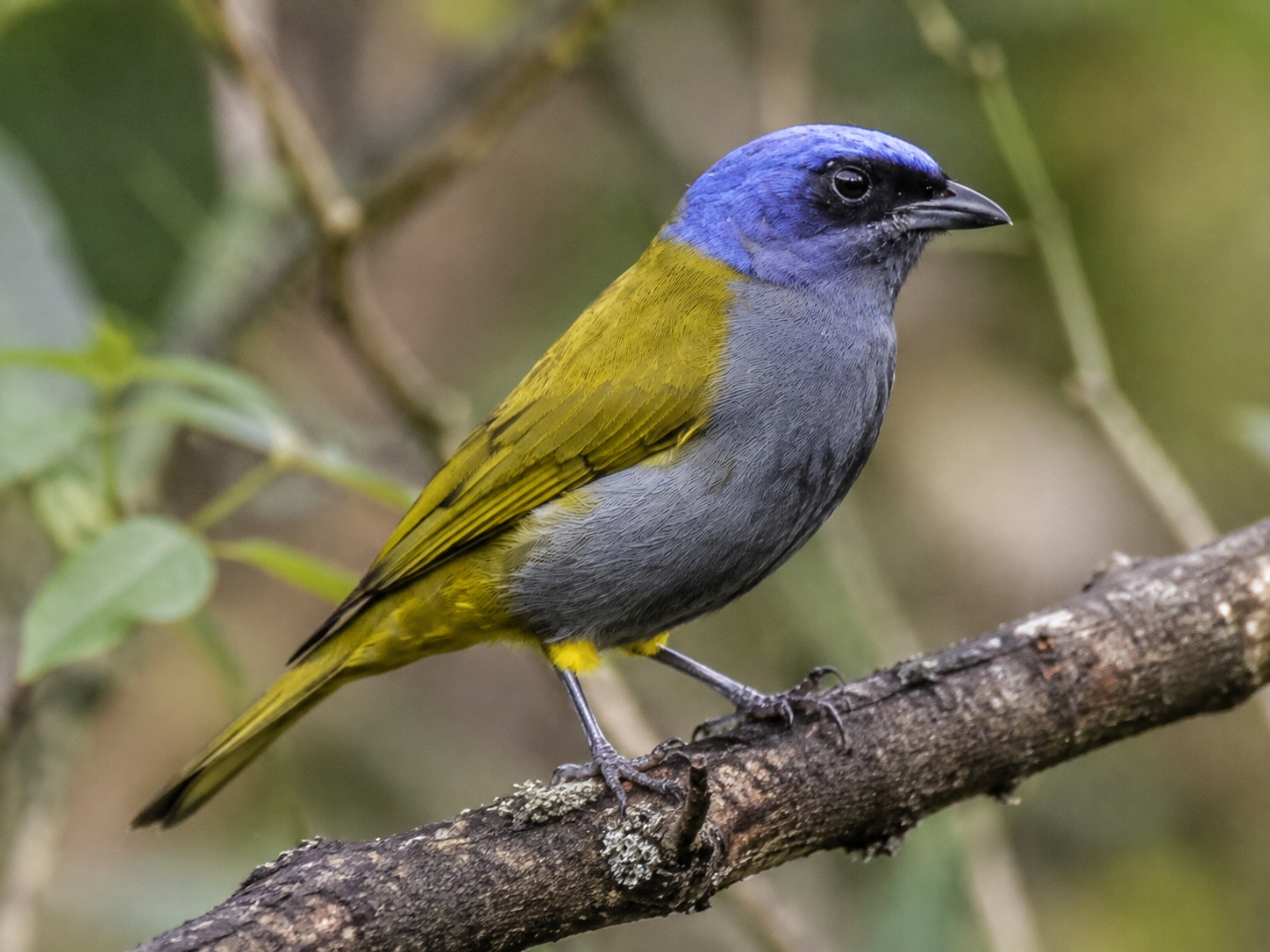
A curated selection of the iconic species we aim to encounter and photograph throughout our journey.




Accommodation
Where you’ll stay


Gallery


Price Details
Our tour prices are based on a tiered pricing model. more guests = lower price, per person. That means the prices go down on a per-person basis as more people book onto a specific tour departure.
Price Base
- Price for 2 people: 7.095 EUR (591 EUR / day)
- Price for 3 to 4 people: 6.095 EUR (508 EUR / day)
- Price for 5 to 6 people: 4.995 EUR (416 EUR / day)
- Price for 7 to 8 people: 4.595 EUR (383 EUR / day)
** Prices are based on double occupancy / twin share basis.
Single Supplement
- 737 EUR
Included
- Hotels mentioned in the program
i
Hotels mentioned in the program- Mundo Nuevo Ecolodge (Room) — 1 night · Ecolodge
- El Dorado Rainforest Resort — 3 nights · Ecolodge
- Maloka Barlovento — 2 nights · Ecolodge
- Mar Azul Playa y Turismo — 1 night · Bungalow
- Reserva ProAves Chamicero del Perijá — 2 nights · Ecolodge
- Camali Hotel — 1 night · Charming Hotel with Character
- GHL Hotel Barranquilla — 1 night · Uncategorized Hotel
- Local guides for selected activities
i
Local guides are included for- Minca
- Birdwatching in Mundo Nuevo
- Cerro Kennedy
- Sunrise at the top of the San Lorenzo Ridge (from Proaves)
- Tayrona Park
- Morning Birding in Tayrona National Park
- Don Diego, Mingueo-Santa Marta
- Boat tour on Rio Don Diego
- Boca de Camarones
- Wayuu Ceremonial Yona Dances
- Flamingo Boat Tour at Los Flamencos Sanctuary
- Birdwatching (Cardinal) in Boca de Camarones
- Serranía del Perijá
- Birding the Perijá Highlands
- Nueva Venecia
- Nueva Venecia Boat Tour
- Minca
- Transportation included
i
Included transportation- Car, SUV or minivan
- 4x4
- Local Taxi
- Boat / Ferry
- Meals indicated in the program: 11 breakfasts, 9 lunchs, 10 dinners
- Entrance fees included
i
Included entrance fees- Tayrona Park
- 1 cocktail before dinner
- Water is included
- Professional photographic guidance & instruction by Tristan Quevilly
- 1h skype session of photo editing in Lightroom or Photoshop
- Restaurant gratuities / tips
- Pre-trip planning assistance
- Detailed trip notes with practical information and cultural insights
- Access to Remote Expeditions custom travel app
Not Included
- Lunch on Arrival day, day 8 and Departure day, Dinner on day 7
- Tips
- International flights
- Travel, Medical & Cancellation insurance
- Additional drinks and meals
- Expenses not specified in the program
- Camera Equipment
Deposit
-
30% (1.829 EUR approx)
i
Your depositThe deposit is used to secure services for your trip, such as hotels and flights.
Payment Options
- Bank Transfer (Recommended): Free
- Credit / Debit Card: Secure payment via Revolut. A 3% processing fee applies.
Booking Conditions
- Deposit: 30% to secure your booking
- Final payment: Due 90 days before departure
- Cancellation more than 90 days before departure: Deposit retained as a 4-year travel credit
- Read the full Terms & Conditions ↗
Services to Expect
Transportation Overview
Road travel in Colombia is part of the adventure, with routes ranging from modern highways to winding mountain roads and remote rural tracks. Private SUVs are generally used for two travelers, while groups of three or more travel by comfortable minivan. Many of Colombia’s most interesting rural areas are reached by tertiary roads, where conditions can be rough and a 4×4 vehicle is required. Vehicles are selected according to the route, group size, and local conditions to ensure the best balance of comfort and accessibility.


Meals overview
Colombian cuisine is hearty, colorful, and generally mild, with staples such as rice, beans, plantains, arepas, fresh meats, and an incredible variety of tropical fruits and juices. At midday, we typically eat at authentic local restaurants, enjoying simple regional dishes and traditional flavors. In the evening, we allow a more comfortable dining budget to explore Colombia’s more refined and gastronomic cuisine. Vegetarian, vegan, and gluten-free options are readily available in larger cities but can be more limited in rural areas. Please let us know in advance about any dietary restrictions or allergies so we can make the necessary arrangements.


Practical Information
Safety in Colombia
Is Colombia safe for travelers?
Yes, Colombia is a vibrant and welcoming destination. While the country’s past still lingers in popular media, the modern reality is vastly different, with millions of international tourists visiting safely each year. Like any major global destination, safety here is about awareness. Traveling on a curated tour adds an exceptional layer of security, making it easy for you to relax and enjoy the experience.
How this tour protects you
This itinerary is designed from the ground up with your security and comfort in mind. We minimize typical travel risks through careful planning:
- Safe Neighborhoods: We select hotels located exclusively in secure, well-lit, and highly monitored districts.
- Private Transport: All group transfers are conducted in private, vetted vehicles with professional drivers, completely bypassing unregulated public transit.
- Local Expert Guides: Our bilingual guides live in the areas you will visit. They know the local dynamics intimately and ensure you navigate every stop safely.
What to expect on the ground
The most common safety concern in Colombia’s urban areas is opportunistic petty theft, such as pickpocketing. You can easily mitigate this by practicing basic street smarts:
- Keep a low profile: Leave expensive jewelry, high-end watches, and flashier valuables at home.
- Secure your devices: Avoid walking down the street with your phone in your hand, and keep your bag zipped and in front of you in crowded markets or plazas.
- No dar papaya: Colombians have a famous local expression, “don’t give papaya,” which simply means don’t put your valuables on display or invite unnecessary attention.
Booking requirements
To ensure peace of mind for everyone on the trip, we require all participants to purchase comprehensive travel insurance that covers medical emergencies and trip interruption before departure.
Time in Colombia
Summary: In Colombia, time is often viewed through a flexible lens rather than a rigid schedule. While your professional tour guides and scheduled departures for this generic tour will aim for punctuality, you will likely encounter a more relaxed pace of life known locally as “la hora colombiana,” where being a few minutes late is culturally acceptable.
Understanding “La Hora Colombiana”
When navigating Colombian culture, it is important to understand that social interactions often take precedence over strict clock-watching. This relaxed approach to time means that social gatherings, casual appointments, and even some local services may start later than anticipated. This isn’t intended as a sign of disrespect, but rather reflects a cultural emphasis on being present in the moment.
Navigating the roads along Colombia
What to Expect on the Road
Driving in Colombia is not like driving at home. On this tour, you will experience roads where the local style is fast, fluid, and governed by a different set of rules. This is especially true on the Caribbean coast, where the horn is king and lane markings are treated as suggestions. Expect sudden stops, overtaking on curves, and a general lack of strict traffic enforcement. This is not chaos—it is a local system of communication and negotiation. Your driver will be experienced with these conditions, and your job is to relax and embrace the ride as part of the adventure.
What This Means for Your Trip
This is not a tour for nervous passengers. If you are prone to motion sickness or anxiety in fast, unpredictable traffic, plan ahead with medication or a front seat. The driving style is a cultural immersion—expect to hear the horn used as a greeting, a warning, and a friendly “I’m here.” It adds a layer of energy and authenticity to your journey. You will arrive at each destination with stories, not just photos.
Power and connectivity
Keeping Your Devices Charged
Colombia uses Type A and Type B electrical outlets with a standard voltage of 110V and a frequency of 60Hz. This is the exact same system used in the United States and Canada, meaning North American travelers will not need any adapters or voltage converters.
If you are traveling from Europe, the United Kingdom, Australia, or Asia, you will need to bring a standard travel adapter. Additionally, please check that your devices (especially hair dryers or curling irons) are dual-voltage (110V-240V) before plugging them in.
Internet & Mobile Coverage
While you will have complimentary Wi-Fi access at all our major tour hotels, connection speeds and reliability can vary, particularly when we travel into more remote or mountainous regions. To ensure you stay connected throughout the journey, we recommend preparing your mobile setup before departure.
- Local SIMs & eSIMs: Purchasing an eSIM online before you fly, or buying a local physical SIM card (from providers like Claro or Movistar) upon arrival, is the most cost-effective way to secure reliable 4G data.
- Offline Maps: We suggest downloading offline Google Maps for our destinations prior to day trips, as cellular signals can dip in rural areas.
- Power Banks: Bring a portable power bank for long days of sightseeing and photography to ensure your phone lasts until we return to the hotel.
Vaccines
Yellow Fever Vaccination
The most important vaccine to consider for Colombia is Yellow Fever. While it is not always required for entry into the country if you are arriving directly from North America or Europe, it is highly recommended—and often mandatory—if your itinerary includes coastal national parks (such as Tayrona), the Amazon, or other low-altitude regions under 2,300 meters. If this applies to your tour, you must receive the vaccine at least 10 days prior to arrival and carry your physical International Certificate of Vaccination (the yellow card) with you.
Routine and Recommended Immunizations
To ensure a safe and comfortable trip, health authorities generally recommend being up-to-date on standard childhood vaccines, along with a few travel-specific boosters:
- Hepatitis A and Typhoid: Highly recommended for all travelers to Colombia to protect against food and water-borne illnesses.
- Tetanus: Ensure your booster is up to date (within the last 10 years) before departure.
- Malaria: Depending on the specific destinations on your tour (especially low-lying rural or jungle areas), malaria preventative medication may be advised.
When to Consult a Professional
Because vaccine requirements can change and depend heavily on your personal medical history, we recommend scheduling an appointment with a travel clinic or your doctor at least 4 to 6 weeks before your departure. This ensures you have plenty of time to get any required doses and that they are fully effective by the time you land.
Weather in Colombia in February / March
The Peak Dry Season
February and March are widely considered the absolute best months to travel to Colombia. This period falls squarely within the region’s dry season, meaning you will experience the most sunshine and the least rainfall of the year across almost all of our tour destinations. It is the ideal window for outdoor exploration, city walking tours, and beach days.
What to Expect by Region
Because Colombia’s climate is dictated by altitude rather than seasons, you will experience several distinct weather zones on this 15-day journey:
- Bogotá and the Andes: Expect crisp, spring-like days (averaging 18°C / 64°F) and chilly nights that require a warm jacket or sweater.
- Medellín and the Coffee Region: Enjoy incredibly pleasant, mild weather (averaging 26°C / 78°F) with warm afternoons and comfortable evenings.
- The Caribbean Coast: Expect hot, sunny, and tropical conditions (averaging 31°C / 88°F). Strong coastal trade winds in February and March help keep the humidity feeling manageable.
Is This Season Right for You?
While the weather is nearly perfect for sightseeing, there are a few practical trade-offs to consider before booking your spot:
- Peak Travel Demand: Because of the excellent weather, this is the most popular time of year to visit. Popular sights and national parks will be livelier, and flights should be booked well in advance.
- Layering is Essential: You must be comfortable packing for two different climates—lightweight, breathable clothing for the coast, and warm layers with a light jacket for the highlands.
Weather in the Sierra Nevada de Santa Marta
Summary: The period from December to February is the “dry season” in the Sierra Nevada, offering the most stable and ideal conditions for trekking. However, this is a tropical mountain rainforest, so “dry” is relative. Expect intense humidity, the potential for rain, and trail conditions that demand proper preparation.
- The “Dry” Season (December – February): This is the best time for hiking, characterized by a higher probability of sunny mornings and clearer skies. While rainfall is significantly lower than in other seasons, brief, localized showers are always a possibility, especially in the afternoons as clouds build up over the peaks. January is the driest month and considered the absolute peak season.
- Transitional Period (Late November / Early December): Traveling at the start of the season means you’ll witness the Sierra at its most breathtakingly vibrant and green, right after the end of the heavy rains. The trade-off is a higher chance of frequent, though typically short-lived, midday or afternoon downpours. Trails will be correspondingly wetter and muddier.
- Intense Humidity & Jungle Climate: The single most important factor to prepare for is the pervasive, high humidity. It is a constant in the jungle environment. This means you will feel damp, you will sweat continuously while hiking, and your clothes will take a very long time to dry out (if at all).
- Temperatures: Expect warm to hot and humid days, with temperatures often reaching 25-30°C (77-86°F) in the lower elevations. As you ascend, the evenings and nights become pleasantly cool and refreshing, providing a welcome break from the daytime heat.
- Trail Conditions: Expect Mud. Even in the driest months, the trails in the Sierra Nevada rarely dry out completely due to the humidity and forest canopy. You will encounter muddy, slippery sections and possibly several small river crossings. Proper, waterproof hiking boots with excellent grip are not just a recommendation; they are essential for your safety and comfort. This is a fundamental part of the authentic Sierra Nevada trekking experience.
What to Pack ?
Summary: Packing for the Colombian Caribbean requires versatility. You’ll need light clothing for the heat, swimwear for the beaches, and sturdy gear for jungle adventures.
Clothing Essentials:
- Lightweight, breathable fabrics (cotton, linen)
- Shorts, t-shirts, and tank tops
- A few long-sleeved shirts and long pants for sun/mosquito protection in the evenings
- A light dress or nicer outfit for evenings in Cartagena
- Swimwear (2-3 sets)
- A light rain jacket or poncho (essential, even in the dry season)
- A hat for sun protection and sunglasses
For Jungle Hikes & Expeditions (e.g., Tayrona, Kogui Villages):
- Broken-in, waterproof hiking boots with good grip
- Long, quick-dry hiking pants (do not hike in shorts)
- Long-sleeved, moisture-wicking shirts
- Several pairs of moisture-wicking hiking socks
- A small, waterproof daypack
Health & Documents:
- Strong insect repellent (with DEET or Picaridin)
- Sunscreen (SPF 50+)
- Basic first-aid kit (band-aids, antiseptic wipes, pain relievers)
- Any personal medications
- Copy of your passport and travel insurance details
Miscellaneous:
- Reusable water bottle or water filter/purification tablets
- Power bank for charging electronics
- Dry bag to protect electronics and valuables from rain and humidity
- Headlamp or small flashlight (crucial for jungle lodges)
Travel Insurance
Comprehensive travel insurance is strongly recommended. Check that your policy covers medical care, emergency assistance, trip interruption and the activities included in your itinerary.
Review the conditions before travelling and keep the assistance details accessible during the tour.
Physical Preparation for Your Trek
Summary: This expedition is a strenuous multi-day trek through a remote mountain jungle. The combination of steep terrain, high humidity, and heat makes it a significant physical challenge. A strong level of hiking-specific fitness is essential, not just for your enjoyment, but also for your safety and the group’s progress.
- The Nature of the Challenge: This is not a casual walk. You will face long days of hiking that include significant and sustained elevation gains and descents. The trails can be muddy, slippery, and uneven. The constant high humidity will be physically taxing, sapping energy faster than in drier climates.
- Optional Mule Support: To help lighten your load on the trail, it is possible to hire an additional mule to carry your personal daypack. Please be aware that this service comes at an additional cost and requires advance logistical coordination with our local partners. If you wish to use this service, please notify us with significant anticipation, preferably at the time of booking. This option helps with weight, but it does not eliminate the need for a high level of fitness, as you will still be trekking the same challenging terrain.
- Recommended Training Regimen: To prepare, we strongly recommend you begin a dedicated training program at least 2-3 months prior to departure. Your focus should be on building cardiovascular endurance and leg strength.
- The Best Practice: The ideal training is to hike regularly on hilly or mountainous terrain, for several hours at a time, while carrying a daypack with weight (5-7 kg / 10-15 lbs).
- Gym & Home Alternatives: Supplement your hiking with activities like running, cycling, and using a Stairmaster or elliptical machine. Incorporate strength training, especially squats, lunges, and core exercises, which are vital for stability and preventing injury on steep descents.
- Break In Your Gear: Your training is the perfect time to break in your waterproof hiking boots. Arriving with new, untested boots is the surest way to get blisters and compromise your trek. This is also a good opportunity to test the socks, daypack, and clothing you plan to bring.
A high level of fitness will allow you to move beyond the physical effort and fully immerse yourself in the incredible landscapes and profound cultural experience of visiting the indigenous communities of the Sierra Nevada.
Packing List (General)
Prepare for Multiple Climates
Colombia is a country of remarkable geographical diversity, and your tour may take you through several climate zones in just a few days. Depending on the itinerary, you could experience cool mountain mornings in Bogotá (around 14°C / 57°F), mild spring-like temperatures in the Andes, humid cloud forests, and tropical heat exceeding 30°C (86°F) in lower elevations.
The key to packing comfortably is layering rather than bringing bulky clothing. Lightweight, breathable layers allow you to adapt quickly to changing temperatures throughout the day.
Luggage Recommendations
To make travel easier on domestic flights and during road transfers, we strongly recommend packing as lightly as possible.
- Checked luggage: Maximum 20 kg (44 lbs), as regional airlines often enforce strict baggage limits.
- Daypack: A comfortable 20–30L backpack is essential for carrying your camera, water, jacket, and personal items during daily excursions.
Clothing Essentials
A detailed packing checklist will be provided after booking, but we recommend bringing:
- Comfortable walking or light hiking shoes with good grip
- Lightweight waterproof jacket or quality rain poncho
- Breathable clothing suitable for warm, humid weather
- One or two warmer layers (fleece or light insulated jacket) for high elevations
- Sun hat or cap
- Sunglasses
- Reef-safe sunscreen
- Insect repellent containing DEET or Picaridin for tropical regions
- Reusable water bottle
Remember that laundry services are widely available throughout Colombia, so there’s no need to overpack.
Photography Gear Packing List
Travel Light
Photography tours involve frequent vehicle transfers, domestic flights, and walking between shooting locations. We recommend bringing only the equipment you genuinely expect to use.
A lighter kit makes travel more enjoyable and allows you to react faster when photographic opportunities appear.
Protect Your Equipment
Colombia’s changing environments expose camera gear to humidity, rain, dust, and temperature changes.
We recommend bringing:
- Rain cover for both your camera and backpack
- Waterproof backpack cover
- Several silica gel packs to reduce moisture inside your camera bag
- Lens cleaning cloths and blower
- Extra batteries (cold mornings and long shooting days drain batteries faster)
- Plenty of memory cards rather than relying on one large card
If possible, weather-sealed camera bodies and lenses provide extra peace of mind.
Recommended Camera Setup
For most photographers, we recommend carrying:
- Standard zoom (24–70mm or 24–105mm equivalent)
- Telephoto zoom (70–200mm or 100–400mm equivalent)
- Fast prime lens for low-light situations, portraits, or creative photography
Try to minimize lens changes outdoors whenever possible, especially in humid forests or dusty environments.
Tripod
A lightweight travel tripod is recommended if you enjoy:
- Landscapes
- Long exposures
- Waterfalls
- Blue hour photography
- Night photography
However, many street photography sessions are easier without one.
Power & Storage
Bring enough batteries and storage for a full day of shooting.
We recommend:
- 2–4 camera batteries
- Battery charger
- Portable power bank
- Universal travel adapter
- External SSD or laptop for backing up images (optional but recommended)
Security
Colombia is generally safe when traveling with experienced local guides, but common sense remains important.
Avoid displaying expensive equipment unnecessarily between shooting locations, and consider using a discreet backpack rather than one that clearly advertises expensive camera gear.
Your guide will always advise when it is appropriate to photograph and when it’s better to keep equipment packed away.
Bird Photography Equipment & Clothing
Bird Photography in Colombia
Colombia is home to more bird species than any other country on Earth, offering exceptional opportunities to photograph hummingbirds, toucans, tanagers, parrots, owls, and many rare endemic species.
Bird photography requires slightly different preparation than general travel photography.
Recommended Lenses
While any camera can capture memorable bird photographs, longer focal lengths provide significantly more flexibility.
Recommended options include:
- 100–400mm
- 150–500mm
- 150–600mm
- 200–600mm
- 400mm, 500mm, or 600mm prime lenses
If your camera has an APS-C sensor, a 70–300mm or 100–400mm lens often provides excellent reach.
Camera Settings
Birds rarely stay still for long.
We recommend becoming familiar with:
- Continuous autofocus (AF-C / AI Servo)
- Subject or Bird Eye Detection (if available)
- High-speed continuous shooting
- Fast shutter speeds (typically 1/1000s or faster)
Practicing these techniques before the tour will greatly improve your success rate.
Clothing
Birds are sensitive to movement and bright colors.
For photography sessions, we recommend:
- Neutral or earth-tone clothing (green, brown, gray, or black)
- Avoid bright reds, oranges, yellows, or white clothing whenever possible
- Lightweight long sleeves and long pants for protection against insects and vegetation
- Waterproof hiking shoes with good grip
- Lightweight rain jacket
Quiet fabrics are preferable to noisy waterproof materials that can produce sound while moving.
Accessories
Useful accessories include:
- Lens hood
- Lens rain cover
- Microfiber cloth
- Small towel for wiping condensation
- Binoculars (optional but highly recommended)
- Comfortable camera strap or harness for long shooting sessions
Most importantly, remember that patience is one of the most valuable tools in bird photography. Many of Colombia’s most rewarding wildlife encounters come to those who are willing to wait quietly and observe nature.
Detailed Trip Notes, including practical tips, cultural insights, and a complete packing list will be sent to you 60 days before departure.
Booking this tour means you agree to our full Terms and Conditions. Below is a summary of the key points. As life is unpredictable, we strongly recommend purchasing comprehensive travel insurance.
- Deposit: A 30% deposit is required to secure your booking. This deposit is refundable for 7 days (less transaction fees), after which it becomes a non-refundable credit, transferable to a future tour offered by Remote Expeditions within 4 years of the cancellation date, less any non-recoverable costs already paid on your behalf.
- Final Payment: The remaining balance is due 90 days before the tour begins.
- Cancellation more than 90 days before departure: You will receive a full refund of any payments made, except for the 30% deposit. Your deposit will be converted into a travel credit valid for 4 years on a future tour Remote Expeditions.
- Cancellation within 90 days of departure: 100% of the tour price is forfeited. There are no refunds or credits.
* This is a summary only. Please read our complete
Terms and Conditions
for full details before booking.
** We strongly recommend all travelers purchase comprehensive travel insurance that covers trip cancellation, medical emergencies, and other unforeseen events.
A few kind words
Colombia Photography Tour 2026
Top notch photographic experience for enthusiasts of nature, culture, and portraits. Tristan is well connected to the area and the local communities with a specialty in indigenous tribes and less-visited areas. Additionally, he is an excellent teacher and will provide incredibly helpful instruction on exposure, lighting, and composition. Our tour was incredibly well organized and ran on time, with full days of photography. I fully recommend Remote Expeditions for your photographic travels!

You are in good hands with Tristan!
Tristan does an amazing job at putting together a culturally rich experience. He also does a great job at adapting to his clients needs and interests. He responds well to feedback. He is both professional and personable. I feel as though I had the opportunity not only to photograph many different elements of Colombia, but that I truly experienced the country and its culture. Our adventure took us from birding in the mountains outside of Cali, to visiting remote indigenous tribes, to visiting active fishing villages, to learning about local and historical musicians and customs, to beautiful settings in the mountains and along the seashore.
I give Tristan the highest recommendation as a guide for Colombia.

Colombia Birding Tour
I visited Colombia with Tristan of Remote Expeditions and would highly recommend him. He put together a wonderful itinerary with great knowledge of the areas and attention to details to give us a wonderful sampling of the country. He is personally very gentle and fun by nature and you will return home feeling very happy and satisfied. Whatever your special interest is, I’m sure he can make an itinerary to exceed your goals.

The difference is in the details
Journeys shaped by experience
Every route is built from time spent in the field: knowing when to linger, when to move on, and which small details are worth noticing.
Room for the unexpected
The best moments are not always on the itinerary. We leave enough flexibility to follow a good conversation, an unusual sighting, or a changing landscape.
Local relationships that open doors
Our journeys are grounded in long-term relationships with people who know their home intimately and are proud to share it in their own way.
A small group, properly looked after
With only a few travellers, decisions remain personal. We can adapt the pace, answer questions, and make sure everyone feels part of the journey.
Your Tour Guide

Tristan Quevilly
Since my first transformative visit in 2005, Colombia has held a special place in my heart. I returned to build a life here for 10 years, managing and leading tours which allowed me unparalleled access and deep exploration across the country. My expertise is particularly strong in the stunning Sierra Nevada de Santa Marta, where I've cultivated relationships and understanding with the land and its indigenous Kogi communities. My photography tours are born from this passion and extensive insider knowledge, offering you a unique opportunity to authentically capture the vibrant spirit and hidden beauty of Colombia.
- 23 years guiding
- 75K followers
- 16 countries guided in
- 3,000+ activities led
Extend your journey
Optional extensions and add-ons you may consider for your trip. Each can be added to your itinerary on request — just let me know.


Frequently Asked Questions
Most Remote Expeditions journeys are arranged privately, so the pace and rhythm can be shaped around the people travelling together. When a scheduled group departure is offered, it is typically limited to four or five travellers.
No. Photography is one of the ways we observe and connect with a place, but it is not a requirement. Our journeys also welcome travellers drawn to slow travel, wildlife, culture, trekking, landscapes, and genuine encounters. You can join with professional equipment, a simple camera, or just your curiosity.
Every itinerary has its own rhythm. Some journeys are gently paced, while others include long walks, trekking, uneven terrain, altitude, or substantial travel days. The practical details on each tour page explain the expected walking, terrain, altitude, distances, and overall physical level so you can decide whether the journey suits you.
Tristan designs the itineraries and personally leads many Remote Expeditions journeys. Depending on the destination and the character of the trip, trusted local guides, drivers, cultural hosts, or specialist leaders may also join part of the route. This combination gives you direct personal support alongside local knowledge.
Often, yes. Private journeys can usually be shaped around your interests, pace, and available time. Fixed group departures have a defined route and dates, but it may still be possible to arrange additional nights, private extensions, or other travel before or after the main journey. Tell us what you have in mind and we will explain what is practical.


