Costa Rica Complete Birding Circuit: Carara, Osa & Savegre
Follow a 20-day small-group birding circuit through Costa Rica's Pacific forests, Osa Peninsula, Talamanca highlands, Caribbean rainforest, northern wetlands, Arenal and Monteverde.


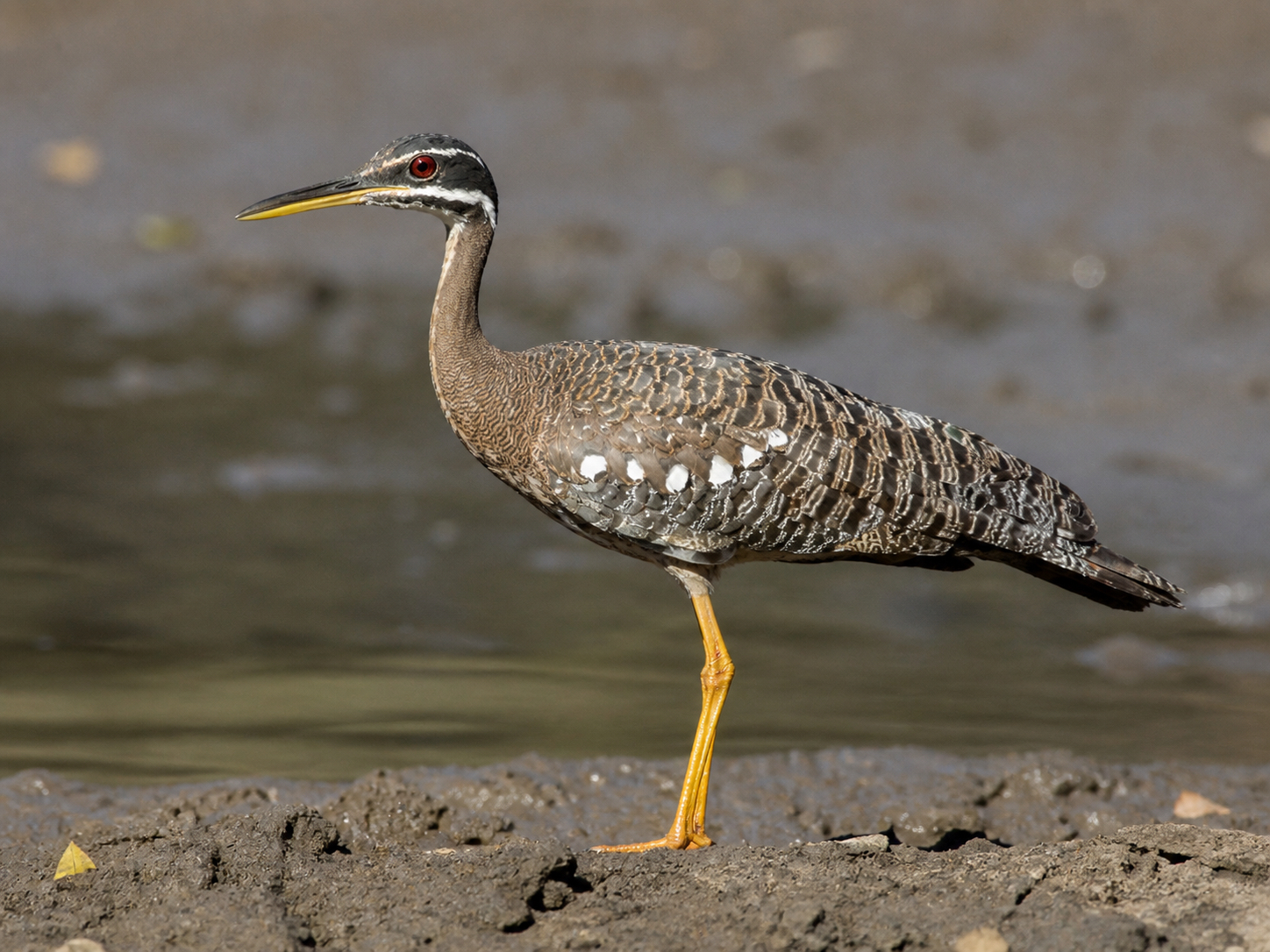
A 20-day small-group birding circuit across Costa Rica’s contrasting habitats, from Pacific dry forest and the Osa Peninsula to the Talamanca highlands, Caribbean rainforest, northern wetlands, Arenal and Monteverde. The route is built around source-supported bird possibilities, patient field time and flexible conditions rather than guaranteed sightings.
Why Explore Costa Rica Beyond the Classic Route
This journey follows Costa Rica through a broad sequence of habitats, from Sarapiquí and Caribbean wetlands to Boca Tapada, volcano country, cloud forest and the Pacific coast. It is a route for seeing how forests, rivers, mountains and coastlines shape the country’s wildlife.
The slower rhythm allows time for local places and less familiar corners, with space for birding, mammals, frogs, landscapes and the everyday character of each region.
Is this trip right for you?
A practical overview of the pace, comfort, and conditions to expect on this journey.
Seasonality
Travel style
- Quality Over Quantity Tours
Accommodation
- Comfortable accommodations with character
Transport
-
Transportation in confortable Vehicles
i
Transport used on this trip- Local taxi
- Car
- Boat / ferry
-
Travel time:
Estimates incomplete
· at least 1 longer travel day
i
Travel time estimates- Short transfers (up to 2 hours): at least 3
- Transfers over 2 hours, up to 5 hours: at least 7
Some transfer times are still being confirmed; the daily average is not yet available.
Counts refer to individual road or boat transfers. The daily average includes all itinerary days, including days without transfers. Flights, walking and activity durations are excluded.
Flights are counted separately. Airport procedures, waiting and sightseeing stops are not added to the recorded transfer durations.
Times are approximate and depend on traffic and local conditions.
Meals
- Flexible Dining
Activity level
- Light walking and hiking suitable for most fitness levels. Nothing too challenging.
Who is it for
- Birders who want a broad Costa Rica route across Pacific dry forest, Osa rainforest, Talamanca highlands, Caribbean foothills, wetlands and cloud forest.
- Small groups comfortable with early starts, varied terrain, long road days and patient observation at feeders, trails and water.
- Travellers who value source-grounded species possibilities and flexible field time rather than guaranteed sightings.
Who is it not for
- Travellers seeking a relaxed resort itinerary with late mornings and short transfers.
- Anyone unable to manage uneven, wet or steep trail sections and repeated early starts.
- Travellers who need every species, property name, transfer time or hotel room category guaranteed before booking.
The journey at a glance
Following the route
The journey moves gradually through 7 chapters.
Route shown schematically for orientation.
Detailed itinerary
Day 1 — Arrival in Alajuela
Arrival in Alajuela centres on a short transfer from the airport to Hotel Aeropuerto, a convenient airport hotel about five minutes from the terminal. Once settled, the day includes a generic dinner option, offering a simple meal after arrival. Hotel Aeropuerto also serves as the final-night stay before international departure, making it a practical base for the start and end of the trip. This opening day keeps things easy, with minimal travel between the airport and the hotel in Alajuela.
Key activities
Day 2 — Orotina Dry Forest and Cerro Lodge
After an early transfer from Alajuela, bird the Ceibo-Cascajal Road in the Orotina dry forest, working forest, scrub and open fields for trogons, motmots, manakins and sparrows. Continue to Cerro Lodge to explore its grounds, gardens and veranda, where hummingbird feeders and flowering plants draw many species, and Scarlet Macaws may visit late in the day. An optional Tarcoles River boat trip focuses on mangroves, while the observation tower offers canopy views. End with access-road owling for Pacific Screech-Owl, Spectacled Owl and Black-and-white Owl.
Key activities
-
Ceibo-Cascajal Road Dry-Forest Birding
-
Cerro Lodge Grounds, Gardens and Veranda
-
Optional Tarcoles River Boat Trip
-
Cerro Lodge Observation Tower
-
Cerro Lodge Access-Road Owling


Day 3 — Parque Nacional Carara
Begin with breakfast before walking the flat, wide Laguna Meandrica Trail in Carara National Park, following the Tarcoles River through secondary forest with high species diversity and specialties such as White-whiskered Puffbird and Orange-collared Manakin. Ponds at the trail end may hold roosting Boat-billed Herons. After lunch, return late in the afternoon for the Headquarters Trail, an asphalt and boardwalk route through primary rainforest with habitat-restricted birds including Streak-chested Antpitta and Riverside Wren. Stay at Cerro Lodge near Tarcoles, with gardens, hummingbird feeders, a veranda and an observation tower.
Key activities
-
Carara National Park — Laguna Meandrica Trail
-
Carara National Park — Headquarters Trail
Day 4 — Pacific Coast to the Osa Peninsula
Travel from Cerro Lodge along the Pacific coast via Manuel Antonio, Quepos, Dominical and Rincon toward the Osa Peninsula, with birding stops along the way. Pause at the Rincon River bridge to search for the scarce Yellow-billed Cotinga, with the Yellow-billed Cotinga Reserve near Danta Corcovado as a possible alternative. On arrival, bird the grounds of Danta Corcovado Lodge, five kilometres from La Palma and close to Corcovado National Park. The lodge serves as a three-night base for forest trails and hummingbird feeders.
Key activities
-
Rincon River Bridge Yellow-billed Cotinga Search
-
Danta Corcovado Lodge Grounds
Day 5 — Forest and Feeders at Danta Corcovado
Birding at Danta Corcovado explores a 30-hectare mosaic of primary and secondary Osa forest, with chances to watch manakin display areas and look for species such as Rufous-winged Woodpecker, Black-hooded Antshrike, Chiriquí Foliage-gleaner and Black-cheeked Ant-Tanager. A flexible midday session at the Danta Lodge hummingbird feeders may bring Band-tailed Barbthroat, White-crested Coquette, Garden Emerald and Mangrove Hummingbird. Based at Danta Corcovado Lodge near La Palma and Corcovado National Park, the day pairs forest trails with relaxed feeder watching.
Key activities
-
Danta Corcovado Forest Trail Birding
-
Danta Lodge Hummingbird Feeders
Day 6 — La Gamba Road and Jardín Botánico Wilson
Travel from Danta Corcovado toward the La Gamba Road, where grassland gives way to primary rainforest near Parque Nacional Piedras Blancas. The birding walk here passes through shifting habitat, from seedeaters and flycatchers to southwestern near-endemics and Black-cheeked Ant-Tanager, with a check of the Esquinas/Tropenstation area for White-crested Coquette. Continue to San Vito for lunch and hotel check-in, then explore Jardín Botánico Wilson, searching for Turquoise Cotinga among garden birds, aracaris, wood-rails, euphonias and hummingbird feeders.
Key activities
-
La Gamba Road Rainforest Birding Walk
-
Jardín Botánico Wilson Birding Walk
Day 7 — San Joaquín and Cerro de la Muerte
Begin with birding at the San Joaquín Wetlands before a highland transfer from San Vito toward La Georgina. At roughly 10,000 feet, La Georgina’s feeders draw hummingbirds and highland species, followed by a Cerro de la Muerte antenna-road walk. Descend into San Gerardo de Dota for lodge feeder watching, then settle at Savegre Mountain Hotel. The route blends wetlands, páramo and cloud-forest habitats across a long travel day.
Key activities
-
San Joaquín Wetlands Birding Stop
-
La Georgina High-Elevation Feeders
-
Cerro de la Muerte Antenna-Road Birding Walk
-
San Gerardo de Dota Valley Lodge Feeders
Day 8 — Resplendent Quetzal and Savegre Forest
Begin with a private-finca birding walk at Paraiso Quetzal, where Resplendent Quetzal is the featured species and viewing opportunities are possible but not guaranteed. Continue with breakfast at Paraiso Quetzal Lodge and time at the hummingbird feeders. Later, drive high into the mountains for the Savegre Highland Downhill Trail, walking through highland habitat with a chance of Resplendent Quetzal and a field list including Spotted Wood-Quail, Barred Parakeet, Black-faced Solitaire, and Flame-colored Tanager. Stay in the San Gerardo de Dota valley at Savegre Mountain Hotel.
Key activities
-
Paraiso Quetzal Private-Finca Birding Walk
-
Savegre Highland Downhill Trail

Day 9 — Reserva El Copal and Quelitales
Travel from San Gerardo de Dota to Reserva El Copal for a full day of foothill birding in community-run Caribbean forest. Flowering bushes and Heliconias draw hummingbirds such as Green Thorntail, Snowcap, and Purple-crowned Fairy, while edges and flocks reveal tanagers including Flame-colored, Emerald, and Crimson-collared. Later, transfer to Hotel Quelitales near Turrialba for an evening hummingbird garden session, with the cloud-forest hide known for Scaled Antpitta.
Key activities
-
Reserva El Copal Foothill Birding Walk
-
Evening Hummingbird Garden Session at Hotel Quelitales


Day 10 — Scaled Antpitta, Snowcap and Great Green Macaw
Begin the day with a Hotel Quelitales cloud-forest birding walk, where a hide offers chances for Scaled Antpitta alongside Red-headed Barbet, Ochre-breasted Antpitta, Dark Pewee, Slaty-backed Nightingale-Thrush, Sooty-faced Finch and Cabanis’s Ground-Sparrow. Transfer toward Sarapiqui via El Tapir Nature Reserve, working flowering beds for Snowcap and other hummingbirds, with possible Black-crested Coquette. Continue roadside birding toward Puerto Viejo for Canebrake Wren and Gray-crowned Yellowthroat, plus possible White Hawk, Gray-lined Hawk and Bat Falcon. At midday visit the Great Green Macaw site near Puerto Viejo, then a conditional Sunbittern check at Selva Verde Lodge.
Key activities
-
Hotel Quelitales Cloud-Forest Birding Walk
-
El Tapir Snowcap Flowering Beds
-
Additional Roadside Birding Stops toward Puerto Viejo
-
Great Green Macaw Site near Puerto Viejo
-
Conditional Sunbittern Check at Selva Verde


Day 11 — Parque Nacional Braulio Carrillo
Birding begins with a transfer to Quebrada González in Parque Nacional Braulio Carrillo, where the Botarrama Rainforest Trail follows steep, often slippery terrain through rainforest. Quail-doves, antbirds, antthrushes and ground birds are the focus, with attention shifting to understory or canopy flocks and army-ant swarms as they appear. A second session at Las Palmas Rainforest Loop adds canopy-flock possibilities. Later, near Puerto Viejo, a short stop targets endangered Great Green Macaws. The day ends with an overnight stay at Hotel Ara Ambigua in the Sarapiquí area.
Key activities
-
Botarrama Rainforest Trail Birding
-
Las Palmas Rainforest Loop Birding
-
Great Green Macaw Site near Puerto Viejo
Day 12 — La Selva to Bijagua
After breakfast, an early transfer reaches La Selva Biological Station for birding along the entrance road, visitor-centre clearing and rainforest trails, where tinamous, antshrikes, woodpeckers, umbrellabirds and manakins may appear. Lunch precedes the transfer to Celeste Mountain Lodge near Bijagua. An entrance-Heliconia session there focuses on hummingbirds such as White-tipped Sicklebill and Stripe-throated Hermit, with time kept flexible for conditions. Dinner and an overnight stay at Celeste Mountain Lodge follow. Access beyond standard routes and wildlife encounters remain conditional.
Key activities
-
La Selva Entrance Road and Rainforest Trail Birding
-
Celeste Entrance-Heliconia Birding Session

Day 13 — Heliconias and Tapir Valley
After breakfast, transfer to Heliconias Lodge for a private-reserve birding walk through dense forest, slowly pausing to listen for antbirds, with Ocellated Antbird and Tody Motmot as key targets alongside guans, antwrens, manakins and wrens. Continue to Tapir Valley Nature Reserve, where observation platforms overlook wetland, canopy and hummingbird activity before forest trails reveal Great Curassow, trogons, motmots, toucanets, umbrellabird and Lovely Cotinga possibilities. Dinner and overnight at Celeste Mountain Lodge.
Key activities
-
Heliconias Private-Reserve Birding Walk
-
Tapir Valley Platforms and Forest Birding Walk
Day 14 — Celeste Forest and Los Chiles Lagoon
Start with an included breakfast before a birding walk in the lodge-owned forest at Celeste Mountain Lodge, where the route targets species such as White Hawk, Slaty-tailed Trogon, Tody Motmot and Keel-billed Toucan. After lunch, transfer from Bijagua to Los Chiles for a crake birding boat on Los Chiles Lagoon, looking for Yellow-breasted Crake and Pinnated Bittern. Dinner and an overnight stay in Los Chiles follow.
Key activities
-
Celeste Lodge-Owned Forest Birding Walk
-
Los Chiles Lagoon Crake Birding Boat


Day 15 — Río Frío and Lago Caño Negro
Start with breakfast before a birding boat navigates Río Frío into the marshy reaches of Lago Caño Negro, watching shaded side channels and shorelines for species such as Nicaragua Grackle, Green-and-Rufous Kingfisher, Sungrebe and Boat-billed Heron. Continue with a focused Los Chiles Town Birding Walk, then transfer to Arenal. At Arenal Observatory Lodge, search the gardens and flowering hedges for Black-crested Coquette, with Green Thorntail and other hummingbirds noted as possibilities. Lunch and dinner round out the day.
Key activities
-
Río Frío and Lago Caño Negro Birding Boat
-
Los Chiles Town Birding Walk
-
Lodge-Garden Black-crested Coquette Search at Arenal Observatory Lodge


Day 16 — Arenal Observatory Private Reserve
Bird the private forest-reserve trails and flowering hedges around Arenal Observatory Lodge, the Arenal base for a day of forest and garden birding. One trail is highlighted for Wrenthrush, with other possibilities including Great Curassow, Smoky-brown Woodpecker, White-fronted Parrot, Russet Antshrike, Spotted Antbird, Bare-necked Umbrellabird, Black-and-yellow Tanager and Yellow-crowned Euphonia. A focused hummingbird hedge session adds chances of Black-crested Coquette and Green Thorntail. Breakfast, lunch and dinner are included. No sightings are guaranteed.
Key activities
-
Arenal Observatory Lodge Private Reserve Trails
-
Arenal Observatory Hummingbird Hedge Session
Day 17 — La Fortuna Rails and Monteverde Canopy
Start with an early-morning rail stakeout near La Fortuna, watching for White-throated Crake, Uniform Crake and Gray-cowled Wood-Rail. Continue on the Bogarín Trail dry-forest birding walk, searching for Keel-billed Motmot, Olivaceous Piculet, woodpeckers, Plain Xenops, Buff-fronted Foliage-gleaner, White-collared Manakin and Black-throated Wren. After lunch, transfer from Arenal to Monteverde, then explore Selvatura’s montane forest and suspension bridges for canopy views, with Three-wattled Bellbird the main target alongside Black Guan, Resplendent Quetzal and Collared Trogon. Overnight at Cala Lodge.
Key activities
-
La Fortuna Rail Stakeout
-
Bogarín Trail Dry-Forest Birding Walk
-
Selvatura Montane Forest and Suspension Bridges
Day 18 — Monteverde Cloud Forest and La Ensenada
Begin with an early transfer to Reserva Biológica Bosque Nuboso Monteverde, arriving for the entrance hummingbird feeders before walking the reserve’s broad and steeper trails. Source-supported possibilities include Buff-fronted Quail-Dove, Collared Trogon, Red-headed Barbet and Golden-browed Chlorophonia. In the afternoon, return upslope to the Monteverde Reserve feeders for Coppery-headed Emerald, Violet Sabrewing and, with luck, the Magenta-throated Woodstar. After lunch, transfer roughly three hours to La Ensenada, then work its dry scrub, forest, pasture and mangrove mosaic for Crested Bobwhite, Ferruginous Pygmy-Owl, White-throated Magpie-Jay and Streak-backed Oriole before an overnight at La Ensenada Sanctuary Lodge.
Key activities
-
Afternoon Monteverde Reserve Feeder Session
-
Monteverde Cloud Forest Reserve
-
La Ensenada Dry-Lowland Birding


Day 19 — La Ensenada and Return to Alajuela
Begin with breakfast before a La Ensenada Dry-Forest and Mangrove Birding Walk through lowland scrub, dry forest, pasture and mangrove, looking for Crested Bobwhite, Double-striped Thick-knee, Ferruginous Pygmy-Owl, hummingbirds, flycatchers, White-throated Magpie-Jay, wrens and orioles. An optional La Ensenada Mangrove Boat Trip may be arranged for Mangrove Cuckoo, Mangrove Hummingbird and Panama Flycatcher. After lunch, transfer approximately three hours south to Alajuela, with dinner and a final night at Hotel Aeropuerto near the terminal.
Key activities
-
La Ensenada Dry-Forest and Mangrove Birding Walk
-
Optional La Ensenada Mangrove Boat Trip
Day 20 — International Departure
After an included breakfast, the journey wraps up with a departure transfer from Hotel Aeropuerto to the international airport. This final movement marks the end of the tour, with the hotel usually reimbursing one taxi direction for the airport run. Travellers can plan their international departure knowing the route to the terminal is covered, making for a straightforward close to the trip.
Key activities
Target Species
A curated selection of the iconic species we aim to encounter and photograph throughout our journey.


Antbirds
Antthrushes
Antwrens
Barbets
Bellbirds
Cardinals
Curassows
Eagles
Euphonias
Falcons
Finches
Flycatchers
Foliage-gleaners
Guans
Hawks
Hummingbirds
- White-crested Coquette
- Crowned Woodnymph
- Purple-crowned Fairy
- Black-crested Coquette
- Green Hermit
- Green-crowned Brilliant
- Violet Sabrewing
- Cinnamon Hummingbird
- Rufous-tailed Hummingbird
- Lesser Violetear
- Snowcap
- Stripe-throated Hermit
- White-tipped Sicklebill
- Steely-vented Hummingbird
- Purple-throated Mountain-gem
- Black-bellied Hummingbird
- Bronzy Hermit
- Charming Hummingbird
- Veraguan Mango
- Magenta-throated Woodstar
- White-tailed Emerald
- Snowy-bellied Hummingbird
- Fiery-throated Hummingbird
- Volcano Hummingbird
- Talamanca Hummingbird
- White-throated Mountain-gem
- Plain-capped Starthroat
Jacanas
Kingfishers
Lapwings
Manakins
Meadowlarks
Orioles
Other Species
Ovenbirds
Potoos
Puffbirds
Quetzals
Rails
Seedeaters
Sharpbills
Silky-flycatchers
Sunbitterns
Sungrebes
Tanagers
- Golden-hooded tanager
- Scarlet-rumped Tanager
- Elegant Euphonia
- Flame-colored Tanager
- White-winged Tanager
- Crimson-collared Tanager
- Red-throated Ant-Tanager
- Black-faced Grosbeak
- Speckled Tanager
- Yellow-winged Tanager
- Sooty-capped Chlorospingus
- Rufous-winged Tanager
- Emerald Tanager
- White-throated Shrike-Tanager
- Black-and-yellow Tanager
Thick-knees
Thrushes
Tinamous
Treerunners
Trogons
Vireos
Woodcreepers
Woodpeckers
Wrens
Wrenthrushes
Accommodation
Where you’ll stay


Gallery


Price Details
Our tour prices are based on a tiered pricing model. more guests = lower price, per person. That means the prices go down on a per-person basis as more people book onto a specific tour departure.
Price Base
- Price for 2 people: 14.595 USD (730 USD / day)
- Price for 3 to 4 people: 12.595 USD (630 USD / day)
- Price for 5 to 6 people: 10.195 USD (510 USD / day)
- Price for 7 to 8 people: 8.795 USD (440 USD / day)
** Prices are based on double occupancy / twin share basis.
Included
- Hotels mentioned in the program
i
Hotels mentioned in the program- Hotel Aeropuerto — Alajuela — 2 nights · Uncategorized Hotel
- Cerro Lodge — 2 nights · Uncategorized Hotel
- Danta Corcovado Lodge — 2 nights · Uncategorized Hotel
- Hotel in San Vito (TBD) — 1 night · Uncategorized Hotel
- Savegre Mountain Hotel — 2 nights · Uncategorized Hotel
- Hotel Quelitales — 1 night · Uncategorized Hotel
- Hotel Ara Ambigua — 2 nights · Uncategorized Hotel
- Celeste Mountain Lodge — 2 nights · Uncategorized Hotel
- Hotel in Los Chiles (TBD) — 1 night · Uncategorized Hotel
- Arenal Observatory Lodge — 2 nights · Uncategorized Hotel
- Cala Lodge — 1 night · Uncategorized Hotel
- La Ensenada Sanctuary Lodge — 1 night · Uncategorized Hotel
- Meals indicated in the program: 19 breakfasts, 18 lunchs, 19 dinners
- 1 cocktail before dinner
- Water is included
- Professional photographic guidance & instruction by Tristan Quevilly
- Transportation in comfortable vehicles
- 1h skype session of photo editing in Lightroom or Photoshop
- Restaurant gratuities / tips
- Pre-trip planning assistance
- Detailed trip notes with practical information and cultural insights
- Access to Remote Expeditions custom travel app
Not Included
- Lunch on Arrival day and Departure day
- Tips
- International flights
- Travel, Medical & Cancellation insurance
- Additional drinks and meals
- Expenses not specified in the program
- Camera Equipment
Deposit
-
30% (3.059 USD approx)
i
Your depositThe deposit is used to secure services for your trip, such as hotels and flights.
Payment Options
- Bank Transfer (Recommended): Free
- Credit / Debit Card: Secure payment via Revolut. A 3% processing fee applies.
Booking Conditions
- Deposit: 30% to secure your booking
- Final payment: Due 90 days before departure
- Cancellation more than 90 days before departure: Deposit retained as a 4-year travel credit
- Read the full Terms & Conditions ↗
Services to Expect
Private Transfers and Ecolodge Bases
Private vehicles connect the route’s widely separated regions, including winding mountain roads and occasional rough tracks to lodges. Accommodation is selected for access to habitats and may range from comfortable hotels to simpler ecolodges.
Local teams and guides contribute knowledge of trails, wildlife behaviour and the best times to visit each site. The day’s pace remains responsive to conditions and the group.
Practical Information
Humidity, Trails and Early Starts
Costa Rica’s lowlands are warm and humid, while volcano and cloud-forest areas can be cooler, wetter and more exposed. Trails may be muddy, uneven or steep, and rain is possible at any time.
Some days begin before dawn for wildlife activity and soft light. A steady pace, suitable footwear and flexibility around weather will make the field days more enjoyable.
Weather, Connectivity and Field Conditions
Expect changing microclimates, sudden showers and high humidity, especially around rainforest and cloud forest lodges. Mobile coverage and Wi-Fi may be limited in remote areas, so keep essential information and contacts available offline.
Protect cameras from rain and condensation, and allow equipment to acclimatize when moving between air-conditioned rooms and humid forest.
Wildlife Etiquette and Local Guidance
Wildlife is best approached quietly and without pressure. Follow guide instructions, keep a respectful distance, avoid flash around sensitive animals and remain on established trails or in designated hides.
Local guides and communities make this journey possible. Ask before photographing people, respect local customs and leave each forest, riverbank and beach as we found it.
What to Pack for Costa Rica’s Habitats
Bring lightweight, quick-drying clothing, a light fleece or warmer layer for the highlands, sturdy walking shoes, a waterproof jacket, sun protection and insect protection. A soft-sided bag and small daypack are practical for transfers and field days.
Binoculars, spare batteries, memory cards and dependable rain protection for camera equipment are useful throughout the route.
Detailed Trip Notes, including practical tips, cultural insights, and a complete packing list will be sent to you 60 days before departure.
Booking this tour means you agree to our full Terms and Conditions. Below is a summary of the key points. As life is unpredictable, we strongly recommend purchasing comprehensive travel insurance.
- Deposit: A 30% deposit is required to secure your booking. This deposit is refundable for 7 days (less transaction fees), after which it becomes a non-refundable credit, transferable to a future tour offered by Remote Expeditions within 4 years of the cancellation date, less any non-recoverable costs already paid on your behalf.
- Final Payment: The remaining balance is due 90 days before the tour begins.
- Cancellation more than 90 days before departure: You will receive a full refund of any payments made, except for the 30% deposit. Your deposit will be converted into a travel credit valid for 4 years on a future tour Remote Expeditions.
- Cancellation within 90 days of departure: 100% of the tour price is forfeited. There are no refunds or credits.
* This is a summary only. Please read our complete
Terms and Conditions
for full details before booking.
** We strongly recommend all travelers purchase comprehensive travel insurance that covers trip cancellation, medical emergencies, and other unforeseen events.
A few kind words
Colombia Photography Tour 2026
Top notch photographic experience for enthusiasts of nature, culture, and portraits. Tristan is well connected to the area and the local communities with a specialty in indigenous tribes and less-visited areas. Additionally, he is an excellent teacher and will provide incredibly helpful instruction on exposure, lighting, and composition. Our tour was incredibly well organized and ran on time, with full days of photography. I fully recommend Remote Expeditions for your photographic travels!

You are in good hands with Tristan!
Tristan does an amazing job at putting together a culturally rich experience. He also does a great job at adapting to his clients needs and interests. He responds well to feedback. He is both professional and personable. I feel as though I had the opportunity not only to photograph many different elements of Colombia, but that I truly experienced the country and its culture. Our adventure took us from birding in the mountains outside of Cali, to visiting remote indigenous tribes, to visiting active fishing villages, to learning about local and historical musicians and customs, to beautiful settings in the mountains and along the seashore.
I give Tristan the highest recommendation as a guide for Colombia.

Colombia Birding Tour
I visited Colombia with Tristan of Remote Expeditions and would highly recommend him. He put together a wonderful itinerary with great knowledge of the areas and attention to details to give us a wonderful sampling of the country. He is personally very gentle and fun by nature and you will return home feeling very happy and satisfied. Whatever your special interest is, I’m sure he can make an itinerary to exceed your goals.

The difference is in the details
Journeys shaped by experience
Every route is built from time spent in the field: knowing when to linger, when to move on, and which small details are worth noticing.
Room for the unexpected
The best moments are not always on the itinerary. We leave enough flexibility to follow a good conversation, an unusual sighting, or a changing landscape.
Local relationships that open doors
Our journeys are grounded in long-term relationships with people who know their home intimately and are proud to share it in their own way.
A small group, properly looked after
With only a few travellers, decisions remain personal. We can adapt the pace, answer questions, and make sure everyone feels part of the journey.
Your Tour Guide

Tristan Quevilly
Tristan has been to over 40 countries in his quest for the perfect adventure. He has biked all Guatemala, trekked alone across the Triglav in Slovenia, travelled through all the Amazon by boat. He also has worked and leaded tours in Senegal, Morroco, Croatia, Greece, Cuba, Colombia, Brazil and many more. Remote Expeditions is the fruit of his love for people and travel.
- 23 years guiding
- 75K followers
- 16 countries guided in
- 3,000+ activities led
Frequently Asked Questions
Most Remote Expeditions journeys are arranged privately, so the pace and rhythm can be shaped around the people travelling together. When a scheduled group departure is offered, it is typically limited to four or five travellers.
No. Photography is one of the ways we observe and connect with a place, but it is not a requirement. Our journeys also welcome travellers drawn to slow travel, wildlife, culture, trekking, landscapes, and genuine encounters. You can join with professional equipment, a simple camera, or just your curiosity.
Every itinerary has its own rhythm. Some journeys are gently paced, while others include long walks, trekking, uneven terrain, altitude, or substantial travel days. The practical details on each tour page explain the expected walking, terrain, altitude, distances, and overall physical level so you can decide whether the journey suits you.
Tristan designs the itineraries and personally leads many Remote Expeditions journeys. Depending on the destination and the character of the trip, trusted local guides, drivers, cultural hosts, or specialist leaders may also join part of the route. This combination gives you direct personal support alongside local knowledge.
Often, yes. Private journeys can usually be shaped around your interests, pace, and available time. Fixed group departures have a defined route and dates, but it may still be possible to arrange additional nights, private extensions, or other travel before or after the main journey. Tell us what you have in mind and we will explain what is practical.


